
 By admin
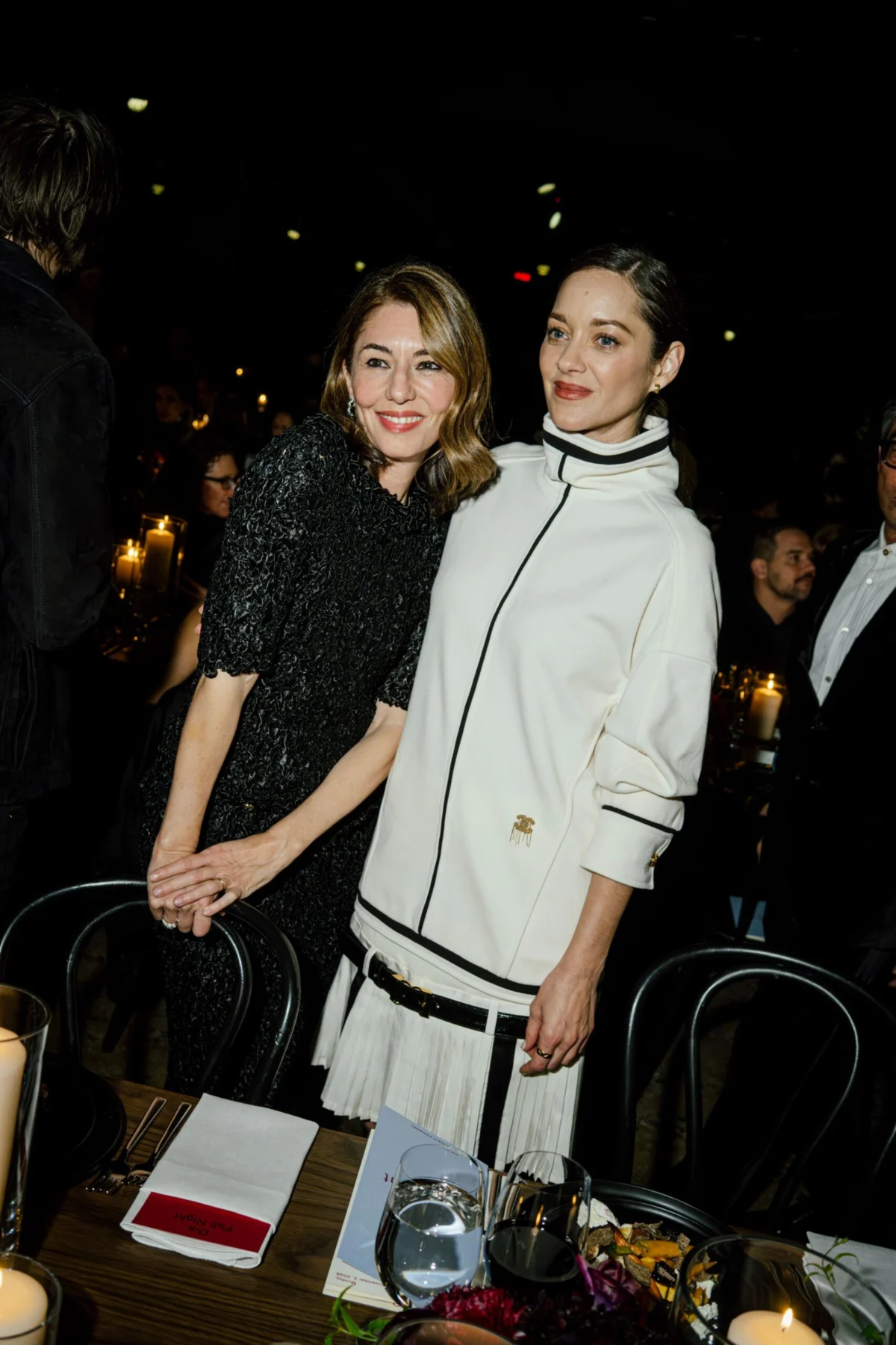
New York City witnessed a convergence of artistic reverence and institutional transition as the Dia Art Foundation hosted a significant gathering, marking its second collaborative event with luxury fashion house Chanel. Beyond celebrating Dia’s enduring commitment to minimalist and conceptual art, the evening was imbued with a distinct sense of occasion: a heartfelt farewell to its esteemed director, Jessica Morgan, who concluded a transformative 12-year tenure before embarking on a new leadership role at Tate in London. The event, held amidst candle-laden tables and attended by prominent figures from the art, fashion, and philanthropic spheres, underscored Dia’s pivotal role in the global art landscape while signaling a moment of change and continuity.
A Legacy of Vision and Growth: Jessica Morgan’s Tenure at Dia
Jessica Morgan’s departure from the Dia Art Foundation after more than a decade at its helm represents a significant shift for one of the world’s foremost institutions dedicated to the presentation and preservation of art from the 1960s to the present. Her leadership, commencing in 2008, has been widely credited with revitalizing Dia’s curatorial vision, expanding its geographical footprint, and bolstering its financial stability. Prior to her appointment at Dia, Morgan served as the curator of international art at Tate Modern in London, bringing a wealth of global experience and a deep understanding of contemporary artistic practices to the American institution. Her move "across the pond" to assume the directorship of Tate, an institution she knows intimately, marks a full-circle moment in her illustrious career, positioning her at the forefront of one of the United Kingdom’s most influential cultural organizations.
During her tenure, Morgan meticulously upheld Dia’s unique mission, focusing on long-term, site-specific installations and presentations that often challenge conventional museum experiences. She successfully navigated the complexities of maintaining Dia’s distinctive network of sites and commissions, which include the sprawling Dia Beacon in New York’s Hudson Valley, the Walter De Maria installations in New York City and New Mexico, and the iconic Robert Smithson’s Spiral Jetty in Utah. Her commitment to the foundational principles of Dia, established by its founders Heiner Friedrich, Fariha de Saint-Phalle, and Helen Winkler, ensured the continued prominence of artists such as Donald Judd, Dan Flavin, and Richard Serra within the institution’s collection and programming.
One of Morgan’s most frequently lauded achievements, and one she herself highlighted during her remarks, was the dramatic expansion of Dia’s collection. "It’s been an immense pleasure to stay true to our vision and mission," she stated, beaming. "I am most proud of the work that we’ve done with the collection. It has been a real transformation. We inherited an amazing body of work from extraordinary artists collected in depth—but since then, we’ve tripled the collection by bringing in so many incredible voices, many of whom are here tonight." This expansion was not merely quantitative but strategic, broadening Dia’s scope to include a more diverse range of artists while maintaining the rigorous intellectual and aesthetic standards for which the foundation is known. New acquisitions under her leadership have enriched Dia’s holdings, ensuring its relevance in a continually evolving art historical discourse and demonstrating a proactive approach to shaping the canon of contemporary art.
A Night of Tributes: Art, Friendship, and Performance
The evening’s program was punctuated by deeply personal and artistically resonant tributes that celebrated both Dia’s community and its broader influence. A poignant moment arrived when artist Matthew Barney took the stage to honor his longtime friend, Roni Horn, an artist whose work often explores themes of identity, nature, and the mutable qualities of material and perception. Horn’s artistic practice, which spans photography, sculpture, and drawing, frequently engages with the complexities of representation and the fluid nature of being. Dia has a long-standing relationship with Horn, having presented her work on multiple occasions, including Roni Horn: Water, Selected Works (2009–10) and Roni Horn: ‘You are the Weather’ (2002–03).
Barney’s tribute offered a rare glimpse into the personal dimensions of Horn’s artistic persona. "I’ve never asked Roni if it was her, in the clown costume, in her photographic series Clowd and Cloun," he mused, referencing a specific body of work where Horn explores the enigmatic and sometimes unsettling figure of the clown. The series, like much of Horn’s oeuvre, delves into the nuances of self and representation, often employing doubling and repetition to explore identity’s elusive qualities. Barney continued, "I guess I didn’t ask because I know that Roni isn’t a clown, but there is a brilliant comedian in there. And a poet, a pragmatist, an intimate, an analyst, a confidante, an artist, and a close friend—brutally funny, and awfully clear." This multifaceted description not only highlighted Horn’s diverse qualities as an individual but also indirectly reflected the depth and intellectual rigor of her artistic output, which often balances wit with profound philosophical inquiry. The tribute resonated deeply with attendees, many of whom have long admired Horn’s distinctive contribution to contemporary art.
Later in the evening, a surprise spoken-word and roving performance by musician and poet Meshell Ndegeocello paid homage to the late fashion visionary Alexander McQueen. Ndegeocello, celebrated for her genre-bending music and lyrical prowess, wove her performance through the room’s candle-laden tables, creating an intimate and immersive experience. McQueen, who tragically passed away in 2010, remains an icon whose work transcended fashion, often incorporating elements of performance art, theatricality, and dark romanticism. His runway shows were renowned for their conceptual depth and emotional intensity, making Ndegeocello’s chosen medium of spoken word and roving performance a fitting tribute to his legacy. The unexpected nature of the performance, designed to engage directly with the audience in their immediate space, mirrored McQueen’s own groundbreaking approach to presenting his collections, which consistently blurred the lines between fashion, art, and spectacle. This artistic interlude served as a powerful reminder of the interconnectedness of creative disciplines and the enduring impact of visionaries like McQueen.
Strategic Partnerships and Financial Resilience
The gala also served as a testament to Dia’s growing strategic alliances, particularly its "blossoming partnership" with Chanel. This event marked their second collaboration, signaling a deepening relationship between a venerable art institution and a global luxury brand. Chanel has a long history of supporting the arts, from its founder Gabrielle "Coco" Chanel’s own patronage of artists, writers, and musicians to its contemporary initiatives in film, fashion, and cultural heritage. For Dia, such partnerships are crucial for sustaining its ambitious programming, conservation efforts, and the maintenance of its extensive properties. In an increasingly competitive philanthropic landscape, alliances with brands like Chanel provide vital financial resources and amplify Dia’s reach and visibility. This collaboration underscores a broader trend in the arts sector, where cultural institutions are increasingly seeking innovative partnerships to secure funding and engage new audiences, balancing artistic integrity with commercial realities.
A key highlight of Morgan’s concluding remarks was the announcement of Dia’s progress towards a significant financial milestone. "As a parting note, Morgan proudly revealed that Dia is nearing its $200 million endowment goal." This achievement is monumental for an institution of Dia’s scope, ensuring its long-term financial stability and capacity to continue its unique mission. Endowments are critical for museums and foundations, providing a stable revenue stream that supports operations, acquisitions, and programming independent of annual fundraising cycles. Reaching such a substantial goal positions Dia favorably for future growth and resilience, allowing it to maintain its independence and curatorial focus without undue external pressures. This financial health is particularly important given the "Herculean effort" required to manage Dia’s extensive physical infrastructure.
The Herculean Task of Sustaining Dia’s Unique Vision
The logistical and financial demands of operating the Dia Art Foundation are considerable, a reality keenly understood by its patrons and leadership. Board chair Nathalie de Gunzburg, in her remarks bidding "adieu" to Morgan, offered a comprehensive appreciation that touched upon the unique challenges of Dia’s operations. "I have learned so much from you," de Gunzburg stated, "Not only about this institution, but buildings, programming, conservation, HVAC, and gardening—but also as a woman, you are exceptional." The crowd’s "tittered" reaction at the mention of "all things construction-related" was telling, acknowledging the extensive and often unglamorous work involved in preserving and presenting Dia’s collection.
Dia’s model is distinct: it maintains 12 locations and sites, many of which are large-scale, site-specific installations, rather than a single, centralized museum. This distributed network includes the expansive Dia Beacon, housed in a former Nabisco box printing factory, and several iconic land art pieces. Keeping these diverse sites up and running, ensuring proper environmental controls (HVAC), undertaking ongoing conservation of often fragile and unconventional artworks, and continually installing ambitious multidisciplinary works, demands an extraordinary level of dedication and technical expertise. The challenges range from structural maintenance of historic buildings to the complex logistics of preserving outdoor sculptures exposed to the elements, not to mention the intricate curatorial work required for each unique space. Morgan’s ability to not only oversee these operational complexities but also to expand the collection and near a significant endowment goal speaks volumes about her leadership capabilities. Her final, lighthearted yet firm injunction—"I’m going to be looking very carefully to see what’s going on, so don’t mess it up"—encapsulated her deep commitment and passion for Dia’s enduring legacy.
Implications for the Future of Dia and the Art World
Jessica Morgan’s transition to Tate marks a significant moment for both institutions. For Dia, it initiates a new chapter, inviting fresh leadership to build upon Morgan’s substantial achievements. The foundation will undoubtedly seek a director who can maintain its distinct identity, continue its commitment to profound artistic experiences, and further solidify its financial standing in a dynamic global art market. The continued partnership with Chanel and the nearing of its endowment goal provide a robust foundation for this next phase.
For Tate, Morgan’s appointment signifies a strategic move to bring in a leader with proven experience in managing complex art institutions and a deep curatorial background. Her knowledge of international contemporary art and her track record of successful institutional growth will be invaluable as Tate navigates its own future challenges and opportunities.
The Dia Art Foundation gala, therefore, was more than just a social event; it was a microcosm of the contemporary art world’s intricate dynamics. It showcased the vital interplay between individual artistic expression and institutional support, the critical role of philanthropic partnerships, and the profound impact of visionary leadership. As Dia moves forward, it does so with a strengthened foundation, a celebrated legacy, and the enduring spirit of artistic exploration that has defined it for decades, all while acknowledging the indelible mark left by Jessica Morgan.
