
 By admin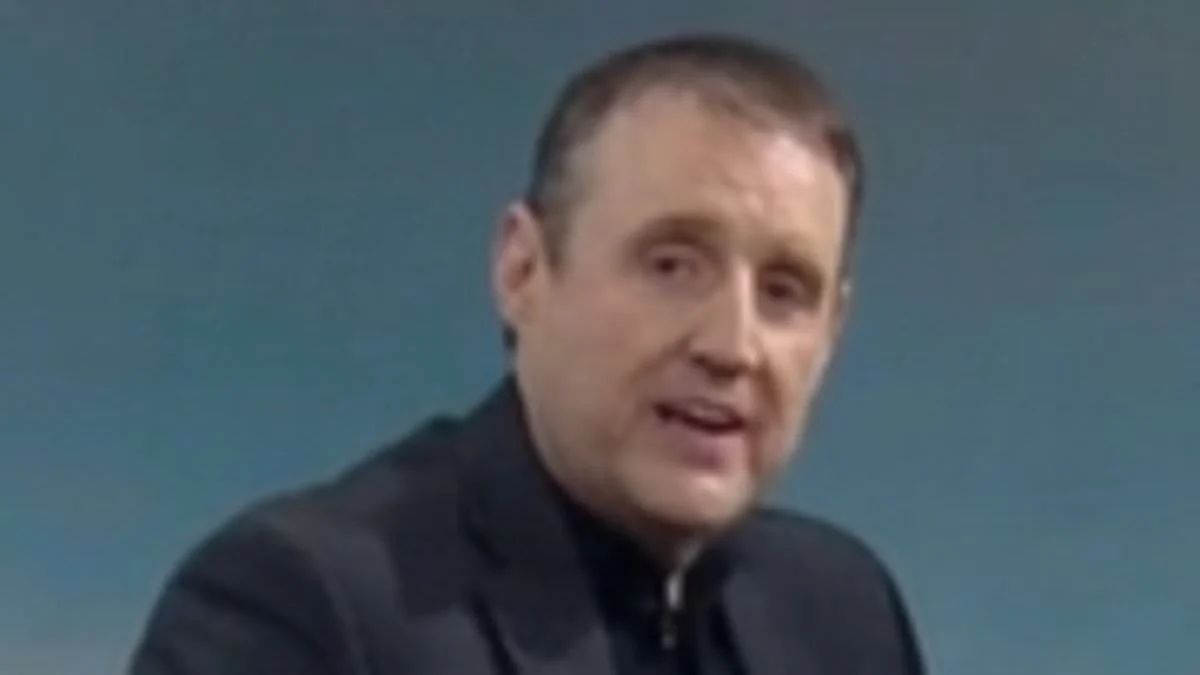
In a moment that combined nostalgia with high-spirited spontaneity, veteran comedian Peter Kay made an unscripted appearance during a live BBC weather broadcast on Wednesday, August 26, 2026. The 53-year-old entertainer, who was visiting the BBC North West Tonight studios to promote an upcoming charitable engagement, interrupted meteorologist Molly Brewer’s evening forecast, echoing a celebrated television moment he shared with the late Dianne Oxberry fifteen years prior. The incident occurred as Brewer was delivering a report concerning a yellow weather warning for the region, providing a lighthearted juxtaposition to the somber meteorological outlook.
As the broadcast transitioned to the weather segment, Kay was observed slowly entering the camera’s field of vision, hovering behind Brewer. Recognizing the comedian’s presence, Brewer informed the audience of the dual "warnings" in effect, stating that viewers were facing both a yellow weather warning and an appearance by Peter Kay. Maintaining his trademark deadpan delivery, Kay assured the presenter that he would not be a disturbance, while simultaneously joking about his physical positioning on the interactive weather map. "I’m covering Chester. I’m covering Buxton, they won’t mind," Kay remarked, utilizing his presence to obscure specific geographic locations on the digital display.
The interaction escalated in humor as the weather graphics illustrated incoming storm fronts across the North West. Kay pointed to the intensifying colors on the map, exclaiming, "It’s chucking it down, Molly! What’s this? This is El Niño, Molly!" Brewer, maintaining her professional composure, agreed with the assessment, noting that the forecast suggested significant disruption and a "chaotic" outlook for the following days. Kay further commented on the sudden shift in seasonal conditions, advising viewers to activate their central heating systems as the region transitioned from "clear blue skies" to an early autumnal chill.
A Legacy of Spontaneity: The 2011 Dianne Oxberry Incident
The significance of Kay’s appearance was underscored by its historical context. In 2011, Kay performed a nearly identical "gatecrashing" stunt during a forecast delivered by the late Dianne Oxberry on BBC North West Tonight. During that original broadcast, Kay crawled onto the set and clung to Oxberry’s legs, attempting to disrupt her delivery through physical comedy. Oxberry, a beloved figure in British regional broadcasting who passed away in 2019 at the age of 51, responded at the time with characteristic wit, threatening to "creep in" on one of Kay’s live comedy concerts in retaliation.
During Wednesday’s broadcast, Molly Brewer acknowledged the weight of the moment, admitting to the audience, "I don’t know how Dianne managed, I’m not gonna lie." The reference to Oxberry served as a poignant tribute to the former presenter, whose death following a short battle with cancer prompted a massive outpouring of grief across the North West and led to the establishment of the Dianne Oxberry Trust, which raises awareness for ovarian cancer symptoms. Kay’s decision to replicate the stunt was viewed by many as a silent homage to a colleague and friend, bridging the gap between two different eras of regional broadcasting.
Charitable Objectives and the Blackpool Opera House Engagement
While the weather interruption provided comedic relief, Kay’s primary objective for appearing on the program was to generate awareness for a significant philanthropic endeavor. The comedian is scheduled to perform a one-off show at the Blackpool Opera House next month, with all proceeds directed toward a specialized medical fund. The beneficiary is 19-year-old Fin Cormack from Prenton, Merseyside, who requires vital heart treatment currently only available in the United States.
Medical fundraising of this nature has become increasingly common for complex cardiac conditions that fall outside the standard remit of domestic healthcare provisions or require experimental surgical interventions available in specialized American facilities. The cost of such treatments, including travel and post-operative care, frequently reaches six-figure sums, necessitating high-profile interventions like Kay’s benefit performance. The Blackpool Opera House, one of the largest theaters in the United Kingdom with a capacity of nearly 3,000, is expected to sell out rapidly, providing a substantial injection of capital into Cormack’s medical fund.
Kay’s involvement in the Cormack case aligns with his long-standing history of supporting regional causes. Despite his status as one of the UK’s most successful comedians—having set a Guinness World Record for the most successful comedy tour in history—he has frequently returned to his roots in the North West to support local individuals and organizations.
Turmoil and Transformation at BBC Weather
The lighthearted nature of Kay’s appearance stands in contrast to the broader institutional challenges currently facing the BBC’s weather department. Reports have surfaced indicating that several of the broadcaster’s most prominent national meteorologists, including Tomasz Schafernaker, Louise Lear, and Darren Bett, are weighing the possibility of voluntary redundancy. These considerations follow an announcement in August 2026 regarding a significant restructuring of the BBC’s weather services.
As part of a "digital-first" strategy aimed at modernizing the corporation’s output, BBC management has proposed a drastic reduction in the number of national weather presenter roles. The plan involves downsizing the national team from 11 full-time positions to just 4.5. The strategy reflects a shift in consumer habits, as internal data suggests that traditional linear television forecasts are becoming less central to the audience’s daily routine compared to mobile applications and digital alerts.
The proposed changes include:
- A Focus on Localism: Bosses intend to "make more of much-loved local weather presenters," potentially shifting the burden of broadcasting from the national London-based hub to regional centers like the one Kay visited on Wednesday.
- Reporting Over Presenting: Insiders suggest the new model will prioritize "weather reporting"—which involves analyzing data and trends for digital platforms—over the traditional "weather presenting" format seen on television.
- Cost-Cutting Measures: The restructuring is part of a wider effort to find efficiency savings across the BBC’s public service remit, as the corporation navigates the freeze on the license fee and rising inflationary pressures.
A source within the BBC commented on the transition, stating, "It’s the end of an era for our weather presenting. The audience wants a bit of digital and TV—including a good old-fashioned forecast." The tension between maintaining traditional broadcast standards and adapting to a digital economy remains a central theme in the BBC’s current operational philosophy.
Analysis: The Role of Viral Moments in Public Service Broadcasting
The interaction between Peter Kay and Molly Brewer serves as a case study in the continued relevance of regional live television. Despite the BBC’s move toward digital-centric content, "viral" moments generated during live broadcasts continue to drive significant engagement on social media platforms, often reaching a wider demographic than the initial television audience.
For the BBC, such moments reinforce the "human" element of their presenters, a factor that digital algorithms and automated weather apps cannot replicate. The chemistry between a seasoned entertainer like Kay and a professional meteorologist like Brewer provides a unique form of "infotainment" that justifies the continued investment in regional studios. Furthermore, the ability of a live broadcast to pivot from a serious weather warning to a charitable appeal, and then to a comedic interlude, demonstrates the versatility of the medium.
From a public relations perspective, Kay’s appearance was a strategic success. It successfully highlighted the plight of Fin Cormack to a broad audience while simultaneously reinforcing Kay’s public image as an approachable, community-minded figure. By referencing Dianne Oxberry, the segment also tapped into collective regional memory, fostering a sense of continuity and tradition during a period of significant institutional change.
Chronology of Events
- 2011: Peter Kay gatecrashes Dianne Oxberry’s weather report on BBC North West Tonight, creating a landmark moment in regional TV history.
- January 2019: The passing of Dianne Oxberry at age 51, leading to widespread tributes and the formation of the Dianne Oxberry Trust.
- August 2026: BBC announces plans to cut national weather presenter roles from 11 to 4.5 as part of a digital-first restructuring.
- August 26, 2026 (Morning): News breaks regarding the potential departure of veteran presenters Tomasz Schafernaker and Louise Lear.
- August 26, 2026 (Evening): Peter Kay appears on BBC North West Tonight to promote his Blackpool Opera House show for Fin Cormack.
- August 26, 2026 (Evening): Kay interrupts Molly Brewer’s live weather forecast, referencing the 2011 stunt and the late Dianne Oxberry.
Implications for the Future of Regional Media
As the BBC proceeds with its downsizing of national weather staff, the importance of regional hubs like BBC North West may increase. The corporation’s stated goal of "making more" of local presenters suggests that regional news programs will become the primary vehicle for traditional broadcast forecasts. However, the success of this strategy depends on the ability of regional teams to maintain high production values and audience engagement in the face of broader corporate budget cuts.
The "Peter Kay effect" demonstrates that high-profile personalities remain willing to engage with regional media, provided the platform remains a trusted source of community information. As the Blackpool Opera House prepares for Kay’s upcoming performance, the surge in interest following his BBC appearance suggests that, despite the rise of digital platforms, the "good old-fashioned forecast"—especially one interrupted by a national treasure—remains a potent tool for public engagement and charitable advocacy.
In the coming months, the BBC will likely face continued scrutiny from both the public and industry unions regarding its treatment of veteran weather staff. As the corporation balances the "need for more reporting" with the audience’s desire for familiar faces, moments of levity like the one provided by Peter Kay may become increasingly rare, marking a transition toward a more data-driven, albeit perhaps less colorful, broadcasting landscape.
