
 By admin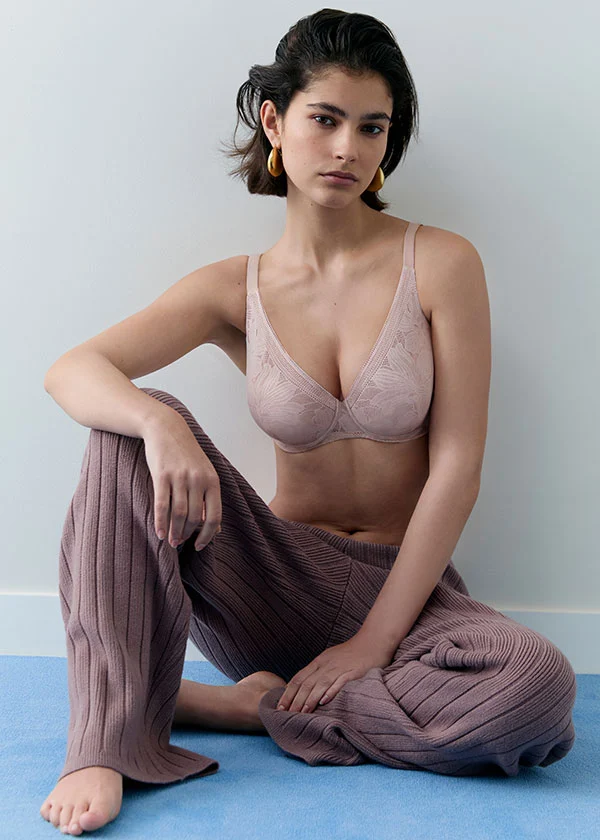
The Parisian intimate apparel house Chantelle has announced the strategic launch of its Osmose Collection, a product line designed to resolve the historical industry tension between structural rigidity and weightless comfort. Drawing its name from the French word for osmosis, the collection is built upon the scientific principle of a natural, effortless flow across a barrier until perfect equilibrium is achieved. In the context of contemporary garment engineering, this translates to a design philosophy where technical scaffolding is integrated so seamlessly into the fabric that the distinction between the support system and the wearer’s silhouette becomes nearly imperceptible.
As the global intimate apparel market shifts toward a preference for "second-skin" ergonomics, the Osmose Collection represents Chantelle’s latest effort to modernize full-bust stabilization. By prioritizing four core pillars—innovative comfort, ease of fit, delicate aesthetic styling, and daily utility—the brand aims to demonstrate that high-level support for larger cup sizes does not require the "rigid armor" typically associated with traditional corsetry.
Engineering a Balanced Silhouette: The Technical Foundations of Osmose
The development of the Osmose Collection was driven by a need to provide "breezy" aesthetics without compromising the underlying structural integrity required for a wide range of body types. To achieve this, Chantelle’s design team utilized yielding openwork textiles and rethink the behavior of these materials when placed under the tension of the human body. The result is a collection that removes the friction between function and beauty, employing intelligent craftsmanship to ensure the garments absorb into a woman’s daily routine.
Two specific silhouettes serve as the anchors for this collection, each targeting a different consumer need while maintaining the collection’s overarching theme of weightlessness.
The Wireless Spacer Option: Redefining Non-Wired Support
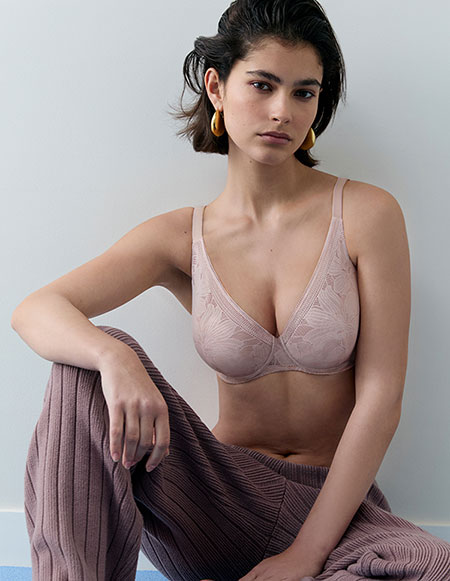
The first standout in the line is the Wireless Spacer, available in a size range of 30-40 and B-G cups. This model takes inspiration from the brand’s successful Everyday Lace series but introduces a fresh, non-wired framework. The engineering of this piece relies on elasticized galoon mesh, which has been molded into entirely smooth, three-dimensional forms.
Unlike traditional wireless bras that often sacrifice shape for comfort, the Osmose Wireless Spacer utilizes a supportive banded base architecture. This provides the necessary lift from below, while the clean, raw-edge finishing ensures a smooth transition against the skin. This specific construction technique is intended to minimize the "dig-in" factor often found in structured bras, providing what the brand describes as an almost imperceptible sensation.
The Plunge Unlined Underwire Bra: Merging Security with Open Aesthetics
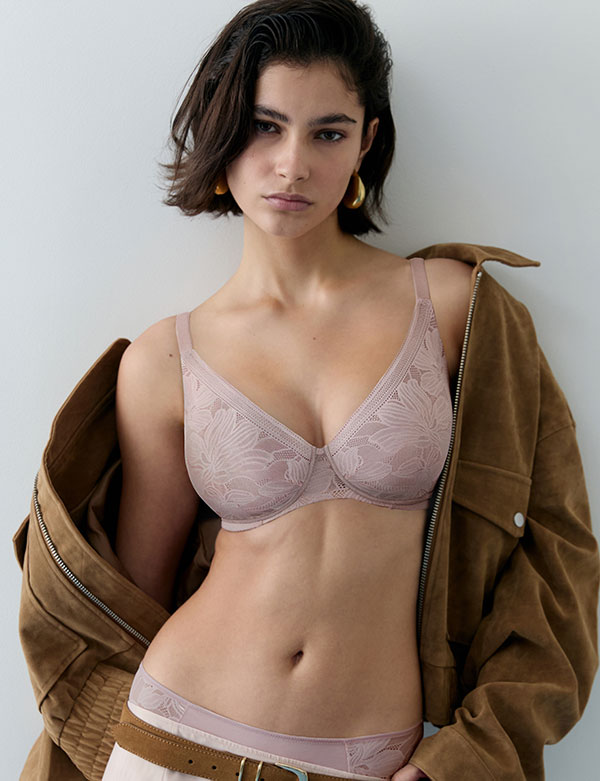
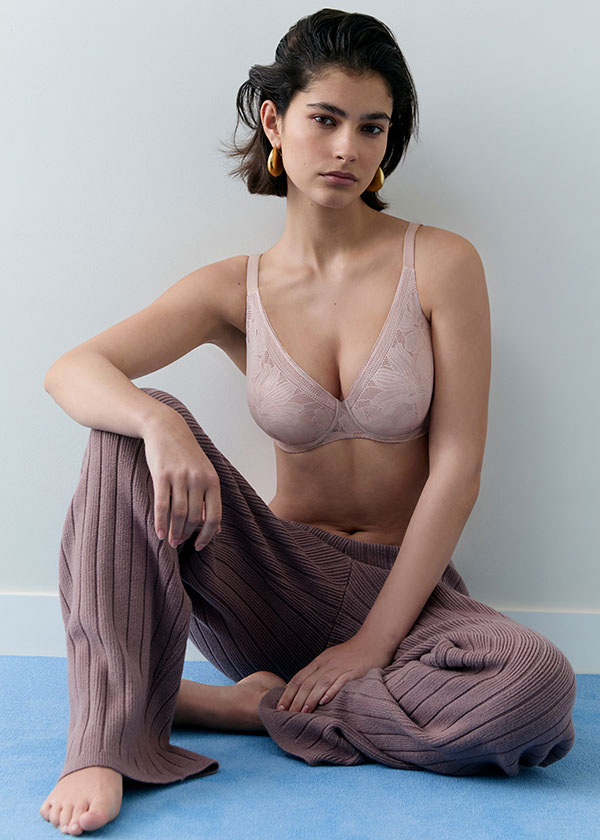
For consumers who prefer the traditional support of an underwire, the Osmose Plunge Unlined Underwire Bra offers a sophisticated hybrid. Designed for sizes 32-42 and B-H cups, this garment is built upon the same chassis as the "Norah" Comfort Underwire Bra, a staple in the Chantelle catalog known for its stability.
However, the Osmose iteration introduces a seamed creation that allows for a much more open, plunging neckline. By utilizing high-tension mesh and strategic seaming, the bra maintains exceptional security for larger busts while providing a sultry, airy presentation. This move toward unlined, airy designs for H-cup sizes reflects a broader industry trend away from heavy padding and toward celebrating the natural form through technical textiles.
Chronology of Innovation: Chantelle’s Evolution in Intimate Apparel
To understand the significance of the Osmose launch, it is necessary to examine Chantelle’s historical trajectory. Founded in 1876, the company rose to prominence by pioneering the use of elastic fabrics in corsetry. This heritage of material science has remained a constant throughout the company’s nearly 150-year history.
- 1876 – 1950s: Chantelle establishes itself as a leader in elasticized fabrics, moving the industry away from whalebone and steel toward more flexible silhouettes.
- 1960s – 1980s: The brand expands into the modern bra market, focusing on "French Style" combined with rigorous fit standards.
- 2010s: The introduction of the "Norah" and "Everyday Lace" collections sets a new benchmark for comfort-driven support, utilizing softer laces and more ergonomic underwires.
- 2024 – Present: The launch of the Osmose Collection signifies a move toward "weightless engineering," where the focus shifts from the garment as a separate entity to the garment as a seamless extension of the body.
The Osmose Collection is the culmination of this timeline, representing a shift from "corrective" lingerie to "adaptive" lingerie.
Market Analysis and Industry Implications
The release of the Osmose Collection comes at a time when the global lingerie market is undergoing a significant transformation. According to industry data, the global intimate apparel market is projected to reach a valuation of over $94 billion by 2032, with a Compound Annual Growth Rate (CAGR) of approximately 4.5%. A primary driver of this growth is the increasing consumer demand for "athleisure-inspired" comfort in everyday clothing.
Consumers are increasingly rejecting garments that cause physical discomfort or leave marks on the skin. This has led to a surge in the popularity of wireless bras and unlined cups. However, for the full-bust segment (D-cup and above), the challenge has always been providing enough lift without the bulk. Chantelle’s use of galoon mesh and molded spacer fabrics in the Osmose line addresses this specific market gap.
Furthermore, the "raw edge" technology used in the collection aligns with the rising demand for "invisible" lingerie. As fashion trends lean toward thin, jersey-knit fabrics and form-fitting silhouettes, the presence of visible bra lines (VBL) has become a major consumer pain point. By eliminating traditional thick binding and using laser-cut or raw edges, Chantelle is positioning Osmose as a solution for the modern wardrobe.
Technical Specifications and Material Science
The success of the Osmose Collection rests largely on its material composition. Galoon mesh, a key component of the line, is a type of lace produced on a Galloon machine that allows for intricate patterns and varying levels of elasticity within the same piece of fabric. In the Osmose line, this mesh is engineered to be high-recovery, meaning it maintains its shape even after repeated wear and washing.
The "Spacer" fabric used in the wireless option is a 3D knit consisting of two layers of fabric joined by a spacer yarn. This creates a "cushion" effect that is breathable and lightweight, unlike traditional foam padding which can be heat-retentive and heavy. This focus on breathability is particularly relevant for daily utility, as it enhances wearer comfort across different climates and activity levels.
Inferred Industry Reactions and Consumer Reception
While official retail performance data for the Osmose Collection is still being gathered, initial reactions from lingerie specialists and fit experts suggest a positive reception. Industry analysts note that Chantelle’s ability to offer B-H sizing in a plunge silhouette is a significant competitive advantage.
"The challenge with unlined plunge bras for larger cup sizes has always been the ‘spill-over’ effect," notes one industry observer. "By basing the Osmose Plunge on the Norah chassis, Chantelle is utilizing a proven architecture to solve a common fit issue, likely leading to high consumer trust and lower return rates for retailers."
Retailers have also highlighted the collection’s "easy fit" pillar as a key selling point. In an era where online shopping is prevalent, garments that offer a more forgiving fit—thanks to high-stretch meshes and adjustable banded bases—are more likely to succeed than those with rigid, uncompromising measurements.
Broader Impact on the Lingerie Landscape
The launch of the Osmose Collection by Chantelle serves as a benchmark for the future of technical lingerie. It underscores a move toward "Intelligent Craftsmanship," where the goal is no longer to hide the mechanics of support, but to refine them to the point of invisibility.
As other brands look to compete in the premium intimate apparel space, the emphasis on "osmosis"—the effortless flow between the body and the garment—is expected to become a standard design requirement. This shift reflects a broader cultural movement toward body positivity and functional fashion, where the garment serves the woman rather than requiring the woman to conform to the garment.
In conclusion, the Osmose Collection is not merely an addition to Chantelle’s seasonal offerings; it is a statement on the current state of garment technology. By successfully merging the technical requirements of full-bust support with the aesthetic desires for lightness and transparency, Chantelle has reinforced its position as a leader in the global intimate apparel industry. The collection proves that with the right materials and engineering, the barriers between function and beauty can indeed be dissolved.
