
 By admin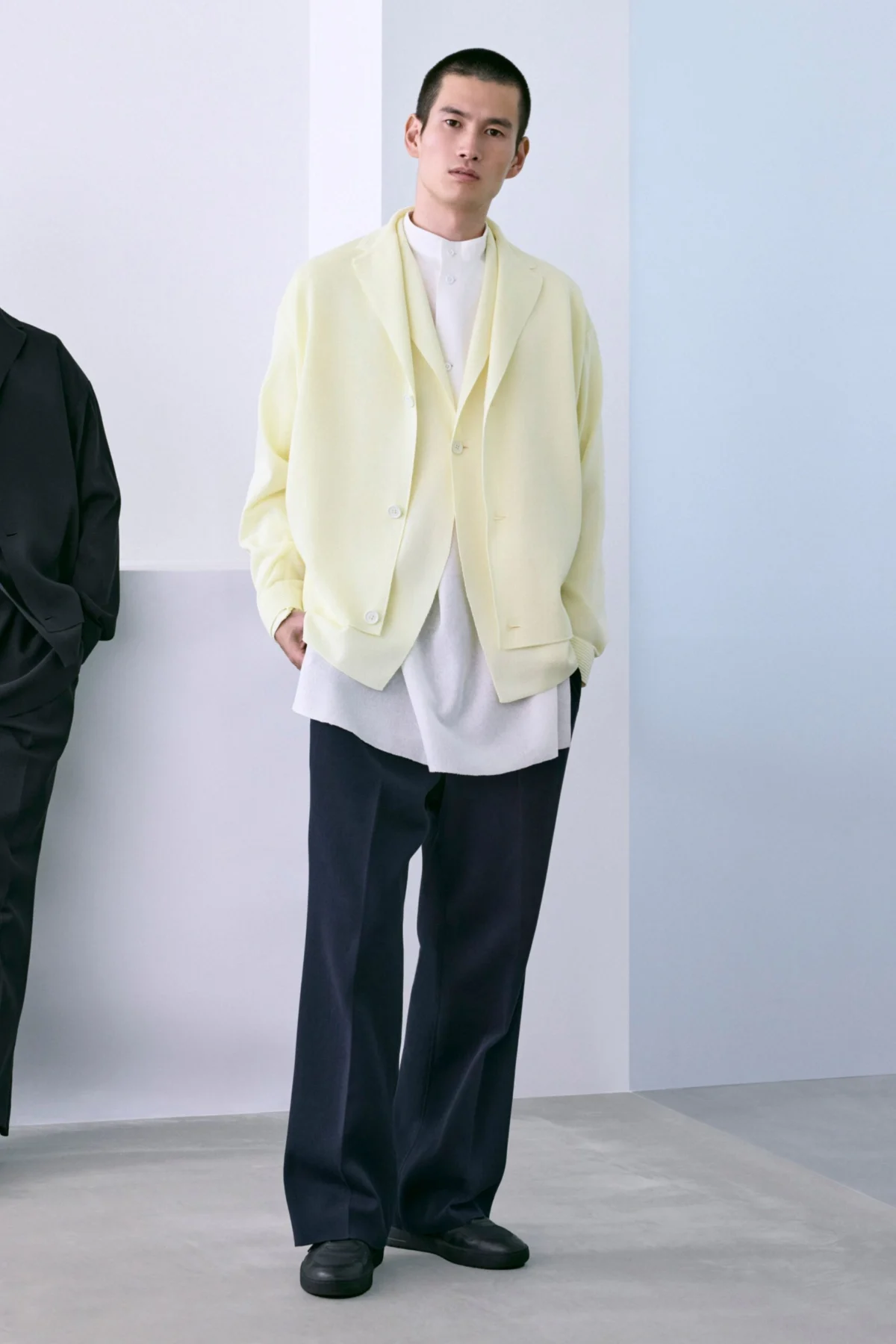
Yusuke Takahashi continues to solidify his distinct vision for CFCL’s menswear narrative, progressively introducing collections that resonate with a contemporary, younger demographic through a sophisticated blend of practicality, lightness, and an understated sense of playfulness. The Spring collection, a testament to this evolving philosophy, demonstrates a deliberate move towards infusing garments with energy and optimism, primarily through a refined use of color and advanced textile engineering. As Takahashi articulated in a recent video conference from CFCL’s Tokyo offices, "We wanted to use color for its energy and optimism, to give him a subtle edge." This statement encapsulates the core ethos driving the brand’s latest offering, which seeks to provide clothing that is not only functional and comfortable but also visually engaging and subtly distinctive.
Architectural Foundations: The Paimio Sanatorium’s Enduring Influence
A significant wellspring of inspiration for Takahashi’s Spring collection stems from the iconic Paimio Sanatorium, a monumental work completed in 1933 by the Finnish architectural and design luminaries Aino and Alvar Aalto. Located in southwestern Finland, this masterpiece of modernist architecture is celebrated for its groundbreaking human-centric design, which prioritized the well-being of its patients through meticulous attention to detail, material selection, and environmental integration. The sanatorium’s asymmetrical, pinwheel-style structure was revolutionary for its time, designed to optimize natural light and airflow, crucial elements for tuberculosis recovery. More profoundly, the Aaltos ingeniously employed light quality and directionality as a functional tool, shaping patient experience and healing environments. They also pioneered the use of color within architectural spaces decades before the concept of "color therapy" gained widespread recognition, utilizing specific hues to influence mood, orient patients, and define functional zones within the building. For instance, the ceilings of patient rooms were painted a soothing dark green to prevent glare, while hallways featured warmer, more inviting tones.
Takahashi’s decision to draw from the Paimio Sanatorium reflects CFCL’s commitment to thoughtful design that transcends fleeting trends. The architectural principles of the Aaltos—their emphasis on functionality, human comfort, innovative material use, and the subtle yet powerful impact of environmental elements like light and color—find a contemporary echo in CFCL’s menswear. This inspiration translates into garments that are not merely aesthetically pleasing but are engineered with a deep understanding of how they interact with the wearer and their environment. The concept of "functional light" and "therapeutic color" from the sanatorium subtly informs the collection’s transparent layering, the chosen color palette, and the overall sense of ease and well-being the clothes aim to impart.
Innovative Textiles and Design Execution for Spring
The Spring collection showcases CFCL’s continuous innovation in knitting techniques and material development, resulting in garments that are significantly lighter than previous collections, both visually and functionally. The color palette itself—soft hues of lilac and pale yellow—is directly inspired by the optimistic and gentle use of color at Paimio, designed to uplift and provide a "subtle edge" without being overtly flashy. These serene tones are not merely decorative; they are integral to the collection’s overall lightness and versatility.
A cornerstone of this season’s textile innovation is the introduction of the TC Shrink material. This advanced fabric utilizes two distinct knit structures, ingeniously combined to create tops that are simultaneously transparent and entirely appropriate for professional settings. The dual-knit construction allows for subtle layering of color, creating a depth and nuance that is both sophisticated and visually intriguing. This transparency is carefully managed to maintain decorum while offering a modern, airy feel, perfectly aligning with the collection’s emphasis on lightness and adaptability. The innovative knitting also contributes to the material’s unique texture and drape, enhancing the garment’s comfort and wearability.
Complementing the TC Shrink series is the TC Milan series, a further demonstration of CFCL’s commitment to sustainable practices and material science. This series is crafted from a blend of 70% traceable, organic Indian cotton and 30% recycled polyester. The choice of traceable organic cotton underscores the brand’s dedication to environmental responsibility and ethical sourcing, ensuring that the primary raw material is cultivated without harmful pesticides or synthetic fertilizers, and its origin can be verified. The inclusion of recycled polyester highlights CFCL’s efforts to minimize waste and reduce its ecological footprint by repurposing existing materials. Garments fashioned from the TC Milan series, such as jackets and cardigans, defy conventional expectations. They possess an "office-crisp" appearance, suggesting structure and formality, yet are remarkably light—as weightless as a shirt. This characteristic makes them ideal for easy layering, allowing wearers to adapt their outfits to varying temperatures and occasions without compromising on style or comfort.
Specific pieces within the collection further illustrate Takahashi’s meticulous design approach. A collared blue cardigan jacket and a gray-tone blazer incorporate subtle textural motifs, adding depth and tactile interest without overwhelming the garment’s clean lines. These textures are achieved through sophisticated knitting patterns that mimic traditional woven fabrics but retain the inherent flexibility and comfort of knitwear. A particularly innovative design element is seen in certain jackets that present a conventional, "all business" facade in the front, while revealing a more transparent construction in the back. This playful yet sophisticated contrast embodies the collection’s "fun" aspect, offering an unexpected twist that challenges conventional notions of formal wear.
Takahashi also highlighted the brand’s ongoing effort to innovate in fabric care and practicality. "We’re trying to imitate wool fabrics but keep it washable," he noted, addressing a common consumer desire for high-quality garments that are easy to maintain. This focus on washability, coupled with the desire to avoid an overly "street" aesthetic, positions CFCL squarely in the realm of elevated, intelligent design that caters to a discerning consumer seeking both luxury and longevity. The brand’s ability to create knitwear that mimics the drape and hand-feel of traditional wool, yet offers the convenience of machine washability, represents a significant advancement in textile engineering and a direct response to modern lifestyle demands.
CFCL’s Rapid Ascent and Global Ambitions
CFCL’s trajectory since its inception has been nothing short of remarkable. Having only recently celebrated its fifth anniversary, the brand has swiftly carved out a distinct niche in the competitive fashion landscape, garnering critical acclaim and a growing global following. This rapid success is a clear indicator that CFCL’s "recipe," centered on innovative materials, thoughtful design, and a clear brand philosophy, is resonating deeply with contemporary consumers.
The brand’s strategic expansion plans underscore its ambition and growing market influence. Next year, CFCL is slated to open a new retail presence in Korea, a market renowned for its dynamic fashion scene, sophisticated consumers, and early adoption of emerging trends. This move is particularly significant given Korea’s role as a major hub for luxury and contemporary fashion in Asia. Following this, Bangkok is firmly on CFCL’s radar, signaling a strategic foray into Southeast Asia, a region characterized by a burgeoning middle class and increasing demand for premium fashion. These expansions are not merely about increasing sales; they represent a deliberate effort to establish CFCL as a truly global brand, accessible to diverse markets.
Perhaps one of the most significant indicators of CFCL’s growing prestige and acceptance within the upper echelons of global luxury retail is its planned entry into Le Bon Marché in Paris. Le Bon Marché, one of the world’s oldest and most esteemed department stores, is synonymous with luxury, curated selections, and an unparalleled shopping experience. Securing a presence in such an iconic Parisian institution is a powerful testament to CFCL’s design integrity, commercial viability, and its ability to stand alongside established luxury brands. This move will undoubtedly elevate CFCL’s international profile and introduce its unique aesthetic to a discerning European clientele.
Beyond physical retail expansion, CFCL is also embarking on a significant intellectual and brand-building initiative. Come September, the brand will publish its first book with Rizzoli International, a publishing house celebrated for its exquisite art, architecture, and fashion titles. This collaboration is a profound statement about CFCL’s artistic and intellectual gravitas. The book is intended to comprehensively illustrate the brand’s philosophy, its meticulous approach to design, and its evolving vision of clothing. It will serve as an invaluable resource for understanding the creative underpinnings of CFCL, from its material innovations to its architectural inspirations and its commitment to sustainability. Publishing with Rizzoli is not merely a marketing endeavor; it is an affirmation of CFCL’s status as a significant voice in contemporary design, solidifying its legacy and offering a deeper insight into its unique perspective.
Broader Implications: Sustainability, Innovation, and the Future of Menswear
CFCL’s success and strategic direction have broader implications for the fashion industry, particularly in the realms of sustainability, textile innovation, and the evolving landscape of menswear.
Sustainability as a Core Tenet: The brand’s unwavering commitment to materials like traceable organic cotton and recycled polyester, exemplified by the TC Milan series, positions it as a leader in the sustainable fashion movement. In an era where consumers are increasingly scrutinizing the environmental and ethical practices of brands, CFCL’s transparent approach to sourcing and material development provides a compelling model. This commitment is not merely a marketing ploy but is woven into the very fabric of its design process, demonstrating that luxury, innovation, and environmental responsibility can coexist harmoniously. The detailed explanation of its material choices, such as "70% traceable, organic Indian cotton and 30% recycled polyester," offers a level of transparency that many brands are still striving to achieve, building trust and loyalty among environmentally conscious consumers.
Textile Innovation as a Driving Force: CFCL’s relentless pursuit of innovative knitting techniques and material science is pushing the boundaries of what is possible in contemporary apparel. The TC Shrink material, with its dual-knit structure offering transparent yet work-appropriate tops, and the ability to imitate wool fabrics while ensuring washability, highlights a dedication to both aesthetic appeal and practical functionality. These innovations address key consumer demands: comfort, versatility, durability, and ease of care. By creating garments that are lightweight, adaptable for layering, and low-maintenance, CFCL is setting new benchmarks for intelligent design that truly enhances the wearer’s experience.
Reshaping Menswear Narratives: Yusuke Takahashi’s vision for CFCL menswear is actively contributing to a redefinition of what contemporary menswear can be. By moving away from overly rigid formalwear and overtly "street" aesthetics, CFCL occupies a sophisticated middle ground. The emphasis on subtle edges, optimistic colors, and comfortable yet polished silhouettes speaks to a modern man who values personal expression, versatility, and conscious consumption. The brand’s designs blur the lines between casual and formal, professional and relaxed, offering a wardrobe that is adaptable to diverse lifestyles and occasions. This approach resonates with a younger generation of consumers who prioritize authenticity, individual style, and clothing that serves multiple purposes without sacrificing quality or design integrity. CFCL is not just creating clothes; it is shaping a new sensibility in menswear, one that prioritizes thoughtful design, responsible production, and an understated elegance that feels profoundly modern.
In conclusion, CFCL’s Spring collection, deeply rooted in the architectural wisdom of Aino and Alvar Aalto’s Paimio Sanatorium, represents a significant step forward in Yusuke Takahashi’s vision for menswear. Through innovative textile development, a refined color palette, and a clear commitment to sustainability, the brand is crafting garments that are both practical and profoundly expressive. Coupled with ambitious global expansion plans and a forthcoming Rizzoli publication, CFCL is firmly establishing itself as a pivotal force in the global fashion industry, poised to influence both design aesthetics and production methodologies for years to come.
