
 By admin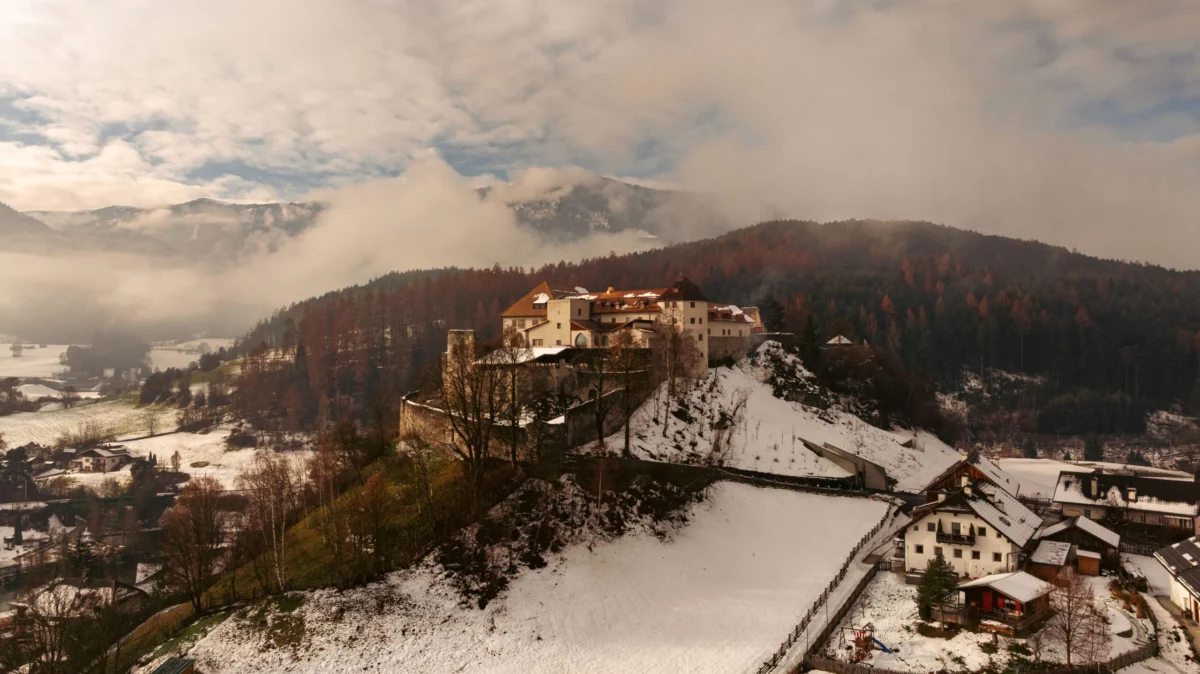
Nestled high above the serene Pusteria Valley in the heart of the Italian Dolomites, Castel Badia has embarked on its latest, most ambitious chapter, reopening its venerable doors as a premier luxury hotel. This transformation marks a significant moment in regional hospitality, blending centuries of rich history—from a medieval fortress and Benedictine convent to a modern sanctuary of wellness and gourmet dining—with a sophisticated contemporary design ethos. The meticulous restoration, spearheaded by prominent figures in the Italian hospitality sector, positions Castel Badia as a unique destination where the past is not merely preserved but dynamically reinterpreted for the discerning traveler.
A Tapestry of Centuries: Castel Badia’s Enduring Legacy
The history of Castel Badia is a profound narrative etched into the very stone of the Dolomites. Its origins trace back to approximately 1000 AD, when it first stood as a formidable medieval fortress, strategically positioned to command the Pusteria Valley. In an era marked by shifting allegiances and territorial disputes, such strongholds were vital centers of power, often serving as seats of local justice and administration. The architectural remnants from this period, including robust defensive structures and early frescoes, hint at its foundational role in the regional landscape.

However, the castle’s most enduring legacy began with its conversion into a Benedictine convent. For an astonishing 800 years, from the 11th century until its dissolution in 1785, Castel Badia functioned as a spiritual haven. The Benedictine nuns who inhabited it were not typical recluses; many were unmarried noblewomen, bringing with them a degree of social standing and intellectual curiosity. This unique characteristic fostered a convent that was deeply intertwined with the local community, engaging in education and cultural exchange in ways that were remarkably progressive for its time. They meticulously tended to extensive gardens, cultivating herbs and flowers—a practice that visitors can still engage in today, forging a tangible link to the past.
Throughout its monastic history, two powerful abbesses stand out for their leadership and vision. Maria Antonietta Mörlin, whose signature "M.A.M." remains etched into various castle walls, exemplified a dedication to the convent’s physical and spiritual upkeep. Later, Verena von Steuben emerged as a formidable figure, known for her fierce resistance to monastic reforms imposed by the bishopric. Both abbesses championed education and maintained a strong engagement with the local populace, often clashing with ecclesiastical authorities over their forward-thinking approaches. Historical accounts even recount instances of burning candles being launched across convent walls during particularly heated disputes with the local parish priest, underscoring the spirited independence of these women.
The convent’s long tenure eventually drew to a dramatic close. Following a devastating fire that ravaged parts of the castle and a subsequent excommunication, the Benedictine order was dissolved in 1785. This marked the end of an era, plunging the ancient structure into a period of uncertainty and decline. For the next two centuries, Castel Badia endured various incarnations, including a short stint as a military hospital and later an almshouse, before a prolonged period of "ice-laden ruin" left it largely derelict. This interregnum saw the castle slowly succumb to the elements, its grandeur fading, yet its historical resonance remained palpable.

The Dawn of a New Era: A Vision for Luxury Hospitality
The first stirrings of a new life for Castel Badia as a hospitality destination began in 1971 when it was initially converted into a hotel. While this represented a significant departure from its past, it was not until December last year that the castle truly ascended to its current iteration as a beacon of luxury. This latest transformation is the result of a collaborative vision, bringing together the Gasser family, Kronplatz Holding, and the acclaimed hotelier Aldo Melpignano.
Melpignano, a titan in the Italian hospitality industry, is renowned for his innovative approach and his ability to craft opulent yet intimate experiences. A self-professed student of boutique hotel originator Ian Schrager, Melpignano has cultivated a legacy through properties that consistently redefine luxury. His portfolio includes the celebrated Borgo Egnazia, a Puglian village retreat favored by international celebrities like Dua Lipa and Madonna, and the exquisite San Domenico House in London. His involvement in Castel Badia signals a commitment to elevating the property to the highest echelons of global luxury, marrying historical authenticity with contemporary comforts and impeccable service. The partnership with the Gasser family and Kronplatz Holding, deeply rooted in the region, ensures a profound understanding of local heritage and a dedication to sustainable, community-integrated development.
Architectural Heritage Meets Contemporary Alpine Design
The extensive renovations at Castel Badia were a delicate balancing act: preserving the castle’s profound historical fabric while integrating the demands of modern luxury. This ambitious undertaking was led by Null17, a local architecture collective celebrated for its sensitive evolution of traditional structures. Their work at Castel Badia involved close collaboration with archaeologists, ensuring that every intervention respected and highlighted the castle’s ancient layers. This rigorous approach led to the careful preservation of classical frescos, the distinctive sloping medieval bifore windows, and the crypt with its imposing Christ figure, allowing these historical elements to breathe within the newly designed spaces.

To infuse warmth and contemporary Alpine design notes into what could otherwise feel austere, Null17 partnered with two prominent design entities: Milan-based studio Droulers, founded by the chic twin sisters Nathalie and Virginie Droulers, and interior designer Marta Ferri. Their collective vision focused on creating an ambiance that is both sophisticated and deeply rooted in its surroundings. The result is a harmonious blend of historical reverence and modern comfort.
The design ethos permeates the 28 bedrooms and the standalone chalet, each a testament to understated luxury. Washed white stone walls provide a serene backdrop, complemented by warm, low lighting that enhances the historical textures. Timber rafters and mullion windows frame breathtaking views of the undulating hills outside, inviting the surrounding landscape indoors. The color palettes are drawn from nature: muted golds, soft grass greens, creamy linens, and rich oxblood accents create a sense of calm and elegance.
Crucially, the design champions local sourcing and craftsmanship. Wood and stone used in the renovation were responsibly harvested from the forests below the castle, reinforcing a connection to the environment. Objects from local artisans, such as thick plaid bed throws and chunky curtains, add bespoke touches. The nearby Moessmer textile factory, renowned for its Tyrolean loden fabric used in traditional coats and capes, was commissioned to create upholstery fabrics for the property, ensuring that the essence of South Tyrolean craftsmanship is woven into the very fabric of Castel Badia. The accommodation, such as a "Splendida" suite, offers tranquil views over the rose garden and the restored Romanesque chapel, providing a sense of timeless peace. Modern amenities like wall-mounted televisions and walk-in monsoon showers are seamlessly integrated, offering contemporary convenience without detracting from the historic ambiance.

A Culinary Journey Through the South Tyrolean Landscape
The culinary experience at Castel Badia is a vibrant reflection of its geographical and cultural context, described as being both "dictated and liberated" by the valleys and the surrounding South Tyrol region. This unique position, at the crossroads of Italian and Austrian influences, gives rise to a distinctive "modern-minded mountain food" philosophy, meticulously crafted by Veneto-born chef Alberto Toè. His cuisine is sustenance-giving yet never heavy, emphasizing fresh, local ingredients and refined techniques.
Every evening, under the watchful gaze of gilded cherubs adorning the walls of the Stube Badia—a traditional Tyrolean dining room offering panoramic valley views—guests embark on a gastronomic journey. Chef Toè’s menu features regional delicacies such as canederli dumplings, plump with speck and dusted with fresh chives, a hearty venison goulash served on a velvety wave of polenta, and buckwheat spätzle enriched with succulent prawns and cherry tomatoes. These dishes are not merely meals; they are expressions of the region’s culinary heritage, updated with a contemporary sensibility.
A constant tablemate is Schüttelbrot, a hard, crunchy bread scattered with fennel and caraway. This staple, deeply rooted in South Tyrolean tradition, was historically made to nourish residents through harsh, high-altitude winters. Guests are encouraged to pile it with local speck or let it soak in olive oil, savoring its unique texture and flavor. Its presence on the table is a subtle reminder of the region’s enduring resilience and resourcefulness.

The wine program, curated by the formidable sommelier Anika, is a journey in itself. Anika guides guests through the menu each night, fearlessly pushing them to explore new and ambitious pairings. Her selection spans from small, natural wine producers like Pranzegg, located nearby, to acclaimed vintages from further afield, always with a considered approach. On a final night, Anika’s surprise recommendation of an Alpine Wagyu steak from the Ritten-based Wagyu Südtirol highlights the region’s hidden culinary gems. This highly exclusive beef, sourced from only 50 to 80 cattle raised annually, is paired with a "heaven-sent truffle-y Barolo" from the castle’s extensive, region-traversing wine cellar, providing a memorable crescendo to the dining experience. The evening concludes with classic Alpine desserts like a hulking apple strudel and a rotation of homemade ice creams, ensuring a sweet, satisfying end.
Breakfast at the Stube Badia is equally enticing, challenging even the most satiated guest to resist its sweet and savory tableau. Blueberry-loaded Moosbeernocken and more Schüttelbrot, accompanied by speck-draped eggs, offer a robust start to a day of exploration, perfectly encapsulating the hearty, wholesome spirit of the Dolomites.
Wellness and Exploration: The Dolomites at Your Doorstep
The inner nucleus of Castel Badia’s modern offering is its meticulously designed spa, a sanctuary carved directly into the ancient rock. This wellness haven features a floor-to-ceiling glass solarium that offers expansive panoramic views of the surrounding valley, allowing guests to immerse themselves in the pastoral tableau. Mornings can be spent savoring mint tea, brewed from herbs foraged in the labyrinthine gardens below, from a comfortable lounger. In the evenings, the solarium transforms into a serene space to watch daylight gracefully dissolve behind the valley’s fir trees, perhaps with a book and a glass of robust local Lagrein wine.

Further within the spa, past its subterranean pool, a warren of luxurious facilities unfolds. Guests can indulge in marble-slabbed hammams, invigorating saunas, an ice-shower for thermal contrast, and one of the most impressively equipped gym facilities imaginable. The juxtaposition of hitting personal best deadlifts in a space that once echoed with monastic prayers is a testament to Castel Badia’s unique blend of historical reverence and contemporary pursuit of well-being.
Beyond the castle walls, Castel Badia serves as an unparalleled gateway to the natural wonders and recreational opportunities of the Italian Dolomites. The property offers a wealth of tailored experiences, adaptable to the seasons. Early spring might see guests enjoying horse riding around the crystalline Lake Dobbiaco, its shores lined with snow-laden pines, or embarking on guided foraging tours through the castle gardens with local experts.
For winter sports enthusiasts, Castel Badia boasts prime access to the Dolomiti Superski area, widely recognized as the largest ski circuit in the world, connecting an astounding 1,200 kilometers of meticulously groomed pistes. While the current guest might choose not to ski, the team can arrange a memorable lunch over 2,000 meters up at AlpiNN by Norbert Niederkofler. Niederkofler, a three-Michelin-star chef, is celebrated for his "cook the mountain" philosophy, emphasizing sustainable, locally sourced cuisine. The same building also houses Lumen, a captivating museum of mountain photography, offering a cultural interlude before descending via cable cars. Other seasonal offerings range from bread making with local farmers, providing an authentic taste of Ladin life, to breathtaking hot air balloon rides over the dramatic peaks.

Implications and Future Outlook
Castel Badia’s renaissance is more than just the opening of another luxury hotel; it represents a significant development in the broader landscape of high-end tourism in the Dolomites and South Tyrol. By meticulously preserving its historical integrity while simultaneously integrating cutting-edge design, culinary excellence, and comprehensive wellness offerings, Castel Badia sets a new benchmark for experiential hospitality. This approach caters to a growing demographic of luxury travelers who seek not just comfort, but also authentic cultural immersion, historical resonance, and a deep connection to nature.
The project carries substantial economic and cultural implications for the region. The extensive renovation and ongoing operation generate significant local employment, from hospitality staff to artisans and suppliers. The commitment to sourcing local materials and ingredients supports regional economies and promotes sustainable practices. Furthermore, by breathing new life into a historically significant landmark, Castel Badia plays a crucial role in preserving regional heritage and promoting Ladin culture to an international audience. The integration of local craftsmanship, culinary traditions, and historical narratives ensures that the hotel is not merely a transient destination but an active participant in the cultural ecosystem of the Dolomites.
In essence, Castel Badia embodies a philosophy of "reverence without nostalgia or sentimentality." It wears its centuries lightly, embracing its past as a foundation upon which to build a compelling kind of contemporary luxury. This blend of the ancient and the modern, the austere and the indulgent, allows Castel Badia to offer an experience that is deeply rooted in history yet entirely forward-looking, subtly nudging the Tyrolean clouds and inviting guests to discover a unique dimension of Alpine splendor.
