
 By Nila Kartika Wati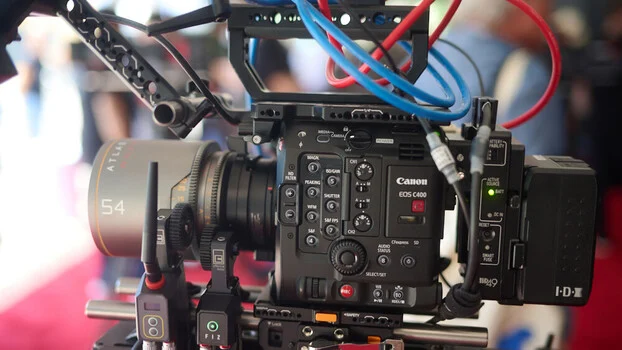
Canon has recently intensified its efforts in the filmmaking equipment sector, introducing a robust array of cameras designed to address the varied demands of modern content creators and professional cinematographers. This strategic expansion was prominently showcased at a recent industry event, underscoring Canon’s commitment to providing versatile tools across the entire spectrum of video production. The company’s updated product line reflects a keen understanding of evolving industry trends, from the burgeoning social media content market to the rigorous requirements of large-scale cinematic productions.
Canon’s Strategic Evolution in the Cinema Market
Canon’s journey in professional video production has been marked by continuous innovation, evolving from its early success in broadcast and DSLR video to its dedicated Cinema EOS line. The introduction of cameras like the C300 in 2011 was a watershed moment, solidifying Canon’s position in the digital cinema landscape with its renowned color science and ergonomic design. Over the years, Canon has consistently refined its offerings, introducing a blend of dedicated cinema cameras and hybrid mirrorless systems that bridge the gap between still photography and motion capture. Products such as the C200 gained a reputation as versatile workhorses for their balance of features and accessibility, while the R5 C further pushed the boundaries of what a mirrorless hybrid could achieve in video, offering high-resolution internal RAW recording capabilities. This historical trajectory sets the stage for the current lineup, which aims to segment the market more distinctly while offering cross-pollination of key technologies. The focus remains on delivering reliable performance, intuitive operation, and the distinct Canon aesthetic that many filmmakers have come to appreciate.
The Context: Cine Gear Expo and Industry Trends
The recent Cine Gear Expo served as a pivotal platform for Canon to articulate its updated vision for the filmmaking community. Cine Gear Expo, an annual trade show held in Los Angeles, is a premier event where professionals in the film, video, and digital imaging industries gather to explore the latest technology, network, and attend educational seminars. It is a critical barometer for industry trends and a prime opportunity for manufacturers to unveil or highlight their newest innovations. Canon’s significant presence at the expo, including dedicated demonstrations and product rundowns, signals a renewed push in a highly competitive market dominated by players like Sony, ARRI, and RED. The emphasis on filmmaking-centric features across its new range aligns with broader industry trends, including the increasing demand for cameras that offer robust internal recording, advanced autofocus systems, flexible connectivity, and enhanced low-light performance, all while maintaining manageable form factors. The rise of hybrid workflows, where a single camera might be used for both high-quality stills and cinematic video, also heavily influences Canon’s product development, particularly in its mirrorless R-series.
Navigating Canon’s Filmmaking Ecosystem: A Detailed Analysis
Canon’s current cinema and video-centric camera lineup is meticulously structured to cater to distinct user profiles and production budgets. From highly portable mirrorless options designed for solo creators to robust box-style cinema cameras built for demanding multi-crew productions, Canon offers a progressive pathway for filmmakers to scale their tools as their projects grow in complexity and scope. The following analysis examines key models, moving from more accessible hybrid options to professional-grade cinema cameras, detailing their specifications, target applications, and competitive advantages. This approach aims to highlight the differentiators that inform purchasing decisions in a crowded market.
The Hybrid Entry Point: EOS R6 V and R6 III
At the more accessible end of Canon’s video-focused offerings are the EOS R6 V and the EOS R6 III. While not strictly part of the dedicated Cinema EOS line, these mirrorless cameras represent Canon’s strong commitment to empowering content creators and hybrid shooters with powerful video capabilities derived from their photographic heritage.
Canon EOS R6 V – $2,499
The Canon EOS R6 V emerges as the newest contender in the compact, video-centric mirrorless market. Priced at $2,499, this camera is specifically engineered for content creators who prioritize portability and dedicated video features. Its design, reminiscent of popular models like Sony’s ZV-E1 or FX3, features a fully articulated LCD screen, which is invaluable for vlogging and self-shooting scenarios. Notably, the R6 V foregoes a built-in electronic viewfinder (EVF) and a mechanical shutter, a design choice that underscores its primary orientation towards video recording and contributes to its compact dimensions and lighter weight.
Under the hood, the EOS R6 V is expected to feature a full-frame sensor capable of recording high-resolution video, likely up to 4K at various frame rates, with advanced internal codecs. Canon’s renowned Dual Pixel CMOS AF II system is a key asset, offering highly accurate and reliable autofocus for both human subjects and objects, which is crucial for dynamic video content. Connectivity typically includes HDMI output, microphone input, and headphone jack, catering to basic audio and monitoring needs. Its small footprint and lightweight construction make it an ideal tool for travel vlogs, social media content, and run-and-gun documentary style shooting where discretion and agility are paramount. While the absence of a mechanical shutter might deter photographers specializing in fast-moving subjects or specific lighting conditions, its electronic shutter provides silent operation, beneficial in sensitive recording environments. Canon aims for the R6 V to be a compelling choice for aspiring filmmakers and established content creators seeking a dedicated video tool that doesn’t compromise on image quality or portability.
Canon EOS R6 III – $2,799
Positioned as a close alternative to the R6 V, the Canon EOS R6 III, priced at $2,799, offers a compelling package for hybrid shooters who require robust still photography capabilities alongside their video work. While sharing many core video specifications with the R6 V, including similar recording options and the powerful Dual Pixel CMOS AF II, the R6 III integrates a crucial element for many professional workflows: a built-in electronic viewfinder (EVF). This addition, while adding a marginal 9 grams to the camera’s weight, significantly enhances usability for both still photography and video, particularly in bright outdoor conditions where an LCD screen can be challenging to view.
For photographers, the R6 III’s inclusion of a mechanical shutter is a substantial advantage. This allows for precise control over exposure and motion blur, critical for flash photography and capturing fast action without the rolling shutter artifacts sometimes associated with electronic shutters. For filmmakers, an integrated EVF negates the need for external rigging solutions, simplifying setups and reducing overall cost and bulk, a significant benefit for single operators or those working with minimal crew. The cost difference of $300 between the R6 V and R6 III is often justified by the value of a built-in EVF, which, if purchased externally, can easily exceed this amount. The R6 III, therefore, targets a user base that demands versatility, offering a seamless transition between high-quality stills and cinematic video production without the compromises of a purely video-centric or stills-centric design. Canon positions the R6 III as the more rounded choice for professionals juggling both disciplines.
Stepping into Dedicated Cinema: The EOS C50
Transitioning from the hybrid mirrorless segment, the Canon EOS C50 marks the entry point into Canon’s dedicated Cinema EOS line. Priced at $3,899, the C50 distills many of the advanced features found in its higher-end siblings into a more compact and approachable form factor, bridging the gap between mirrorless cameras and more traditional cinema camera bodies. Its design occupies a unique space, offering improved ergonomics and riggability compared to mirrorless systems, yet remaining more portable than deeper box-style cameras.
The C50 boasts a full-frame sensor, delivering impressive image quality and dynamic range, ideal for cinematic applications. It supports resolutions and frame rates suitable for professional productions, including various 4K options. A standout feature for professional workflows is the dedicated timecode port, an absolute requirement for multi-camera shoots and seamless post-production synchronization. The camera also incorporates a dual base ISO system (800 and 6400), providing exceptional low-light performance and flexibility in varied lighting conditions. For audio, the C50 comes equipped with a top handle that includes dual XLR audio inputs, ensuring professional-grade sound capture. Anamorphic desqueeze support is another critical addition, enabling filmmakers to utilize anamorphic lenses for a distinctive cinematic look without external monitoring solutions. While the C50 does not feature in-body image stabilization (IBIS), a common characteristic in dedicated cinema cameras where lens stabilization or external stabilization systems are preferred, this design choice contributes to a more stable sensor plane and often higher image fidelity. Furthermore, its unique simultaneous crop recording feature, allowing for concurrent vertical and horizontal footage capture to separate cards, addresses the growing demand for optimized content across diverse social media platforms. Canon envisions the C50 as the ideal camera for independent filmmakers, documentary crews, and production houses focused on social-first content, offering robust cinema-grade features in a highly adaptable package.
Bridging Professional Workflows: The EOS C80
Building upon the foundation laid by the C50 and succeeding the popular C70, the Canon EOS C80, priced at $5,499, represents a significant step up in professional filmmaking capabilities. This camera is engineered for productions requiring enhanced durability, advanced connectivity, and greater operational flexibility. Its form factor is more robust than the C50, offering an all-in-one solution that integrates more professional-grade features directly into the body.
A key enhancement in the C80 is its triple base ISO system, featuring sensitivities at 800, 3200, and 12,800. This expanded range provides unparalleled adaptability in extreme low-light scenarios without introducing excessive noise, making it highly suitable for documentary, event, and run-and-gun shooting across diverse environments. Unlike the C50, which relies on a top handle for XLR inputs, the C80 integrates dual mini-XLR ports directly into the camera body, offering a more streamlined and secure audio setup. The camera’s base features a significantly more robust mounting plate, enhancing its compatibility with various rigging solutions and supporting heavier lens setups. Crucially for exterior shooting and maintaining optimal exposure, the C80 includes built-in ND filters, a feature indispensable for professional cinema cameras. Canon advertises an impressive 16 stops of dynamic range, ensuring rich detail retention in both highlights and shadows. The inclusion of an SDI port alongside the full-size HDMI output is a critical differentiator. On larger sets, SDI is the industry standard for sending video signals to monitors, video village, and focus puller systems, making the C80 a far more integrated tool for multi-crew productions. Its vertical mounting point, inherited from the C70, further underscores its utility for social media content creation, allowing for native vertical video capture. Canon positions the C80 as an indispensable tool for established filmmakers, corporate video producers, and television crews who demand versatility, advanced features, and professional connectivity without committing to the bulk and cost of higher-end box cameras.
The Apex of Production: The EOS C400
At the pinnacle of Canon’s current cinema camera lineup stands the EOS C400, a true box-style camera designed for the most demanding production scenarios. Priced at $8,799, the C400 is Canon’s most complete and feature-rich cinema camera, targeting high-end feature films, episodic television, and large-scale commercial productions where uncompromising performance and extensive integration capabilities are paramount.
The C400 features a full-frame sensor, capable of delivering stunning cinematic imagery with exceptional detail and Canon’s renowned color science. It supports a comprehensive array of recording formats, including internal Cinema RAW Light and various XF-AVC options, allowing for maximum flexibility in post-production. The camera’s robust, cube-like body is engineered for infinite riggability, covered in mounting points to accommodate a vast ecosystem of accessories, monitors, and stabilization systems. Power integration is seamless, with support for industry-standard third-party gold-mount or V-mount battery plates, ensuring extended run times on set. Connectivity is a major highlight, with multiple SDI ports (e.g., 12G-SDI, 3G-SDI), Genlock, Timecode I/O, and Ethernet ports, facilitating complex multi-camera setups, live broadcasting, and virtual production environments. The C400 also boasts built-in ND filters and a triple base ISO system (similar to the C80, with sensitivities around 800, 3200, and 12,800), providing extensive exposure control and superior low-light performance. Its two mini-XLR ports (or full-size XLRs depending on final specs, but mini-XLRs are common for compactness) ensure professional audio capture directly into the camera. The camera’s advanced autofocus system, often a refined version of Dual Pixel CMOS AF, is optimized for cinematic pulls and tracking. Canon explicitly designed the C400 to integrate seamlessly into full production crews, where sending simultaneous video feeds to various departments (e.g., video village, focus puller, director’s monitor) is standard practice. The C400 represents Canon’s unwavering commitment to the highest echelons of cinematic storytelling, offering a professional-grade tool ready for any production challenge.
Canon’s Vision: Addressing Diverse Production Demands
Canon’s recently expanded cinema camera lineup clearly illustrates a calculated strategy to address the full spectrum of filmmaking needs in today’s dynamic media landscape. From the compact, video-centric EOS R6 V, designed for solo content creators and vloggers, to the formidable EOS C400, engineered for high-end cinematic productions, the company has meticulously crafted a progression of tools. This tiered approach ensures that users can find a Canon camera that aligns with their specific workflow requirements, budget constraints, and creative aspirations. The underlying philosophy appears to be a blend of technological innovation and ergonomic design, prioritizing user experience and professional integration across all price points.
The core differentiator across these models largely revolves around form factor, the robustness of connectivity options, and the inclusion of advanced features like multiple base ISOs and professional audio/video ports. The hybrid R-series cameras offer unparalleled portability and dual-purpose utility for both stills and video. Moving into the dedicated Cinema EOS line, cameras like the C50 and C80 provide increasingly sophisticated professional features such as dedicated timecode, built-in ND filters, and SDI outputs, catering to small to medium-sized crews and productions with evolving technical demands. The C400, as the flagship, offers the most comprehensive suite of features, connectivity, and rigging capabilities, making it suitable for the most complex and demanding film sets. Canon’s consistent color science across the range, coupled with its reliable autofocus technology, ensures a cohesive workflow for filmmakers who might utilize different Canon cameras on a single project or as they progress in their careers.
Market Implications and Future Outlook
Canon’s refreshed cinema camera lineup carries significant implications for the competitive landscape of the professional video market. By offering a comprehensive range that spans from prosumer hybrids to high-end cinema cameras, Canon aims to strengthen its position against fierce rivals such as Sony, Blackmagic Design, Panasonic, and even ARRI and RED in their respective segments. The R6 V and R6 III directly challenge Sony’s popular ZV-E1 and FX3, emphasizing Canon’s strong autofocus and color science. The C50 and C80 are poised to compete vigorously with cameras like the Sony FX6 and Blackmagic Pocket Cinema Camera line, offering compelling alternatives for indie filmmakers and corporate production houses. The C400 positions Canon as a serious contender for higher-budget productions, potentially drawing users who might otherwise gravitate towards Sony’s Venice or ARRI’s Alexa Mini LF, by offering a compelling balance of features, performance, and the distinct Canon look.
The broader impact on the industry is likely to be a further democratization of high-quality filmmaking tools, as advanced features become available at more accessible price points. This trend empowers more creators to produce professional-grade content, fueling the demand for skilled cinematographers and technical support. As virtual production and LED volume stages become more prevalent, the robust connectivity and high dynamic range of cameras like the C400 will become increasingly vital. Canon’s continued investment in its full-frame sensor technology and internal RAW recording capabilities also reflects a commitment to future-proofing its offerings. The company’s strategy appears sound: to cultivate a loyal user base from the entry-level content creator and guide them through a progressive ecosystem of tools as their professional needs evolve. Only time will tell which of these cameras ultimately captures the hearts and minds of the filmmaking community, but Canon has certainly laid a strong foundation for continued relevance and innovation in the cinematic arts.
