
 By admin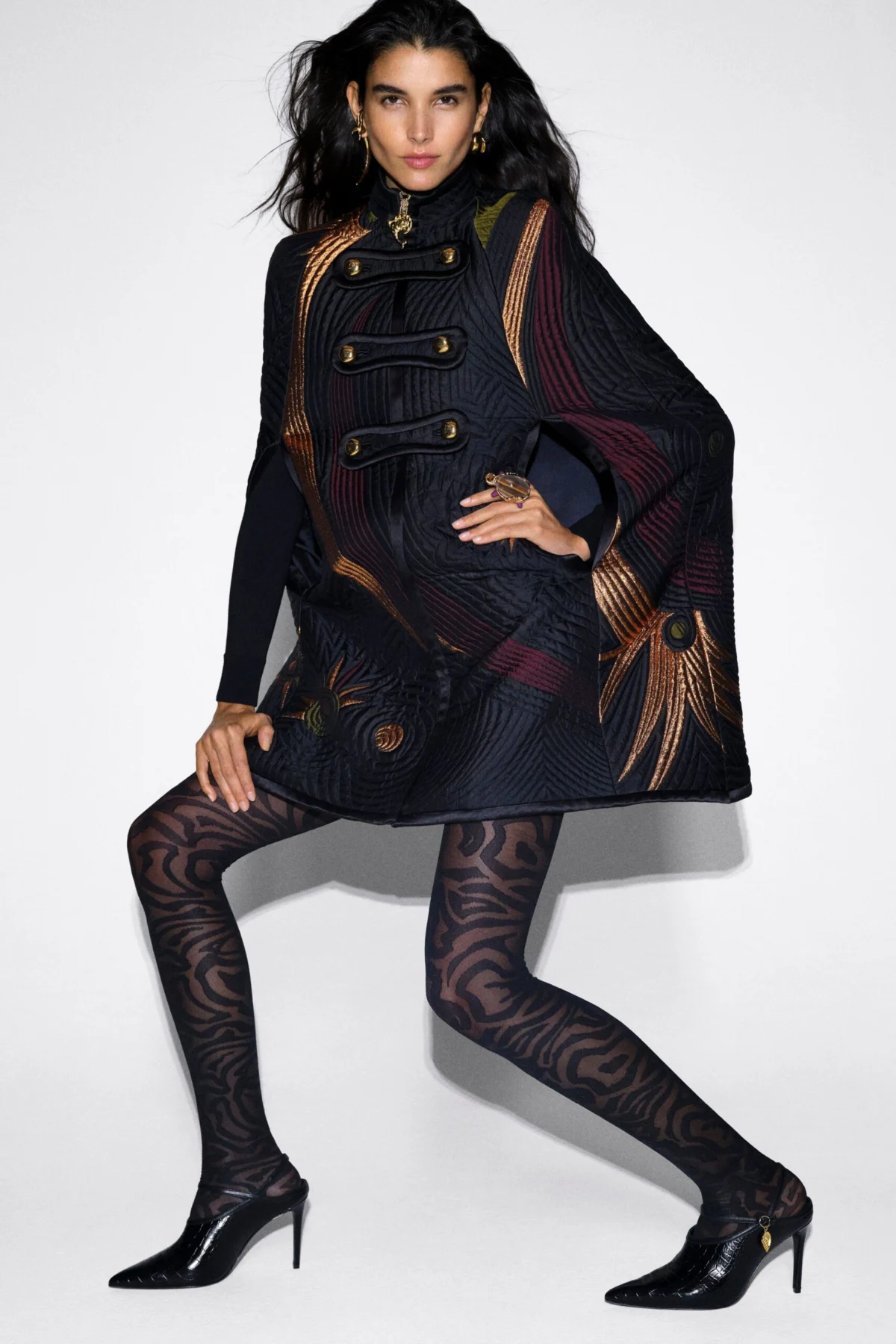
The latest collection from Pucci, under the creative direction of Camille Miceli, presents a compelling narrative that draws deeply from the rich tapestry of Italian heritage, specifically the iconic Palio di Siena. Moving beyond the brand’s widely recognized psychedelic 1970s aesthetic, Miceli has embarked on a journey to excavate other historical facets of Pucci’s Florentine exuberance, finding a surprisingly apt muse in the ancient, fiercely competitive bareback horse race held twice a year in Siena’s Piazza del Campo. This strategic pivot signifies a deliberate effort to broaden Pucci’s identity, evolving it from a celebrated print house into a comprehensive luxury fashion brand rooted in a more multifaceted Italian legacy.
The Palio di Siena: A Deep Dive into Inspiration
The Palio di Siena is far more than just a horse race; it is a profound cultural institution, a spectacle of medieval pageantry, and a visceral expression of Sienese identity that dates back to the 17th century, though its roots can be traced to medieval jousts and public games. Held on July 2nd (Palio di Provenzano) and August 16th (Palio dell’Assunta), the event sees ten of Siena’s seventeen Contrade (city wards, each with its own distinct emblem, colors, and historical allegiances) compete for a coveted silk banner, the "Drappellone." The race itself is a chaotic, three-lap dash around the Piazza del Campo, lasting mere seconds, but the surrounding days are filled with elaborate parades, historical costume displays, blessings of horses in local churches, and fervent celebrations or lamentations depending on the outcome.
The Contrade – such as Drago (Dragon), Lupa (She-Wolf), Oca (Goose), Istrice (Porcupine), and Tartuca (Tortoise) – are central to the Palio’s drama. Each has its own distinct heraldic animal, flag, and symbolic colors, passed down through generations. These symbols are not mere decorations; they represent deep-seated civic pride and rivalry, shaping the social fabric of Siena. The jockeys, riding bareback on horses specifically chosen for the race (known as Barberi), are often outsiders hired for their skill, but their victory becomes the Contrada’s glory. The raw energy, the historical weight, and the vivid visual language of the Palio provide an almost inexhaustible source of inspiration for a designer seeking to evoke drama, history, and a certain unbridled spirit.
Miceli’s connection to this world was forged through the meticulous exploration of the Siena Contrade archives. It was there she made a pivotal discovery: Emilio Pucci himself had, in earlier periods, drawn inspiration from the Palio’s rich iconography. This historical precedent provided a legitimate and resonant link, allowing Miceli to reinterpret these ancestral symbols not as a mere appropriation, but as a continuation of a latent, yet authentic, Pucci tradition. The animals and emblems of the Contrade were thus translated into contemporary prints, jewelry, and various motifs, all while ensuring their decorative quality was pushed into a more modern, sophisticated realm.
Pucci’s Heritage and Miceli’s Modern Vision
The House of Pucci, founded by Marquis Emilio Pucci di Barsento, has a storied history intrinsically linked to vibrant prints and effortless glamour. Emerging from the post-war era, Emilio Pucci initially gained recognition for his innovative skiwear designs in the late 1940s, eventually establishing his namesake brand in Florence. By the 1960s, Pucci’s kaleidoscopic, geometric, and psychedelic prints became synonymous with jet-set luxury, dressing icons from Marilyn Monroe to Jackie Kennedy. The brand’s aesthetic was characterized by a playful exuberance, lightweight fabrics, and a spirit of optimistic escapism, perfectly capturing the mood of an era. The Palazzo Pucci in Florence, the family’s ancestral home, has always served as the brand’s spiritual and creative heart.
However, over the decades, while the "Pucci print" remained iconic, the brand faced the challenge of evolving beyond its print-centric identity to become a full-fledged luxury fashion house capable of offering a diverse range of garments and accessories. This is precisely the mission Camille Miceli, appointed creative director in 2021, has embraced. Miceli’s tenure has been marked by a conscious effort to imbue Pucci with a broader sartorial vocabulary, ensuring its recognizability extends beyond its signature patterns. Her previous collections often played with the brand’s 1970s psychedelic heritage, but this Palio-inspired collection marks a significant step in demonstrating the breadth of Pucci’s potential historical and cultural reference points.
Miceli’s vision for Pucci is one of a "no-brainer" brand – clothing that women can effortlessly grab, put on, and feel confident and distinctive in. This philosophy underpins her approach to design: pieces that celebrate femininity, daring, and energy, empowering women to stand out without requiring an elaborate instruction manual for styling. This focus on pragmatic wearability, combined with an undeniable sense of occasion, positions Pucci as an "occasion brand" – clothes designed for moments when one intends to be seen and celebrated.
Deconstructing the Collection: Design Elements and Execution
The latest collection sees Pucci’s familiar vocabulary rendered more pointed, more sensual, and undeniably richer. Miceli’s translation of the Palio’s dramatic essence is evident in several key design choices:
Heraldic Drama and Graphic Power
The Contrade symbols, traditionally seen on flags and banners, are reimagined with contemporary flair. A particularly striking example is a black-and-gold "zebra" print, which transcends its animalistic origin to evoke the drama and gravitas of a heraldic creature. This motif, along with other stylized glyphs inspired by the Contrade, appears stretched vertically or horizontally, creating a dynamic sense of movement that mirrors the speed and intensity of the race itself. The graphic quality of these prints, historically rooted, feels entirely modern through Miceli’s manipulation of scale and repetition.
A Nocturnal Decadence in Gold
Gold emerges as a dominant accent, infusing the collection with a nocturnal, decadent energy. This isn’t merely a metallic embellishment; it’s a thematic choice that reflects the opulent pageantry of the Palio’s historical costumes and the celebratory atmosphere of Sienese nights. Gold threads woven into fabrics, metallic embellishments on accessories, and the interplay of black and gold palettes create a luxurious, after-dark attitude that connects the collection to the festive spirit Miceli often champions.
Beyond the Print: Texture, Structure, and Silhouettes
A crucial aspect of Miceli’s mission to establish Pucci as a holistic fashion house is her deliberate integration of texture and dimension. While the prints are undeniably central, they are meticulously balanced by a rich array of tactile elements designed to give the clothes substance and depth. Black-on-black jacquards, intricate quilting, sophisticated knitwear, and carefully placed ribbons provide counterpoints to the vibrant patterns. These elements ensure that the prints feel less like applied decoration and more like an intrinsic part of the garment’s construction, contributing to a sense of crafted luxury. Deliberately plain pieces also serve to highlight the collection’s structural integrity and refined material choices.
The silhouettes themselves borrow from the Palio’s theatrical past, reimagined for contemporary wear. Waists are cinched, skirts flare dramatically, and certain dresses possess a unique "medieval-meets-skating" quality. This fusion evokes historical pageantry through structured forms and sweeping lines, while simultaneously introducing a playful, energetic dynamism reminiscent of movement and freedom. The natural flow and theatricality of these shapes feel inherently "Pucci," aligning with the brand’s historical inclination towards movement and effortless elegance.
Archival Reverence and Innovation
Miceli also revisited Emilio Pucci’s own drawings and previously unused sketches from the brand’s extensive archives. This wasn’t a mere reproduction of "greatest hits" but a deeper extraction of details, proportions, and construction ideas, allowing her to innovate while remaining firmly tethered to the brand’s DNA. This meticulous archival research enriches the collection with authentic historical resonance, giving it a depth that goes beyond surface-level inspiration.
The collection’s winter timing allowed for a deeper exploration of Pucci’s proposition, particularly emphasizing the tactile side. The use of rich jacquards, plush quilting, and intricate knits underscored the importance of material and texture, making the garments feel substantial and luxurious. This focus on the "feel" of the clothes reinforces Miceli’s commitment to creating a well-rounded fashion experience, where fabric, cut, and print work in concert.
The Intersection of History, Fashion, and Wearability
Miceli’s collection masterfully navigates the delicate balance between historical homage and contemporary relevance. The Palio, with its centuries-old traditions, could easily lead to an overly literal, costume-like interpretation. However, Miceli avoids this pitfall by extracting the essence – the drama, the symbols, the pageantry – and translating it into a modern fashion language. The result is a collection that is both deeply evocative of its inspiration and entirely current in its execution.
The advertising campaign, conceived around dancing and partying, further reinforces Miceli’s vision of Pucci as a brand for vibrant, confident women. If Siena provided the dramatic backdrop, the spirit of legendary venues like Studio 54 supplied the collection’s "after-dark attitude." This blend of high culture and high glamour underscores the brand’s dual commitment to heritage and hedonism. The images portray women who are not just wearing clothes but inhabiting them, exuding joy and self-assuredness.
Miceli’s focus on the "no-brainer" garment belies a profound understanding of the female body. The apparent simplicity of throwing on a Pucci piece is the result of precise attention to detail: "where a waist should sit, where a motif should fall, what should be revealed and what might be better left to the imagination." This pragmatic approach, rooted in her perspective as a woman designing for women, ensures that the fantasy of Pucci remains intact, but it becomes more wearable, more possible, and more pragmatic for actual women with actual lives. It moves away from dressing an "imaginary unicorn" towards celebrating the diverse forms of real femininity.
Market Positioning and Future Implications
This collection represents a significant strategic move for Pucci under Miceli’s leadership. By demonstrating the brand’s capacity to draw from diverse historical and cultural wells beyond its most famous psychedelic prints, Miceli is broadening Pucci’s appeal and strengthening its position in the highly competitive luxury market. The collection speaks to a consumer who appreciates both historical depth and modern design, seeking garments that offer both aesthetic pleasure and practical wearability.
Industry analysts observe that Miceli’s consistent efforts to enrich Pucci’s material and silhouette offerings are crucial for its long-term growth. While prints remain a core differentiator, establishing Pucci as a house known for its sophisticated tailoring, luxurious fabrics, and considered silhouettes transforms it from a niche player into a more comprehensive lifestyle brand. This expansion allows Pucci to compete more effectively with other major European luxury houses that boast a wider product range.
The collection’s emphasis on "mood-boosting dressing up" and "guilt-free" glamour resonates strongly with contemporary consumer desires. In an era where consumers seek authenticity, escapism, and joy from their purchases, Pucci’s blend of historical spectacle and vibrant modernity offers a compelling proposition. The Palio di Siena, while centuries old, serves not as an exercise in historical costume for Miceli, but as another powerful vehicle for Pucci to do what it has always done best: make an unforgettable entrance and celebrate the sheer joy of fashion. This collection solidifies Camille Miceli’s vision for Pucci as a dynamic, evolving brand that honors its past while confidently striding into the future of luxury fashion.
