
 By admin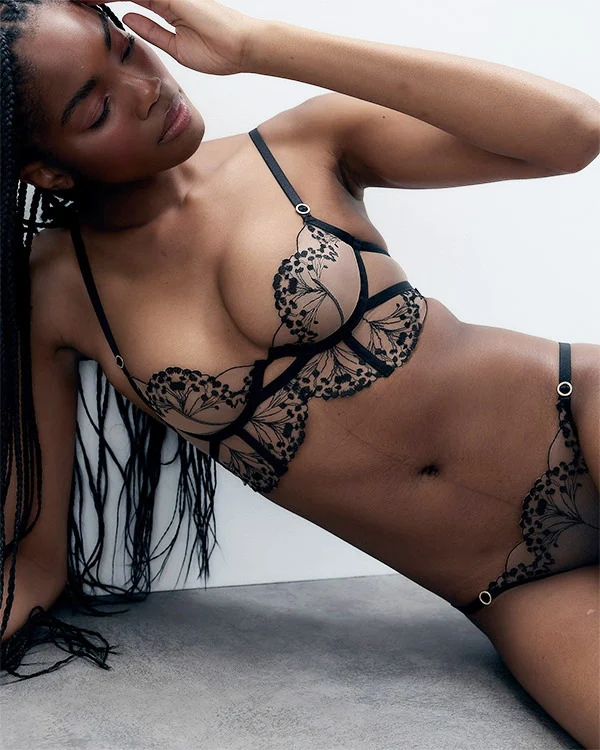
Bluebella, the London-based lingerie powerhouse, has solidified its position as a dominant force in the global intimate apparel market, marking two decades of operation by transitioning from a digital-first disruptor to a multi-channel fashion authority. Founded in 2005 by Emily Bendell, the brand has successfully navigated the complex intersection of high-fashion aesthetics and accessible pricing, a strategy that has earned it three Drapers "Lingerie Brand of the Year" awards and a coveted spot as one of the few third-party labels sold through Victoria’s Secret. As the company approaches its 20th anniversary, it is pivoting toward a significant brick-and-mortar expansion, recently launching a high-profile pop-up in London’s Covent Garden while signaling intent for permanent physical locations in the United States. This strategic evolution comes at a time when the global lingerie market is undergoing a radical shift, moving away from traditional "male-gaze" marketing toward a philosophy of self-expression and female empowerment.
The Genesis of a Market Disruptor: From Oxford to Intimates
The origins of Bluebella are rooted in an unconventional career trajectory that defies the standard path into the fashion industry. Founder Emily Bendell’s academic background was focused on Politics, Philosophy, and Economics (PPE) at Oxford University, followed by a tenure in legal journalism. However, the conceptual framework for Bluebella was established during her undergraduate years while working part-time at an adult lingerie boutique. During this period, Bendell identified a significant vacuum in the retail landscape. The market was bifurcated: on one end sat mass-market retailers offering functional but uninspired designs often made from lower-quality materials; on the other end were luxury houses like Agent Provocateur or La Perla, where price points were prohibitive for the average consumer.
Bendell’s realization was that "sensuality" and "style" were often marketed as occasional luxuries rather than everyday essentials. By launching Bluebella in 2005, she sought to create a "missing middle" ground. The brand’s mission was to offer directional, runway-inspired lingerie at a price point that allowed women to build a diverse wardrobe of intimate apparel without the financial burden of traditional luxury. This philosophy of "accessible luxury" became the cornerstone of the brand’s identity, focusing on the idea that women wear lingerie primarily for their own confidence and self-image.
Strategic Milestones and the Fifty Shades Catalyst
While the brand saw steady growth in its first several years, 2013 marked a pivotal turning point in its global recognition. Bluebella secured the official license to create a lingerie collection inspired by the Fifty Shades of Grey literary phenomenon. This partnership was more than a mere marketing tie-in; it allowed Bluebella to showcase its ability to handle provocative themes with a sophisticated, fashion-forward lens. The success of the collaboration propelled the brand into the international spotlight, opening doors to major global retailers.
Today, Bluebella’s distribution network is a testament to its broad appeal. The brand is stocked in prestigious department stores and boutiques worldwide, including Selfridges, Nordstrom, and Bloomingdale’s. Perhaps most significantly, Bluebella was selected as one of the elite few third-party brands to be integrated into Victoria’s Secret’s digital and physical retail ecosystem. This partnership represented a significant endorsement of Bluebella’s design credibility, as Victoria’s Secret sought to modernize its image by aligning with brands that championed a more contemporary, female-centric view of sexiness.
Design Philosophy: Underwear as Outerwear
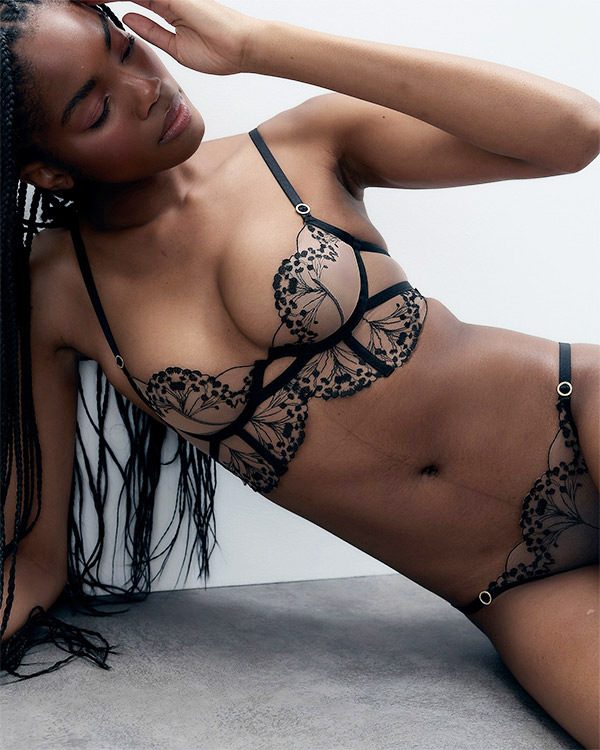
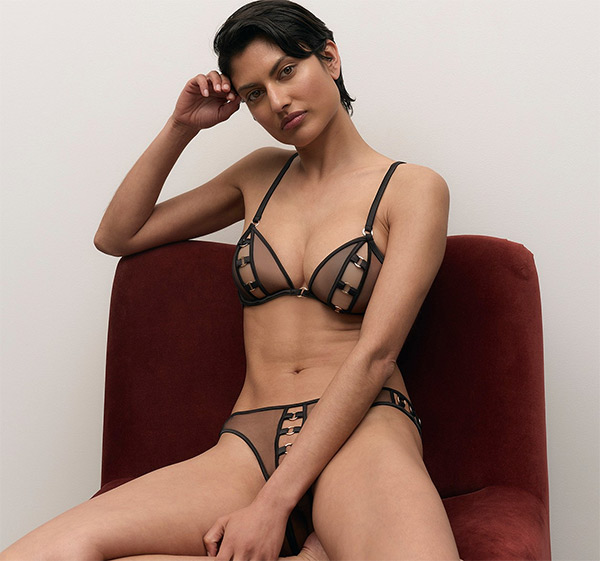
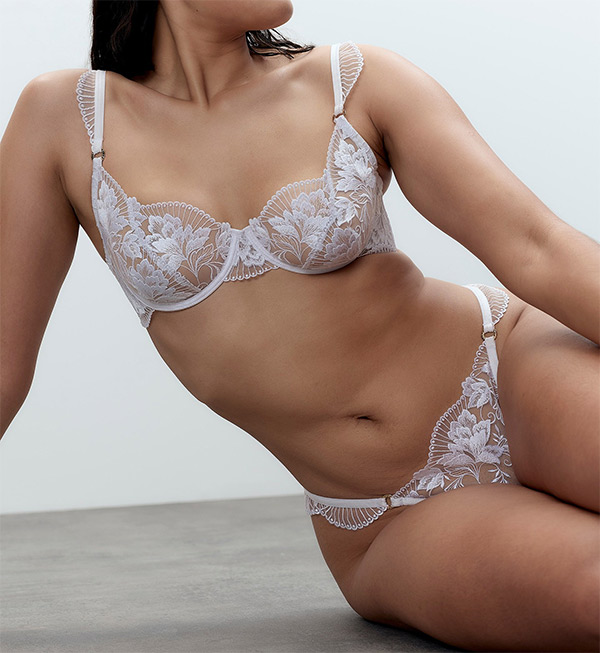
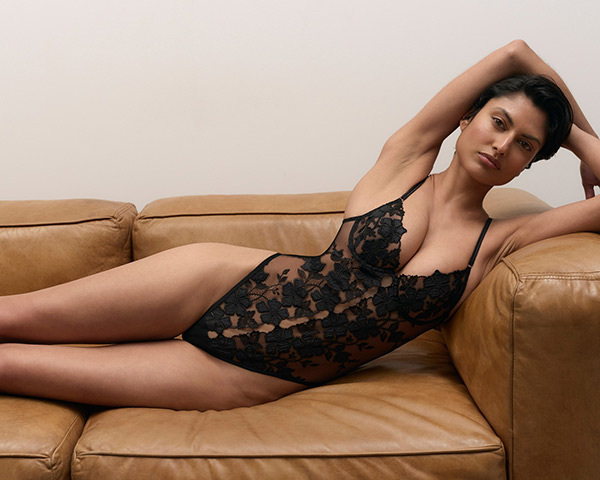
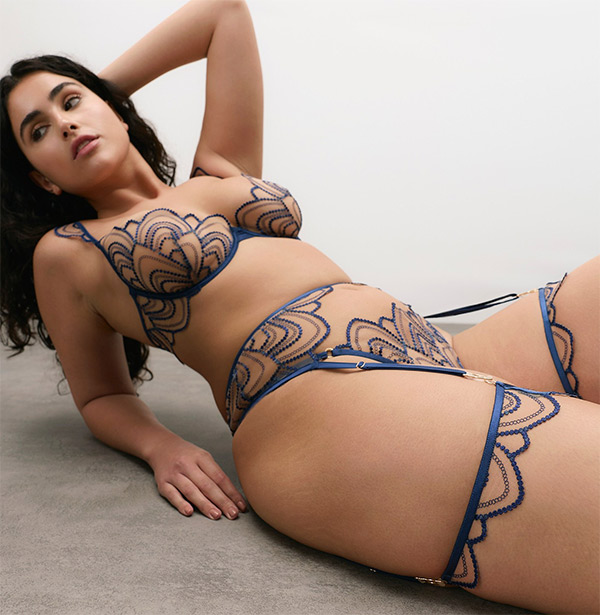
Bluebella’s aesthetic is characterized by what industry analysts call "directional design." Unlike traditional lingerie that focuses solely on support or basic lace patterns, Bluebella incorporates architectural elements, bold embroideries, sheer tulles, and intricate cut-out details. A signature element of the brand is the "Underwear as Outerwear" trend, which has seen a massive resurgence in the 2020s.
The brand’s design team deliberately crafts pieces that are meant to be integrated into a complete fashion ensemble. This includes:
- Decorative Strapping: Bras designed with complex strap arrangements that are intended to peek out from under blazers or low-cut tops.
- Bodysuits and Corsetry: Pieces engineered with enough structural integrity and opacity to be worn with jeans or skirts.
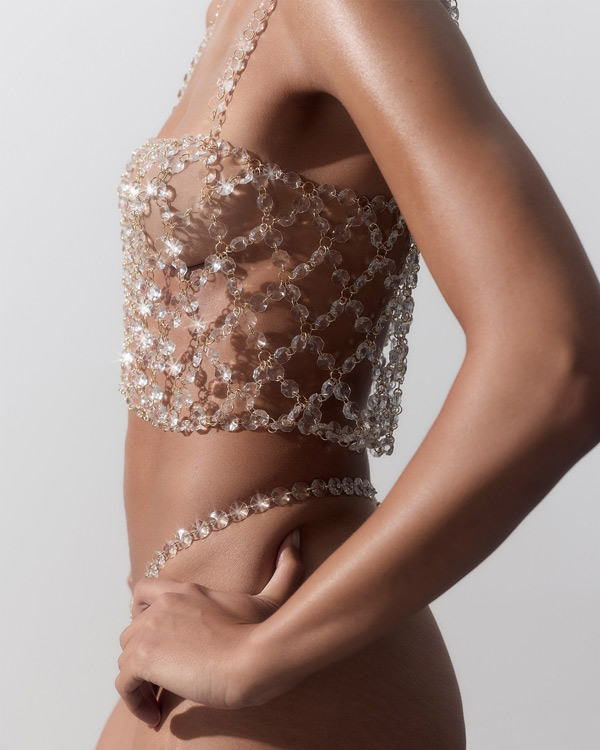
- Material Innovation: The use of non-traditional materials such as liquid-look latex, sparkling beads, faux pearls, and diamanté gems.
- The "Ouvert" Aesthetic: A bold embrace of provocative silhouettes that maintain a high-fashion edge rather than a kitsch adult-store feel.
This design approach aligns with broader cultural shifts where the boundaries between private and public dress have blurred. By categorizing collections on their website under headings like "Lingerie Made to Be Seen," Bluebella provides a roadmap for consumers to utilize intimate apparel as a tool for personal style and self-expression.
Market Positioning and Pricing Architecture
The financial success of Bluebella is underpinned by a meticulous pricing strategy that maintains the brand’s "aspirational yet attainable" status. In an era where inflation has squeezed discretionary spending, Bluebella has managed to keep its entry-level products accessible while offering high-end "showpiece" items for collectors.
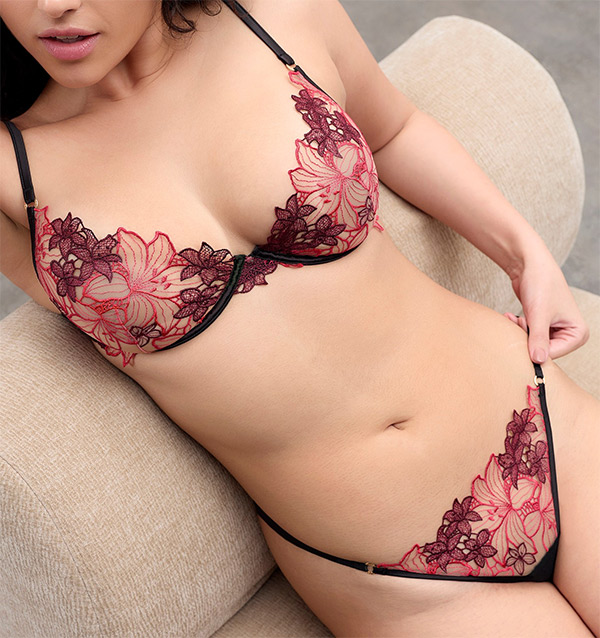
- Entry-Level Luxury: Bras starting at approximately $64 and thongs from $24 allow for a low barrier to entry for new customers.
- Mid-Range Sets: A standard two-piece set typically retails for under $150, positioning it perfectly against competitors who often charge double for similar aesthetic complexity.
- High-End Capsules: For the premium segment, the brand offers intricate items like camisoles made of gold-tone chains and clear beads, retailing for up to $275.
- Personalization Services: To enhance the luxury experience, the brand offers monogramming on nightwear and accessories for a nominal fee (currently $4.95), a service usually reserved for much higher-priced heritage brands.
This tiered pricing allows Bluebella to capture a wide demographic, from Gen Z consumers looking for "festival-ready" bodysuits to older professionals seeking sophisticated everyday sets.
Technical Specifications and Inclusivity
In the modern lingerie industry, design must be matched by technical proficiency and size inclusivity. Bluebella has expanded its range to accommodate a broader spectrum of body types, offering sizes from XS to XL and bra sizes ranging from 30A to 42E or 40G. While the brand remains "fashion-first," the engineering of its larger-cup offerings has been a focus of recent development to ensure that the "look" of the brand is not compromised by the need for increased support.
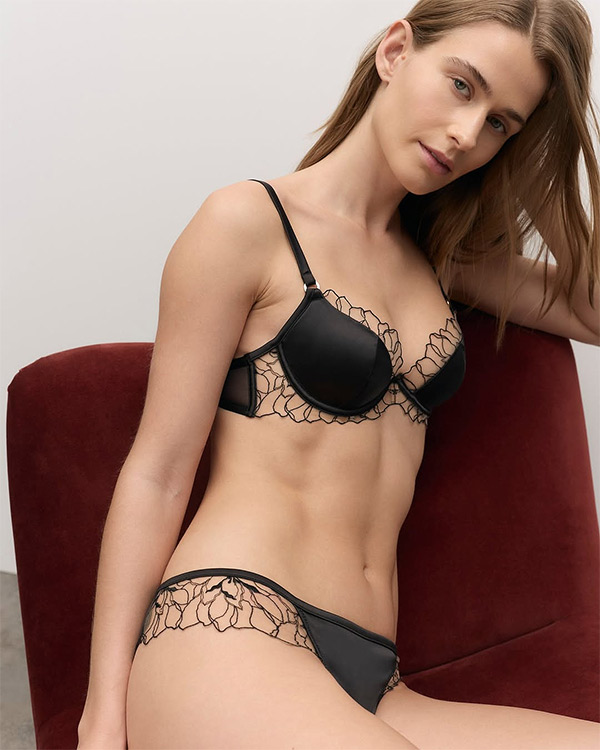
The product catalog is extensive, featuring over 200 distinct styles across bras, hosiery, garter belts, and sleepwear. This volume of turnover allows the brand to react quickly to runway trends, a "fast-fashion" speed applied to a "slow-fashion" quality standard.
The Shift to Physical Retail: The 20th Anniversary and Beyond
For much of its history, Bluebella has flourished as an e-commerce powerhouse, leveraging digital marketing and social media to build a community of loyal "Bluebella Babes." However, the brand’s recent venture into brick-and-mortar retail signals a new chapter in its growth strategy. The 2024 pop-up shop in London’s Covent Garden served as a "proof of concept" for physical expansion.
The move toward physical stores is driven by several factors:
- Tactile Engagement: Lingerie is a highly tactile product; allowing customers to feel the quality of the tulle and the weight of the hardware reduces the friction of the purchasing process.
- Brand Immersion: A physical space allows Bluebella to curate a specific atmosphere—lighting, scent, and decor—that reinforces its brand identity in ways a website cannot.
- The US Market Opportunity: With a significant portion of its revenue now coming from North America, the brand has identified the United States as the primary target for permanent retail locations.
Industry experts suggest that Bluebella’s entry into US retail could challenge established players by offering a British "cool-girl" aesthetic that is currently underrepresented in American malls and high streets.
Broader Implications for the Fashion Industry
The rise of Bluebella is indicative of a broader transformation in the $80 billion global lingerie market. The "Victoria’s Secret effect"—a decades-long dominance of a single aesthetic—has fractured. In its place, brands like Bluebella, Savage X Fenty, and Cuup have emerged, each carving out niches based on empowerment, inclusivity, or design-led luxury.
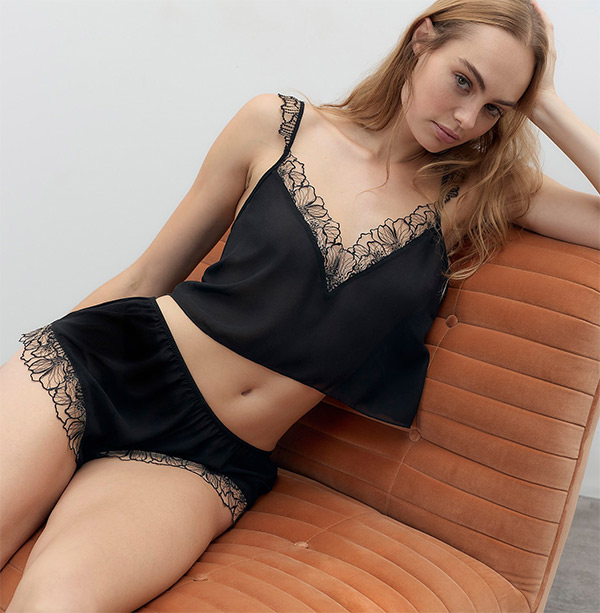
Bluebella’s specific contribution to this shift is the normalization of "high-concept" lingerie. By proving that there is a massive market for bras and bodysuits that incorporate elements of bondage, avant-garde architecture, and jewelry, Bluebella has pushed the entire industry to be more creative. Furthermore, the brand’s success as a female-founded and female-led entity provides a blueprint for how to market sensuality without resorting to objectification.
Future Outlook and Strategic Forecast
As Bluebella enters its third decade, the brand is well-positioned to capitalize on the "revenge dressing" and "maximalist" trends that have dominated post-pandemic fashion. The company’s roadmap includes not only physical store openings but also an expansion of its sustainable practices. Like many contemporary labels, Bluebella is under increasing pressure to ensure its supply chain matches the progressive values of its marketing, with initiatives toward recycled fabrics and ethical manufacturing becoming central to its corporate social responsibility (CSR) goals.
With a signature look that is now instantly recognizable and a business model that successfully bridges the gap between the high street and the runway, Bluebella remains a bellwether for the intimate apparel industry. Whether through a diamanté bra worn as a statement piece or a personalized silk robe, the brand continues to champion the idea that the most important person a woman dresses for is herself. As the brand eyes permanent storefronts in New York and Los Angeles, the "Bluebella effect" appears set to expand its influence across the Atlantic, redefining what it means to be a global lingerie brand in the 21st century.
