
 By Nila Kartika Wati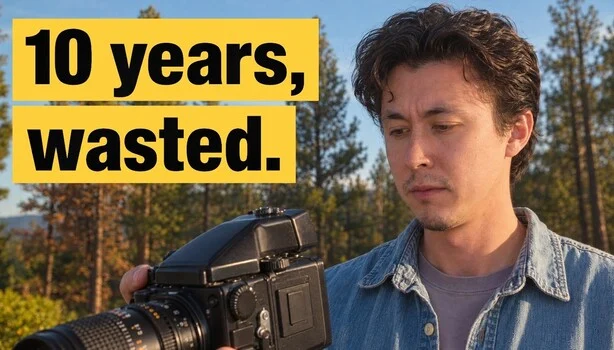
Aspiring photographers frequently find themselves ensnared in a pervasive misconception that advanced tutorials, the latest camera technology, or extensive post-processing hours in software like Lightroom are the primary determinants of photographic prowess. This consumerist and often misleading pursuit, as articulated by acclaimed photography educator Cody Mitchell, creator of the popular YouTube channel @Codacolor, consumes valuable time and resources from beginners, diverting them from the fundamental principles that genuinely elevate their craft. Mitchell’s insights, drawn from years of personal experience and observation, illuminate specific traps that have historically stalled progress for countless individuals, offering a clear, actionable roadmap for accelerated artistic development.
The Siren Song of Gear: Deconstructing the First Trap
The initial and arguably most significant pitfall identified by Mitchell is the pervasive obsession with photographic equipment. In an era saturated with product reviews and aggressive marketing, beginners are often led to believe that acquiring the newest, most expensive camera body or lens is a prerequisite for producing professional-grade images. This belief, Mitchell contends, fundamentally misunderstands the essence of photography. When observing a compelling photograph, one can readily identify the brand and model of the camera used, often leading to the assumption that replicating the gear will replicate the outcome. However, the intangible element—the photographer’s skill, vision, and decision-making—remains invisible to the casual observer.
-
Market Dynamics and Consumer Behavior: The global market for digital cameras and accessories is a multi-billion dollar industry, with annual revenues often exceeding $10 billion. This robust market thrives on innovation and the constant introduction of new models, features, and capabilities. Manufacturers invest heavily in marketing campaigns that highlight the technological superiority of their latest offerings, inadvertently fostering a culture where gear upgrades are perceived as synonymous with skill progression. Consequently, many hobbyist photographers are estimated to spend hundreds, if not thousands, of dollars annually on equipment, often without a proportional increase in their photographic ability. This cycle of acquisition can become a significant financial burden, distracting from the more crucial investment in education and practice.
-
Mitchell’s Practical Demonstration: To underscore his argument, Mitchell actively demonstrates his philosophy by increasingly integrating a Canon 5D classic into his workflow for his channel’s photographic content. This particular camera, a 12-megapixel full-frame digital single-lens reflex (DSLR) body, was released over two decades ago and can now be acquired for as little as $150 on online marketplaces like eBay. By consistently producing high-quality imagery with such an antiquated and inexpensive piece of equipment, Mitchell provides irrefutable evidence that a photographer’s proficiency transcends the capabilities of their tools. The core message is unequivocal: a skilled photographer can craft a powerful image using a prime lens, a zoom lens, a cutting-edge mirrorless system like a Sony a6600, or a classic rangefinder like a Leica. The true artistry, he emphasizes, resides not in the hardware, but in the honed skillset of the individual wielding it. This challenges the prevalent notion that technological limitations inherently hinder artistic expression, redirecting focus towards the enduring value of foundational photographic principles.
Beyond the Obvious: The Compositional Imperative
The second significant trap, according to Mitchell, manifests the moment a photographer encounters a visually appealing scene. He aptly terms this the "moth to the flame" syndrome: the instinctive urge to point the camera directly at something beautiful—a vibrant sunset, a majestic mountain, or an exquisite architectural detail—and expect a beautiful photograph as a result. This approach, while natural, frequently yields merely a factual record of the scene’s inherent beauty, rather than a compelling artistic interpretation. A photograph of a stunning sunset, for instance, primarily serves to document that the sunset was indeed gorgeous; it reveals little about the photographer’s unique perspective, compositional choices, or the deliberate decisions made to transform a mere observation into an impactful image.
-
The ‘Moth to the Flame’ Phenomenon: This phenomenon is deeply rooted in human perception. Our brains are hardwired to recognize and respond to aesthetically pleasing stimuli. However, translating that immediate visual gratification into a photograph requires a conscious shift from passive observation to active interrogation. Many beginners, particularly in the age of instant digital feedback, bypass this critical step, relying instead on the perceived beauty of the subject to carry the entire image. The result is often a technically adequate but artistically inert photograph that lacks depth, narrative, or a distinct point of view.
-
The Art of Interrogation and Decision-Making: Mitchell advocates for a crucial pause before clicking the shutter. This pause is an invitation to "interrogate the scene"—a process of critical self-reflection and deliberate choice-making. Questions that should arise include: What specific element about this scene genuinely captivates my interest? Is my current vantage point optimal, or should I explore different positions—lower, higher, closer, or zoomed out? What elements can I include or exclude to strengthen the composition? These choices, encompassing framing, perspective, light, and subject-background relationship, constitute the very essence of the photographic craft. Neglecting this interrogative phase inevitably leads to the subsequent trap: returning home with hundreds of mediocre frames, hoping that a single "keeper" might be serendipitously buried within the digital pile. This reliance on sheer volume over thoughtful execution often results in frustration and a perceived lack of progress, reinforcing the misconception that more shots equate to better outcomes.
The Power of Emulation: Practicing Like the Masters
A particularly counter-intuitive yet profoundly effective piece of advice Mitchell offers concerns the act of copying. Many beginners harbor a misconception that emulating the work of admired photographers is akin to plagiarism or a lack of originality. Mitchell strongly refutes this, asserting that emulating compelling work is not only permissible but constitutes one of the oldest and most potent forms of practice across all artistic disciplines.
-
Historical Precedent and Deliberate Practice: Throughout art history, painters meticulously copied the works of masters for centuries, not to plagiarize, but to internalize techniques, understand compositional structures, and develop their own artistic voice. Similarly, musicians learn their craft by diligently playing other artists’ songs note-for-note before venturing into original compositions. This methodology aligns perfectly with the principles of deliberate practice, a concept extensively researched in cognitive psychology, most notably by K. Anders Ericsson. Deliberate practice involves purposeful and systematic training, often focused on specific aspects of performance, with immediate feedback and continuous refinement. It emphasizes targeted effort over mere repetition. In photography, this translates to actively studying images that resonate with you, identifying common threads—be it a particular quality of light, a specific lens’s aesthetic (e.g., the "50mm look"), or a recurring subject matter—and then intentionally attempting to recreate these elements.
-
The Learning Gap: Mitchell highlights that in these attempts, photographers will almost invariably "fall short" of perfectly replicating the original. This "gap" between the intended outcome and the actual result is precisely where the learning occurs. By analyzing why the recreation missed the mark—was it the light, the angle, the depth of field, the timing?—the photographer gains invaluable insights into the nuances of effective image-making. This iterative process of targeted effort, self-assessment, and adjustment is the cornerstone of rapid skill acquisition. It provides a clear target for improvement, contrasting sharply with aimless shooting, which lacks a defined reference point for progress.
Cultivating Photographic Fitness: Consistency and Volume
If one successfully navigates these common traps, Mitchell outlines a clear and direct path forward centered on composition, consistency, and volume. He frames this approach as "getting photographically fit," an analogy that powerfully underscores the dedication and systematic effort required.
-
The Analogy of Repetition: Just as physical fitness is not achieved by a single gym session or the purchase of expensive workout gear, photographic mastery does not materialize instantly. It requires consistent "reps." Mitchell encourages photographers to engage in focused, repetitive practice, such as photographing the same object or scene 30 different ways. This exercise, while seemingly mundane, forces creative exploration. While some frames will inevitably be less successful than the initial attempt, a significant portion will reveal unexpected perspectives, compositions, or lighting conditions that would have remained undiscovered through casual shooting. This systematic exploration expands the photographer’s visual vocabulary and problem-solving abilities, leading to genuine breakthroughs. This echoes the "10,000-hour rule," albeit with the critical caveat that the hours must be spent in deliberate, purposeful practice, not merely accumulation.
-
Mastering the In-Camera Workflow: A fundamental tenet of Mitchell’s philosophy is the importance of "nailing the image in camera." This means striving for optimal composition, exposure, and focus at the point of capture, minimizing the need for extensive post-processing. When an image is strong straight out of the camera, editing software like Lightroom transforms into a tool for enhancement—a "seasoning on top of good ingredients"—rather than a desperate attempt to salvage a flawed image. This principle is succinctly captured in his blunt assertion: "You cannot polish a turd," implying that no amount of digital manipulation, presets, or film looks can fundamentally redeem a poorly conceived or executed photograph. This approach not only streamlines the workflow but also reinforces the importance of foundational photographic skills, empowering photographers to create impactful images with confidence and efficiency.
Implications for Aspiring Photographers and the Industry
Mitchell’s candid breakdown of these traps and his proposed solutions carry significant implications for both individual aspiring photographers and the broader photographic industry.
-
Shifting Paradigms in Learning: For beginners, Mitchell’s framework offers a liberating alternative to the often overwhelming and expensive traditional learning curve. By de-emphasizing gear and prioritizing fundamental skills, it provides a more accessible entry point into serious photography, fostering a mindset of continuous learning and experimentation. This paradigm shift encourages a focus on internal development rather than external acquisitions, fostering genuine artistic growth. Educational platforms and workshops could integrate these principles more overtly, structuring curricula around deliberate practice and critical scene interrogation.
-
Economic and Creative Freedom: The emphasis on utilizing existing or inexpensive gear grants photographers greater economic freedom, allowing them to allocate resources towards education, experiences, or even travel for photography, rather than being perpetually caught in the upgrade cycle. This also fosters greater creative freedom, as photographers are encouraged to innovate within their existing tools, pushing the boundaries of what they can achieve, rather than waiting for the "perfect" piece of equipment. Industry analysts might observe a gradual shift in consumer spending habits if these ideas gain wider traction, potentially influencing marketing strategies to highlight educational value and skill development alongside product features.
-
Broader Impact on Photography Culture: Ultimately, Cody Mitchell’s insights contribute to a healthier, more sustainable photography culture. By demystifying the path to improvement and celebrating the learning process—even the "failing is the fun part" aspect—he empowers individuals to embrace the journey of mastery with enthusiasm and resilience. His message resonates with a growing sentiment among seasoned professionals who consistently advocate for skill and vision over mere technical specifications, reinforcing the timeless truth that the most powerful element in any photograph is the eye behind the lens. As the visual landscape continues to evolve, grounded advice like Mitchell’s serves as a crucial compass for navigating the complexities of modern photographic practice.
