
 By admin
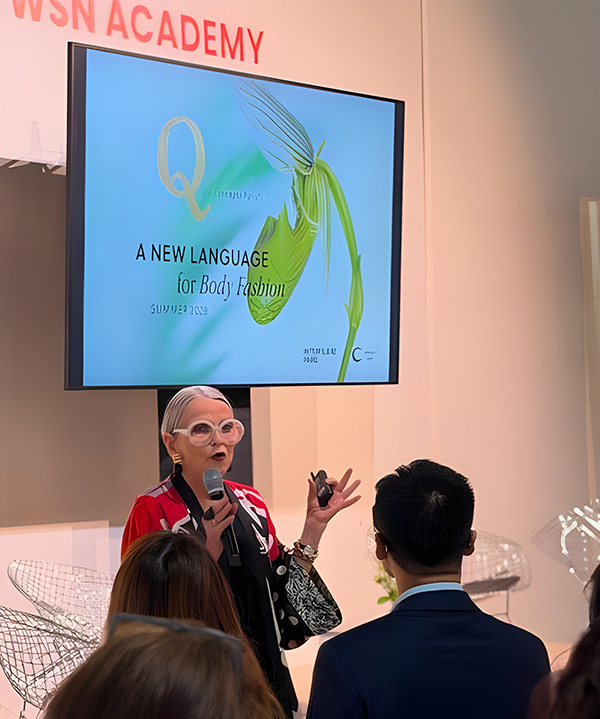
At the recent Curve Paris Who’s Next trade exhibition, Jos Berry, the influential creative director and founder of Concepts Paris, unveiled a comprehensive strategic vision titled A New Language for Body Fashion: Summer 2028. This presentation marked a significant departure from traditional trend forecasting, moving away from ephemeral aesthetic shifts toward a philosophy rooted in the fundamental human needs of the modern consumer. Central to this unveiling was the introduction of Q by Concepts Paris, a refined evolution of the trend research studio that leverages over three decades of experience to translate global cultural shifts into commercially viable design frameworks.
The presentation arrived at a critical juncture for the intimate apparel industry, which is currently grappling with the rapid integration of artificial intelligence and the accelerating pace of the digital economy. Berry’s thesis posits that as the world becomes increasingly optimized for speed and efficiency, there is a corresponding vacuum in the realm of human experience. By identifying what modern life systematically removes—touch, ritual, beauty, and emotional presence—Berry provides a roadmap for brands to restore these elements through thoughtful, human-centric design.
The Evolution of Trend Forecasting: Introducing Q by Concepts Paris
The launch of Q by Concepts Paris represents a strategic pivot for the renowned trend house. For thirty years, Concepts Paris has been a cornerstone of the lingerie and bodywear sector, providing the industry with the visual and conceptual tools necessary to navigate changing tastes. However, Berry argues that the traditional "trend report" is becoming obsolete in an era where algorithms can predict consumer behavior and social media can disseminate styles instantaneously.
Q by Concepts Paris is designed to be an investigative platform that asks deeper questions about the "why" behind consumer choices. The "Q" stands as a symbol of inquiry, challenging designers and brand managers to look beyond what women wear to understand the emotional drivers behind their purchases. This methodology focuses on "longings" rather than "trends," suggesting that while styles may fade, the human desire for belonging, comfort, and discovery remains constant.
Chronology and Context: The Path to Summer 2028
The timeline for the Summer 2028 forecast is set against a backdrop of post-digital exhaustion. Following the rapid digitization of the early 2020s and the subsequent rise of generative AI in mid-decade, the 2028 consumer is expected to seek "sensory reality." The presentation at Curve Paris serves as the initial industry touchpoint for a cycle that will see these concepts move from high-level research into textile development in 2026, prototype design in 2027, and finally, retail availability in the summer of 2028.
Industry analysts note that this four-year outlook is essential for the intimate apparel supply chain, which often requires longer lead times for specialized lace production, technical fabric knitting, and ergonomic testing. By establishing these pillars now, Concepts Paris allows manufacturers and retailers to align their long-term sustainability and innovation goals with the projected emotional state of the future market.
Six Fundamental Longings: A Framework for Design
The core of the Summer 2028 vision is built upon six "fundamental longings." These are categorized not as fashion categories, but as psychological states that bodywear has the unique power to address:
- Human Connection: The intrinsic need for community and a sense of belonging in an increasingly isolated digital world.
- Sensory Reality: The physical pleasure derived from touch and the tactile quality of materials.
- Emotional Protection: The role of clothing as a "second skin" that provides reassurance and psychological comfort.
- Meaningful Femininity: The move toward self-expression that prioritizes the wearer’s perspective over the observer’s gaze.
- Emotional Escapism: The desire for wonder, fantasy, and a departure from the mundane through aesthetic beauty.
- Unexpected Beauty: The joy found in discovery, craftsmanship, and the "imperfections" of human-made objects.
Creative Directions for the Summer 2028 Season
To translate these psychological longings into tangible products, Berry outlined six creative directions. Each direction serves as a design brief for brands looking to capture the market in 2028.
The Comfort of Beauty and Natural Performance
This direction focuses on the intersection of technical functionality and skin-friendly aesthetics. In 2028, performance will no longer be measured solely by moisture-wicking or compression metrics, but by how a garment enhances the wearer’s sense of well-being. This involves the use of bio-based synthetics and "soft tech" fabrics that provide the support of traditional shapewear with the hand-feel of natural silk or fine cotton.
Living With Nature: Beyond Sustainability
Berry poses the provocative question: “When did commercial stop meaning memorable?” In the "Living With Nature" theme, the focus shifts to botanical influences and handcrafted details. This is an evolution of the sustainability movement, moving beyond recycled fibers toward an aesthetic that celebrates the "living" quality of materials. Expect to see irregular textures, plant-based dyes, and embroidery that mimics organic growth patterns.
Modern Romance and the Versatile Wardrobe
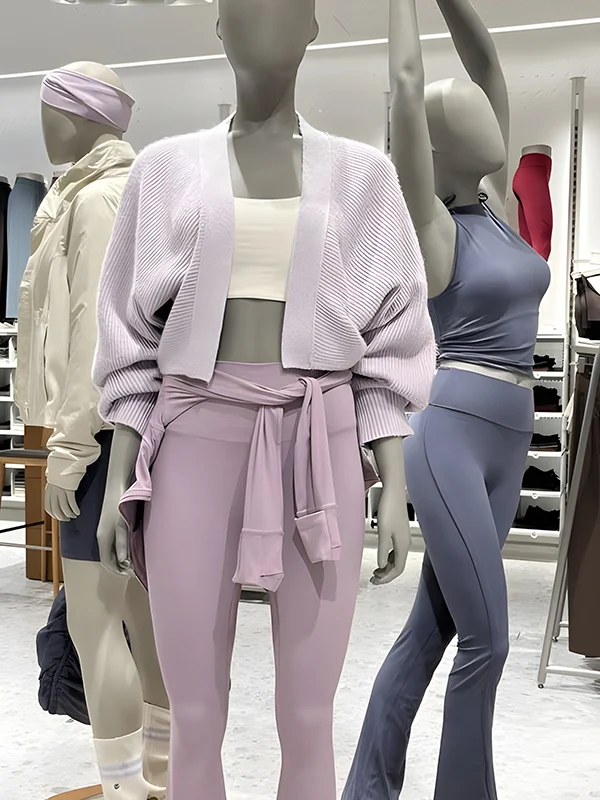
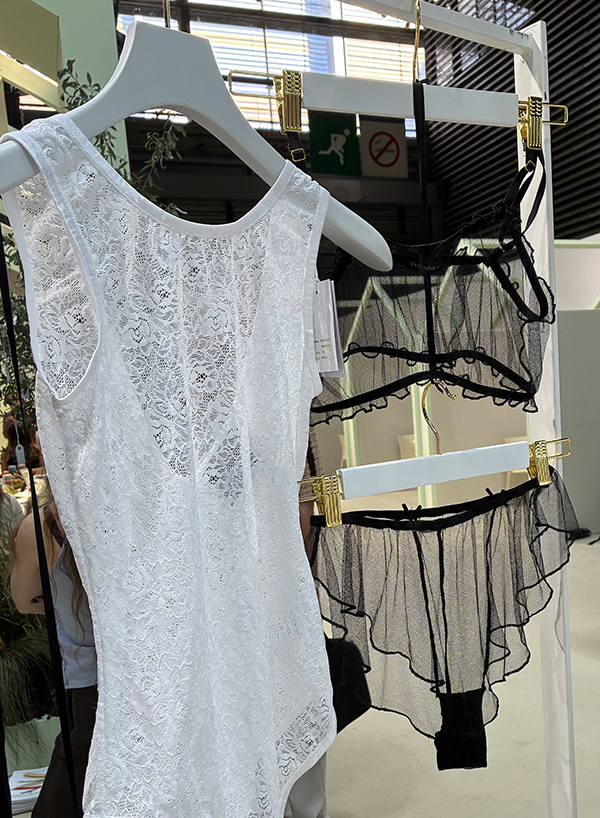
The "Modern Romance" direction reinterprets traditional lingerie craftsmanship—such as Chantilly lace and silk satin—through the lens of contemporary construction. A key takeaway from the Curve Paris presentation was the blurring of lines between intimate apparel and outerwear. Berry suggests that how a garment is worn is becoming as important as the garment itself. In this scenario, lace slips, decorative bodysuits, and structured bras are designed to be visible components of a fashion-conscious wardrobe.
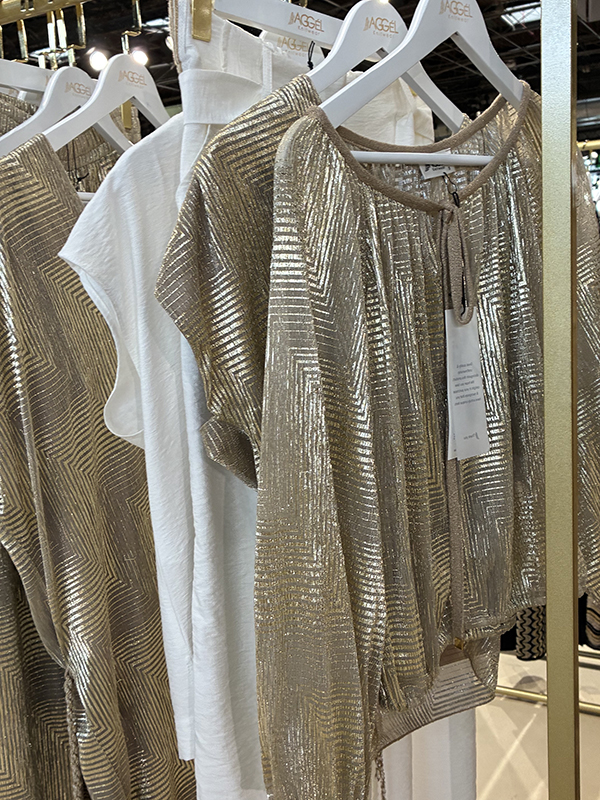
Fearless Femininity and the Return of Delight
This theme responds to a consumer desire for surprise and transportive fashion. "Fearless Femininity" utilizes decorative precision and unexpected details to create a sense of "delight." It is a rejection of the hyper-minimalism that dominated the early 2020s, favoring instead a bold use of color and silhouette that invites the wearer to rediscover the pleasure of dressing up.
Joyful Opulence: The Human Touch
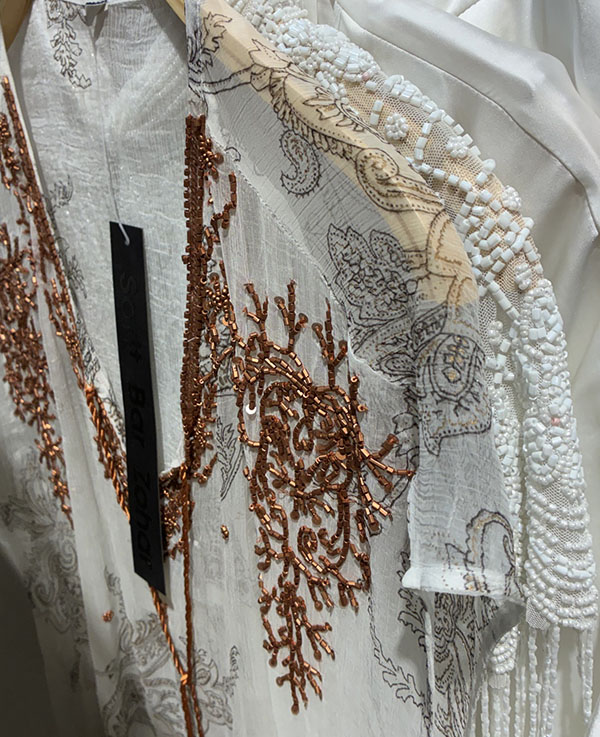
"The magic is made by people," Berry noted during her presentation. Joyful Opulence is a celebration of the artisan. This direction emphasizes expressive color palettes—notably reds that "evoke" passion rather than "shout" it—and intricate decorative details that tell a story. The market data suggests that consumers are increasingly willing to pay a premium for products that feel "curated" and have a clear human provenance.
Freedom to Explore: Textured Dynamics
Reflecting a global desire for authentic experiences, "Freedom to Explore" combines tactile surfaces with everyday wearability. This direction is particularly relevant for the "bodywear" segment, which includes lounge, swim, and active-adjacent apparel. The focus is on versatility, creating pieces that transition seamlessly from private to public spaces while maintaining a distinctive fashion identity.
Market Analysis and Industry Implications
The shift toward "emotional design" is supported by broader economic data within the global apparel industry. According to recent market reports, the global intimate apparel market is projected to reach a valuation of approximately $95 billion by 2028, with a significant portion of that growth driven by the "comfort" and "wellness" segments. As consumers become more discerning, the "commodity" end of the market is facing increased pressure from rising production costs and environmental regulations.
Berry’s emphasis on "stories we want to belong to" aligns with the growing trend of "value-based consumption." Brands that can articulate a clear purpose and an emotional connection are seeing higher rates of customer retention compared to those competing solely on price. The Q by Concepts Paris framework provides a methodology for brands to move into this high-value space by focusing on the "un-copyable" elements of design: human touch and emotional resonance.
Official Responses and Brand Integration
Several brands featured in the visual presentation, including Aggel, Sarit Bar Zohar, No Comment, Mya Collection, and Acquadicocco, have already begun to integrate these "longings" into their developmental cycles. Industry stakeholders at Curve Paris reacted positively to the move away from rigid trend cycles.
"The industry has been on a treadmill of ‘newness’ that often feels hollow," remarked one European lingerie buyer. "Jos Berry’s perspective reminds us that we are dressing human beings, not just fulfilling a retail slot. The focus on ‘sensory reality’ is exactly what we are hearing from our customers who are tired of the digital sheen on everything."
Conclusion: The Future of Body Fashion
The presentation of A New Language for Body Fashion: Summer 2028 serves as a reminder that the future of the industry lies at the intersection of technology and humanity. While AI and data will continue to optimize the supply chain, the "soul" of the product remains a human endeavor.
As Jos Berry concluded, "What modern life takes away, thoughtful design restores." For the brands and designers preparing for the 2028 season, the challenge will be to create collections that do more than just fit the body; they must fit the emotional landscape of a consumer seeking connection, beauty, and a sense of wonder in an increasingly automated world. The success of Q by Concepts Paris will likely be measured by how well the industry adopts this more profound, inquiry-based approach to creation.
