
 By admin
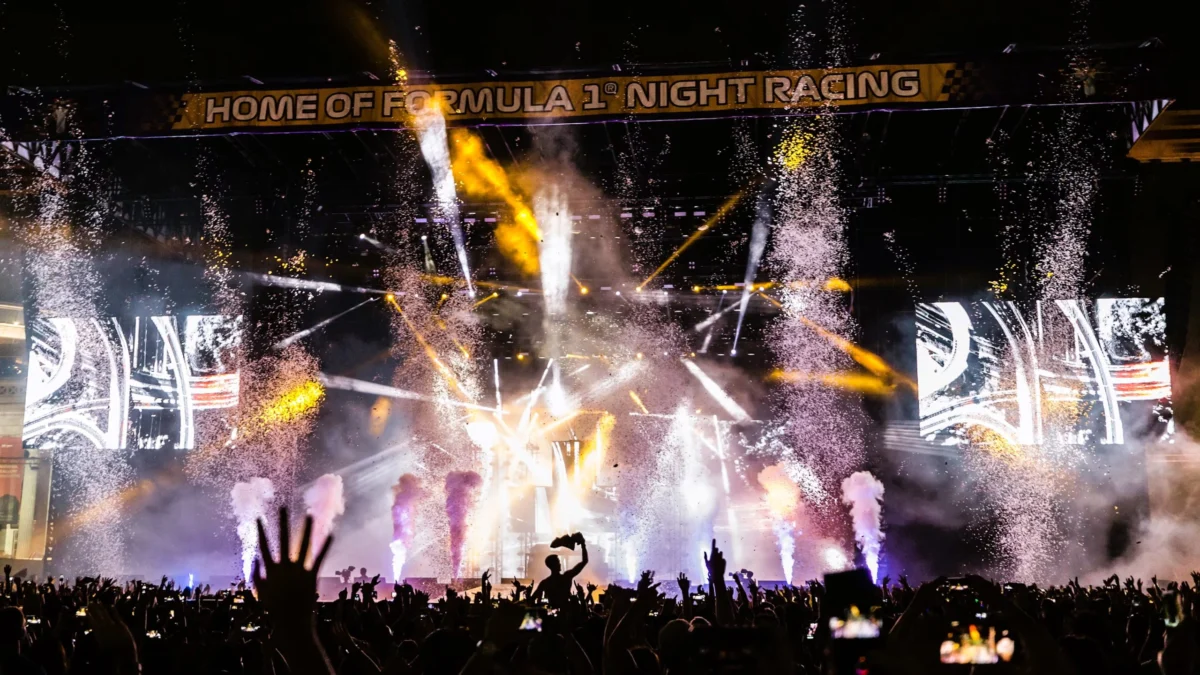
The Singapore Grand Prix, a cornerstone of the FIA Formula 1 World Championship, is poised to undergo its most significant transformation since its 2008 inception as it approaches its third decade on the global sporting calendar. As the first-ever night race in Formula 1 history, the Marina Bay Street Circuit has long been regarded as the "jewel in the crown" of the sport’s Asian expansion. However, the upcoming 2026 season marks a pivotal juncture, characterized by the introduction of the F1 Sprint format to the city-state and a radical overhaul of technical regulations that will redefine the performance and sustainability of the competing machinery. These changes, coupled with a contract extension ensuring the race remains in Singapore through 2028, underscore the enduring strategic partnership between the Singapore government and the Formula 1 Group.
The Strategic Shift to the F1 Sprint Format in 2026
The most immediate structural change to the Singapore Grand Prix weekend will occur in 2026 with the debut of the F1 Sprint. This high-stakes, 100km dash to the finish line replaces the traditional Saturday afternoon practice session, effectively providing fans with a competitive race on two out of the three days of the event. Under this revised format, Friday will feature a single free practice session followed by "Sprint Qualifying." Saturday will host the Sprint race itself, followed by the standard qualifying session to determine the grid for Sunday’s main Grand Prix.
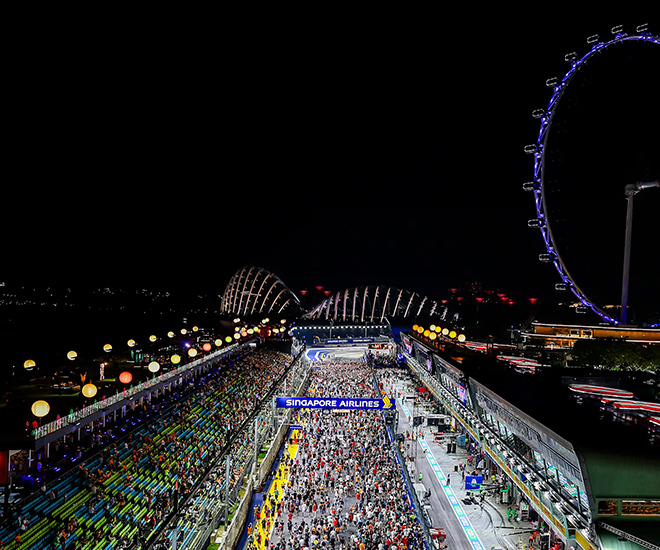
The introduction of the Sprint to a street circuit as demanding as Marina Bay presents unique logistical and competitive challenges. Historically, street circuits offer little room for error; the proximity of the barriers means that a minor incident during the Saturday Sprint could jeopardize a team’s ability to participate in the main event on Sunday. From a sporting perspective, the Sprint format limits the amount of data teams can collect during practice, forcing engineers to rely more heavily on simulation tools and increasing the likelihood of unpredictable race results. For the promoter, Singapore GP Pte Ltd, the move is a calculated effort to enhance the value proposition for ticket holders, ensuring that competitive "meaningful" running occurs throughout the entire weekend.
A Chronology of Technical and Structural Evolution
Since its debut in 2008, the Marina Bay Street Circuit has undergone several iterations to improve racing quality and accommodate urban development. The original 5.067km layout was famed for its 23 corners, the highest on the calendar at the time, making it one of the most physically exhausting races for drivers due to the intense heat and humidity.
In 2023, the circuit underwent its most substantial physical modification. Due to the construction of "NS Square" at the former Float @ Marina Bay, Turns 16 through 19 were removed and replaced by a 397.9-meter straight. This reduced the total corner count to 19 and significantly increased the average lap speed. Data from the 2024 season indicated that this change not only improved overtaking opportunities into the new Turn 16 but also reduced the overall race time, slightly easing the physical burden on the drivers.
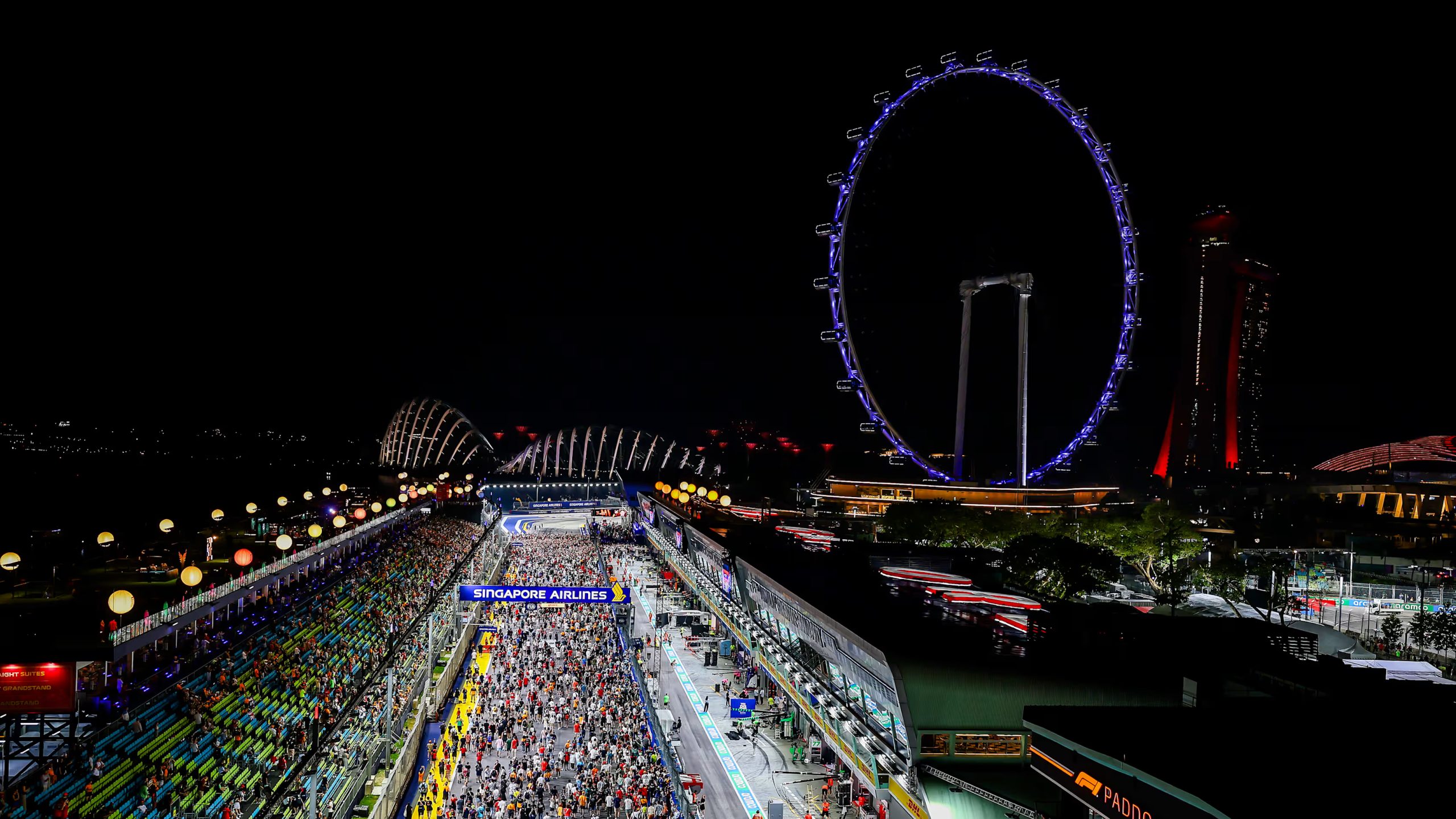
In 2024, the FIA further refined the racing experience by adding a fourth Drag Reduction System (DRS) zone between Turns 14 and 16. This was a response to the "dirty air" issues prevalent in modern aerodynamics, where following a car closely through the technical second sector was historically difficult. By 2025, the pit lane speed limit was also adjusted from 60km/h to 80km/h, a move intended to provide teams with more flexibility in pit-stop strategies by reducing the "time penalty" associated with a tire change.
The 2026 Technical Regulations: A New Era of Engineering
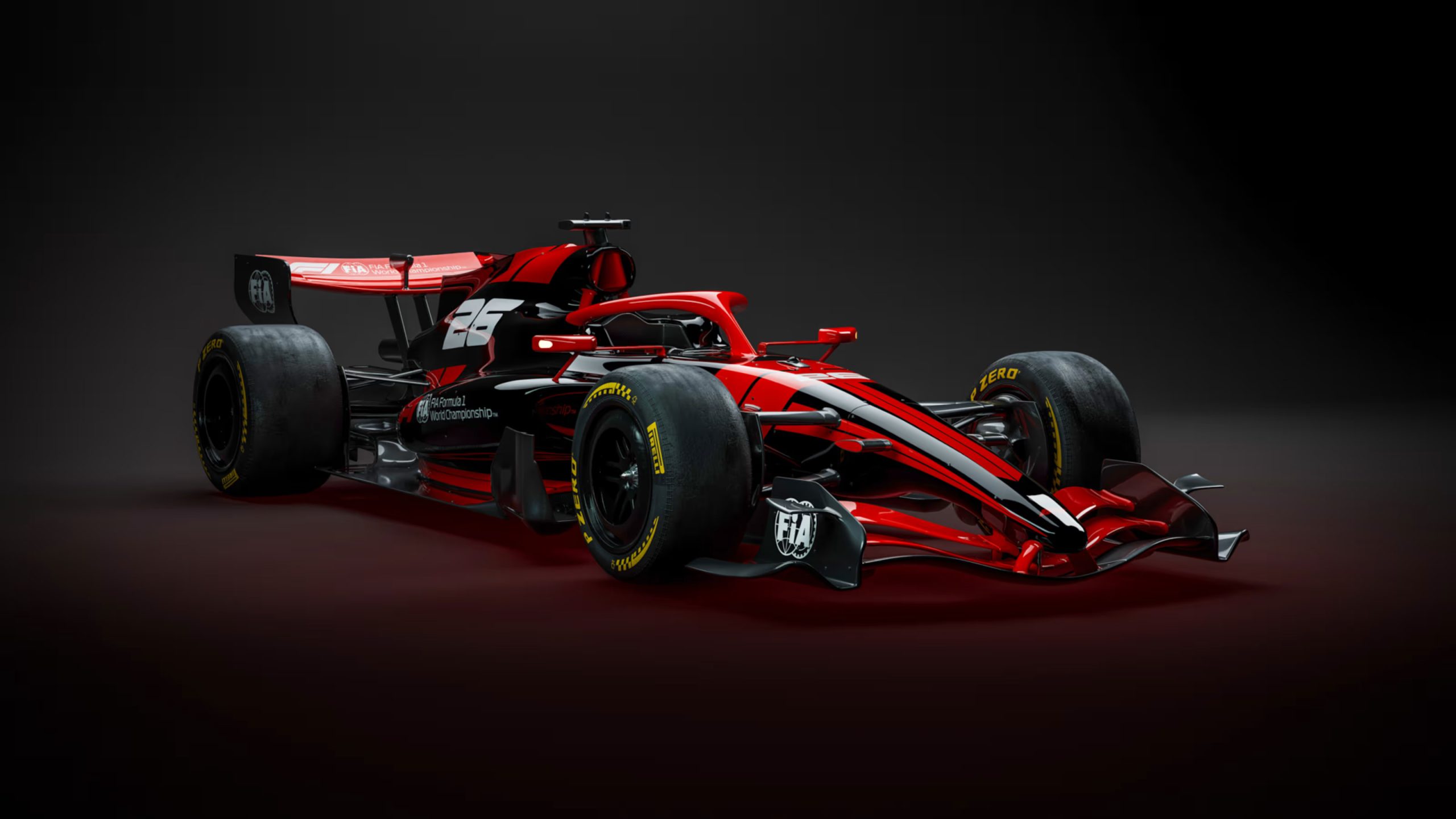
The 2026 Singapore Grand Prix will serve as a critical testing ground for Formula 1’s new technical era. The 2026 regulations focus on three core pillars: "nimble" chassis design, enhanced hybridization, and the use of 100% sustainable fuels.
For the first time in decades, the cars will become smaller and lighter. The wheelbase will be reduced from 3,600mm to 3,400mm, and the width will shrink from 2,000mm to 1,900mm. Crucially, the minimum weight is set to drop by 30kg, from 798kg to 768kg. On a tight street circuit like Singapore, where agility and low-speed turn-in are paramount, these smaller dimensions are expected to significantly alter the driving dynamics and potentially open up new racing lines.
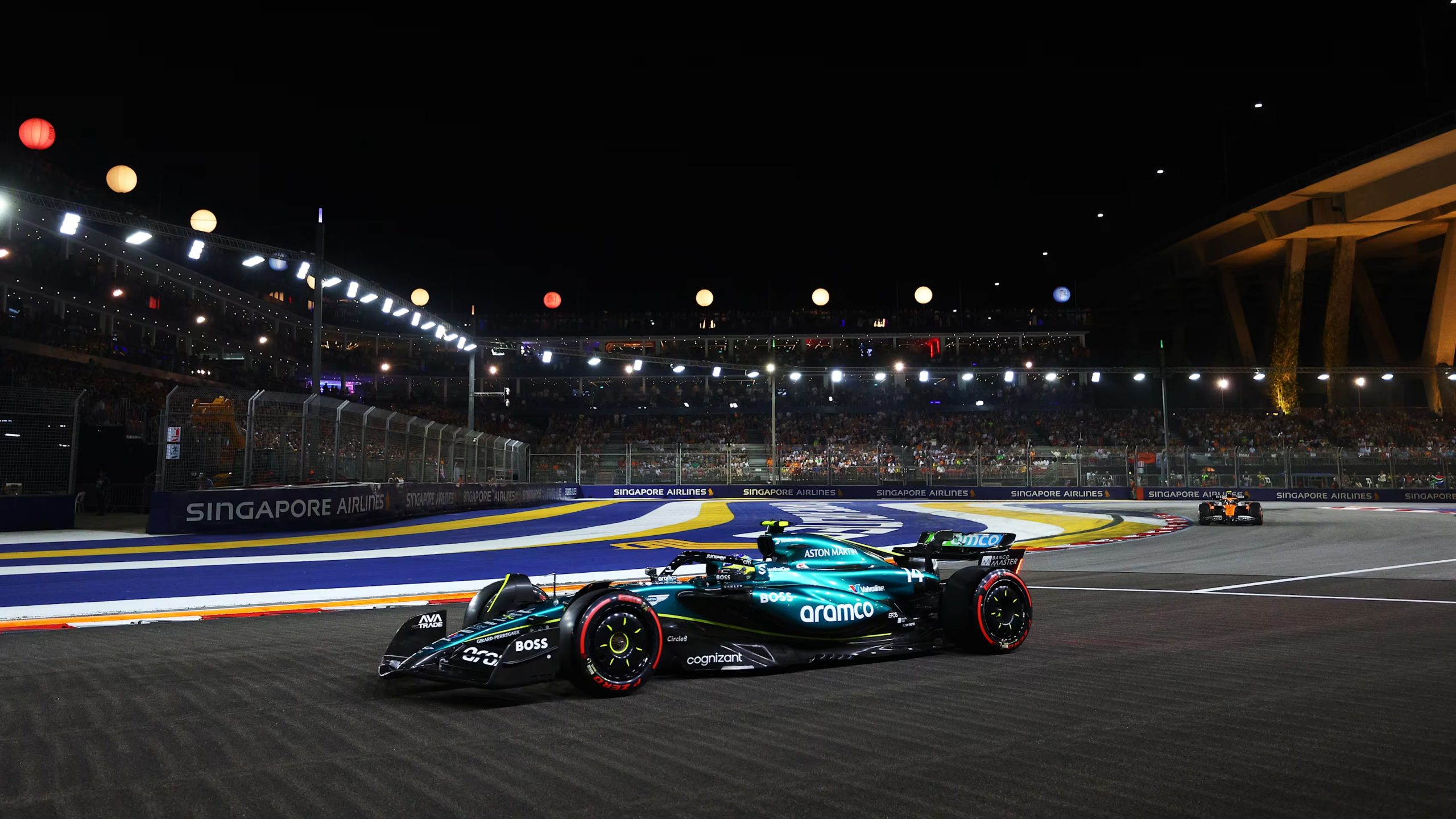
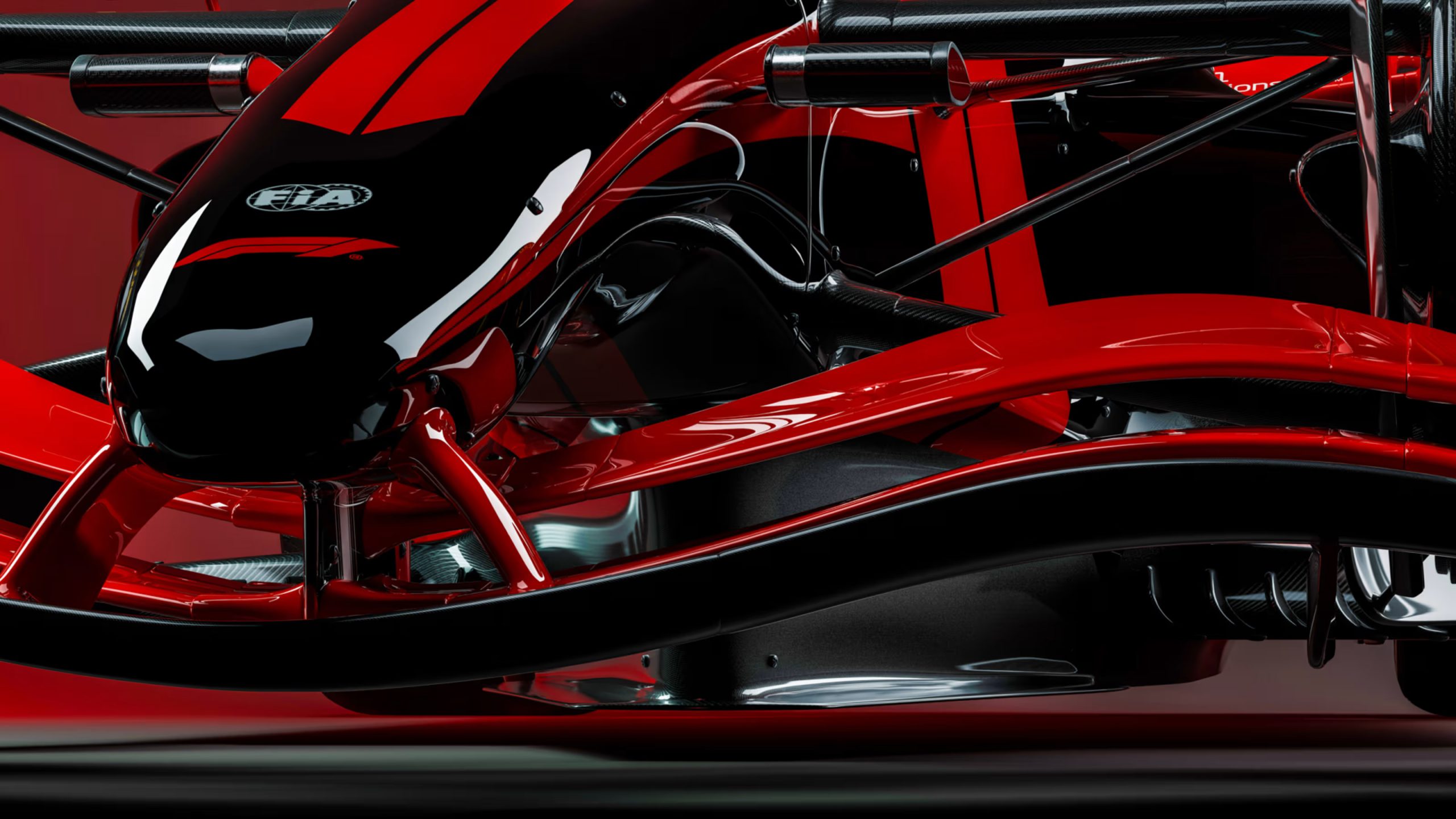
The power unit (PU) will also undergo a radical shift. The complex Motor Generator Unit–Heat (MGU-H), which recovered energy from exhaust gases, will be abolished. To compensate, the electrical output from the Motor Generator Unit–Kinetic (MGU-K) will triple, from 120kW to 350kW. This creates a nearly 50/50 power split between the internal combustion engine and electrical systems. Furthermore, 2026 will introduce "Active Aerodynamics." Drivers will be able to toggle between a high-downforce "Z-mode" for cornering and a low-drag "X-mode" for straights. In Singapore, where the track is a constant sequence of short bursts and heavy braking zones, the management of this active aero and electrical deployment will become the primary differentiator between the leading teams.
Economic Impact and Tourism Data: A SGD 2.2 Billion Legacy
Beyond the sporting spectacle, the Singapore Grand Prix remains a vital pillar of the nation’s "Business and Leisure" (BTMICE) tourism strategy. According to figures released by the Ministry of Trade and Industry (MTI), the event has generated more than SGD 2.2 billion in incremental tourism receipts since its inception in 2008.
The event’s ability to attract high-net-worth individuals and international corporate hospitality remains unparalleled. Between 2024 and 2025, the event saw a significant 11.7 percent surge in attendance, reflecting a post-pandemic resurgence in international travel. The race weekend consistently sees hotel occupancy rates in the Marina Bay area exceed 95 percent, with average room rates often tripling during the period.
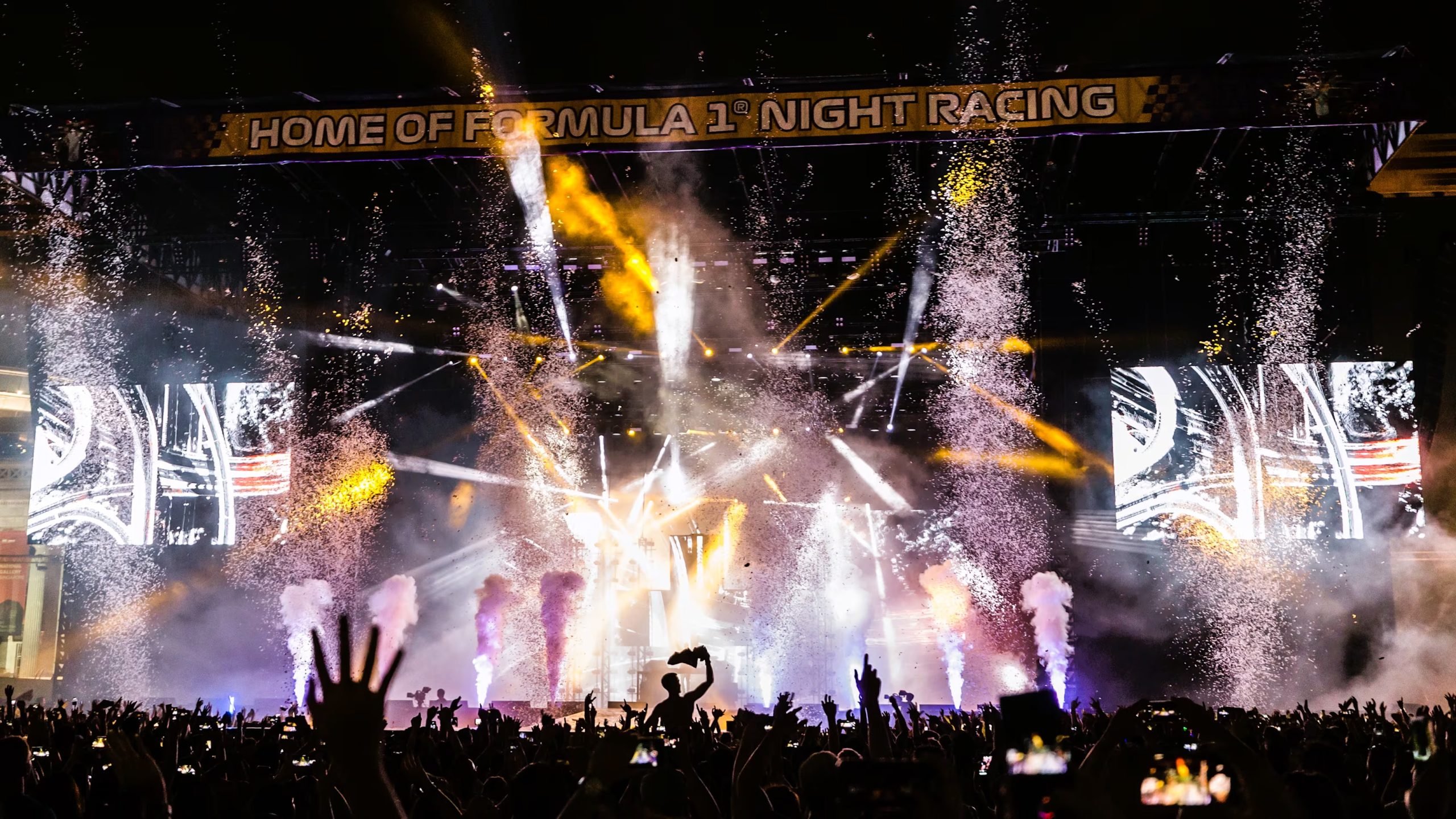
The economic ripple effect extends into the local workforce. Each year, approximately 30,000 staff, contractors, and volunteers are engaged to execute the event. The Grand Prix Season Singapore (GPSS), a ten-day festival of retail, dining, and entertainment experiences, ensures that the economic benefits are not confined to the circuit. By integrating fashion pop-ups, culinary festivals, and high-profile music performances—ranging from global pop icons to underground electronic artists—Singapore has successfully marketed the race to a demographic far broader than traditional motorsport enthusiasts.
Official Responses and Strategic Longevity
The decision to extend the Formula 1 contract through 2028 was a strategic move by the Singapore Tourism Board (STB) and the Ministry of Trade and Industry. In official statements following the extension, representatives emphasized that the race serves as a "global postcard" for Singapore, showcasing the city’s infrastructure and efficiency to an annual global television audience of over 70 million unique viewers.
"The Singapore Grand Prix continues to be a highlight of the F1 calendar, and this extension ensures that Singapore remains a premier destination for both sports and business," stated a spokesperson for the MTI. "As we move toward the 2026 regulations, the focus on sustainability and hybrid technology aligns perfectly with Singapore’s own Green Plan 2030."
Formula 1’s leadership has similarly praised the venue. Stefano Domenicali, President and CEO of Formula 1, has frequently cited Singapore as the blueprint for the modern "destination race," a model that newer events like Las Vegas and Miami have sought to emulate. The 2026 shift to sustainable fuels is particularly relevant for Singapore, which is positioning itself as a regional hub for green energy and sustainable aviation and maritime fuels.
Broader Impact and Global Implications
As the Singapore Grand Prix nears its 20th anniversary, its impact on the sport of Formula 1 cannot be overstated. It proved that night racing was not only technically feasible but commercially lucrative, leading to the addition of races in Bahrain, Saudi Arabia, Qatar, and Las Vegas.
The 2026 season will represent a litmus test for whether a mature event can successfully pivot to new formats like the Sprint while maintaining its prestige. The technical challenges of the new cars—specifically the reliance on electrical energy—will be at their most visible under the floodlights of Marina Bay, where the high ambient temperatures test battery cooling systems to their limits.
For the city of Singapore, the race remains a symbol of its resilience and ability to reinvent itself. What began as a bold engineering experiment in 2008 has evolved into a multi-dimensional platform for technological showcase, economic stimulus, and cultural exchange. As the cars of 2026 take to the grid, lighter, more sustainable, and faster through the corners of the city, the Singapore Grand Prix will continue to define the intersection of automotive ambition and urban sophistication.
