
 By Jia Lissa
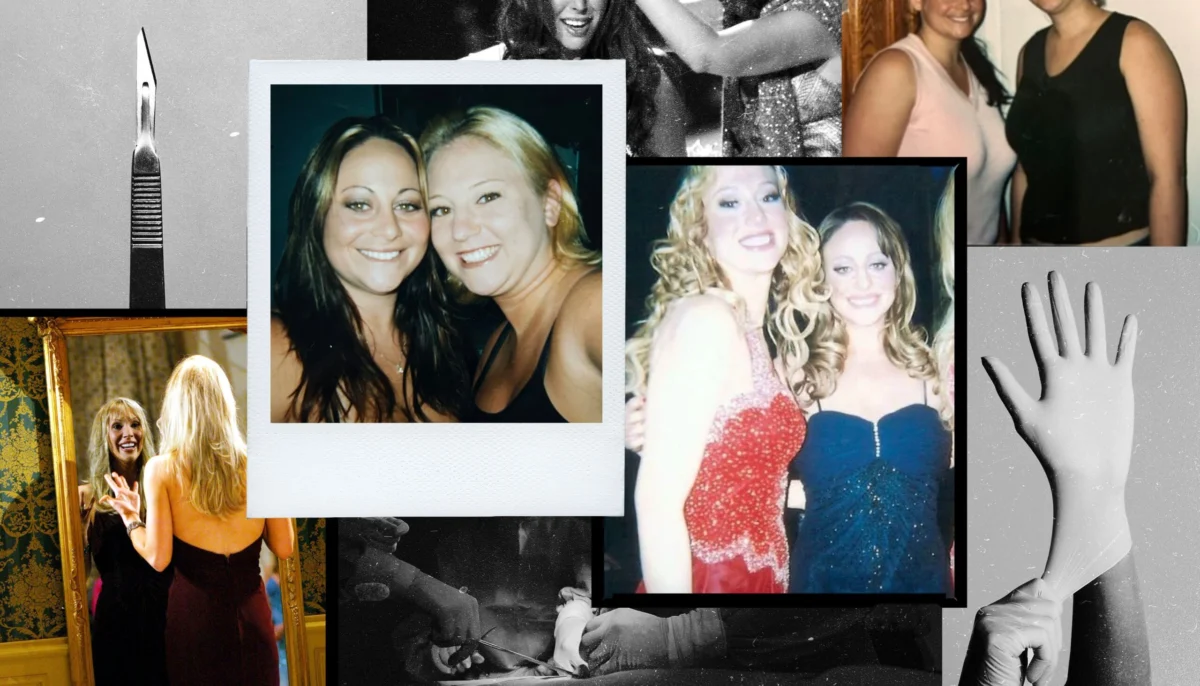
The early 2000s were a formative period for reality television, a landscape often characterized by sensationalism and the exploitation of personal vulnerabilities for entertainment. Among the most controversial programs to emerge from this era was The Swan, a Fox reality series that premiered in 2004. For 22 years, the show largely faded into the cultural memory, a relic of a time when public tolerance for exploitative content was arguably at its peak. However, a recent documentary, The Swan: Behind The Mirror, has resurrected the show’s disturbing legacy, prompting a re-examination of its premise, its impact on participants, and the ethical considerations surrounding cosmetic surgery in popular media.
The Premise of Transformation: From "Broken Women" to "Hot Chicks"
The Swan presented itself as a transformative journey for women described by the show’s creator, Nely Galán, as "broken women." The premise involved contestants undergoing extensive plastic surgery, coupled with intense personal training, nutritional guidance, psychotherapy, and life coaching. The stated goal was to restore beauty and confidence, offering a second chance at life through radical physical and emotional makeovers.
However, the documentary The Swan: Behind The Mirror reveals a starkly different underlying mission. As one producer candidly admitted in the film, the network’s "true mission quickly became clear: ‘We’re gonna take ugly chicks and make them hot.’" This cynical objective set the stage for a highly regimented and, for many participants, traumatic experience. The process involved three months of mandatory surgeries, dental work, severe dietary restrictions, and rigorous exercise. The culmination of this transformation was a dramatic on-screen reveal, followed by a beauty pageant where contestants competed in lingerie and swimsuits. This pageant element, a key motivator according to Galán, was not disclosed to participants until weeks into filming, adding another layer of psychological pressure.

The Perils of the Operating Room: A Near-Fatal Incident
The documentary highlights the extreme risks involved in the show’s intensive surgical regimen. A chilling flashback to season two depicts contestant Kari Bravata on the operating table, her vital signs deteriorating as medical staff struggled to revive her from anesthesia. In the present day, Bravata recounts the harrowing experience, stating, "I almost died for reality television." This incident underscores the life-threatening potential of the high-volume, aggressive surgical approach employed by the show.
The surgeons involved, Randal Haworth, MD, and Terry Dubrow, MD, played pivotal roles in the transformations. Dr. Haworth, known for his critical commentary, is depicted as a harsh figure, while Dr. Dubrow is described by one contestant as "warm and funny," acting as the "good cop" to Haworth’s "bad cop." The documentary features Dr. Haworth reflecting on his craft in the present day, stating, "Plastic surgery is barbaric. You’re putting a cold scalpel onto flesh and certain things fail." While presented in the context of his current perspective, his earlier participation in a show that amplified these risks raises significant questions. In his statement to Allure, Dr. Haworth acknowledged that his comments in the documentary might have lost context in editing and expressed a desire for his explanations to have had more "room" to be fully understood, emphasizing that he agreed to participate in good faith to provide an insider’s perspective.
A Culture of Dehumanization and Coercion
The documentary reveals a pattern of coercion and a lack of agency for the contestants. Beth Lay, the first runner-up from season one, stated, "I think they had to dehumanize us, because ultimately we were just a job." Many participants felt compelled to undergo multiple procedures, often voicing concerns that were dismissed. Lay recounted being told, "If I didn’t get everything that was on my list, I would be sent home." Cindy Ingle, another season one contestant, echoed this sentiment, adding, "I didn’t feel like I could say, ‘No, I don’t want that.’" Producers confirmed this lack of control, noting that "the women had maybe 1% say over which procedures they had."
This environment fostered a sense of objectification and humiliation. The show’s creators pushed for radical overhauls, with Dr. Dubrow noting in a 2024 video series that during the show’s two-week filming period, approximately 200 plastic surgery operations were performed on the contestants, far exceeding the annual volume of a typical plastic surgeon. The goal was dramatic, high-impact transformations, often achieved under prolonged anesthesia—up to 10 hours per patient—as both Dr. Haworth and Dr. Dubrow performed as many procedures as possible within that timeframe.

The Aftermath: Physical and Psychological Scars
The recovery process depicted in The Swan was as grueling as the surgeries themselves. Contestants were shown waking from anesthesia heavily bandaged, disoriented, and visibly swollen and bruised. After a mere day in aftercare, they were reportedly returned to their apartments, with a single nurse allegedly responsible for over 20 women. The participants described a difficult recovery, managing complications like fluid leaks and constant icing, all while dealing with depression and homesickness. During filming, some contestants faced significant personal tragedies, including the death of a family member, a cancer diagnosis, and divorce papers.
The post-operative regimen included intense, twice-daily workouts in the gym, even while still in recovery, with trainers reportedly berating the contestants. Their diet during this critical period consisted of sponsored Jenny Craig meals, which one contestant described as tasting like "bad decisions and regret." This approach starkly contrasts with the modern emphasis on optimized aftercare, trauma-limiting techniques, and patient well-being in the field of plastic surgery.
Reconciling the Past with the Present: Evolving Standards in Cosmetic Surgery
The documentary forces a confrontation between the era of The Swan and contemporary perceptions of plastic surgery. While the show celebrated a dynamic of misogyny and shame, the current landscape often promotes safety, informed consent, realistic expectations, and natural-looking results. Modern surgeons emphasize trauma-limiting techniques, aim to limit anesthesia to around six hours, and implement comprehensive aftercare protocols that can include luxury recovery suites, private nursing, and specialized therapies.
The continued success of both Dr. Haworth and Dr. Dubrow in Beverly Hills, and their continued association with The Swan on their websites, raises questions about how the industry has reckoned with its past. Dr. Haworth, in his statement, acknowledges his significant personal and professional evolution over the past 22 years, stating, "There are aspects of the format, the language, and the way physical transformation was presented that I would approach differently today." He believes The Swan "absolutely deserves to be reexamined" and hopes the ensuing conversation will encompass both the women’s experiences and the "full context of what happened behind the scenes." He also expressed respect for those who remember aspects of the experience positively and those who found it difficult, concluding, "There clearly was no single ‘Swan experience.’"

Dr. Dubrow, who declined to be interviewed for the documentary, has since achieved further fame through shows like Botched and his appearances on The Real Housewives of Orange County. His representative provided a statement acknowledging the participants’ stories, stating, "Their voices deserve to be heard, and I recognize the weight of what they’ve shared. I take seriously my role in the series and the responsibility that comes with revisiting that chapter of television history. I wish each of them continued healing and peace moving forward." The representative did not comment on allegations that Dr. Dubrow had requested a substantial fee to participate in the documentary.
The Enduring Impact: Scars Beyond the Scalpel
The legacy of The Swan continues to affect its former contestants. Many report enduring physical complications, including hardened and ruptured implants, faulty veneers, and damaged gums. Psychologically, the experience has left many feeling "emotionally scarred" and "frustrated and ashamed" for having contributed to a narrow and often damaging societal standard of beauty. Beth Lay, in particular, expressed shame in having "participated in and fed into the world’s view of beauty."
Dr. Haworth, while acknowledging that "some of the Swans did struggle with the aftercare," maintains that The Swan "did a pretty good job at trying to show the ‘warts and all’ of the process." This perspective, however, is challenged by the participants’ accounts of manipulation and lack of proper care.
As the documentary concludes, participants like Kristy Garza express sorrow for their younger selves, driven by a desperate desire to be pretty. Sisters Gina and Kari Bravata, despite their near-fatal experience, do not regret the surgeries themselves but rather the "process" that "tore us down quite a bit." Their sentiment highlights the complex relationship between the desire for self-improvement and the methods employed in the pursuit of idealized beauty, a tension that The Swan amplified to a disturbing degree.

The resurfacing of The Swan‘s story through The Swan: Behind The Mirror serves as a potent reminder of the ethical challenges inherent in reality television and the evolving discourse surrounding cosmetic surgery. It compels a critical evaluation of how media shapes our perceptions of beauty, body image, and the medical procedures undertaken in their pursuit, urging a continued dialogue about accountability, informed consent, and the long-term well-being of individuals seeking transformation.
