
 By admin
The definition of an icon in the fields of architecture and design is frequently debated, yet the distinction rarely rests upon fame alone. While public recognition and the ability to identify a building by its silhouette or a chair by its form are significant, true iconographic status is earned through the endurance of ideas. In a globalized landscape where trends are often ephemeral, the work of a select group of visionaries—Le Corbusier, I.M. Pei, Norman Foster, Zaha Hadid, Philippe Starck, Ron Arad, Patricia Urquiola, and Antonio Citterio—continues to influence the way humans interact with space, objects, and the environment. Their legacies are not merely preserved in museums but are integrated into the contemporary design language used by new generations of architects and urban planners.
The Evolution of the Design Icon: A Conceptual Framework
To understand what constitutes an icon, one must look beyond the aesthetic. Historically, an icon was a religious or cultural symbol of devotion; in the modern design context, it refers to a work that establishes a new paradigm. Whether through the radical reorganization of domestic space or the subversion of industrial materials, these designers have fundamentally altered the "act of living." The current global design market, valued at hundreds of billions of dollars annually, relies heavily on the foundations laid by these individuals. Their influence is quantified not just in the longevity of their physical structures, but in the replication of their philosophies across subsequent architectural movements.
Le Corbusier: The Manifesto of Modernity and the Five Points
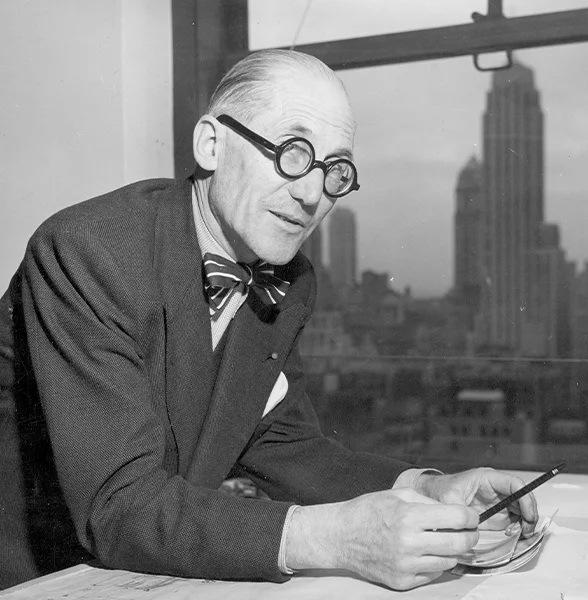
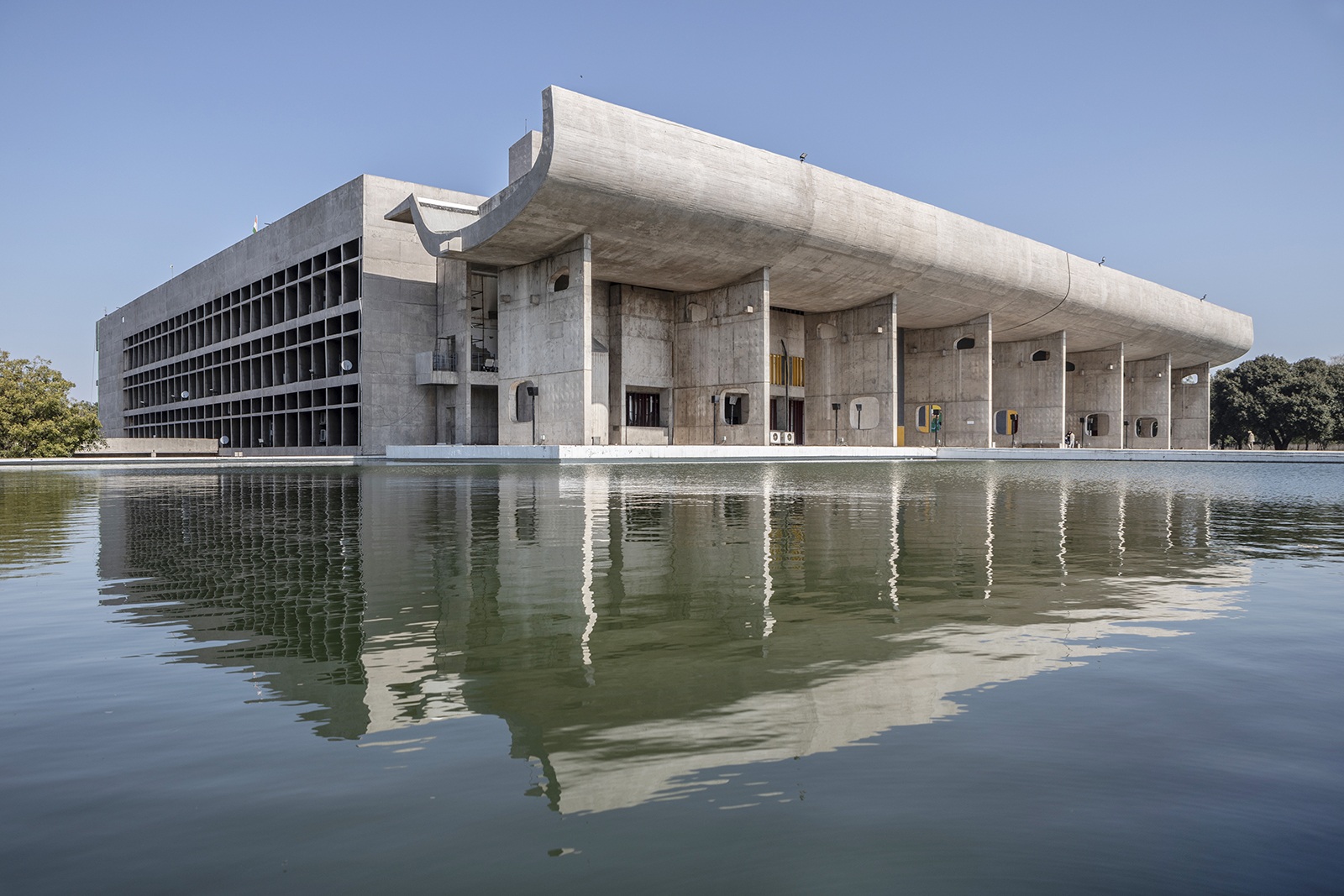
Charles-Édouard Jeanneret, known globally as Le Corbusier (1887–1965), remains the primary architect of the modern era. His work was characterized by a departure from the ornamental excesses of the 19th century toward a functionalist approach that he famously described as "a house is a machine for living in."
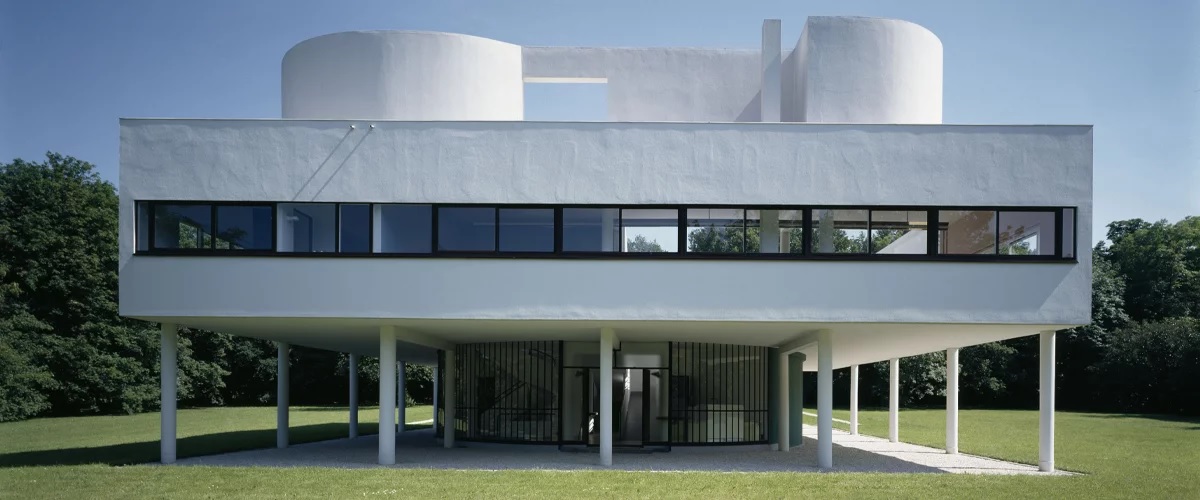
The completion of Villa Savoye in 1931 served as a manifesto for his "Five Points of Modern Architecture": the use of pilotis (slender columns), a free floor plan, a free façade, horizontal ribbon windows, and the roof garden. These elements, once radical, are now standard features in contemporary urban construction. In 2016, the universal significance of his work was formally recognized when UNESCO inscribed 17 of his projects across seven countries onto the World Heritage List. By 2026, the tenth anniversary of this designation has sparked renewed academic interest, evidenced by major exhibitions at Maison La Roche in Paris, which trace how his "architectural promenade" continues to inform modern museum and residential design.
Le Corbusier’s influence extended into the domestic sphere through furniture collaborations with Pierre Jeanneret and Charlotte Perriand. Pieces such as the LC2 Grand Confort armchair and the B306 Chaise Longue were not designed as mere accessories but as extensions of the architectural environment, prioritizing ergonomics and the industrialization of comfort.
I.M. Pei: Bridging History and Modernism
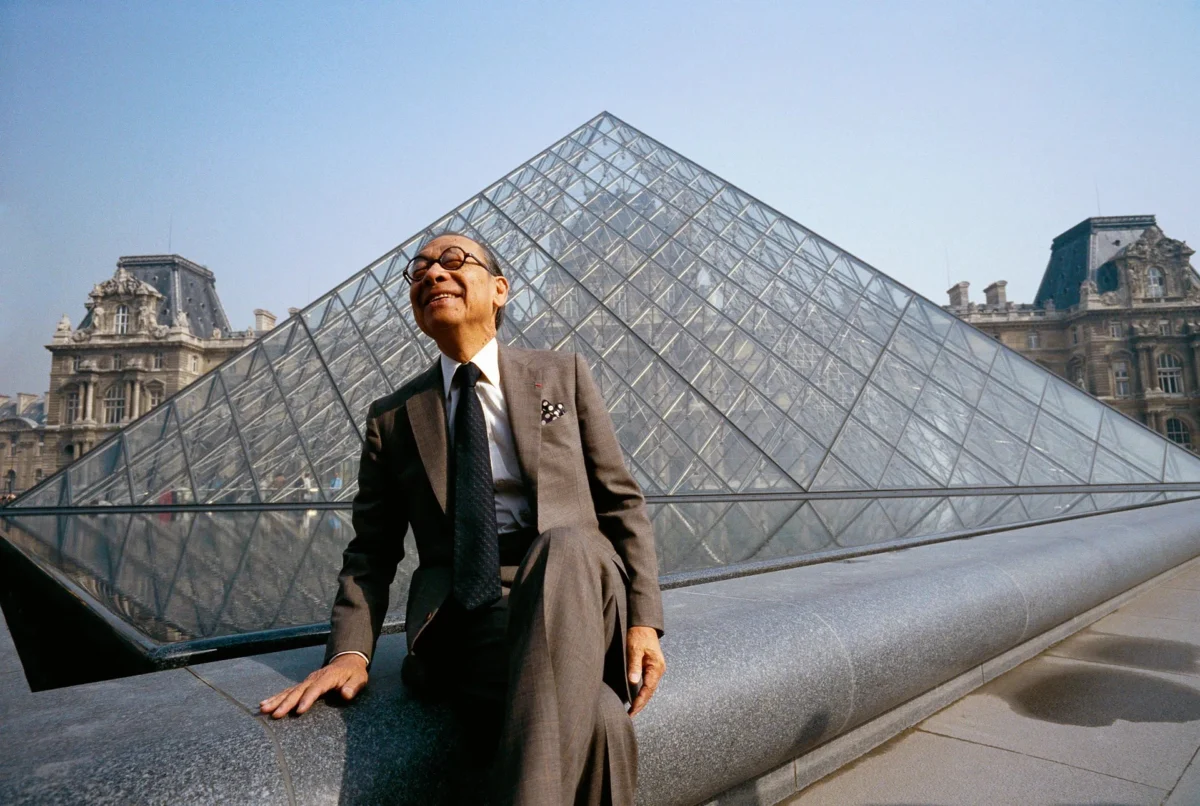
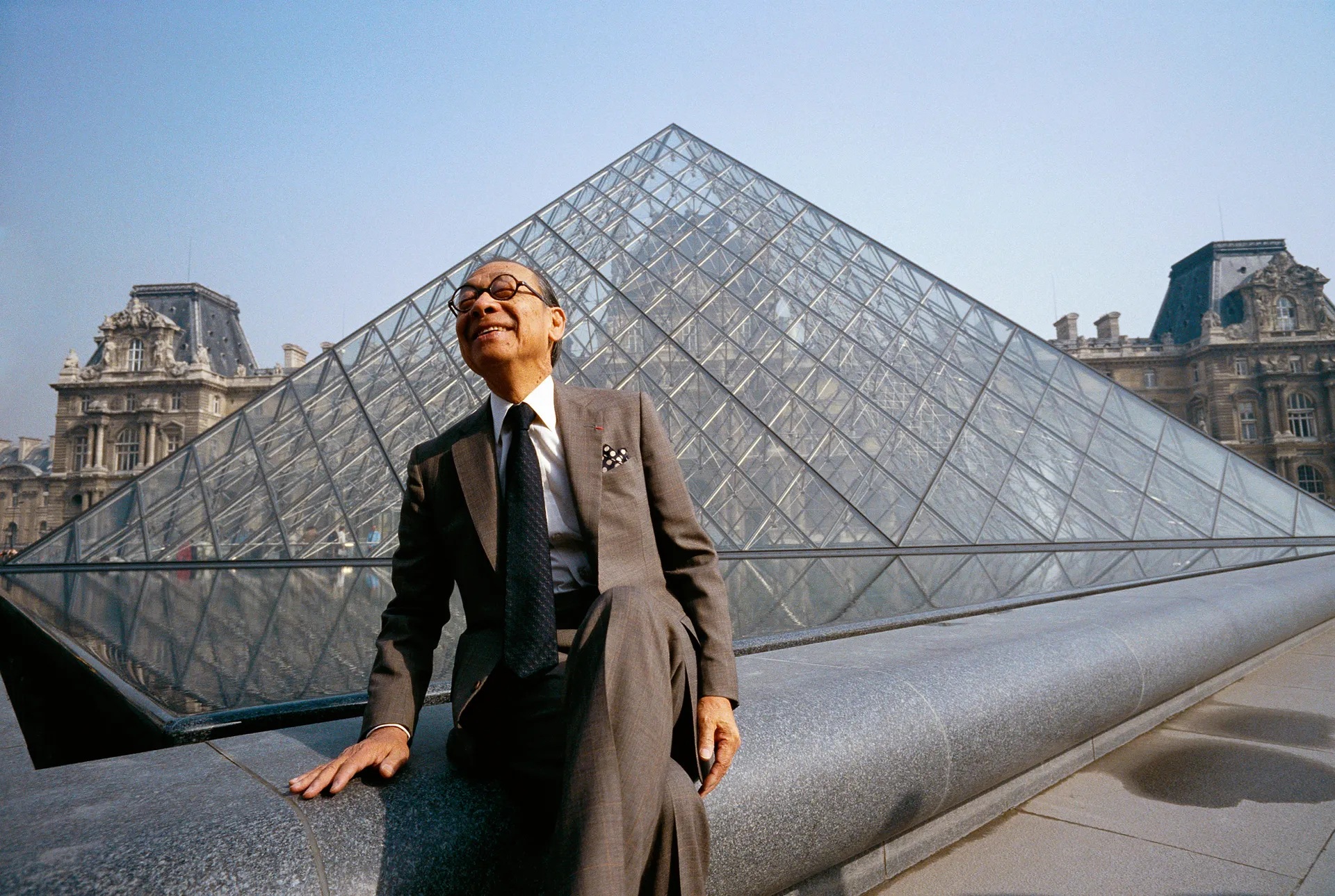
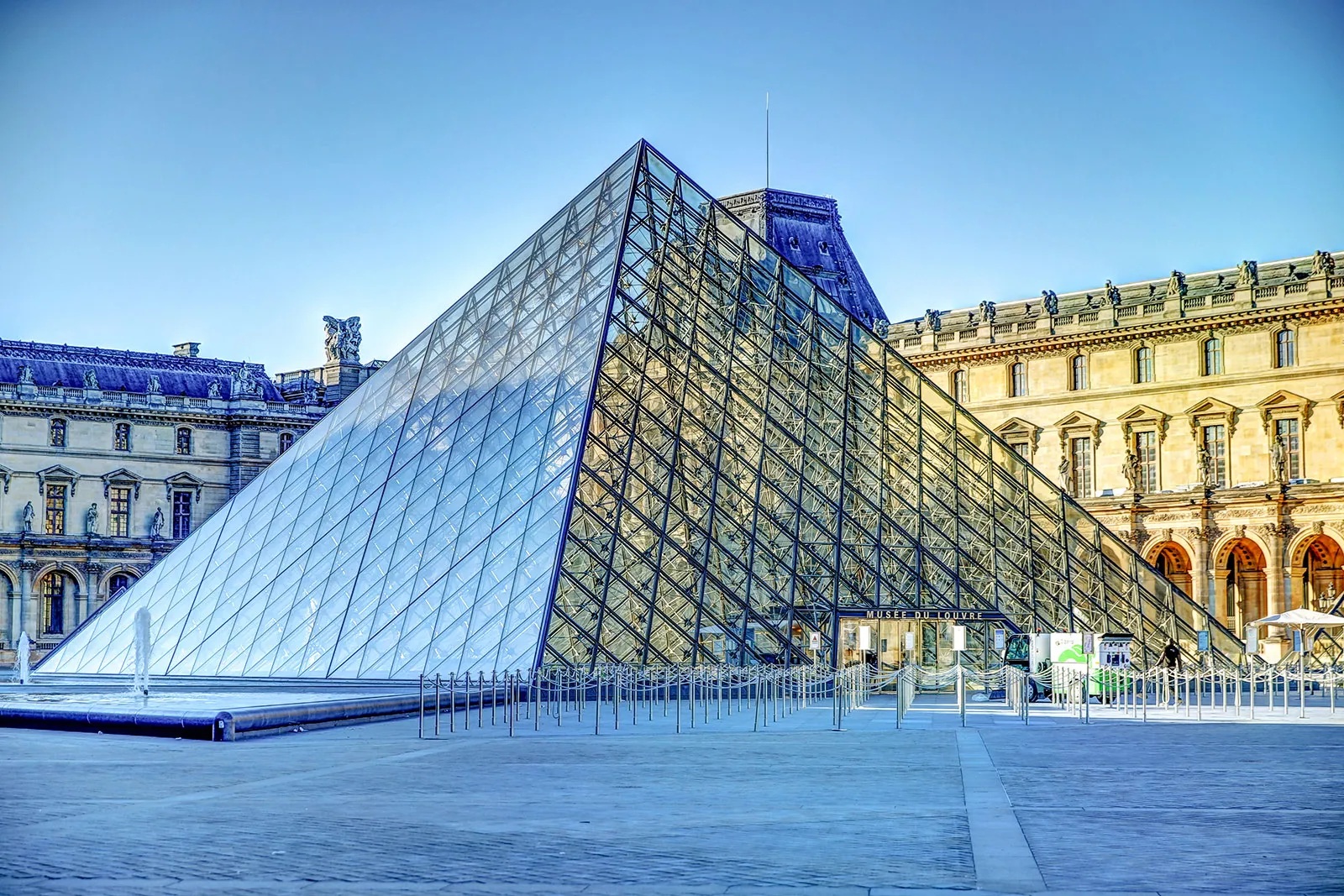
The late Ieoh Ming Pei (1917–2019) navigated the complex intersection of historical preservation and bold modernism. His most recognizable intervention, the Louvre Pyramid in Paris (1989), initially faced fierce public and political opposition. Critics argued that a glass geometric structure was an "intrusive" addition to the historic Cour Napoléon. However, the project solved a critical logistical problem: the need for a central entrance to handle increasing visitor volumes while maintaining the palace’s original perspectives.
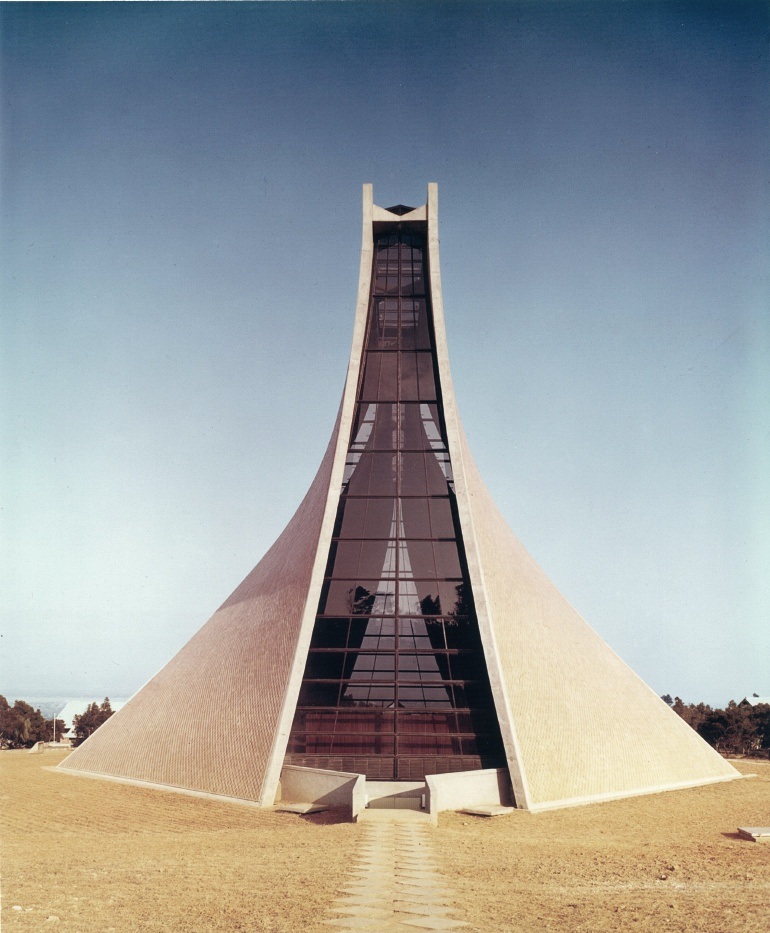
Pei’s mastery of geometry and light is further evidenced in the OCBC Centre in Singapore (1976) and the Luce Memorial Chapel in Taiwan (1965). His legacy has taken on a new dimension in 2026, as the Massachusetts Institute of Technology (MIT) announced the full acquisition of his project archive. This massive collection, featuring 1,500 rolls of drawings and 50 architectural models, provides a comprehensive record of an architect who successfully negotiated the demands of cultural heritage and contemporary utility.
Norman Foster: The Architecture of Performance and Engineering
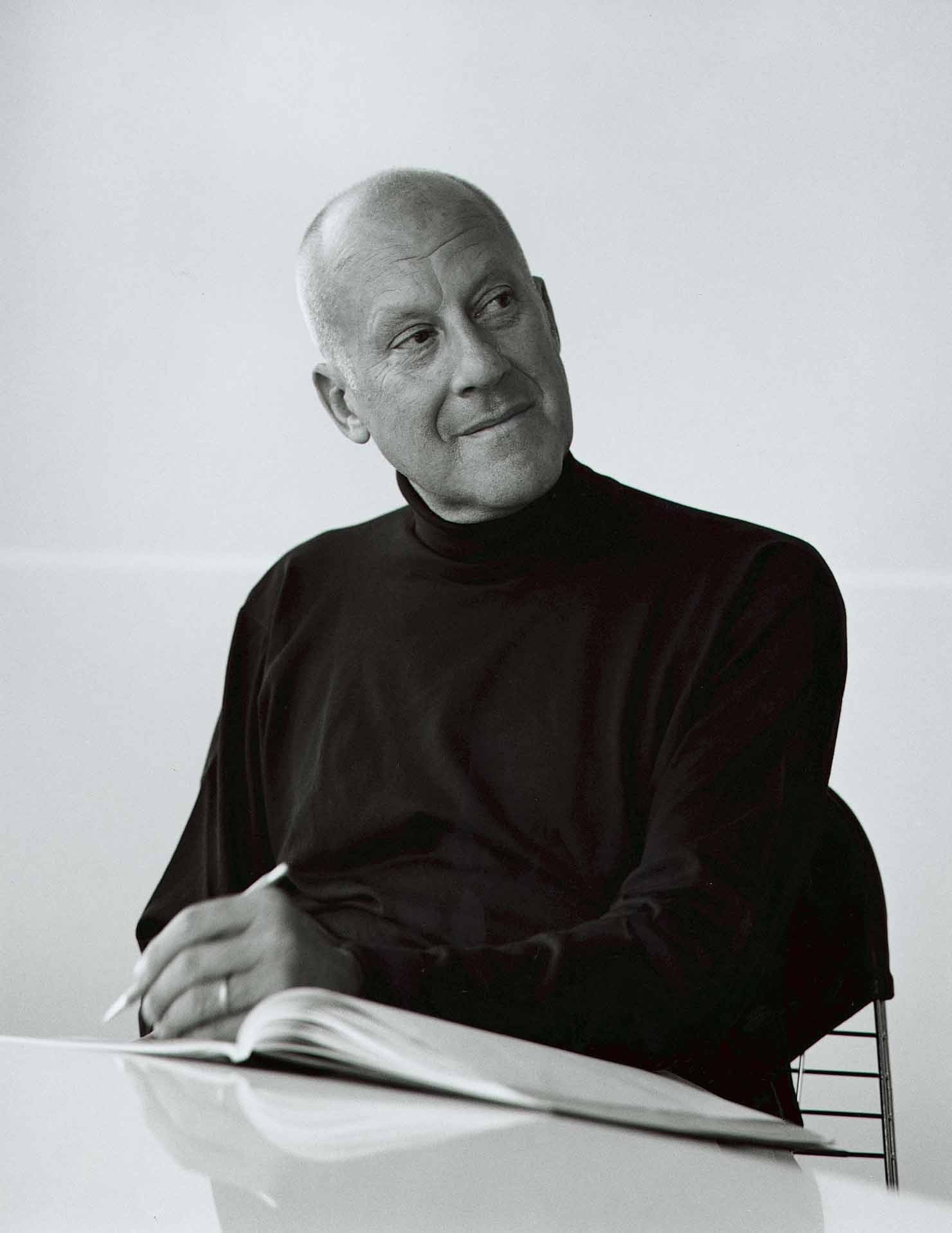
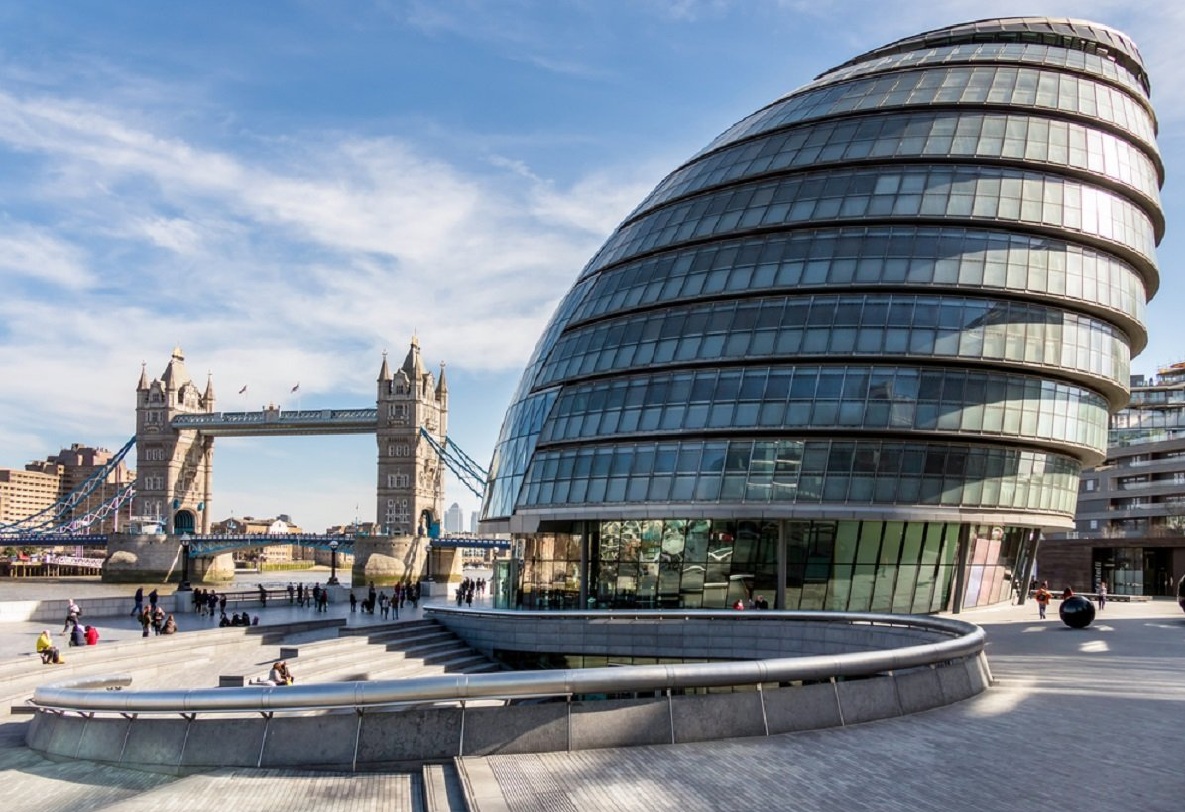
For Sir Norman Foster, architecture is a fusion of art, craft, and the science of making. His firm, Foster + Partners, pioneered the "High-Tech" movement, where structural engineering is not hidden but celebrated as a primary aesthetic element. The Reichstag in Berlin and 30 St Mary Axe (The Gherkin) in London exemplify this approach, using advanced environmental modeling to reduce energy consumption while creating iconic city silhouettes.
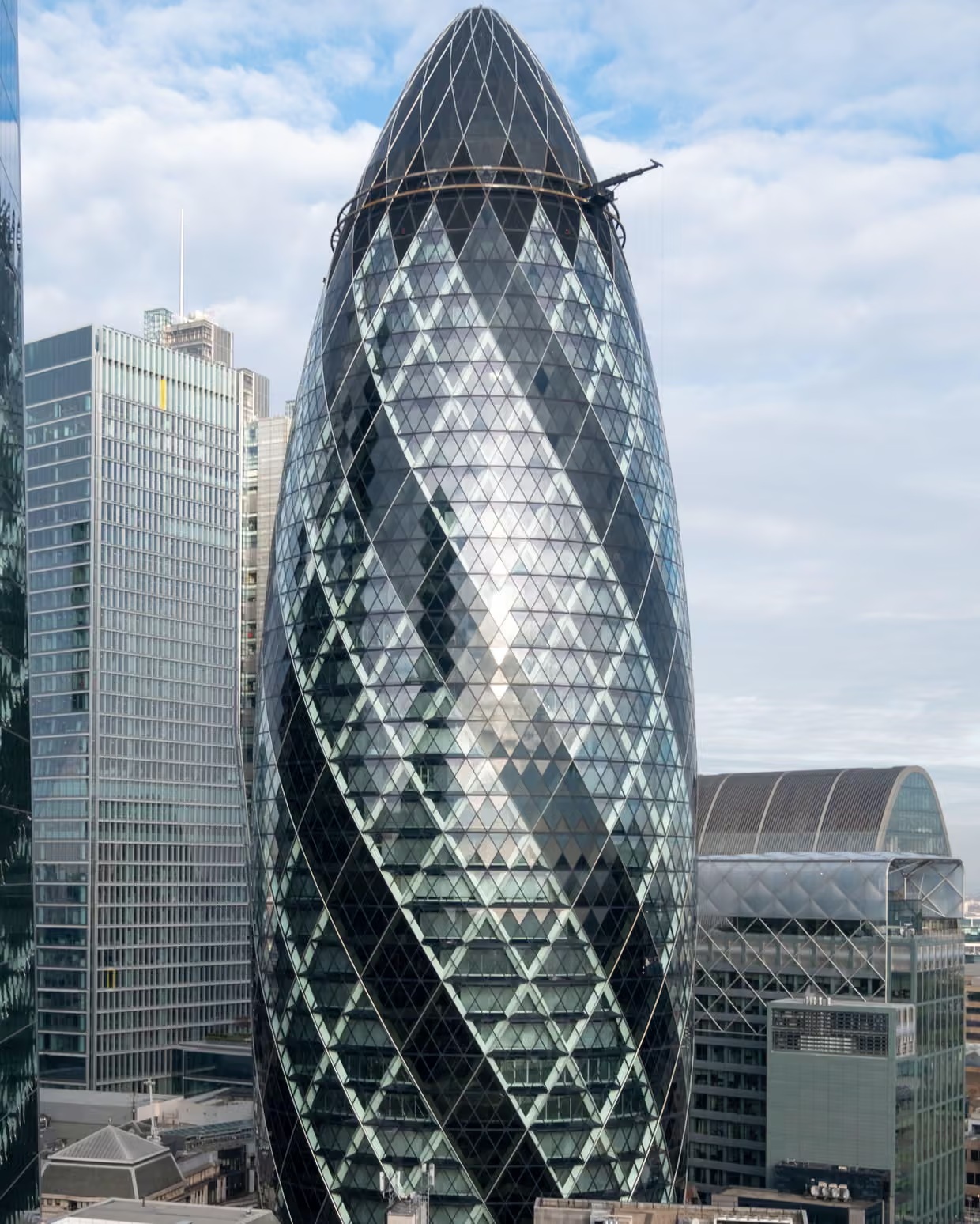
The transition of Foster’s philosophy into industrial design has been equally impactful. In 2026, his studio launched the Aion collection with Walter Knoll and the BEAM and COLUMN systems with Punt. These projects emphasize modularity and disassembly—concepts increasingly vital in a circular economy. Foster’s work demonstrates that technical precision can enhance the human experience, turning engineering into a sophisticated architectural language.
Zaha Hadid: Deconstructivism and the Digital Frontier
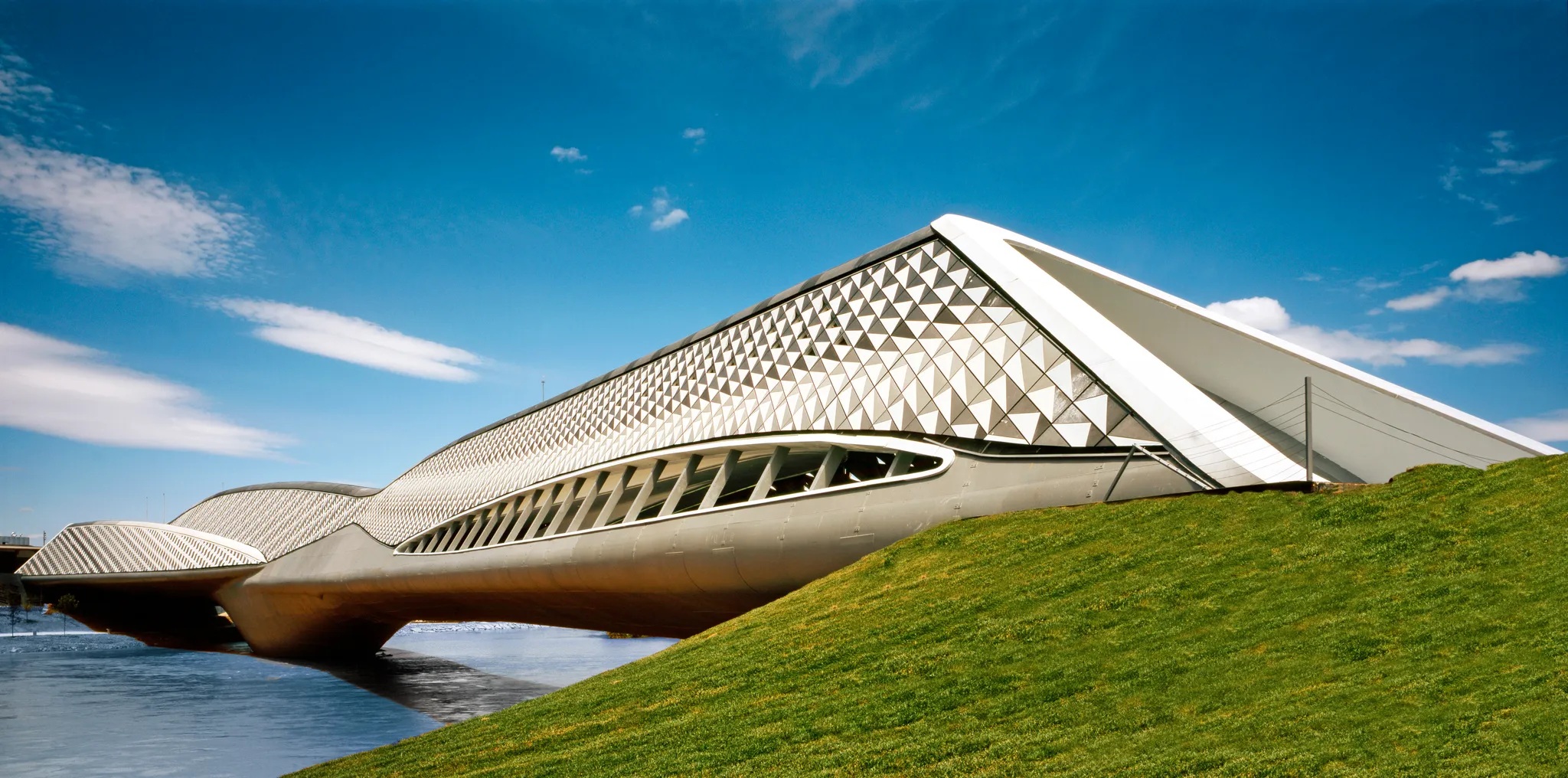
Zaha Hadid (1950–2016) was often referred to as the "Queen of the Curve." Her early career was defined by theoretical paintings and drawings that many believed were unbuildable. However, the advent of sophisticated digital modeling tools allowed her practice to realize fluid, fragmented forms that challenged the traditional Euclidean geometry of architecture.
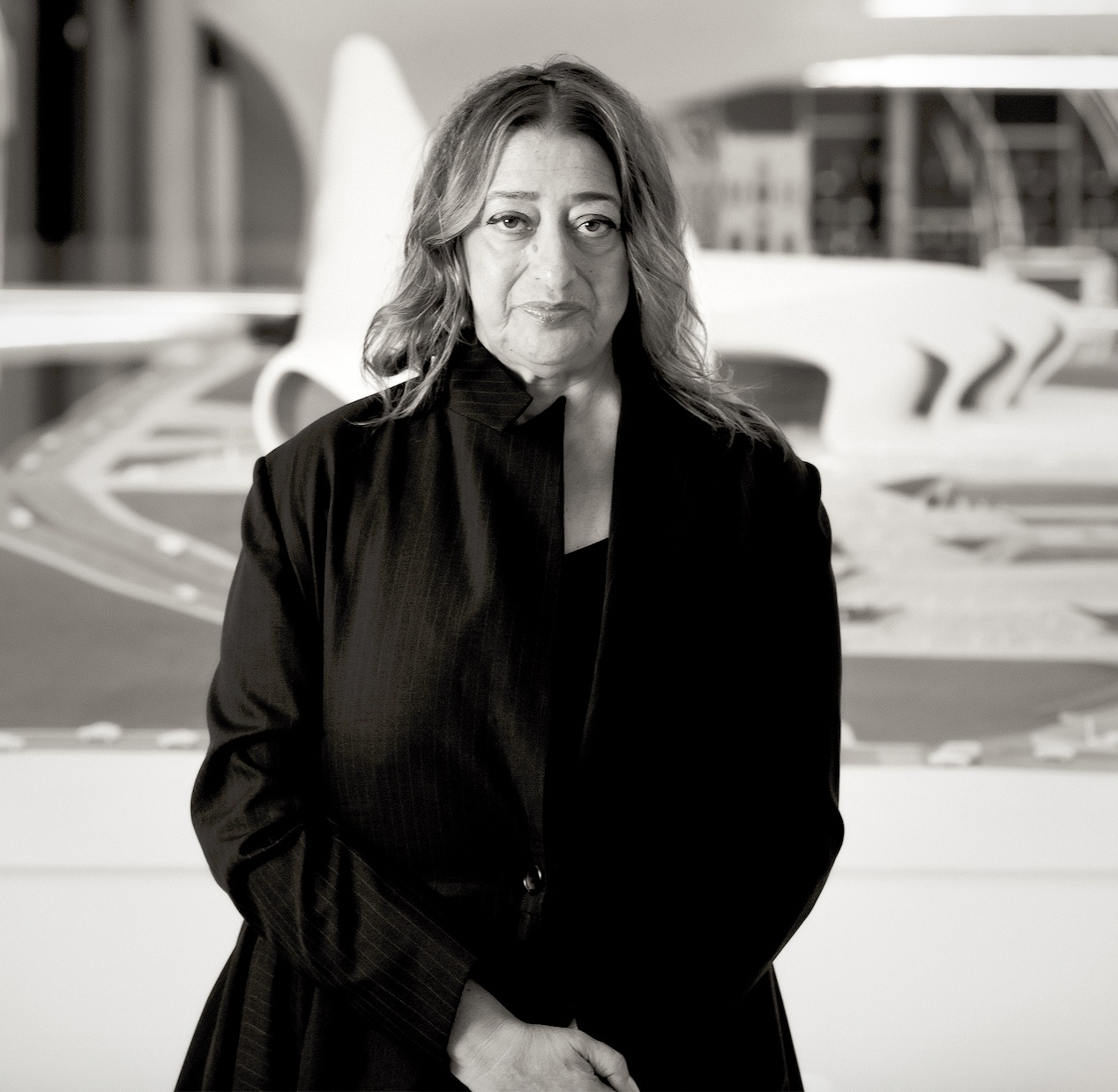
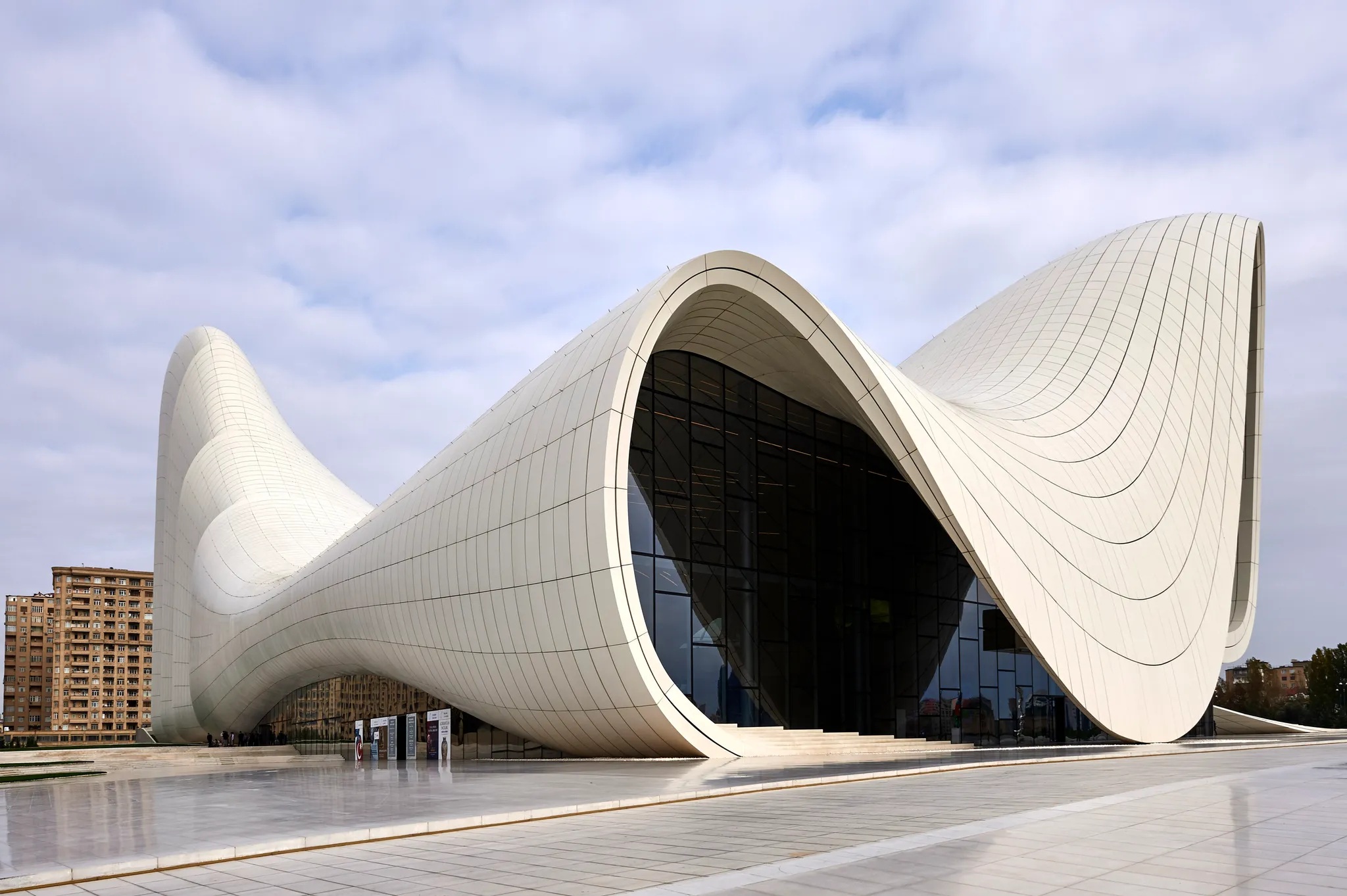
Projects like the Vitra Fire Station (1993) and the Heydar Aliyev Center (2012) transformed the landscape of their respective cities. In 2026, ten years after her passing, her influence remains a central pillar of the architectural discourse. The LUMA Arles exhibition in May 2026 showcased her archival notebooks and previously unseen interviews, highlighting how her radical imagination paved the way for the parametric design movement that dominates high-end architecture today.
Philippe Starck: The Democratization of Design
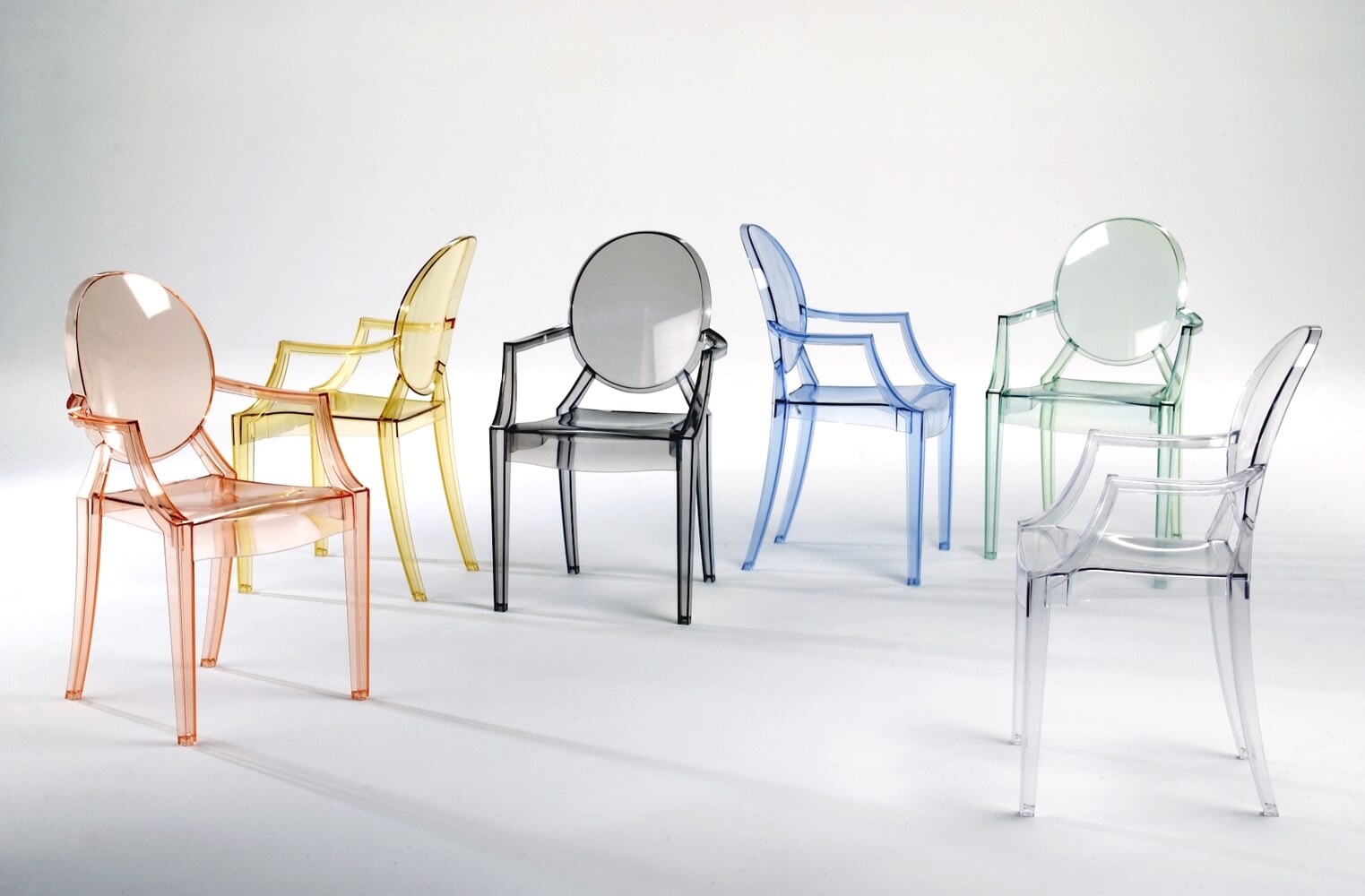
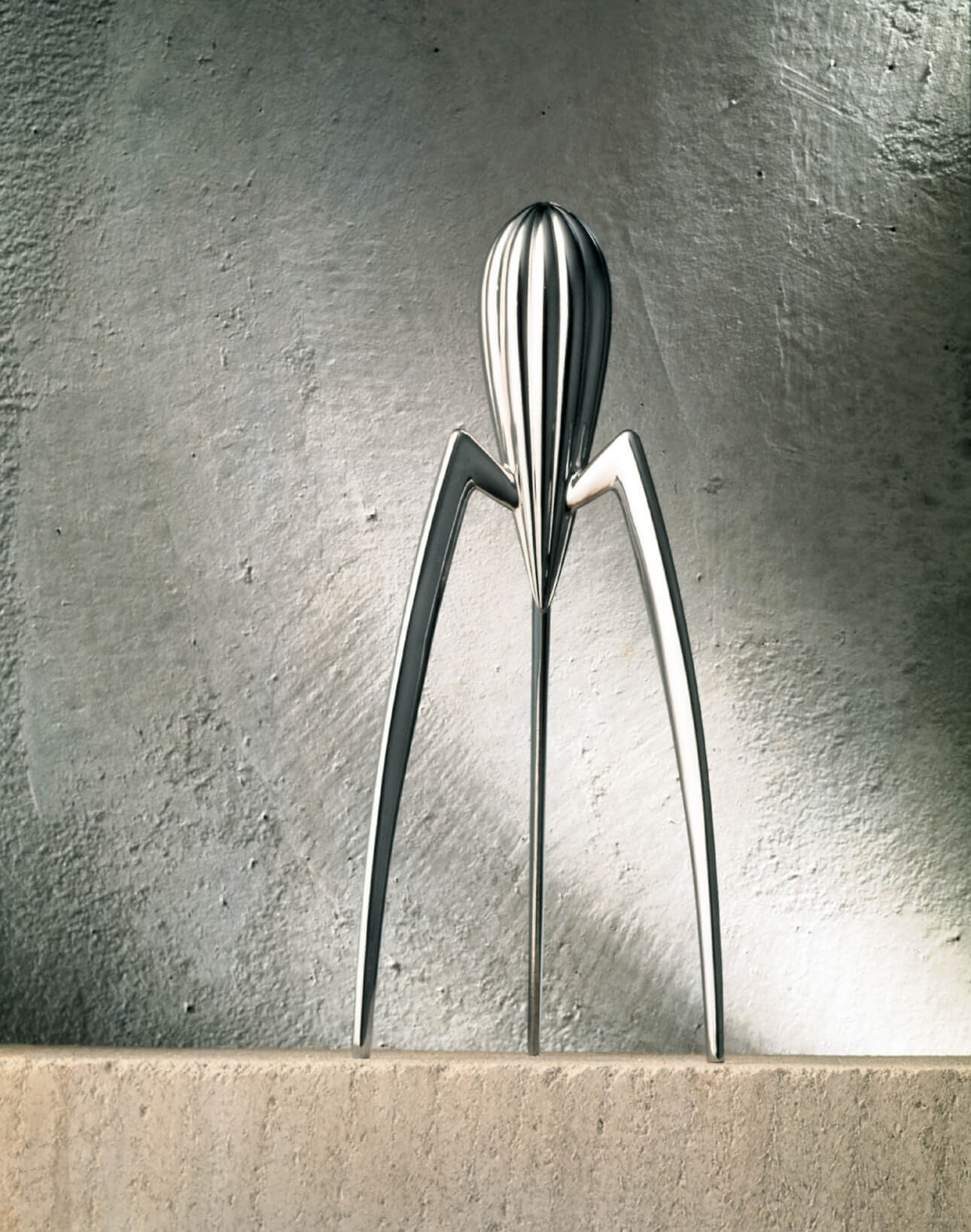
While architects like Pei and Foster reshaped skylines, Philippe Starck reshaped the objects within the home. Starck is credited with making high design accessible to the general public. His "Louis Ghost" chair (2002) for Kartell is perhaps the most widely recognized piece of contemporary furniture in the world. By reimagining a Louis XV armchair in transparent polycarbonate, Starck created an object that was stable, stackable, and humorous.
The longevity of Starck’s icons is supported by technological evolution. By 2026, the Louis Ghost chair has transitioned to "Polycarbonate 2.0," a sustainable material derived from cellulose and paper waste. This shift reflects a broader industry trend where iconic status must now be reconciled with environmental responsibility.
Ron Arad and Patricia Urquiola: Materials and Sensory Experience
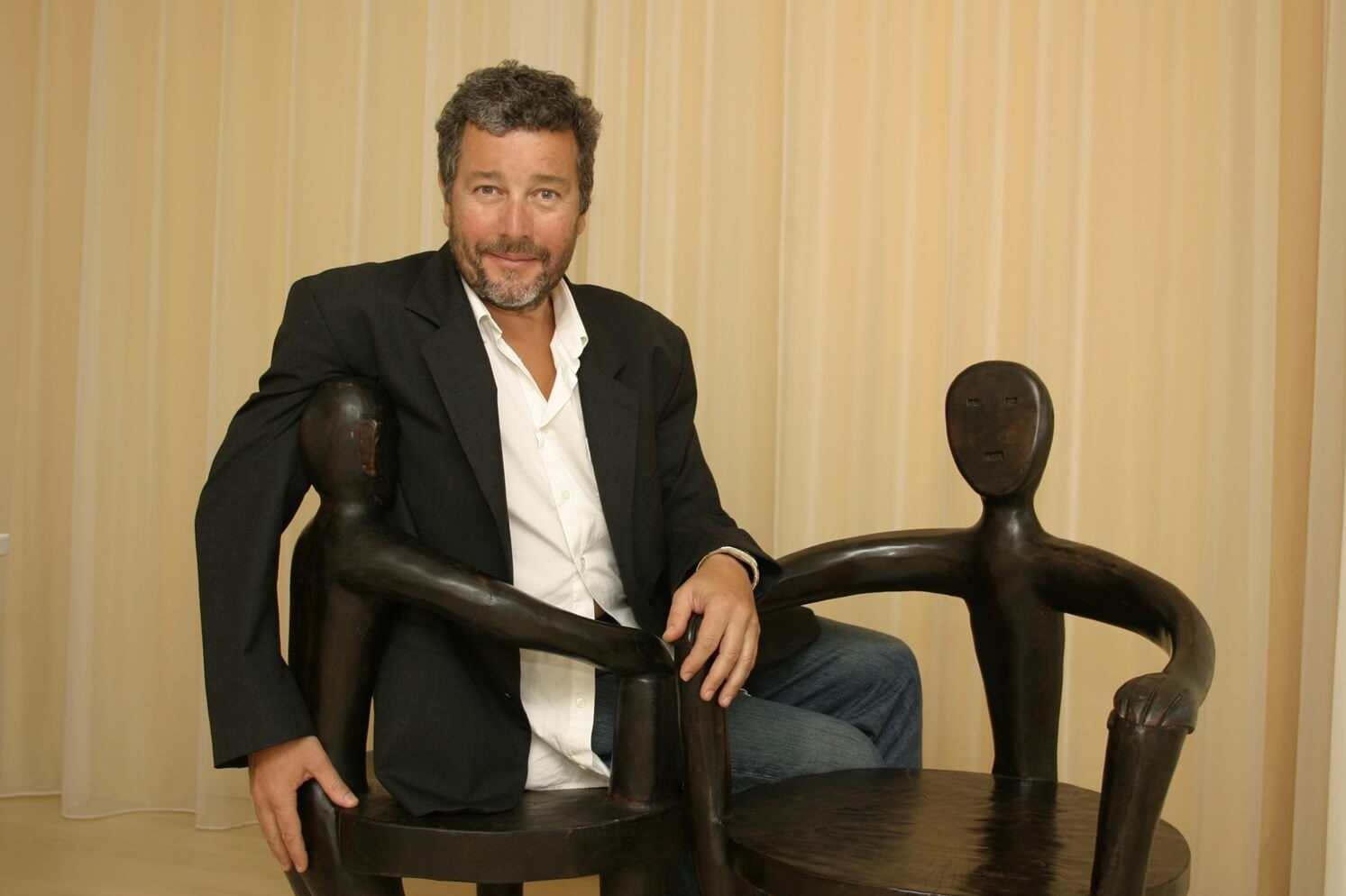
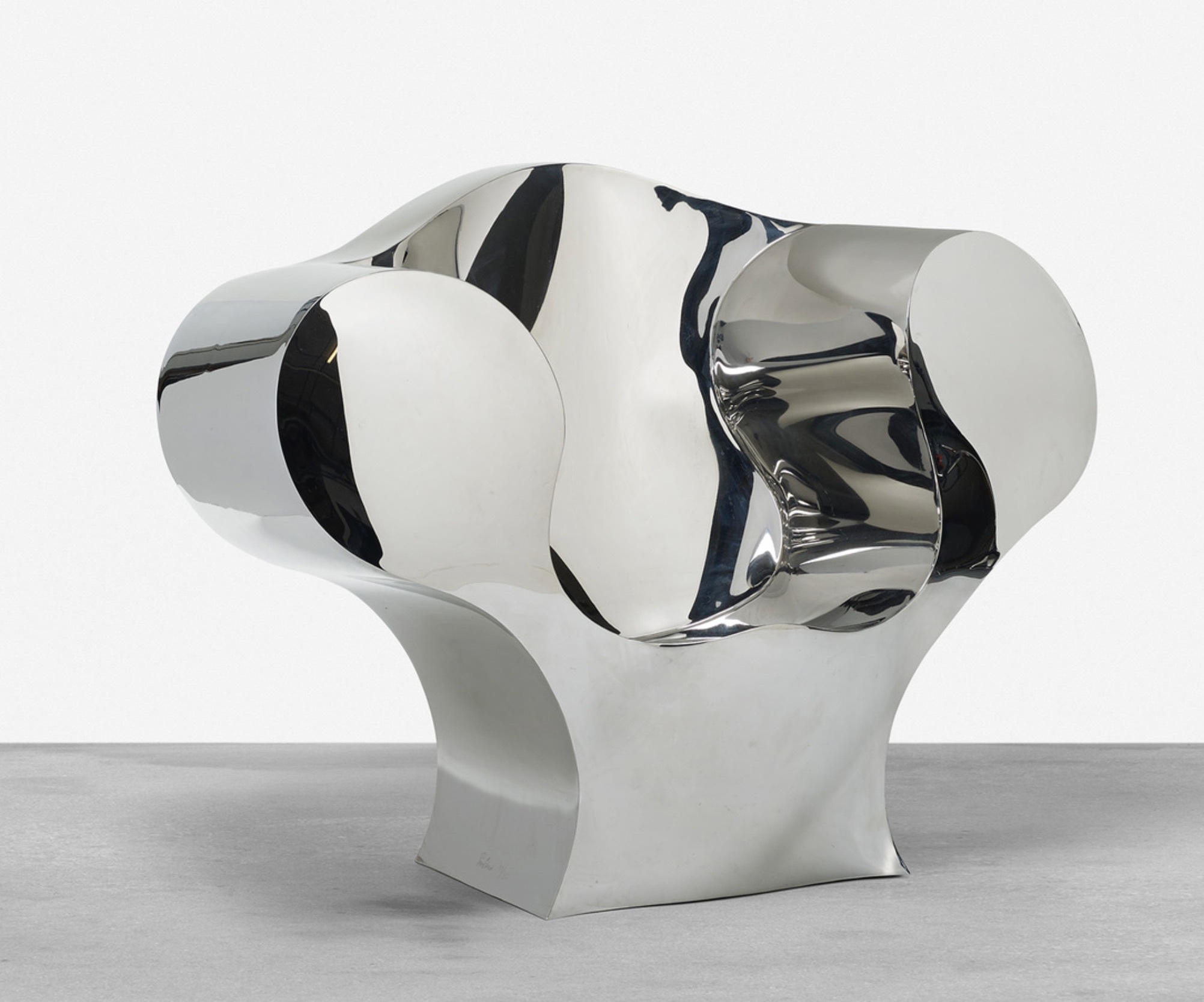
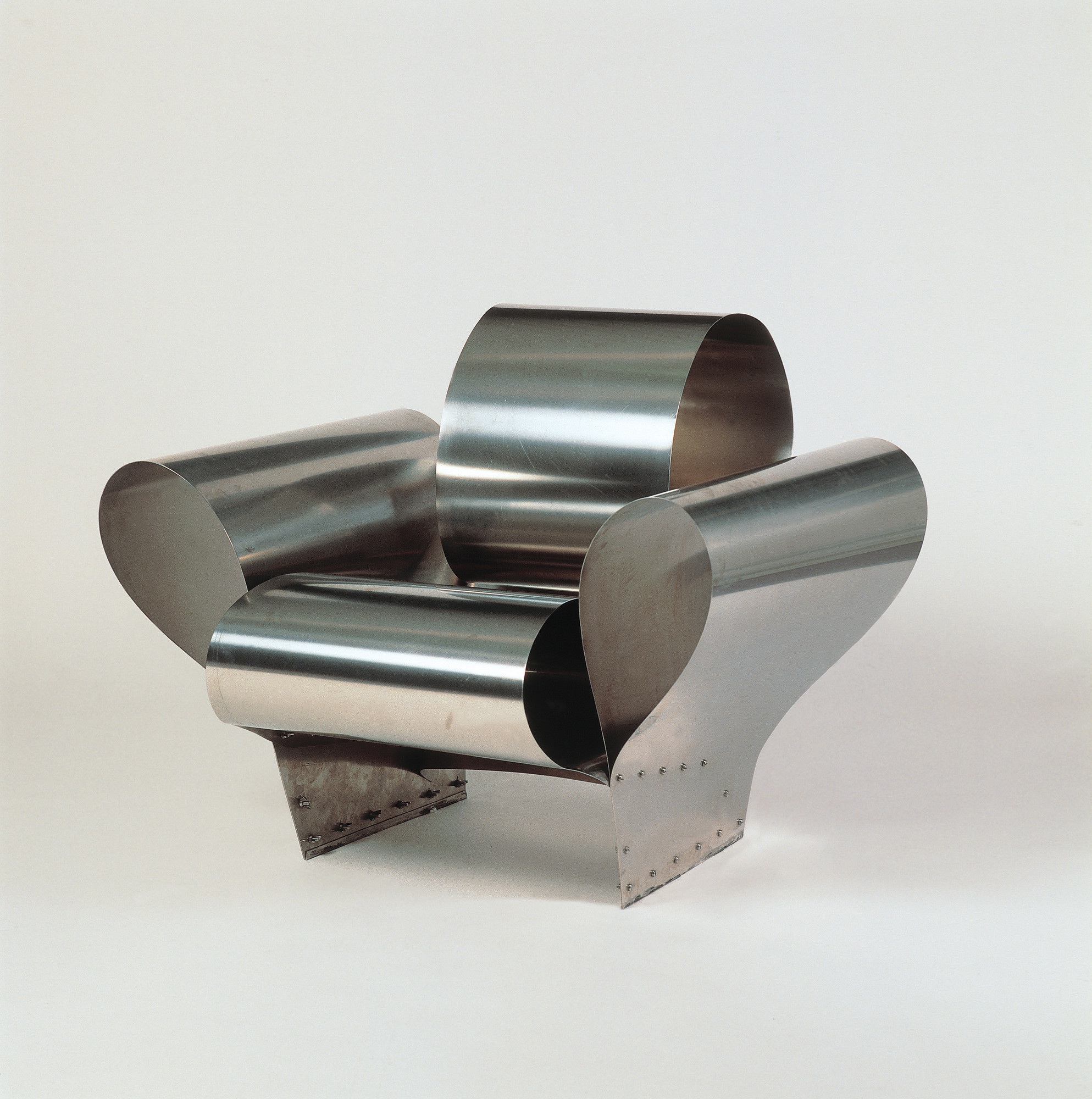
The boundary between art and functional design is perhaps most blurred in the work of Ron Arad. His 1981 Rover Chair and the sheet-steel "Big Easy" chair challenged the industry to view furniture as sculpture. A 2026 retrospective in Monaco highlighted how Arad’s experimentation with materials continues to inspire designers to prioritize the "object-hood" of furniture over mere utility.
Conversely, Patricia Urquiola has built a legacy based on empathy and material sensuality. As the creative director of Cassina and a frequent collaborator with brands like Moroso and Haworth, Urquiola focuses on how texture and color influence the human psyche. Her 2026 iF Design Lifetime Achievement Award underscores her role as a leader in contemporary design, where the "iconic" is found in the sensory richness of an environment rather than a singular monumental form.
Antonio Citterio: The Persistence of Restraint
In contrast to the bold gestures of Hadid or Starck, Antonio Citterio’s work is a testament to the power of understatement. His designs for Flexform and Vitra, such as the "Groundpiece" sofa (2001) and the "Grand Repos" chair (2011), prioritize long-term comfort and ergonomics. Citterio’s approach suggests that an icon does not need to shout to be heard; instead, it becomes iconic through decades of reliable use.
His recent updates to the ACX chair in 2026 focus on recycled materials and "self-adapting" mechanisms, proving that functional restraint is often the most enduring form of design. For Citterio, the measure of success is how well an object lives with its owner over a lifetime.
Chronology of Key Design Milestones
- 1931: Completion of Villa Savoye (Le Corbusier) – Establishes the Five Points of Modernism.
- 1965: Luce Memorial Chapel (I.M. Pei) – Merges geometric modernism with spiritual space.
- 1976: OCBC Centre (I.M. Pei) – Redefines the Southeast Asian skyline.
- 1981: Rover Chair (Ron Arad) – Blurs the line between found-object art and furniture.
- 1989: Louvre Pyramid (I.M. Pei) – A landmark moment for historical-modernist integration.
- 1993: Vitra Fire Station (Zaha Hadid) – First major realized work of the deconstructivist icon.
- 2002: Louis Ghost Chair (Philippe Starck) – The beginning of mass-market "designer" furniture.
- 2011: Grand Repos (Antonio Citterio) – A benchmark for ergonomic luxury.
- 2016: UNESCO Inscription of Le Corbusier’s works – Formal global recognition of modernist heritage.
- 2026: MIT acquires I.M. Pei’s archive; Patricia Urquiola receives the iF Design Lifetime Achievement Award.
Broader Impact and Industry Implications
The enduring influence of these eight figures has profound implications for the future of the built environment. As the world faces a climate crisis, the "ideas" of these icons are being repurposed. The modularity of Foster, the material innovation of Urquiola, and the functional longevity of Citterio are no longer just aesthetic choices; they are blueprints for sustainable development.
Official responses from institutions like the Zaha Hadid Foundation and the Serpentine Gallery indicate a shift toward using these legacies as platforms for new talent. Collaborative programs established in 2026 focus on "experimentation as a tradition," ensuring that the radical spirit of the past informs the solutions of the future.

Ultimately, the status of a design icon is confirmed when the name of the creator becomes secondary to the idea itself. The open floor plans we live in, the ergonomic chairs we work in, and the glass-and-steel cities we inhabit are the living archives of these visionaries. Their work proves that while buildings may age and furniture may wear, a truly transformative idea is permanent.
