
 By Nila Kartika Wati
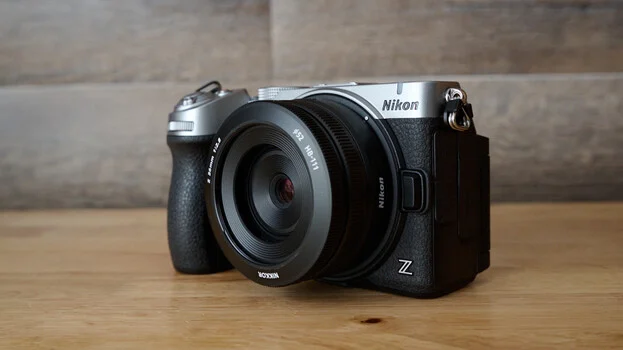
Nikon has unveiled its latest addition to the mirrorless camera lineup, the Z5IIC, a full-frame 24.5-megapixel hybrid mirrorless camera positioned as an entry-level offering designed for casual users. Priced at an accessible $1,399, the Z5IIC aims to serve as a gateway for smartphone photographers seeking to transition to a more capable interchangeable lens system, leveraging Nikon’s established Z-mount ecosystem. This strategic release underscores Nikon’s efforts to broaden its market appeal, particularly among younger, screen-first demographics.
Strategic Positioning and Market Context
The introduction of the Nikon Z5IIC is a significant move in the highly competitive mirrorless camera market. Nikon has explicitly stated that the "C" in Z5IIC stands for "casual," signaling its target audience and design philosophy. This camera is not intended to compete directly with Nikon’s professional-grade tools like the Z9 or even mid-range offerings such as the Z6III. Instead, it is meticulously crafted for beginners and enthusiasts who prioritize ease of use, portability, and value without compromising on full-frame image quality. This approach aligns with broader industry trends where manufacturers are increasingly segmenting their product lines to cater to diverse user needs, from professional content creation to everyday casual photography.
The mirrorless camera market has seen substantial growth and evolution over the past decade, largely driven by technological advancements and shifting consumer preferences away from traditional DSLRs. Within this landscape, the entry-level full-frame segment holds particular importance. It offers an aspirational step up for users accustomed to smaller sensors or smartphone cameras, providing superior image quality, low-light performance, and creative control without the premium price tag typically associated with professional full-frame bodies. Nikon’s Z-mount system, known for its large diameter and short flange distance, facilitates the design of high-performance lenses, which is a key advantage for new users looking to invest in a growing system.
Key Features and Distinguishing Characteristics
At its core, the Nikon Z5IIC is built around a 24.5-megapixel full-frame sensor, capable of delivering detailed still images and robust video performance. A standout feature, particularly for its price point, is its ability to record N-RAW video up to 30 frames per second. N-RAW is Nikon’s proprietary RAW video format, offering significant flexibility in post-production for color grading and exposure adjustments, a capability typically reserved for higher-end cameras. This inclusion suggests Nikon’s recognition of the growing importance of video for content creators, even at the entry level. The camera also includes a tally lamp, a practical addition for those who frequently film themselves, a common practice among casual content creators in today’s digital landscape.
One of the most notable aspects of the Z5IIC, and indeed its primary differentiating factor from its predecessor, the Z5II, is the absence of an Electronic Viewfinder (EVF). Nikon’s press materials indicate this decision was informed by market research suggesting that a significant portion of younger users are "screen-first" operators, preferring to compose shots using the rear LCD. The removal of the EVF allows Nikon to offer the Z5IIC at a lower price point, making full-frame photography more accessible. While this omission might be a point of contention for traditional photographers, it reflects a calculated move to align with contemporary user habits and achieve a more competitive retail price of $1,399.
Design, Ergonomics, and User Experience
The Z5IIC’s design philosophy prioritizes simplicity and user-friendliness. The camera incorporates a Scene setting on its top dial, allowing beginners to quickly select optimal shooting modes for various common scenarios such as parties, pets, or sunsets. This feature is crucial for helping new photographers achieve well-exposed images without delving into complex manual settings. Additionally, it offers an option to add customizable levels of grain to images, catering to stylistic preferences.
Ergonomically, the Z5IIC aims for portability and comfortable handling. The review unit, featuring a silver-topped finish, was noted for its aesthetic appeal, drawing comparisons to the retro-inspired Nikon Z f. When paired with compact lenses like the NIKKOR Z 26mm f/2.8, the Z5IIC approaches pocketability, enhancing its appeal for casual everyday carry. This emphasis on design and portability is a deliberate strategy to encourage consistent use, much like the Z f has done for many enthusiasts.
However, the transition from the Z5II to the Z5IIC involves certain trade-offs beyond the EVF. The Z5IIC features a single memory card slot, a departure from the dual slots found in the Z5II. While this might not be a concern for casual users who do not require immediate in-camera backups for critical events like weddings or professional assignments, it is a point of consideration for those with more demanding workflows. The LCD screen on the Z5IIC is also less detailed than that of the Z5II, though it remains serviceable for its intended purpose. The camera utilizes the widely adopted EN-EL series batteries, ensuring compatibility with existing Nikon users’ accessories and potentially reducing overall acquisition costs. Unlike some higher-end models, it lacks a digital top display for quick setting checks and a dedicated autofocus joystick, relying on the touch screen for AF point adjustments and allowing the AE-L/AF-L button to be reprogrammed for AF-ON functionality.
The Z5II Context: An Excellent Foundation
To fully understand the Z5IIC, it is imperative to consider its direct lineage: the Nikon Z5II. The Z5II, released approximately a year prior, established itself as a remarkably strong contender in the full-frame mirrorless market, offering an exceptional balance of features and value. It shares the same 24.5 MP full-frame sensor and robust autofocus performance with the Z5IIC. Critically, the Z5II also boasts N-RAW video recording capabilities up to 30 fps, a feature that solidified its position as a highly versatile camera for both stills and video at its price point. Many industry observers considered the Z5II to be one of the best value-for-money cameras on the market due to its comprehensive feature set, including an EVF and dual card slots.
The Z5IIC, therefore, can be accurately described as a derivative of the Z5II, primarily distinguished by the removal of the EVF and one card slot, resulting in a $300 price reduction. This strategic differentiation allows Nikon to cater to two distinct segments: those who prioritize the full feature set of the Z5II (EVF, dual card slots) and are willing to pay a slightly higher price, and those who are more budget-conscious, screen-first users for whom the EVF is not a priority. This "tiered" offering within the entry-level full-frame segment provides consumers with clear choices based on their specific needs and budget constraints.
Broader Implications for the Nikon Ecosystem
Nikon’s release of the Z5IIC highlights a nuanced strategy to solidify its position in the mirrorless market and expand its user base. By offering an affordable full-frame body, Nikon aims to attract new users into its Z-mount ecosystem, where they can gradually upgrade lenses and potentially camera bodies as their skills and needs evolve. The Z-mount, with its growing collection of high-quality lenses, represents a significant investment for new users, and an accessible entry point like the Z5IIC can foster long-term brand loyalty.
The presence of the Z5IIC alongside other diverse offerings like the stylish Z f, the video-centric ZR, and the more robust Z5II creates a rich choice for consumers within the $1,000 to $2,500 price bracket. This comprehensive lineup ensures that Nikon can address a wide spectrum of user preferences, from those prioritizing retro aesthetics and tactile controls (Z f) to those needing advanced video features (ZR) or a more traditional full-frame experience (Z5II). The Z5IIC specifically targets the segment that might otherwise opt for advanced smartphones or entry-level APS-C cameras, providing a compelling full-frame alternative that emphasizes simplicity and value.
The decision to omit the EVF, while potentially controversial among seasoned photographers, aligns with observed shifts in user behavior, particularly among younger demographics accustomed to composing shots on smartphone screens. If Nikon’s market research proves accurate, this move could significantly lower the barrier to entry for a new generation of photographers, drawing them into the world of interchangeable lens cameras through a familiar interaction model. This strategic gamble could pay off by expanding Nikon’s reach beyond its traditional enthusiast and professional base.
Conclusion and Future Outlook
The Nikon Z5IIC represents a calculated and strategic offering in the entry-level full-frame mirrorless camera market. Its combination of a 24.5-megapixel full-frame sensor, N-RAW video capabilities, user-friendly design, and a competitive price point of $1,399 positions it as a compelling option for casual photographers transitioning from smartphones or smaller-sensor cameras. While the absence of an EVF and a second card slot are notable omissions compared to its sibling, the Z5II, these decisions are deliberate choices to reduce cost and cater to a specific "screen-first" demographic.
Nikon’s current lineup offers a robust selection for users within the budget-to-mid-range segment, ensuring that whether a user prioritizes an EVF, dual card slots, advanced video, or distinct styling, there is a Z-mount camera to meet their needs. The Z5IIC, with its focus on accessibility and value, effectively serves as a crucial entry point into the Nikon ecosystem, fostering growth and brand loyalty among a new generation of photographers. Its stylish body and powerful core specifications, despite its "casual" designation, make it a significant contender in its category and a testament to Nikon’s adaptive strategy in the evolving digital imaging landscape.
