
 By admin
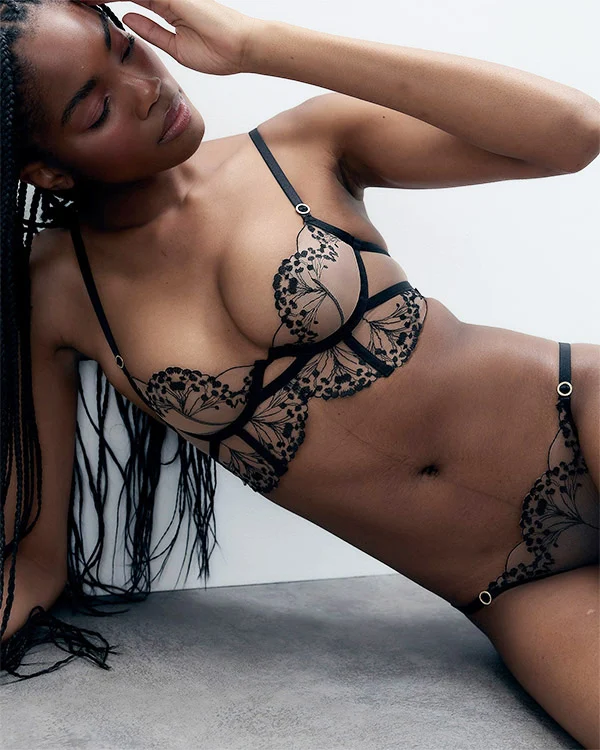
The British lingerie sector has witnessed a significant transformation over the past two decades, characterized by a shift away from traditional marketing tropes toward a focus on female empowerment and "accessible luxury." At the forefront of this movement is Bluebella, a London-based label that has successfully navigated the complexities of the global fashion market to become a dominant force in both digital and physical retail. Founded in 2005 by Emily Bendell, the brand has evolved from a niche startup into an international powerhouse, currently stocked in major department stores worldwide and maintaining a prestigious partnership as one of the few third-party brands sold through Victoria’s Secret.
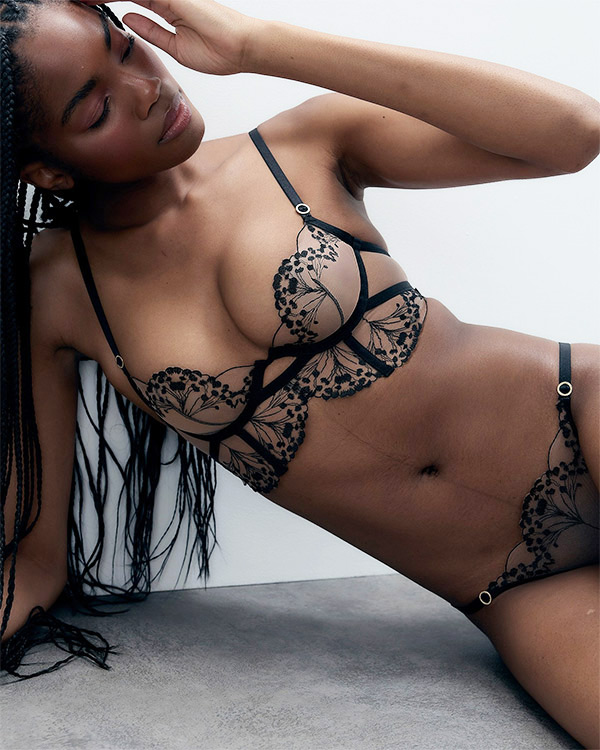
As Bluebella approaches its third decade of operation, the company’s trajectory offers a definitive case study in identifying and filling a market void. By positioning itself between mass-market budget options and prohibitively expensive heritage brands, Bluebella has captured a demographic of modern consumers who prioritize directional design, high-quality materials, and inclusive sizing without the haute couture price tag.
The Genesis of a Disruptive Fashion Identity
The origins of Bluebella are rooted in an unconventional career path. Founder Emily Bendell did not begin her professional life in fashion design or garment manufacturing. Instead, she pursued a rigorous academic path, studying Politics, Philosophy, and Economics (PPE) at Oxford University. Following her graduation, Bendell transitioned into legal journalism, a field requiring analytical precision and a keen understanding of institutional structures.
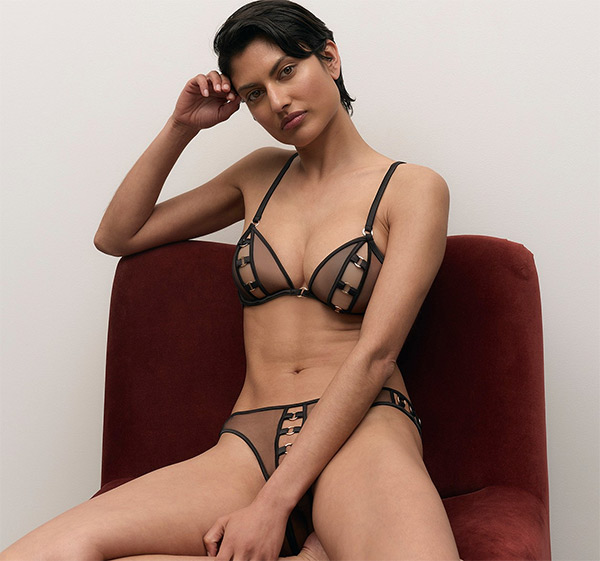
However, the impetus for Bluebella originated from a part-time role Bendell held during her university years at an adult lingerie boutique. During this tenure, she observed a stark polarization in the market. The available products were often divided into two categories: inexpensive, "gaudy" items that lacked comfort and sophistication, or high-end luxury pieces that were financially inaccessible to the average consumer. This observation sowed the seeds for a business model centered on the "missing middle"—a space for lingerie that felt sensual and elevated but remained attainable.
Launching in 2005, Bendell sought to redefine the purpose of lingerie. Rather than adhering to the historical "male gaze" perspective of the industry, Bluebella was built on the philosophy that strength and sensuality are everyday components of a woman’s identity. This "for her, by her" approach preceded the broader industry shift toward female-centric marketing by over a decade, giving Bluebella a first-mover advantage in the contemporary empowerment era.
Strategic Milestones and the Fifty Shades Catalyst
While the brand saw steady growth in its early years, a pivotal moment occurred in 2013. Bluebella secured the official global license to create a lingerie collection inspired by the Fifty Shades of Grey literary phenomenon. This collaboration served as a significant catalyst for international brand recognition. Unlike the kitsch merchandise often associated with book tie-ins, Bendell’s team produced a collection that was critically acclaimed for its design integrity and sophisticated aesthetic.
The success of the collaboration demonstrated Bluebella’s ability to handle high-volume demand while maintaining a distinct brand voice. This period marked the beginning of the brand’s ascent in the eyes of industry tastemakers. Consequently, Bluebella has been awarded the prestigious Drapers "Lingerie Brand of the Year" title three times, an achievement that underscores its consistency in a volatile retail environment.
Product Innovation: Underwear as Outerwear
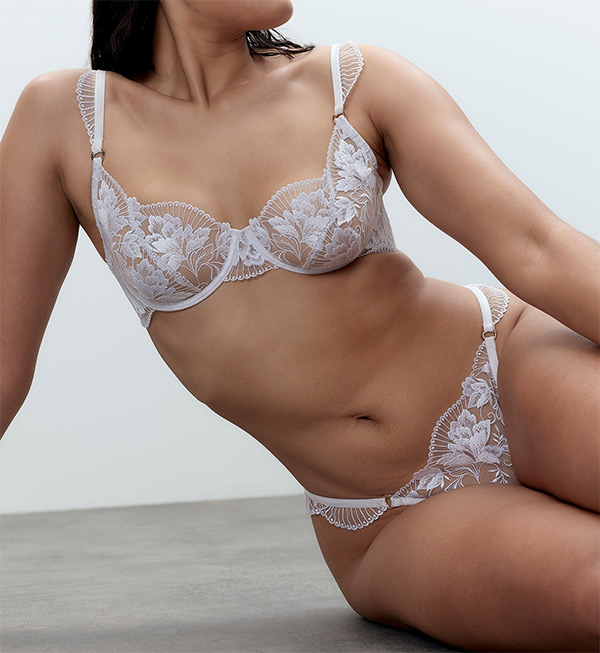
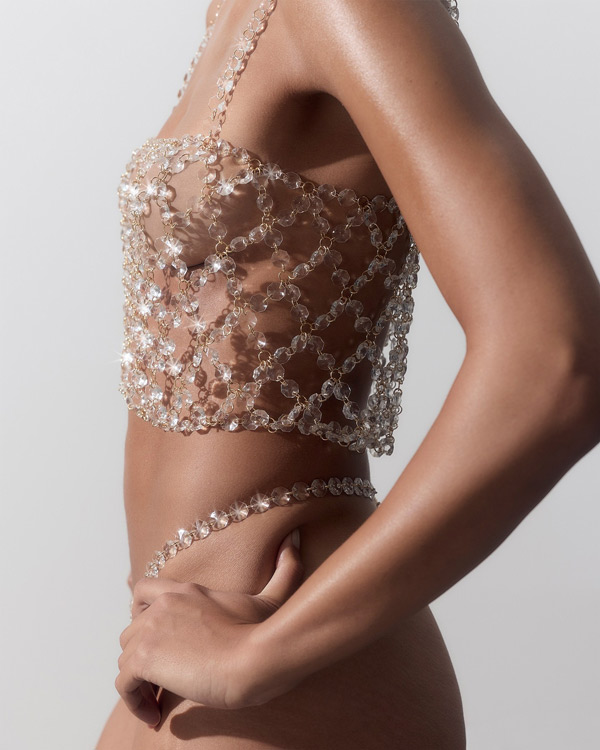
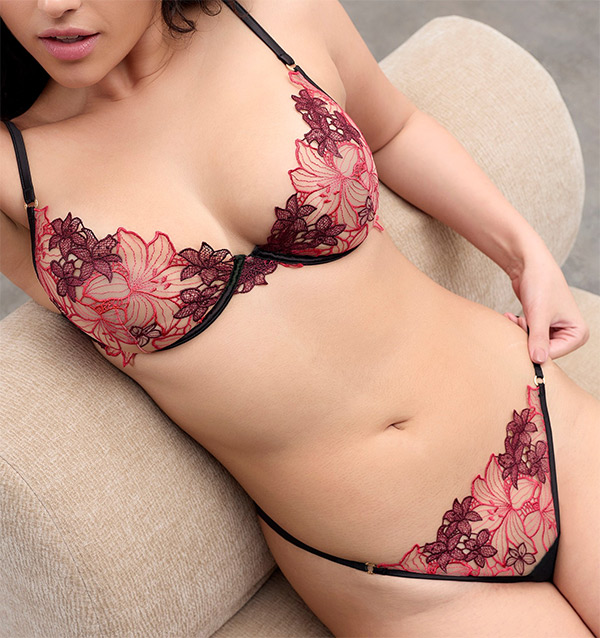
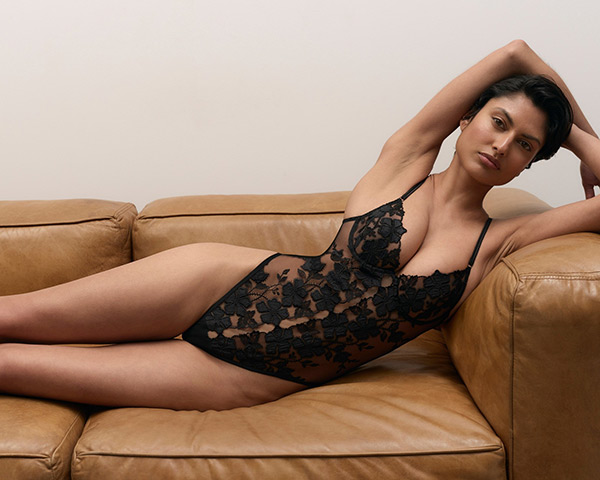
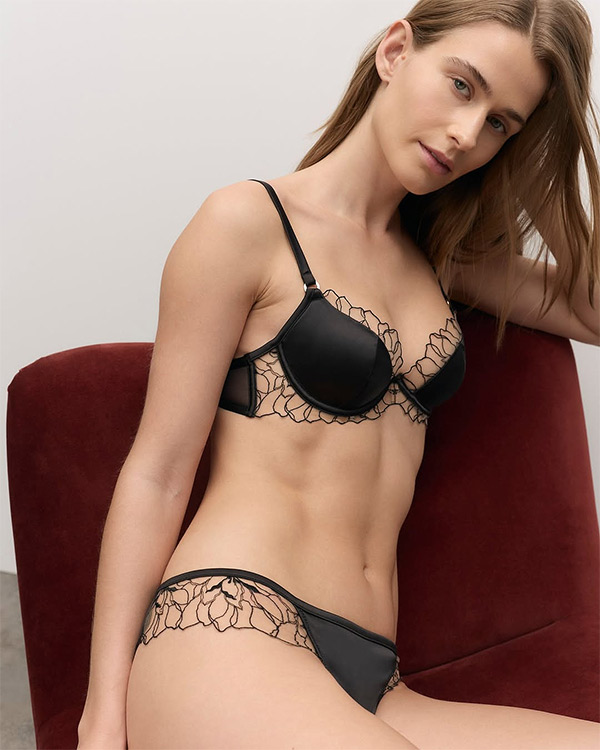
Bluebella’s design language is characterized by bold silhouettes, intricate embroideries, and a frequent use of sheer tulle and cut-out details. The brand has been a primary driver of the "Underwear as Outerwear" trend, which has gained significant traction in the 2020s. By designing bras with decorative straps, diamanté-encrusted harnesses, and bodysuits intended to be layered under blazers or paired with denim, Bluebella has expanded the utility of lingerie.
The current collection is extensive, featuring over 200 distinct styles across bras, briefs, and garter belts. In addition to core lace and silk offerings, the brand has ventured into experimental materials, including:
- Latex and Faux Leather: Catering to a more provocative, fashion-forward aesthetic.
- Jeweled Hardware: Utilizing sparkling beads, faux pearls, and gold-tone chains.
- Monogramming Services: Offering personalization on nightwear and accessories for a nominal fee, enhancing the "luxury" feel of the purchase.
Pricing remains a core pillar of the brand’s strategy. With bras starting at approximately $64 and full sets generally retailing for under $150, the brand maintains its "accessible luxury" status. Even its most avant-garde pieces, such as a lattice camisole crafted from gold chains and clear beads, top out at roughly $275, significantly lower than comparable items from traditional luxury houses.
Global Distribution and the Victoria’s Secret Partnership
One of the most significant indicators of Bluebella’s market influence is its presence on the Victoria’s Secret digital platform. As the American lingerie giant underwent a massive brand overhaul in 2019 and 2020—moving away from its "Angels" imagery toward the "VS Collective"—it began curated partnerships with third-party brands that aligned with a more modern, inclusive vision. Bluebella was among the first to be selected, providing the brand with direct access to a massive North American customer base.
Beyond this partnership, Bluebella’s wholesale network spans the globe, including placements in luxury department stores such as Selfridges, Nordstrom, and Hudson’s Bay. This omnichannel approach—balancing a strong Direct-to-Consumer (D2C) website with high-end wholesale partners—has allowed the brand to maintain high margins while scaling its brand awareness.
Chronology of Retail Expansion and Future Outlook
As the brand marked its 20th anniversary, it signaled a shift toward physical retail. While the company has historically operated as a "digital-first" entity, the limitations of online shopping for intimate apparel—specifically regarding fit and fabric feel—prompted a move into brick-and-mortar.
- 2005: Bluebella is founded in London.
- 2013: Launch of the Fifty Shades of Grey collection; international expansion begins.
- 2017-2019: Triple win of the Drapers Lingerie Brand of the Year award.
- 2020: Expansion of inclusive sizing and "Lingerie Made to Be Seen" collections.
- 2024: Successful pop-up shop in London’s Covent Garden serves as a trial for permanent retail locations.
Industry analysts suggest that Bluebella’s next phase of growth will likely focus on the United States. Following the success of the Covent Garden pop-up, the brand has expressed interest in establishing permanent storefronts in major US fashion hubs such as New York and Los Angeles. This move would place Bluebella in direct competition with established luxury boutiques, leveraging its price-point advantage to capture market share.
Market Analysis: The Shift in Consumer Behavior
The success of Bluebella is reflective of a broader macroeconomic trend in the fashion industry. According to market research data, the global lingerie market is projected to reach a valuation of nearly $100 billion by 2027. Within this growth, the "fashion-forward" segment—those buying lingerie for self-expression rather than purely functional needs—is the fastest-growing sub-sector.
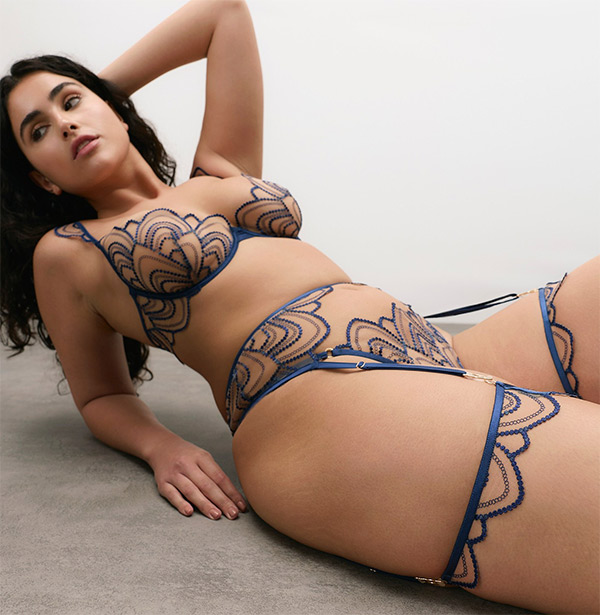
Consumers are increasingly moving away from "fast fashion" lingerie, which often suffers from poor durability and unethical supply chain concerns, and are instead investing in "mid-tier luxury." Bluebella’s commitment to design-led pieces that offer a sense of occasion for daily wear fits this consumer profile perfectly. Furthermore, the brand’s sizing range (30A to 42E/40G and XS to XL) addresses a historical grievance in the industry regarding the lack of stylish options for diverse body types.
Conclusion and Implications
Bluebella’s journey from a PPE student’s observation to a global fashion leader highlights the importance of brand clarity and market positioning. By refusing to compromise on design while maintaining a price floor that invites a broad audience, Emily Bendell has created a sustainable model for modern fashion.
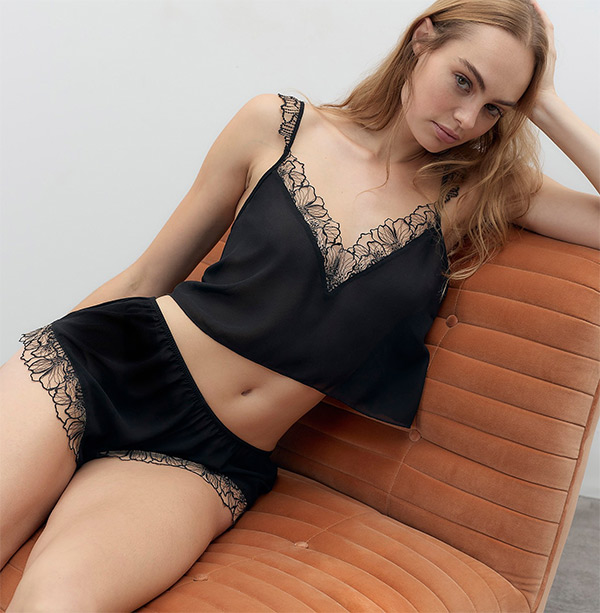
The brand’s move toward "Underwear as Outerwear" and its impending physical expansion into the US market suggest that Bluebella is not merely a lingerie label but a lifestyle brand. As it continues to innovate with materials and retail experiences, its impact on the industry will likely be felt in how other labels approach the balance between sensuality, functionality, and affordability. For the global lingerie industry, Bluebella represents the successful integration of fashion-forward aesthetics with a democratic business ethos.
