
 By admin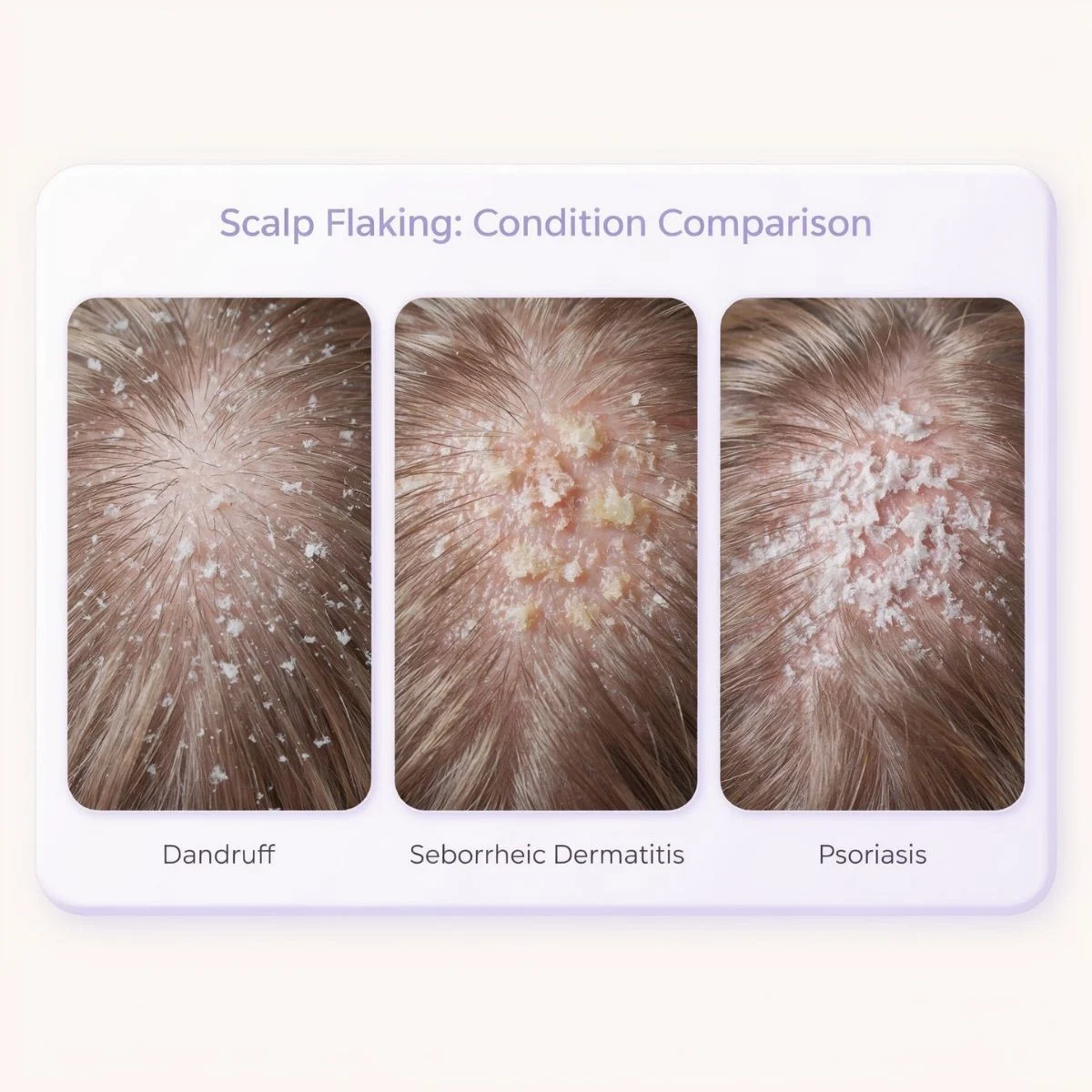
The proliferation of artificial intelligence in consumer technology has extended to personal health and wellness, with AI-powered scalp scanners emerging as a popular tool for at-home hair diagnostics. These devices, often integrating with smartphone applications, promise to analyze scalp health by identifying patterns related to thinning, flaking, oil buildup, and follicle density. However, a closer examination of the underlying technology reveals both the potential benefits and significant limitations of these innovative tools, prompting a need for informed user expectations and a clear understanding of when professional medical advice remains indispensable.
The fundamental mechanism behind most AI scalp scanners involves capturing magnified images of the scalp, which are then processed by computer vision models. These models are trained on vast datasets of labeled images to recognize specific features and patterns. The process typically unfolds in a series of steps:
The Mechanics of AI Scalp Analysis
Step 1: Image Capture and Magnification
The user applies a specialized lens, either a clip-on attachment for a smartphone or a dedicated device, to a section of their scalp. The accompanying application then captures high-resolution images, often with magnifications ranging from 10x to 200x. Critical to this stage is consistent and adequate lighting. Inconsistent illumination can cast shadows, which AI algorithms may misinterpret as thinning or other abnormalities. The quality and stability of the captured image directly influence the accuracy of subsequent analysis.

Step 2: Segmentation and Feature Extraction
Once an image is acquired, the AI model employs sophisticated segmentation techniques, akin to those used in virtual try-on applications for hairstyles, to distinguish between hair strands and the scalp. This allows for the precise counting of hair follicles within a given area, thereby estimating hair density. Beyond density, the AI can analyze individual hair shaft thickness and identify visible signs of flaking or excessive sebum (oil) production.
Step 3: Comparative Analysis and Scoring
The extracted data is then compared against a baseline. This baseline can be a generalized statistical model derived from a large population or, in more advanced applications, a personalized historical record of the user’s own scalp scans. The latter is crucial, as "normal" scalp density and other metrics can vary significantly among individuals. Without a personal trend line, a single scan provides limited diagnostic value.
What AI Scalp Scanners Excel At
Despite their inherent limitations, AI scalp scanners have demonstrated consistent utility in several key areas:
- Tracking Density Changes Over Time: For individuals concerned about gradual hair thinning, these devices can be valuable for monitoring changes in hair density. By performing regular scans under consistent conditions, users can establish a personal baseline and observe subtle shifts that might otherwise go unnoticed. This allows for the early detection of potential issues, prompting timely intervention. For instance, studies on hair loss often highlight the importance of longitudinal data for accurate assessment; AI scanners, when used correctly, can provide this.
- Identifying Visible Flaking and Sebum Levels: The ability to magnify the scalp surface allows these tools to effectively identify and quantify the presence of visible flakes, indicative of conditions like dandruff or seborrheic dermatitis. Similarly, they can offer an estimate of oiliness, helping users understand their scalp’s natural oil production and adjust their cleansing routines accordingly. For example, understanding the degree of flaking can help differentiate between mild dandruff and more persistent scalp conditions, although not definitively.
- Educating Users on Scalp Conditions: The visual feedback provided by these scanners can serve as an educational tool, empowering users to become more aware of their scalp’s condition. Seeing magnified images of their scalp can demystify common concerns and encourage proactive hair care practices. This increased awareness can foster a more informed dialogue with hair care professionals or dermatologists.
- Establishing a Baseline for Product Efficacy: For those experimenting with new hair care products or treatments, AI scalp scanners can offer a quantifiable way to assess effectiveness. By tracking metrics like density or flaking before and after implementing a new regimen, users can gain data-driven insights into whether a product is yielding the desired results. This can save time and money by helping to identify genuinely beneficial treatments.
The Unseen Limitations of Home Diagnostic Tools
The promise of comprehensive, at-home scalp analysis often outpaces the current capabilities of AI-driven technology. Several critical limitations need to be understood to avoid misinterpretation of results:

- Inability to Differentiate Similar Conditions: A significant drawback is the AI’s limited capacity to distinguish between conditions that present with similar visual symptoms. For example, flaking caused by dandruff, seborrheic dermatitis, and the early stages of psoriasis can appear virtually identical under magnification. Current AI models can detect "flaking present" but cannot reliably differentiate the underlying cause, necessitating professional diagnosis for accurate treatment. This is a critical point, as misdiagnosis can lead to ineffective or even harmful treatment regimens.
- Susceptibility to Lighting and Hair Color Variations: The accuracy of density estimations can be significantly skewed by external factors. Dark hair against a dark scalp, for instance, can confuse segmentation algorithms, leading to an underestimation of follicle density. Furthermore, variations in lighting conditions – such as the difference between warm bathroom light and natural daylight – can cause density scores to fluctuate by as much as 15% on the same individual, rendering single readings unreliable for absolute measurement. This sensitivity to environmental factors underscores the need for standardized scanning protocols.
- Challenges with Curly and Coily Hair Textures: Most AI models are trained on extensive datasets that are disproportionately composed of images from individuals with straight or wavy hair. Consequently, these models often struggle to accurately isolate individual hair strands on tighter curl patterns. This can lead to undercounting of follicle density in individuals with curly or coily hair, potentially presenting a falsely thinner scalp than is actually present. Addressing this bias requires more inclusive and diverse training data.
- The Insufficiency of Single Scans: Hair density, shedding patterns, and scalp health are dynamic and influenced by numerous factors, including seasonal changes, stress levels, hormonal fluctuations, and even diet. A single scan offers only a static snapshot and cannot capture these natural variations or trends. Users who receive alarming initial readings often find that subsequent scans, taken under similar conditions, reveal a normal range once a personal baseline is established over several weeks. This highlights the importance of consistent, longitudinal data collection.
Optimizing Home Scalp Scans for Usable Data
To maximize the utility of AI scalp scanners, users should adopt a disciplined approach to scanning:
- Establish a Consistent Routine: Perform scans at the same time of day, ideally when hair is dry and undisturbed, and under consistent lighting conditions. This minimizes variability and allows for more reliable comparison between scans.
- Scan Multiple Areas: Instead of focusing on a single spot, capture images from several different areas of the scalp. This provides a more comprehensive overview and helps to identify localized issues.
- Document Environmental Factors: Note down details about the lighting used, whether hair was freshly washed, and any other relevant factors that might influence the scan. This contextual information can be invaluable when interpreting results, especially if significant discrepancies arise.
- Utilize Personal Baseline Tracking: Prioritize apps that allow for the creation and comparison of historical scan data. This personalized approach is far more insightful than relying on generic population averages.
- Understand Magnification Levels: Be aware of the magnification level used for each scan. Consistency in magnification is key for accurate density comparisons over time.
The Indispensable Role of Dermatologists
While AI scalp scanners can be useful tools for self-monitoring and establishing personal baselines, they are not substitutes for professional medical evaluation. There are clear indicators that signal the need to consult a dermatologist:
- Rapid or Significant Density Loss: If a scanner flags a sudden and substantial decrease in hair density, it warrants professional investigation. This could be indicative of underlying medical conditions.
- Visible Bald Patches: The emergence of distinct bald patches, as opposed to gradual thinning, is a serious concern that requires immediate dermatological assessment. Conditions like alopecia areata or fungal infections can cause rapid hair loss in specific areas.
- Scalp Discomfort or Inflammation: Any persistent pain, intense itching, redness, or visible inflammation of the scalp should be evaluated by a medical professional. These symptoms can point to infections, autoimmune conditions, or severe dermatological issues.
- Suspicion of Serious Conditions: AI scanners are designed to detect patterns, not to diagnose specific medical conditions. If there is any suspicion of underlying issues such as alopecia areata, hormonal imbalances, thyroid disorders, or scalp infections, a dermatologist’s expertise, potentially including diagnostic tests like biopsies, is essential.
Integrating Technology with Professional Care
The information gathered from home scalp scanners can be a valuable adjunct to professional consultations. Bringing a history of scan data to a salon visit can provide stylists with objective insights into a client’s scalp condition, complementing their observational skills. Similarly, this data can facilitate more informed discussions with dermatologists, providing them with a more complete picture of the patient’s scalp health journey.
From Data to Action: Improving Scalp Health
Identifying scalp issues is the first step; implementing an effective regimen is the crucial follow-through. Tools that assist in tracking hair care routines and provide personalized recommendations can be instrumental in achieving tangible improvements. Applications like HairHunt, which integrate virtual hairstyle try-on features with hair care routine trackers, aim to bridge this gap. By logging daily practices related to washing, product application, and styling, users can receive tailored advice designed to enhance scalp health over time. This holistic approach, combining technological monitoring with consistent self-care, offers a promising pathway toward better hair and scalp well-being.

Frequently Asked Questions About AI Scalp Scanners
Are AI Scalp Scanners Accurate?
While reasonably consistent for tracking individual changes over time, their absolute accuracy is variable and influenced by hair color, texture, and lighting. The trend line of data is generally more meaningful than any single score.
Can These Tools Diagnose Hair Loss Conditions?
No. They can identify patterns that warrant further investigation, but definitive diagnoses for conditions like alopecia, thyroid-related shedding, or fungal infections require a dermatologist’s examination and potentially laboratory tests.
How Often Should I Scan My Scalp?
Scanning every two to four weeks is generally sufficient to observe meaningful trends without being overwhelmed by minor daily fluctuations.
Why Did My Density Score Change So Much Between Two Scans?
Significant variations are often attributable to inconsistent scanning conditions, such as changes in lighting, hair color, or the time elapsed since the last hair wash, rather than a true alteration in scalp density.

Do These Apps Work Reliably on Curly or Coily Hair?
Less reliably. Due to the training data bias towards straighter hair textures, density counts on curly and coily hair may tend to underestimate actual density.
In conclusion, AI scalp scanners represent an exciting advancement in accessible hair health technology. They offer users a powerful means to monitor their scalp’s condition and identify potential issues early. However, their current limitations necessitate a realistic understanding of their capabilities. They are best utilized as a practical baseline tool for personal hair care regimens, providing valuable longitudinal data, rather than as definitive diagnostic instruments. For any serious concerns, expert medical advice from a dermatologist remains the gold standard.
Disclaimer: Individual hair and scalp results can vary significantly based on natural hair type, texture, density, and underlying health conditions. It is always recommended to consult a licensed dermatologist or trichologist before initiating any treatment for hair loss, scalp irritation, or any condition identified by a home scanning device. The scan results provided by applications are estimates and should not be considered medical diagnoses.
