
 By admin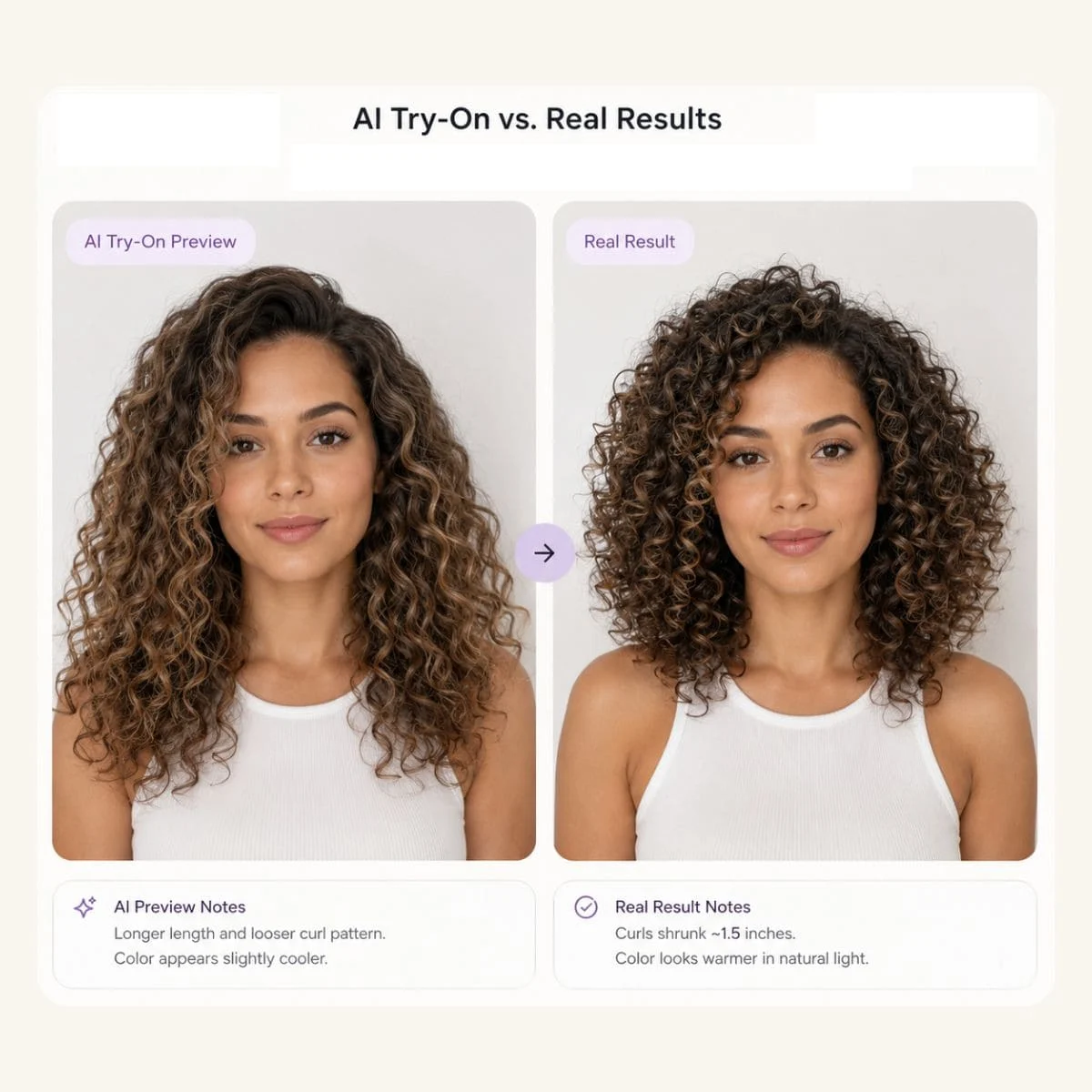
The advent of Artificial Intelligence (AI) is revolutionizing client consultations in the beauty industry, particularly in hairstyling. AI-powered hairstyle try-on applications are emerging as indispensable tools for stylists, transforming the traditional consultation process from a potentially ambiguous verbal exchange to a visually concrete experience. This technology allows stylists to present clients with realistic previews of proposed haircuts and colors directly on their own faces, utilizing nothing more than a smartphone camera. This shift from descriptive communication to visual demonstration promises to bridge the gap between client expectations and stylistic execution, ultimately leading to greater client satisfaction and fewer misunderstandings.
The core benefit of AI hairstyle try-on lies in its ability to precisely align a client’s mental image with the stylist’s proposed outcome. Historically, stylists relied on verbal descriptions, magazine tear sheets, or even air gestures to convey a desired look. However, the subjective nature of language often leads to discrepancies. Phrases like "something shorter and more textured" can be interpreted in myriad ways, resulting in consultations where the client’s vision differs significantly from what the stylist understands. A 2023 survey by the Professional Beauty Association found that over 40% of client complaints in salons stem from unmet expectations regarding the final look, with the majority of these attributed to communication breakdowns rather than technical skill. AI try-on applications directly address this by providing an immediate, personalized visual reference. When a client can see a simulated haircut on their own face, the decision-making process becomes less abstract. They can actively participate by comparing different lengths and styles side-by-side, pointing to specific elements they like or dislike. This direct feedback mechanism can save significant consultation time, often reducing back-and-forth by an estimated ten minutes per client, and drastically lowering the likelihood of post-service dissatisfaction.
The Technology Behind the Visuals: How AI Hair Try-On Works
Understanding the fundamental mechanics of AI hairstyle try-on is crucial for stylists to effectively manage client expectations. These applications do not rely on complex anatomical measurements but rather on sophisticated pattern recognition. The process begins with a client’s photograph, typically a front-facing shot. Advanced algorithms then map the client’s facial features, including their hairline, and segment the hair region. Subsequently, the chosen hairstyle—whether it’s a new cut, length, or color—is digitally overlaid onto the client’s image. Crucially, the AI aims to maintain the integrity of the client’s skin tone, facial structure, and existing lighting conditions, ensuring a more naturalistic preview. This generation process is remarkably swift, typically taking around ten seconds, which is ideal for seamless integration into a live salon setting.
However, it is vital for stylists to recognize the inherent limitations of this technology. The AI primarily functions as a pattern-matching system. It cannot ascertain critical real-world factors such as a client’s hair density, the unique behavior of their curl pattern once dry, or how a cut will naturally fall after layers are adjusted. The rendered image is a sophisticated prediction based on pixel analysis and learned visual patterns, not a precise simulation of the final physical outcome. This distinction is paramount. Stylists should communicate that the AI preview offers a strong indication of shape and color direction, rather than an exact guarantee of how the finished cut will sit or how the color will ultimately appear after processing. For optimal results, front-facing photos with consistent, even lighting and the client’s hair pulled away from their forehead are recommended. Conversely, poor lighting, heavy digital filters, or extreme camera angles can confuse the AI model, leading to less convincing or inaccurate previews.
Integrating AI into the Consultation Workflow
To maximize the benefits of AI hairstyle try-on, it should be seamlessly integrated into the existing consultation flow, rather than presented as an isolated gimmick. A structured approach ensures efficiency and reinforces its role as a professional tool.
1. Initial Capture: At the outset of the appointment, stylists should capture a fresh, front-facing photograph of the client within the salon environment. Relying on client-provided photos from their phones can be problematic, as salon lighting conditions rarely match the ambient light of a bathroom mirror or car windshield. A salon-specific photograph provides a more accurate baseline for the AI preview.
2. Collaborative Exploration: During the consultation phase, stylists should engage the client in generating two to three distinct hairstyle variations. This should be a collaborative effort, with the stylist guiding the process and discussing each option verbally. This interactive approach allows the stylist to proactively address any potential issues based on their professional assessment of the client’s hair type and texture, before the client becomes overly attached to a visually appealing but impractical on-screen rendition. For instance, if a client requests a style that is known to fall flat on their fine hair, the stylist can gently steer them towards alternatives during this stage.

3. Confirmation and Reference: Before commencing any cutting or coloring services, stylists should confirm the agreed-upon look with the client, referencing the generated preview on the screen. This shared visual agreement serves as a crucial anchor point, especially if the client experiences any second thoughts or shifts in perception once the service is underway.
Stylist Tip: It is advisable to limit the number of preview options to a maximum of three. Presenting too many choices can lead to indecision driven by preference rather than genuine desire, potentially prolonging the consultation rather than streamlining it.
Acknowledging the Limitations: Where AI Falls Short
While AI hairstyle try-on is a powerful tool, it is not a substitute for a stylist’s professional judgment and experience. Being transparent with clients about the technology’s limitations is paramount for maintaining trust and managing expectations.
-
Hair Behavior and Texture: AI previews cannot predict how a client’s specific hair will behave once cut, washed, and styled. For instance, a sleek bob rendered by AI might spring up significantly once a client with natural curl dries their hair, or fine, thin hair may not achieve the depicted volume. This is particularly true for highly textured hair (types 4a through 4c), where current AI models often struggle with segmentation accuracy, potentially resulting in blurred or oddly shaped hairlines. Stylists must frame these previews as a rough silhouette for such clients, explicitly stating they are not a definitive representation of the final look.
-
Color Accuracy: Color rendering in AI try-on tools is generally approximate. While it can indicate a general direction—such as a shift towards a cooler blonde or a richer brunette—it cannot precisely predict toner formulas, the nuances of gray coverage, or how a specific dye will lift against the client’s existing base color. These critical aspects of color formulation remain firmly within the stylist’s domain of expertise.
-
Angle and Profile Views: Front-facing previews are typically more reliable than those generated from profile or side angles. Most AI models are trained predominantly on front-facing imagery. For styles that heavily depend on the shape of the back and sides, such as undercuts, the AI preview serves as a starting point at best, not a definitive outcome.
-
Hair Health and History: AI try-on tools cannot assess scalp condition, a client’s hair history, or the potential impact of previous chemical treatments on a new service. These crucial evaluations remain the stylist’s responsibility. Clients should be explicitly informed that the AI does not account for these factors.
Honest communication about these limitations, rather than allowing the preview to overpromise, is what preserves client trust when the final result naturally deviates from the digital simulation.

The Broader Impact: Enhanced Client Confidence and Salon Revenue
The integration of AI hairstyle try-on technology has a tangible impact on salon operations and revenue. By providing clients with a clearer vision of potential outcomes, these tools empower them to make more confident decisions. This can translate into a higher conversion rate for consultations, reducing the number of clients who defer their decision, often phrased as "I’ll think about it." A study published in the Journal of Retail Marketing and Management indicated that personalized visual tools in retail settings can increase purchase intent by up to 25%. In the salon context, this means more clients committing to services during their initial visit, leading to booked chairs and a steadier stream of salon revenue.
For example, a salon that previously experienced a 15% rate of deferred decisions during consultations might see this figure drop to under 5% after implementing AI try-on. This not only boosts immediate revenue but also optimizes appointment scheduling and reduces the need for follow-up consultations. Furthermore, by minimizing the gap between client expectations and actual results, the technology contributes to a reduction in client dissatisfaction and potential costly re-dos or refunds. The long-term implications include enhanced client loyalty and a stronger reputation for understanding and delivering on client desires.
Navigating Client Conversations with AI Previews
Effective communication is key to integrating AI try-on smoothly. Stylists can employ specific phrases to frame the technology as a collaborative tool:
-
Initiating the visual exploration: "Let’s pull up a couple of options on the app before we touch the scissors, so we are both picturing the same length and shape." This sets a collaborative tone from the outset.
-
Managing expectations pre-generation: "This will show you the shape and color direction. Once we start cutting, I will adjust for how your hair really falls and behaves, since that is the part the app cannot predict." This upfront honesty prepares the client for potential real-world variations.
-
Addressing texture discrepancies: "If this doesn’t look exactly like your hair texture today, that’s normal. Think of it as a sketch we’re using to agree on direction, not a final photo." This normalizes minor visual differences and reinforces the ‘sketch’ analogy.
-
Concluding the pre-cut discussion: "Here is the option we landed on together. I will check back in with you on this screen if anything changes once we get started." This re-confirms the agreement and establishes a point of reference for the duration of the service.
Stylist Tip: Consistently using phrases like "shape and direction" instead of "exact result" is a subtle yet powerful way to frame the preview from the very first screen, mitigating potential disappointment later in the appointment.

Ensuring Reliable Results: Best Practices for Client Photography
The quality of the AI preview is directly proportional to the quality of the input photograph. Implementing consistent photographic practices within the salon environment is crucial for obtaining accurate and useful results.
-
Optimal Lighting: Utilize even, front-facing lighting. Avoid overhead salon lights that cast unflattering shadows. A simple ring light positioned near the consultation chair can significantly enhance image clarity, even on a budget.
-
Hair Preparation: Instruct clients to pull their hair back from their face. A low bun or clips can keep the hair away from the forehead and ears, providing the AI with a clear view of the client’s face shape and hairline.
-
Direct Angle: Shoot the photograph straight on. While a slight tilt might be acceptable, extreme angles (three-quarter or side views) will markedly reduce the accuracy of the AI’s facial mapping and hairstyle overlay.
-
Filter-Free Images: Advise clients against using beauty filters on their photos. Filters that smooth skin or alter facial contours can confuse the AI model, leading to previews that do not accurately represent the client’s natural features.
-
Fresh Photos for Each Visit: Re-capture client photos at every appointment. Hair length, color, and even subtle changes in facial structure can impact the accuracy of older photographs, especially if the client’s hairstyle has undergone significant transformations since their last visit.
Frequently Asked Questions
Do clients trust AI hairstyle previews?
Generally, yes. Most clients find a realistic visual preview more trustworthy than a verbal description. Their trust is further solidified when stylists are transparent about the preview showing "shape and direction" rather than a definitive outcome. This upfront honesty builds credibility.

Will AI try-on slow down my consultations?
Typically, it speeds them up once integrated into the routine. Clients often arrive with or quickly settle on a clearer idea, reducing the time spent deciphering vague requests. Limiting previews to two or three options maintains efficiency.
Can I use AI try-on for color consultations?
Yes, but with the understanding that color previews are approximate. The AI cannot account for the client’s existing base color, hair porosity, or the specific toner formula planned. These previews serve as a directional guide, with the final color formulation remaining the stylist’s expertise.
What if the client’s hair doesn’t match the preview post-cut?
This is most common with curl pattern shrinkage or when hair doesn’t hold volume as rendered. Referring back to the scripts about "shape and direction" and explaining the specific reason for the difference (e.g., "your natural curl pattern tends to spring up at this length") helps the client understand it as an expected outcome, not an error.
Does HairHunt Pro replace the consumer HairHunt app for my clients?
No, they serve different purposes. Clients can continue using the standard HairHunt app on their personal devices for browsing between appointments. HairHunt Pro is specifically designed for the dynamic environment of live, in-salon consultations.

Is there a cost to trying AI try-on with clients before committing?
HairHunt Pro offers a 30-day free trial. This period allows stylists to thoroughly test the tool in real client consultations before making a commitment.
In conclusion, AI hairstyle try-on technology is a transformative asset for modern hairstylists. When employed strategically, accompanied by clear communication and a grounded understanding of its capabilities and limitations, it elevates the client consultation process. By providing a shared visual language, stylists can set realistic expectations, foster client confidence, and ultimately deliver more satisfying and precise results, solidifying their role as expert artists in a visually driven world.
