
 By Jia Lissa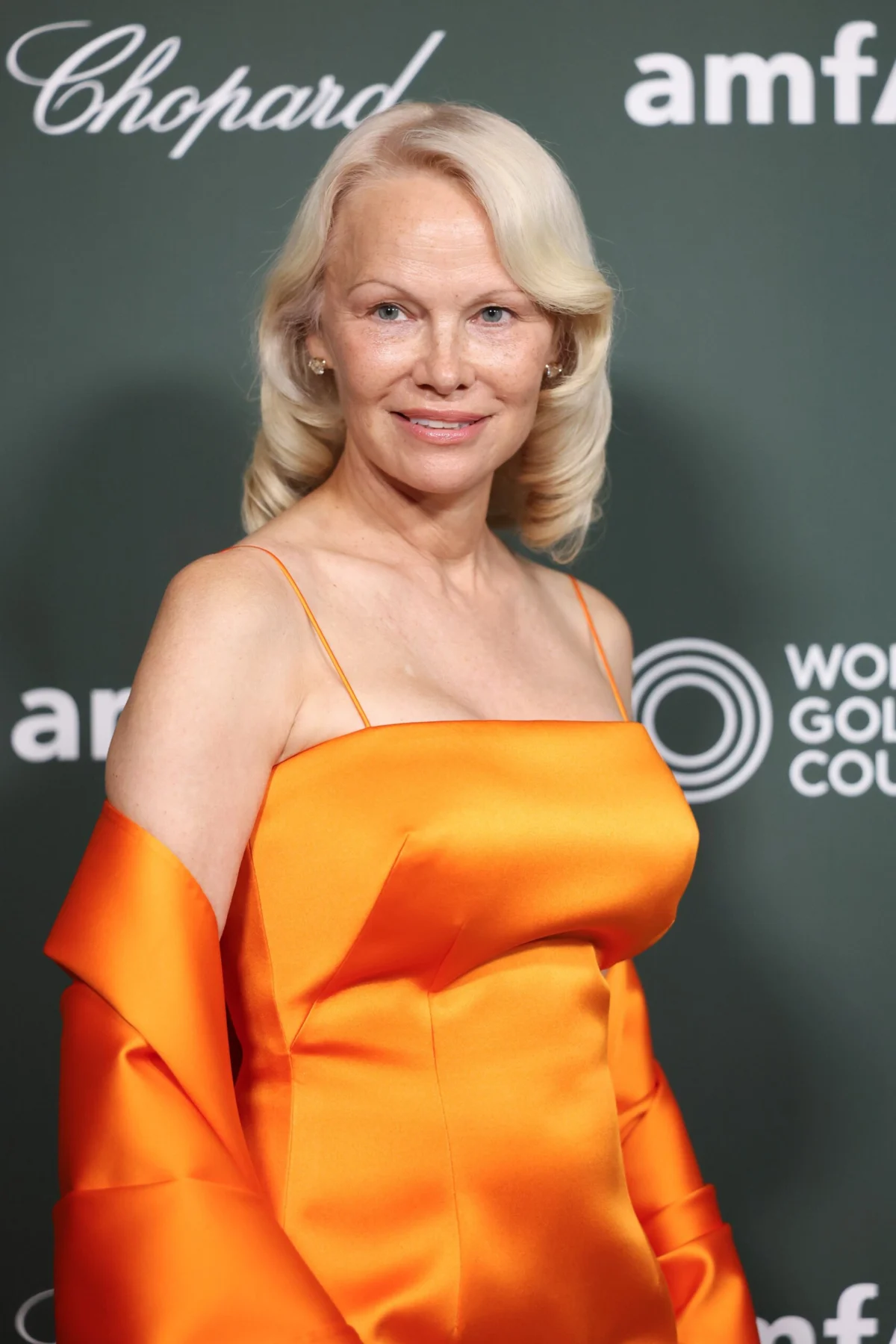
The 2026 Venice International Film Festival, a prestigious event celebrating cinematic artistry, saw a remarkable display of style and sartorial storytelling, with Pamela Anderson emerging as a standout figure. Her presence at the festival was marked by a series of meticulously curated looks that paid homage to classic Hollywood and the golden age of cinema, transforming her appearances into living tributes to iconic film eras. Anderson, long recognized for her deep appreciation for film history, leveraged her platform at one of the world’s most esteemed film gatherings to underscore her passion, weaving cinematic references into her personal style with remarkable finesse.
A Lifelong Aficionado of the Silver Screen
Pamela Anderson’s connection to film extends far beyond casual viewership. Her participation in the Criterion Closet series, a segment that delves into the film preferences of notable personalities, unequivocally established her as a discerning cinephile. This series showcased her extensive knowledge of both celebrated classics and lesser-known cinematic gems, revealing a passion that informs her aesthetic choices. This profound appreciation for film is not confined to her private life; it actively influences her public persona, manifesting in hairstyles and ensembles that draw inspiration from diverse cinematic movements, from the avant-garde French New Wave to the timeless elegance of Old Hollywood. For instance, her distinctive shaggy red bob, which gained prominence in the fall of 2025, was directly inspired by the iconic French actress Marlène Jobert, further illustrating her commitment to channeling cinematic muses.
Arrival in Venice: A Glimpse of Old Hollywood Glamour
Anderson’s journey to the 2026 Venice International Film Festival began with an airport appearance in New York City that immediately set a tone of sophisticated glamour. Her arrival was characterized by an ensemble that evoked the effortless chic of screen legends. Her platinum blonde hair was elegantly concealed beneath a dove-gray scarf, a color that harmonized perfectly with her chosen attire and luggage. This coordinated approach to travel wear not only demonstrated meticulous attention to detail but also evoked the timeless appeal of a bygone era of travel, reminiscent of Audrey Hepburn’s iconic style in "Roman Holiday." The strategic use of a scarf as a hair accessory continues to be a prevalent trend, offering a touch of vintage allure that elevates even the most casual ensembles. The potential for this accessory to transition from a stylish head covering to a wind-swept accent, particularly against the backdrop of Venice’s iconic water taxis, further amplifies its cinematic resonance.

The practice of celebrities using travel as a runway is not new, but Anderson’s deliberate invocation of classic film aesthetics during her airport transit underscored her understanding of the power of visual storytelling, even in informal settings. This initial presentation served as a powerful prelude to her subsequent appearances, signaling that her time at the festival would be a carefully orchestrated homage to cinematic history.
Cocktail Party Chic: Embracing the Free Spirit of the ’60s
Upon her arrival in Venice, Anderson’s style continued to evolve, reflecting different facets of cinematic history. At a pre-festival cocktail party, she sported a look that embraced the more liberated and playful spirit of the 1960s. Her platinum curls were artfully teased and tousled, creating a "bombshell bedhead" effect that exuded a sense of effortless cool. This hairstyle, while possessing a certain wildness, was undeniably charming, particularly when paired with a vibrant pink party dress. This particular aesthetic choice stood in contrast to the more rigidly polished glamour of the 1950s, suggesting a deliberate stylistic exploration that spanned multiple decades of cinematic influence.
The ’60s, a period of significant cultural and artistic upheaval, saw a shift in beauty standards towards a more natural and liberated expression. Anderson’s choice to embody this era through her hairstyle resonated with the festival’s celebratory atmosphere, adding a touch of bohemian sophistication to the event. This deliberate stylistic shift demonstrated her versatility and her ability to inhabit different cinematic archetypes with authenticity.
Red Carpet Transformation: A Nod to Marilyn Monroe
The pinnacle of Anderson’s sartorial tribute to cinema was her appearance at the amfAR Gala, where she presented a look that was a direct homage to the legendary Marilyn Monroe. Her hair was styled into a meticulously sculpted pageboy, with the ends precisely curled under to frame her cheekbones, echoing the iconic silhouette that defined Monroe’s timeless appeal. The choice of an orange gown further amplified the connection, as this color was frequently associated with Monroe’s most memorable on-screen moments and personal style.

The impact of Marilyn Monroe on popular culture and fashion remains immeasurable. Her ability to convey vulnerability, sensuality, and charisma simultaneously has cemented her status as an enduring icon. Anderson’s deliberate recreation of Monroe’s signature hairstyle and the choice of a complementary gown demonstrated a deep understanding of these iconic elements and a sophisticated ability to reinterpret them for a contemporary audience. This particular look was not merely an imitation but a thoughtful homage, showcasing Anderson’s ability to blend historical references with her own unique star power.
The success of such a transformation lies in the details. The precision of the curls, the subtle volume, and the overall styling suggest the work of a skilled hairstylist who understood the nuances of Monroe’s coiffure. The association of the orange dress with Monroe further solidified the connection, creating a cohesive and impactful visual narrative.
The Art of the Moodboard: Curating Cinematic Inspiration
Anderson’s consistent ability to translate her passion for film into her personal style raises intriguing questions about her creative process. One can imagine that for significant events like the Venice Film Festival, her preparation involves extensive research and the conceptualization of a "moodboard" – a collage of images and ideas that guide her aesthetic choices. This hypothetical moodboard would likely feature stills from classic films, portraits of iconic actors, and perhaps even vintage fashion photography, all serving as touchstones for her ensembles.
The implication of such a curated approach is that Anderson views her public appearances not merely as opportunities for fashion statements but as extensions of her lifelong engagement with cinema. Her looks become a form of visual commentary, a dialogue with the history of film that resonates with audiences and critics alike. This level of intentionality and artistic consideration elevates her style beyond mere trend-following, positioning her as a contemporary tastemaker with a profound connection to the art form.

Broader Implications: The Enduring Power of Cinematic Influence
Pamela Anderson’s sartorial choices at the 2026 Venice International Film Festival underscore a broader trend in celebrity fashion: the resurgence of classic Hollywood glamour and the enduring influence of cinematic history. In an era often characterized by fast fashion and fleeting trends, Anderson’s commitment to timeless aesthetics offers a refreshing counterpoint. Her ability to evoke specific eras and icons demonstrates a sophisticated understanding of style as a form of storytelling.
The Venice International Film Festival, with its rich history and its position at the forefront of cinematic discourse, provides an ideal backdrop for such a stylistic exploration. By drawing inspiration from legendary figures and movements, Anderson not only pays tribute to the past but also recontextualizes these influences for a modern audience. Her appearances serve as a reminder that style can be a powerful tool for cultural commentary and personal expression, deeply rooted in the narratives and aesthetics that have shaped our collective imagination.
The successful integration of historical cinematic references into contemporary fashion has significant implications. It encourages a deeper appreciation for film history and its lasting impact on visual culture. Furthermore, it highlights the potential for individuals to craft personal brands that are rich in meaning and layered with cultural resonance. Anderson’s approach suggests that true style is not just about wearing the latest trends but about understanding and embodying the timeless elements that have captivated audiences for generations. Her journey through the festival, from her airport arrival to her red carpet appearances, was a masterclass in cinematic storytelling through fashion, solidifying her status as a style icon with a deep and abiding love for the art of film.
