
 By admin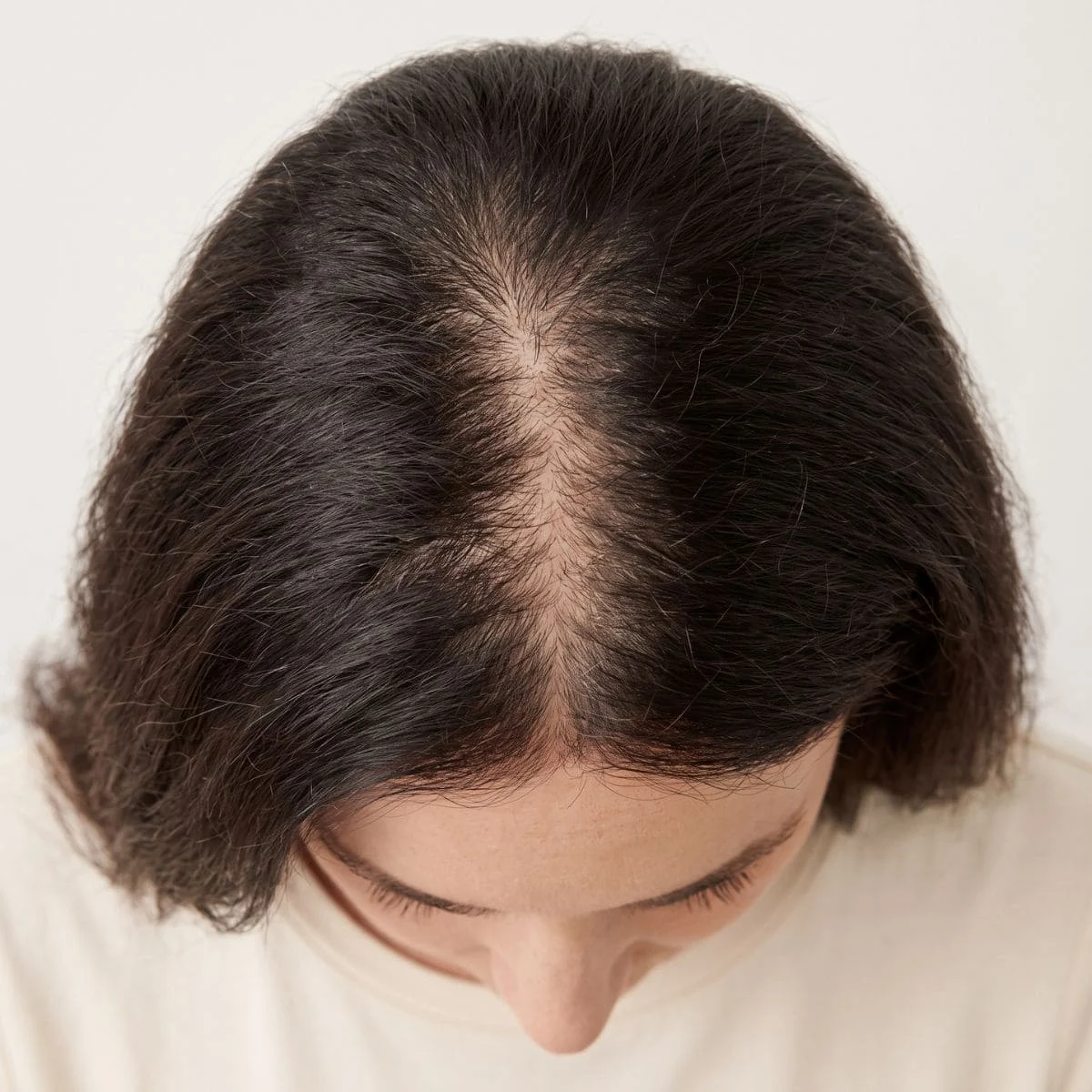
Hair care in your 40s requires a strategic pivot, focusing on scalp health, gentler manipulation, and ingredients specifically formulated for thinning strands. This pivotal decade marks a significant shift as estrogen levels begin to decline, leading to a natural slowdown in hair growth. Consequently, the product regimens and habits that proved effective in one’s 30s may no longer deliver the desired results. This guide delves into the physiological changes impacting hair during this life stage, offers a framework for rebuilding a personalized hair care routine, highlights key ingredients to incorporate, and explores how strategic haircuts and color choices can enhance appearance and manage these transformations.
Understanding the Biological Shifts in Hair During Your 40s
The aging process brings about tangible changes in hair density, with research indicating that women most commonly observe a noticeable decline in their mid-forties, often preceding the onset of menopause. This alteration manifests primarily in a reduced hair growth rate, a decrease in the percentage of hairs actively in the growth phase, and a reduction in hair diameter, particularly along the frontal hairline. This phenomenon can lead to a seemingly wider part, even without a significant overall loss of hair volume.
Hormonal fluctuations play a crucial role in these changes. As estrogen production wanes in the years leading up to menopause, the relative increase in androgen levels directly influences the hair follicle, a tissue highly responsive to estrogen. The cumulative effect often results in strands that feel finer, a scalp that experiences increased dryness, and hair that requires a longer period to regrow after a trim. Some individuals may also observe increased shedding, alterations in hair texture, and the emergence of finer facial hair during this period.
Stylist Insight: For those experiencing a widening part, a skilled stylist can recommend a soft, swept side part. This technique effectively camouflages thinning at the roots without necessitating a complete style overhaul.
Constructing a Tailored Hair Care Regimen for Your 40s
The approach to hair care in one’s 40s should evolve from a "more is more" philosophy to one of "smarter choices." This translates to minimizing harsh treatments, prioritizing scalp-focused care, and selecting ingredients designed to address thinning hair rather than generic shine enhancement.

Optimizing Wash Frequency and Technique
Daily hair washing can strip the scalp of natural oils, which are produced at a slower rate during this decade. For most hair types, washing two to three times per week is generally sufficient. It is advisable to use a sulfate-free shampoo specifically formulated to target the scalp, rather than solely focusing on the ends. Following with a lightweight conditioner, applied from the mid-shaft downwards, will help prevent the crown area from appearing flattened.
Elevating Scalp Care to the Forefront
A healthy scalp is the foundation for healthy hair growth. In this decade, the scalp’s oil production and cellular turnover rates both diminish. Incorporating a weekly scalp scrub or exfoliating treatment can effectively remove product buildup and dead skin cells. Subsequently, applying a leave-in scalp serum containing peptides or niacinamide can help fortify the hair follicle and promote a more robust scalp environment.
Fortifying Hair Against Environmental Stressors
Finer hair strands are more susceptible to heat damage. It is recommended to keep hot styling tools set below 350°F and to always apply a heat protectant spray before use. Prolonged exposure to UV radiation can also degrade hair protein over time. A leave-in product with UV filters can provide essential protection, particularly for individuals who spend considerable time outdoors or have color-treated hair.
Essential Ingredients to Integrate into Your 40s Hair Care Arsenal
While many "anti-aging" hair products make bold claims, not all are supported by robust scientific research. The following ingredients have demonstrated particular promise for hair health in this age demographic:
| Ingredient | Function | Typical Application |
|---|---|---|
| Topical Minoxidil | Stimulates hair growth and reduces shedding | Scalp serums and foams, applied directly to dry scalp |
| Peptides | Enhances follicle strength and hair density | Leave-in scalp treatments and serums |
| Niacinamide | Soothes scalp irritation and supports barrier function | Scalp serums, select shampoos |
| Bond-Building Treatments | Repairs internal hair structure compromised by chemical or heat damage | At-home masks and professional salon treatments |
| Lightweight Silicones/Oils | Adds slip and shine without weighing hair down | Leave-in conditioners, hair oils |
Evaluating the Efficacy of Topical Minoxidil
For women experiencing shedding that extends beyond what routine adjustments can address, topical minoxidil stands out as a well-researched option. A comprehensive 48-week clinical trial involving 381 women with female pattern hair loss revealed that a 5% topical minoxidil solution significantly outperformed both a 2% minoxidil concentration and a placebo in terms of hair count and visible scalp coverage. It is important to note that minoxidil is not an immediate solution; consistent daily application for three to six months is typically required to observe noticeable results, and these benefits are sustained only with continued use.
Consulting with a dermatologist or trichologist is also advisable to rule out underlying medical conditions such as thyroid imbalances or iron deficiencies that could contribute to hair shedding. While hormonal changes are a frequent culprit for hair loss in the 40s, other factors can also play a role.

Strategic Haircuts and Color to Complement Evolving Hair
The right haircut can significantly enhance the appearance of hair density, often more effectively than topical products alone. Layers strategically placed to begin above the shoulder can provide lift at the crown, while a soft, rounded silhouette tends to appear fuller than a blunt, heavy cut. Exploring current hairstyle trends for women over 40 can offer a valuable starting point, with many popular styles translating well into subsequent decades.
Many women embrace shorter, face-framing styles during this period. Examining hairstyles known for their age-defying effects can assist in identifying lengths and layering techniques that best complement individual features.
Color choices also play a vital role. Stark, solid color applications can appear flat on thinning hair. Conversely, dimensional color techniques such as babylights or a face-framing balayage can create an optical illusion of greater volume. For those experiencing the emergence of gray hair, a subtle gray blending technique offers a more graceful transition than a single block color. For women ready to embrace their gray, a wide array of versatile and elegant gray hairstyles are available.
Debunking Common Hair Care Misconceptions for Women in Their 40s
The hair changes experienced in the 40s often necessitate a departure from previous care strategies, yet outdated advice persists.
Myth: Cutting hair short inherently makes it appear thinner.
Reality: A blunt, shorter haircut often conveys an impression of fullness compared to long hair. This is because longer strands tend to be older and more susceptible to damage, leading to a limp appearance. Haircuts at shoulder length or shorter bear less weight per strand, allowing for greater bounce and body.
Myth: Hair coloring should be discontinued as hair thins.
Reality: Hair coloring itself does not directly cause thinning. The primary risk lies in over-processing fragile strands with frequent bleaching or high-lift color treatments. Spacing out salon visits and opting for gentler formulations are more effective in preserving hair density than avoiding color altogether.

Myth: Reducing brushing will conserve hair that is already being lost.
Reality: Gentle, daily brushing with a wide-tooth comb or a boar-bristle brush helps distribute natural oils and stimulates the scalp. Neglecting brushing does not prevent hair loss; instead, it can lead to increased tangles and buildup.
Effective Communication with Your Hair Stylist
When discussing hair concerns with a stylist, specificity is key. Articulating changes such as "my part is widening" or "my hair feels thinner at the crown" is more informative than a general request for "healthier hair." For cuts, request internal layers rather than heavy thinning shears, which can create gaps in finer hair. For color services, inquire about using a lower-volume developer if your strands have become more fragile.
Frequently Asked Questions
Does hair undergo significant changes in one’s 40s?
Yes. Hair growth slows, strands often become finer, and shedding can increase as estrogen levels decline. These changes are typically gradual, making it easy to overlook until noticeable differences, such as a wider part, become apparent.
What is the most common hair care error women make in their 40s?
A prevalent mistake is adhering to hair care routines established in their 20s and 30s. Heavier shampoos, infrequent scalp care, and neglecting heat protectants can have a more pronounced impact on finer, slower-growing hair.
Can diet influence hair thinning at this age?
Diet can be a contributing factor. Deficiencies in iron, protein, and certain vitamins have been linked to increased shedding. If hair thinning seems abrupt rather than gradual, a blood panel may be beneficial to assess nutritional status.
Should I transition to a different shampoo in my 40s?
Often, yes. A sulfate-free, scalp-focused shampoo is generally more effective than a heavy moisturizing formula, which can weigh down finer strands without addressing underlying scalp needs.

How long does it take to see results from a new hair care regimen?
It is advisable to allow at least three months for any new routine, including minoxidil or scalp treatments, to demonstrate visible results. Hair grows in cycles, and changes take time to manifest at the surface.
Is gray hair unavoidable in one’s 40s?
While not universal, it is common for noticeable gray hairs to appear during this decade. Genetics plays a far more significant role in the timing of graying than any specific hair care practice.
In conclusion, effective hair care in the 40s is best achieved by aligning practices with the current state of one’s hair, rather than relying on outdated strategies. Prioritizing scalp health, incorporating lightweight, peptide-rich products, and engaging in open communication with stylists or dermatologists for persistent shedding are crucial steps. Consistent, incremental adjustments to one’s routine tend to yield more sustainable benefits than relying on singular, miraculous solutions.
