
 By admin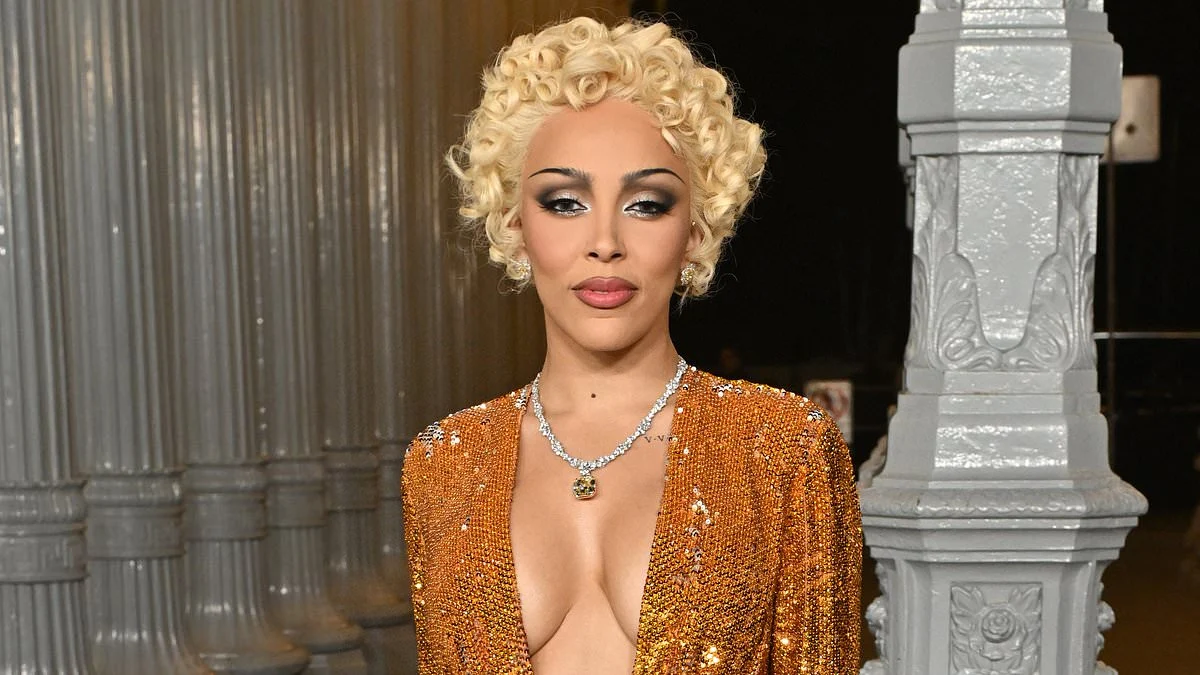
Amala Ratna Zandile Dlamini, the Grammy-winning artist known professionally as Doja Cat, recently utilized her massive digital platform to address a series of long-standing public misconceptions regarding her personal life, mental health, and artistic aesthetic. In a series of candid TikTok videos shared with her 29.1 million followers, the 30-year-old vocalist and rapper navigated a complex dialogue surrounding accusations of "demonic" behavior, her history with substance abuse, and the reality of living with Borderline Personality Disorder (BPD). The revelations mark a significant shift in the artist’s public communication strategy, moving away from her characteristic trolling and toward a transparent discourse on the intersections of fame, mental illness, and digital projection.
Deconstructing the Demonic Narrative
For much of the past year, particularly following the release of her "Scarlet" album and its accompanying visual aesthetics, Doja Cat has been the subject of intense online scrutiny. Critics and conspiracy theorists have frequently labeled her work and personal style as "demonic" or "satanic." In her recent address, the Los Angeles-born artist confronted these claims directly, stating that while she felt a degree of trepidation in speaking on the matter, she felt compelled to do so as part of her personal journey toward healing. She noted that she was taught to do something that scares her every day to facilitate growth, and addressing the "demonic" label was a necessary step in that process.
Doja Cat challenged the literal interpretation of "demons" prevalent in online discourse, instead reframing the concept through a psychological and sociological lens. She suggested that what the public perceives as "evil" or "demonic" in individuals is often the outward manifestation of internal struggles, specifically citing addiction to drugs, alcohol, or social media, frequently compounded by undiagnosed or untreated mental health conditions. By doing so, she shifted the conversation from the supernatural to the clinical, arguing that the term "demon" serves as a colloquial but damaging shorthand for complex human suffering.
A History of Substance Abuse and Recovery
In a notable departure from her previous public statements, Doja Cat provided a rare glimpse into her history with substance abuse. She specifically addressed her past struggles with cocaine, a period she estimates occurred approximately eight years ago. This timeline suggests these challenges took place during the early stages of her career, prior to her global breakthrough with the viral hit "Mooo!" and her subsequent commercial dominance with the "Hot Pink" and "Planet Her" eras. She expressed a sense of relief and gratitude for having moved past that period, stating, "I’m well past that, so… thank God."
The artist also elaborated on her relationship with other substances, including marijuana and alcohol. While she noted that she has never identified as an alcoholic, she admitted to having "problems" with alcohol consumption in the past. Of particular concern to her was the synergy between alcohol and the digital environment. She described using the internet as a means of seeking validation for negative thoughts, a cycle that was often exacerbated by drinking. Her advice to her audience was cautionary, urging followers to avoid pairing substance use with the toxic feedback loops of social media. She emphasized the importance of maintaining creativity and self-care, reminding her audience that no one is "indestructible."
The Reality of Borderline Personality Disorder (BPD)
Central to Doja Cat’s recent transparency is her diagnosis of Borderline Personality Disorder (BPD). First mentioning the diagnosis in March, the artist has since elaborated on how the condition dictates her daily life and interpersonal relationships. According to the Mayo Clinic, BPD is a mental health disorder that impacts the way individuals think and feel about themselves and others, often resulting in self-image issues, difficulty managing emotions and behavior, and a pattern of unstable relationships.
In a recent interview with ELLE UK, which she referenced in her broader social media address, Doja Cat explained the profound impact BPD has on her romantic life. She highlighted a pervasive fear of abandonment—a hallmark symptom of the disorder—explaining that even a partner leaving to run simple errands can trigger an internal narrative that the relationship is ending. She described the mental effort required to "scrape against" these intrusive thoughts and reassure herself of her safety.
Furthermore, she addressed the "mask" she often wears in public. She admitted to intentionally projecting an air of indifference or toughness to shield her vulnerability. This revelation provides context for her often-polarized relationship with her fanbase, suggesting that her seemingly abrasive online persona may be a defense mechanism designed to manage the intense emotional volatility associated with BPD.
The Psychology of Digital Projection and Online Trolling
A significant portion of Doja Cat’s commentary was dedicated to the sociological health of the internet. She characterized social media as a "breeding ground for projecting," suggesting that the vitriol directed at celebrities is frequently a reflection of the commenter’s internal state rather than a critique of the celebrity’s actions. She urged users to be more mindful of their words and to question whether their negative comments are, in fact, projections of their own insecurities or "demons."
By analyzing the behavior of online trolls, Doja Cat stated she has moved from a place of irritation to one of empathy. "Once you understand that that person is doing it out of their own personal—dare I say demons—it becomes more sad than it becomes angering," she remarked. This perspective aligns with psychological theories on "cyber-aggression," which often link online harassment to the aggressor’s own psychological distress or lack of emotional regulation.
Statistical Context: Mental Health in the Music Industry
Doja Cat’s revelations reflect a broader, documented crisis within the music industry. According to a study by Help Musicians UK, approximately 71% of professional musicians have experienced high levels of anxiety, and 68.5% have struggled with depression. The pressures of constant public visibility, irregular working hours, and the instability of the digital economy contribute to these figures.
Furthermore, the prevalence of BPD in the general population is estimated to be around 1.6%, though some studies suggest it may be as high as 5.9%. For individuals in high-stress, high-visibility careers like Doja Cat’s, the symptoms of BPD—such as emotional dysregulation and sensitivity to criticism—can be significantly amplified by the 24-hour news cycle and social media feedback loops.
Industry Implications and the Culture of Transparency
The decision by a high-profile artist like Doja Cat to speak openly about BPD and past cocaine use marks a significant moment in the evolution of celebrity culture. Historically, public figures were encouraged by management and public relations teams to maintain a curated, flawless image. However, following the lead of artists like Demi Lovato, Selena Gomez, and Megan Thee Stallion, there is an increasing move toward "radical transparency."
This shift has several implications for the music industry:
- De-stigmatization: By labeling her "demons" as clinical issues rather than moral failings, Doja Cat contributes to the de-stigmatization of mental illness and addiction.
- Fan Dynamics: This level of honesty can alter the parasocial relationship between fans and artists. While it can foster deeper loyalty, it also places a burden of care on the audience, which Doja Cat herself addressed by telling her fans that they, too, may need help if they find themselves engaging in toxic online behavior.
- Aesthetic Reinterpretation: Her comments provide a new framework for interpreting her art. The "demonic" imagery in her recent work can now be viewed as a visual metaphor for the internal chaos of mental illness and the struggle for self-identity.
Conclusion
Doja Cat’s recent statements serve as a multifaceted address to her critics and a personal manifesto on mental health. By connecting the "demonic" labels placed upon her to the realities of addiction and Borderline Personality Disorder, she has challenged the public to look beyond the surface of celebrity controversy. Her focus on the psychology of projection and the dangers of the digital landscape highlights a growing concern for the mental well-being of both creators and consumers in the social media age. As she continues her "journey to healing," her transparency offers a stark reminder of the human cost of global fame and the complex reality behind the pop-culture persona. Representatives for the singer have been reached for further comment on her future advocacy for mental health awareness.
