
 By admin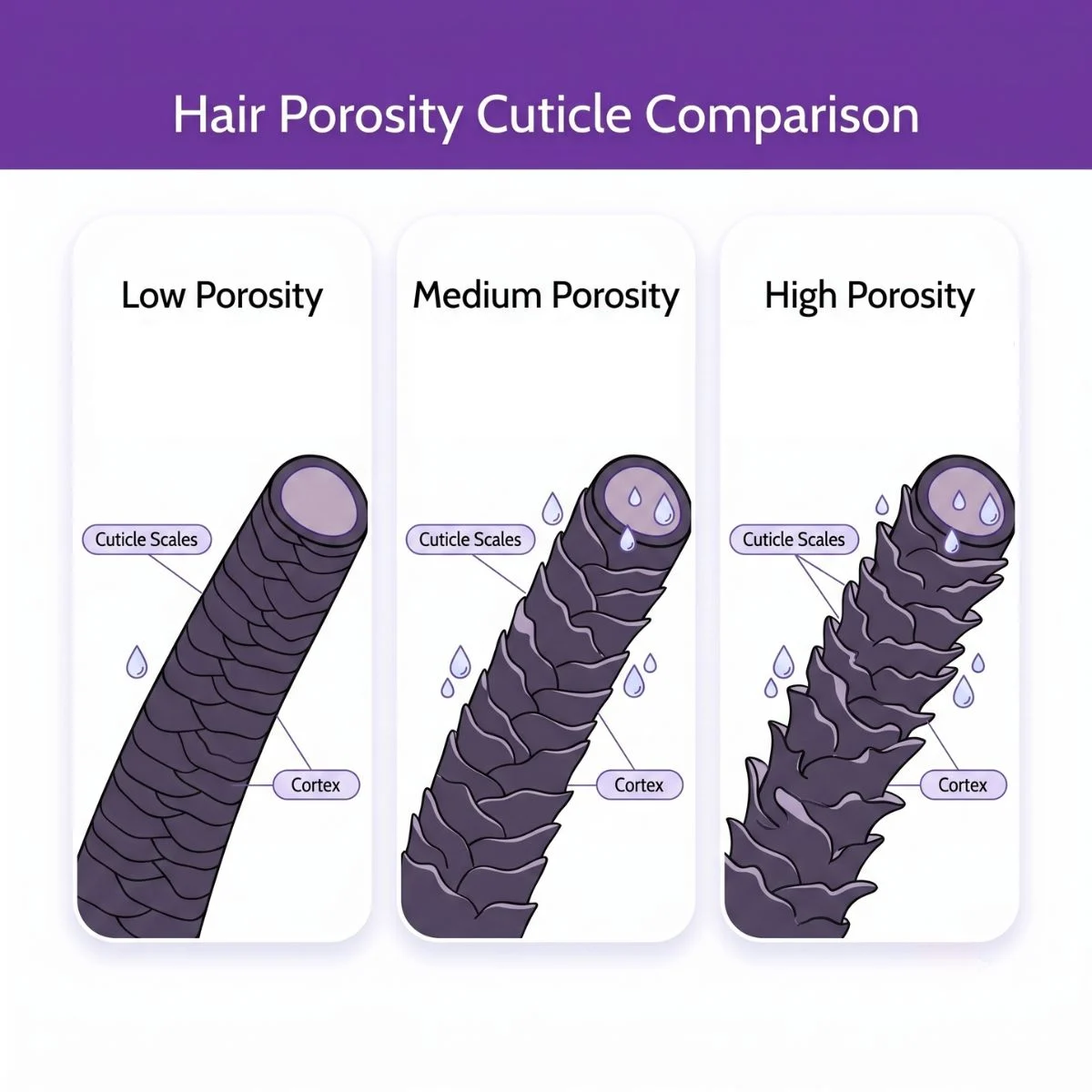
High porosity hair absorbs moisture and products rapidly but struggles to retain them, leading to dryness, frizz, and a constant feeling of thirst, regardless of its texture. This characteristic stems from an open cuticle layer, where the protective scales are lifted or spaced apart, allowing for quick ingress but equally swift egress of hydration and beneficial ingredients. This phenomenon affects straight, wavy, curly, and coily hair alike, and is often a consequence of environmental damage, chemical treatments, or heat styling, rather than an innate genetic trait. This detailed exploration delves into the underlying science of high porosity strands, offers practical at-home testing methods, and provides a tailored care regimen for each hair texture, alongside guidance on effective products, essential ingredients, and common pitfalls to avoid.
The Science Behind High Porosity Hair: A Deeper Dive into Cuticle Structure
Porosity, in the context of hair, refers to the hair shaft’s ability to absorb and retain moisture. This capacity is intrinsically linked to the condition of the cuticle, the outermost layer of the hair shaft composed of overlapping scales. In low porosity hair, these scales lie flat and tightly knit, creating a barrier that resists moisture penetration but also effectively seals it in. Conversely, high porosity hair is characterized by a cuticle layer that is raised, cracked, or exhibits gaps. This compromised structure allows water, oils, and styling products to enter the hair shaft with remarkable speed. However, the very openness that facilitates absorption also expedites moisture loss, resulting in hair that dries quickly, becomes prone to frizz, and often feels dry even after conditioning.
The implications of this open cuticle extend beyond simple moisture retention. Gaps in the cuticle also translate to compromised protein structure within the hair shaft. This delicate balance between protein and moisture is crucial for hair health. When the cuticle is lifted, the hair’s internal protein matrix becomes more exposed and vulnerable, impacting its strength and elasticity.
The primary culprits behind the development of high porosity hair are commonly known to be cosmetic hair treatments. Chemical processes such as coloring, bleaching, perms, and relaxers, along with consistent exposure to high heat from styling tools, are significant contributors to cuticle damage. A review published in the journal Cosmetics specifically highlights that chemically treated and bleached hair demonstrates measurably higher porosity compared to virgin hair. This study also noted that such hair exhibits a lower isoelectric point, making it more receptive to, and prone to aggressive absorption of, conditioning agents. While genetics and the natural aging process can play a minor role, the predominant cause remains external damage. The critical takeaway for individuals with high porosity hair is the necessity of a routine focused on actively sealing in moisture, rather than solely on adding more.
Identifying Your Hair’s Porosity: Simple At-Home Tests
Determining your hair’s porosity is a fundamental step in tailoring an effective hair care regimen. Fortunately, several straightforward methods can be employed at home.
The Float Test: A Quick Indicator
The most accessible test involves a simple float experiment. Cleanse a strand of hair thoroughly to remove any product residue. Place this clean strand into a glass filled with room-temperature water. Observe the strand’s behavior over a period of a few minutes.

- High Porosity Hair: Hair strands that sink quickly to the bottom within one to two minutes typically indicate high porosity. This rapid submersion suggests that the hair readily absorbs water and has lost its ability to retain it effectively.
- Low Porosity Hair: Hair that floats on the surface for an extended period before slowly sinking, or remains afloat, suggests low porosity. The flat, tightly packed cuticle repels water, making it difficult for moisture to penetrate.
- Medium Porosity Hair: Hair that hovers in the middle of the water column before gradually sinking usually signifies medium or balanced porosity. This indicates a healthy cuticle structure that allows for moderate absorption and retention of moisture.
The Feel Test: Tactile Clues to Cuticle Condition
Beyond the float test, a tactile assessment can provide further insights. Gently run two fingers up a strand of hair, moving from the ends towards the scalp.
- High Porosity Hair: If the hair strand feels rough, bumpy, or slightly raised, it is a strong indicator that the cuticle is open and uneven. This texture is a direct result of the lifted cuticle scales.
- Low Porosity Hair: Conversely, if the hair feels smooth and consistent throughout the strand, it suggests a tighter, less porous cuticle structure.
By combining these simple tests, individuals can gain a clear understanding of their hair’s porosity level, paving the way for a more targeted and effective hair care strategy.
Tailoring Your High Porosity Hair Care Routine by Texture
The overarching principle for managing high porosity hair remains consistent across all textures: the imperative to seal in moisture before it can escape. However, the specific application of this principle varies depending on the hair’s natural movement, density, and curl pattern.
Straight High Porosity Hair: Lightweight Solutions for Visible Damage
Straight hair textures often reveal signs of damage more readily due to the absence of a curl pattern to conceal dryness or unevenness. For those with straight, high porosity hair, the focus should be on employing lightweight leave-in conditioners that can penetrate without weighing the hair down. The routine should conclude with the application of a small amount of a light sealing oil, such as argan or grapeseed oil, applied strategically from the mid-lengths to the ends. Heavier butters or oils tend to sit on the surface of straight hair, creating a greasy appearance rather than being absorbed. Incorporating a weekly bond-repairing mask is also highly beneficial, as these treatments are designed to fill the gaps in the cuticle and protein structure caused by heat or chemical damage.
Wavy High Porosity Hair: Layering for Definition and Retention
Wavy hair textures can benefit from a layered approach to moisture retention, similar to that used for curly hair, albeit with lighter formulations. The process begins with applying a leave-in conditioner to thoroughly wet hair, ensuring maximum absorption. This is followed by a light styling cream, specifically chosen to enhance and define the natural wave pattern. To seal in the applied moisture, a few drops of oil can be concentrated on the ends of the hair. Heavy gels should generally be avoided unless enhanced hold is the primary objective, as they can weigh down wavy hair more easily than they would tighter curl types, potentially disrupting the wave definition.
Curly and Coily High Porosity Hair: The Power of Layering and Sealing
Curly and coily hair types are often naturally inclined towards higher porosity due to the inherent bends and twists in each strand, which create natural openings in the cuticle. For these textures, the "LOG" method (Leave-in, Oil, Gel) is particularly effective. This technique involves applying a leave-in conditioner to wet hair, followed immediately by a lightweight oil to lock in the hydration. The final step is to apply a gel to further seal the moisture, define the curl pattern, and provide hold throughout the day.
For coarser, high porosity curls, heavier oils like olive oil and castor oil can be highly beneficial. These oils are substantial enough to significantly slow down moisture evaporation without causing the curls to become weighed down or lose their shape. Their emollient properties help to smooth the cuticle and provide a protective barrier.

Essential Products and Ingredients for High Porosity Hair
High porosity hair thrives on richer, more emollient formulations that can effectively occupy the spaces within the lifted cuticle and create a barrier to prevent moisture loss. Scientific research corroborates this, indicating that oils which remain on the surface of the cuticle, rather than fully penetrating the hair cortex, are most effective in reducing the rate at which hair loses moisture. This is precisely the effect needed to combat the rapid drying characteristic of high porosity hair.
Pre-Poos and Deep Conditioning: Building a Protective Barrier
Incorporating a pre-poo treatment, especially one rich in shea butter and castor oil, before shampooing can provide an additional layer of protection and moisture. Regular deep conditioning treatments are also crucial for helping to rebuild the hair structure that has been compromised by chemical treatments or heat damage.
Here’s a breakdown of beneficial ingredients and practices:
| Need | Look For | Avoid |
|---|---|---|
| Moisture Retention | Shea butter, castor oil, olive oil, coconut oil, avocado oil | Pure water-based mists alone (evaporate quickly) |
| Cuticle Smoothing | Silicone-based serums, acidic rinses (pH 4-5) | Alkaline shampoos, very hot water rinses |
| Strength Rebuilding | Bond-building treatments, keratin treatments | Skipping protein entirely (in moderation) |
Understanding Ingredient Synergy
The effectiveness of these ingredients lies in their ability to create a cohesive strategy. For instance, humectants in leave-in conditioners draw moisture from the air, while emollients and occlusives in oils and butters create a seal to prevent that moisture from escaping. Protein treatments, when used judiciously, can help to temporarily patch up the gaps in the cuticle and strengthen the hair shaft. However, it’s crucial to maintain a balance, as an overabundance of protein can lead to hair that feels stiff and brittle.
Common Mistakes That Exacerbate High Porosity Hair Issues
Several common hair care practices can inadvertently worsen the condition of high porosity hair, leading to increased dryness and frizz.
The Criticality of the Sealing Step
One of the most significant errors is neglecting the sealing step after applying moisturizing products. Applying a leave-in conditioner or cream without following up with an oil or butter allows the moisture to escape almost as quickly as it was absorbed. This results in hair that can become frizzy and poofy within hours of washing, even if it felt adequately hydrated immediately after the styling process.
The Detrimental Effects of Over-Washing and Heat
Over-washing hair, particularly with hot water and harsh, sulfate-laden shampoos, further exacerbates cuticle lifting. High pH levels found in many conventional shampoos can open the cuticle, while hot water strips the hair of its natural oils. A study on thermally treated hair revealed that repeatedly applying heat to chemically processed strands leads to cumulative damage in both the cuticle and the cortex. Therefore, using flat irons on color-treated, high porosity hair can cause irreparable harm beyond superficial frizz.

The Protein Paradox: Finding the Right Balance
While protein is essential for rebuilding the hair structure, overdoing it is another common pitfall. Excessive protein without adequate moisture can leave hair feeling stiff, straw-like, and prone to breakage. The key lies in achieving a balance. It is advisable to alternate protein treatments with deeply moisturizing ones, observing how the hair responds rather than adhering to a rigid schedule.
Frequently Asked Questions About High Porosity Hair
Can high porosity hair become low porosity again?
While the underlying damage that causes high porosity does not permanently reverse, consistent care can significantly improve the hair’s behavior. Regular use of protein treatments, oils, and acidic rinses can temporarily smooth the cuticle, making the hair act more like low porosity hair. However, new damage from styling or environmental factors can eventually lead to a return to higher porosity characteristics.
How often should I deep condition high porosity hair?
A weekly deep conditioning treatment is a good starting point for most hair types. If the hair continues to feel dry or rough within a day or two of washing, increasing the frequency to twice a week is advisable. It’s beneficial to alternate between a moisture-focused mask and a lighter protein treatment during these deep conditioning sessions.
Is high porosity hair the same as dry hair?
Not precisely, although they often occur together. High porosity describes the mechanism by which the hair loses moisture (due to an open cuticle), while dryness is the result. It is possible to have high porosity hair that appears healthy if moisture is consistently sealed in. Conversely, hair can be dry due to other factors, such as low humidity or product buildup, irrespective of its porosity level.

Does hair porosity change with age?
Yes, hair porosity can change over time. Hormonal fluctuations, particularly around menopause, along with cumulative exposure to sun and styling practices over the years, can gradually shift hair towards higher porosity, even in individuals who have not undergone chemical treatments.
What’s the fastest way to improve high porosity hair before a special event?
While a single deep conditioning treatment cannot undo long-term damage, a rich mask left on for 20-30 minutes under a warm towel, followed by a leave-in conditioner and a light sealing oil, can provide a noticeable, albeit temporary, improvement in shine and frizz reduction. This immediate boost can be beneficial for short-term aesthetic goals.
In conclusion, managing high porosity hair is fundamentally about adopting a consistent habit: layering moisture into the hair and then sealing it effectively to prevent its escape. By paying close attention to how strands react to protein versus moisturizing treatments, minimizing heat exposure and harsh shampoos, and adjusting product richness to match the cuticle’s openness, individuals can achieve significantly calmer, shinier, and more manageable hair over time.
