
 By admin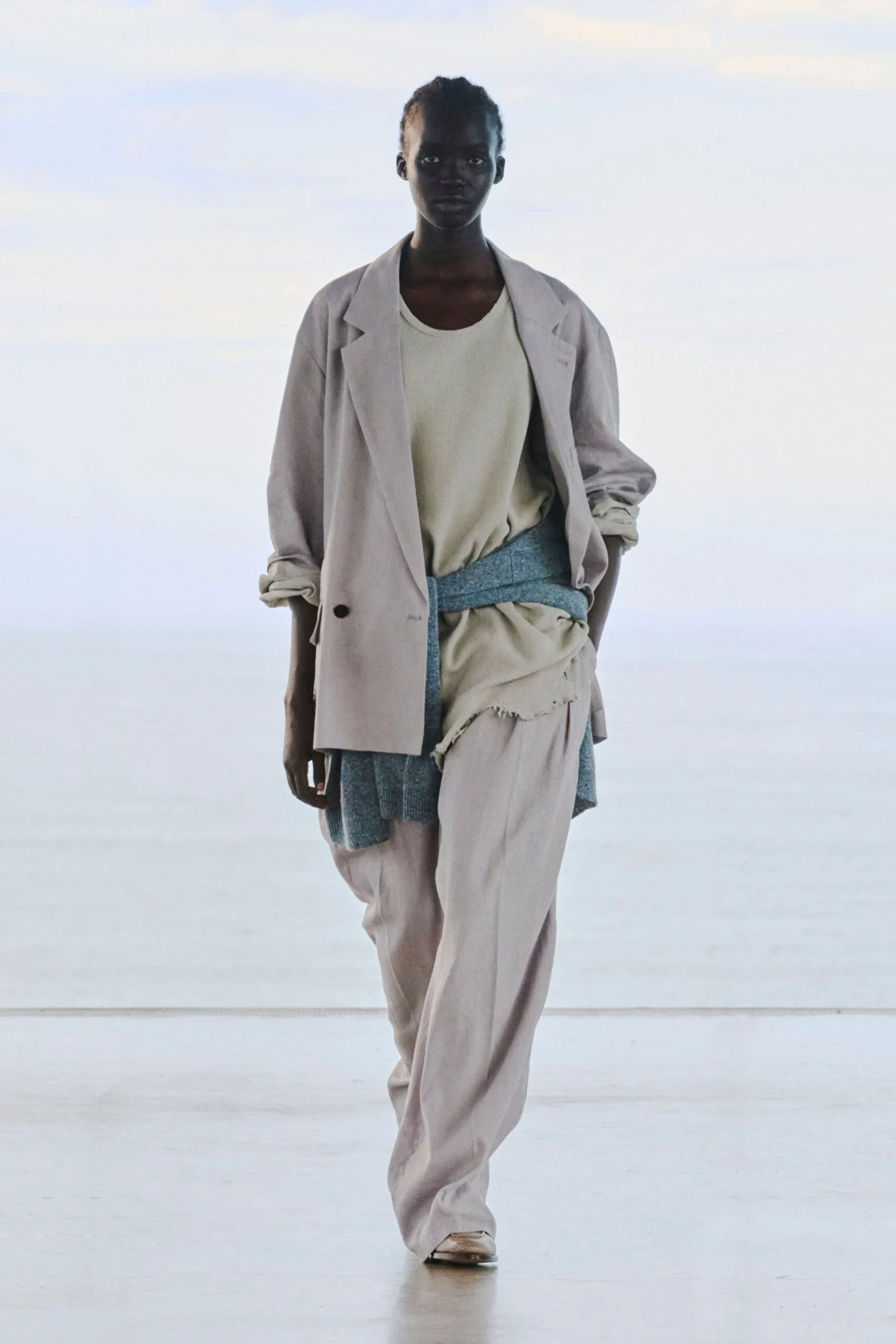
Kazuya Yamachika, the visionary founder of the burgeoning fashion label Ancellm, has unequivocally declared his disinterest in the conventional limitations imposed on textile manipulation. Since establishing Ancellm in 2020, Yamachika has embarked on a relentless pursuit of challenging established manufacturing norms, pushing the boundaries of fabric treatment in ways traditionally deemed impractical or even impossible by industry veterans. This audacious approach, exemplified by processes like the deliberate shrinking of leather, has not only surprised seasoned factory professionals but has also propelled Ancellm into a position of rapid global expansion, stocked in approximately 90 retailers spanning from Vancouver to Los Angeles and Shanghai, complemented by a recently inaugurated flagship store in Tokyo.
The genesis of Ancellm in 2020 occurred at a pivotal moment for the global fashion industry, grappling with the unprecedented disruptions of the COVID-19 pandemic. While many established brands faced supply chain crises and plummeting consumer demand, Ancellm carved out a niche by focusing intensely on material innovation and a distinct aesthetic. Yamachika’s philosophy from the outset has been to question the very essence of textile properties, believing that the true potential of a fabric is often untapped due to manufacturing conservatism or a lack of imaginative experimentation. His "fabric-first" ethos, which prioritizes the material and its transformative possibilities, became a cornerstone of the brand’s identity.
A Defiance of Textile Dogma: The Yamachika Method
Yamachika’s method is not merely about aesthetic experimentation; it delves into the technical alchemy of textile engineering. His requests to factories are frequently met with incredulity, as he seeks to implement treatments that defy decades of established practice. "The factories absolutely get surprised by our requests," Yamachika noted from his bustling Tokyo showroom, which consistently sees a flurry of buyer activity. This astonishment stems from Ancellm’s innovative demands, such as methods to intentionally shrink leather—a material renowned for its stability and resistance to dimensional change. Traditional leather processing aims for consistency and avoiding shrinkage, as it can lead to cracking, uneven texture, and compromised durability. Yamachika, however, views these "imperfections" as avenues for unique textural depth and a distinct, lived-in character, transforming perceived flaws into signature design elements. This deliberate manipulation requires not only a deep understanding of material science but also a willingness from manufacturing partners to step outside their comfort zones and embrace unconventional techniques.
Beyond leather, Ancellm’s portfolio showcases a wide array of fabric interventions. The collection features sulfur-dyed tailoring, a process that imparts a rich, often uneven, and faded appearance, giving garments a vintage yet contemporary feel. Shaved leather pieces offer a nuanced texture, while inky denim and dusty pink knits highlight a sophisticated color palette achieved through meticulous dyeing and finishing. These techniques, while often complex and labor-intensive, are integral to Ancellm’s identity, ensuring each piece possesses a unique tactile and visual signature.
The Kojima Advantage: A Hub of Textile Excellence
Ancellm’s ability to execute such intricate and unconventional fabric treatments is significantly bolstered by its strategic base in Japan’s Kojima region. Renowned globally as a mecca for premium denim and textile manufacturing, Kojima boasts a rich heritage of artisanal craftsmanship combined with cutting-edge technological capabilities. For centuries, this region has been at the forefront of textile innovation, attracting master weavers, dyers, and finishers. This unparalleled access to some of the world’s most skilled textile factories and specialized machinery provides Ancellm with a crucial competitive edge. The collaborative spirit between Yamachika’s design team and Kojima’s expert manufacturers allows for the painstaking development and refinement of Ancellm’s signature processes, transforming ambitious concepts into tangible, high-quality garments. Without this synergistic relationship, many of Ancellm’s groundbreaking fabric manipulations would likely remain theoretical.
The willingness of Kojima’s factories to engage with Ancellm’s "unconventional requests" speaks volumes about the region’s commitment to pushing boundaries and its deep-seated pride in textile innovation. While initial reactions might be surprise, the long-standing tradition of craftsmanship in Kojima fosters an environment where challenges are met with ingenuity rather than outright rejection. This partnership is a testament to the enduring power of human skill and technological advancement working in tandem.
Strategic Pricing and Global Market Penetration
Ancellm’s rapid ascent is not solely attributed to its innovative textiles; a shrewd pricing strategy has played an equally vital role. By "undercutting its fabric-first competitors," Ancellm has positioned itself uniquely in a market segment often dominated by luxury brands with high price points. This competitive pricing, especially for garments that boast such intricate and unique material treatments, suggests a lean operational model, efficient supply chain management, and potentially a focus on optimizing production costs without compromising quality.
The brand’s ability to offer innovative, high-quality pieces at more accessible price points disrupts the traditional luxury market dynamic. This strategy appeals to a new generation of consumers who value authenticity, unique design, and material integrity over overt brand prestige or exorbitant pricing. The swift expansion to 90 retailers across diverse global markets—from the fashion-forward cities of Vancouver and Los Angeles to the burgeoning luxury hubs of Shanghai—underscores the broad appeal of Ancellm’s value proposition. The recent opening of its flagship store in Tokyo further solidifies its market presence, offering a direct-to-consumer experience that allows the brand to fully articulate its vision and connect intimately with its growing customer base. This multi-channel retail approach, combining wholesale partnerships with a dedicated retail space, maximizes market reach and brand visibility.
Evolution of an Aesthetic: From Process to Poetic Refinement
While Ancellm remains committed to its core principle of innovative fabric processing, Yamachika acknowledges a subtle yet significant evolution in the brand’s aesthetic direction. "We’ve been aiming for a slightly more refined look since the last collection," he explained. "While we certainly continue to use special finishes, as we always have, we’re trying not to over-emphasize the processing itself." This shift signifies a maturation of the brand’s design philosophy, moving beyond mere technical prowess to a more holistic consideration of drape, silhouette, and overall garment feel.
The result is a collection imbued with a "bohemian flavor," where the intricate material treatments serve to enhance rather than overshadow the garment’s form. This approach ensures that each piece, having undergone some form of "tinkering in his laboratory," contributes to a cohesive and sophisticated wardrobe. This refinement reflects a broader trend in contemporary fashion, where comfort, effortless elegance, and artisanal quality are increasingly prioritized. Ancellm successfully merges its technical innovation with a wearable, modern sensibility, creating clothes that are both unique and highly desirable.
The Gobelin Transformation: A Case Study in Innovation
One of the most striking examples of Ancellm’s transformative capabilities is its reinterpretation of Gobelin fabric. Traditionally, Gobelin is a thick, rigid, and often unwieldy jacquard tapestry fabric, typically used for upholstery or decorative wall hangings due to its dense weave and ornate patterns. Yamachika, however, saw potential for this robust material in contemporary apparel. His challenge was to soften it, making it pliable and wearable without losing its distinctive visual appeal.
The solution involved meticulously "loosening the weave" to achieve a fluidity uncharacteristic of Gobelin. This process is technically demanding, as loosening the weave risks distorting the intricate patterns inherent in jacquard tapestry. Yamachika’s team achieved a delicate balance, ensuring the weave was "just tight enough for the pattern to show through," while simultaneously imparting a luxurious softness. The transformed Gobelin was then cut into wide shorts and a belted jacket, complete with pastoral hand-drawn toile de Jouy—a classic French scenic design, now rendered in a novel, softened tapestry. This successful recontextualization of Gobelin showcases Ancellm’s commitment to challenging material conventions and its ability to elevate traditional textiles into modern, wearable art.
Beyond the Runway: A New Narrative Approach
In a strategic departure from the traditional runway show format, a trend increasingly adopted by many Japan-based designers this season, Ancellm chose to present its collection through a thoughtfully curated lookbook. The decision reflects a growing preference among designers for more controlled, intimate, and often more sustainable ways of storytelling. Runway shows, while glamorous, are resource-intensive and can sometimes overshadow the intricate details of a collection.
Ancellm’s lookbook was shot over an afternoon in a striking glass-walled train station, a setting that provided a dynamic backdrop and enhanced the collection’s narrative. As the day progressed, the sky outside the transparent walls transitioned from a pale blue to an indigo dusk. This natural progression of light and color was intentionally paralleled in the collection’s aesthetic, which featured washed-out shading punctuated by "satisfying splashes of sunset orange, dusty pink knits, and inky denim." The choice of a train station—a place of transit, movement, and light—symbolically aligns with Ancellm’s journey of continuous innovation and its seamless blend of modernity with a timeless, natural sensibility. The interplay of the evolving sky and the collection’s palette created a powerful visual metaphor for transformation and the nuanced beauty of change.
Broader Implications for the Fashion Industry
Ancellm’s trajectory carries significant implications for the broader fashion industry. Firstly, it serves as a powerful testament to the enduring potential of textile innovation. By actively challenging manufacturing norms, Yamachika is not only creating unique garments but also inspiring a new generation of designers and manufacturers to rethink the capabilities of raw materials. This focus on material science and unconventional treatments could spur further research and development within the textile sector, leading to breakthroughs that benefit the entire industry.
Secondly, Ancellm’s strategic pricing model offers a compelling case study in market disruption. In an era where consumers are increasingly scrutinizing value and authenticity, Ancellm demonstrates that high-quality, innovative design does not necessarily need to be exclusive to the ultra-luxury segment. This approach could encourage a recalibration of pricing strategies across the industry, fostering greater accessibility for designer-level craftsmanship.
Furthermore, the brand’s rapid global expansion underscores the universal appeal of its distinct aesthetic and innovative approach. It highlights Japan’s continued role as a powerhouse of fashion creativity and textile technology, contributing to the country’s reputation for avant-garde design and meticulous craftsmanship. Ancellm is not merely selling clothes; it is selling a philosophy—a belief in pushing boundaries, celebrating material transformation, and creating garments that tell a story. This resonates deeply with contemporary consumers seeking individuality and thoughtful design.
Finally, Ancellm’s decision to opt for a lookbook over a traditional runway show reflects a growing industry trend towards more sustainable and impactful presentation formats. This strategic shift suggests an awareness of evolving media consumption habits and a desire for more direct and controlled narrative building, potentially influencing how other brands approach their seasonal unveilings in the future.
In conclusion, Kazuya Yamachika and Ancellm are more than just a fashion label; they represent a formidable force for innovation in the global textile and apparel industry. By fearlessly defying established norms, leveraging Japan’s unparalleled manufacturing prowess, and strategically positioning itself in the market, Ancellm has rapidly cultivated a unique identity. As the brand continues to expand its reach and refine its aesthetic, it is poised to not only shape contemporary fashion trends but also inspire a fundamental re-evaluation of what is truly possible in the world of textiles.
