
 By admin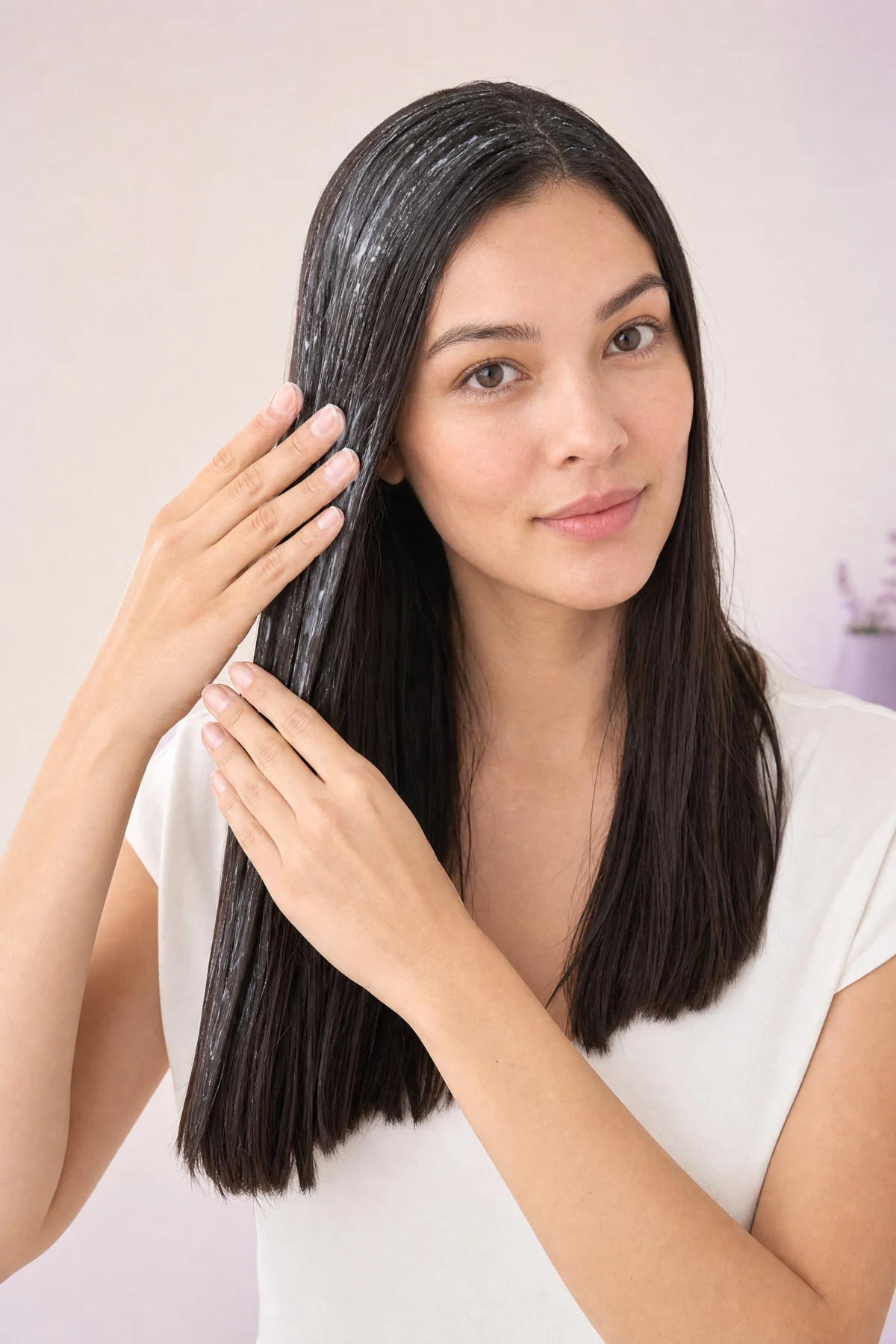
Low porosity hair, characterized by a tightly sealed cuticle layer, presents a unique challenge in moisture and product absorption across all hair textures, from straight to coily. This inherent structure means that water and beneficial ingredients struggle to penetrate the hair shaft, often leading to a feeling of product buildup or greasiness even when the hair remains dry underneath. This comprehensive guide delves into the science behind low porosity hair, offers practical methods for home testing, outlines tailored care routines for diverse textures, and highlights wash-day habits essential for preventing common issues like coating, oiliness, and weightiness.
The Science Behind the Sealed Cuticle
Porosity, in the context of hair care, refers to the hair shaft’s ability to absorb and retain moisture. This property is largely determined by the condition of the cuticle, the outermost layer of the hair, which is composed of overlapping, scale-like cells. In hair with low porosity, these cuticle scales lie flat and are tightly overlapped. This dense, sealed arrangement creates a barrier that significantly impedes the entry and exit of water and conditioning agents.
Research published in the journal Cosmetics has substantiated this, demonstrating a direct correlation between the cuticle’s structure and fluid exchange within the hair fiber. The study highlights that the overlapping layers of the cuticle and the lipid-protein bonds that hold them together are key regulators of moisture movement. Hair that has an undamaged, tightly closed cuticle, as is often the case with naturally low porosity hair, experiences a slower rate of fluid exchange. This can occur naturally from birth or develop over time as the hair remains healthy and is not subjected to chemical processing or excessive heat styling.
The inherent advantages of low porosity hair include its tendency to appear naturally shiny and its remarkable resistance to damage. However, the primary drawback is the difficulty in achieving adequate moisture penetration. Products often rest on the surface of the hair shaft, leading to a superficial coating that can make the hair feel heavy, greasy, or appear dull, even after washing. Identifying one’s hair porosity is the foundational step in developing an effective hair care regimen.
A common indicator for low porosity hair, irrespective of texture, is its behavior in the shower and during the drying process. If hair takes an extended period to become fully saturated with water and an even longer duration to dry, it is a strong indication of a tightly sealed cuticle.

Practical Methods for Assessing Hair Porosity
Determining hair porosity does not require specialized equipment. Several straightforward at-home tests can provide a clear understanding of your hair’s porosity level.
The Float Test
This widely recommended test involves placing a single, clean strand of hair (free from any product residue) into a glass of room-temperature water. Low porosity hair, due to its hydrophobic nature and sealed cuticle, will typically float on the surface for several minutes, indicating resistance to water absorption. Conversely, hair with higher porosity will absorb water more readily and sink to the bottom of the glass.
The Spray Bottle Test
Another effective method involves using a spray bottle filled with water. Lightly mist a small section of dry hair. If the water beads up and rolls off the hair shaft rather than being absorbed, it is a strong sign that the cuticle is tightly closed, characteristic of low porosity. For hair with higher porosity, the water would quickly soak into the strands.
The Product Buildup Observation
Observing how your hair behaves in the days following a wash can also offer clues. Low porosity hair that quickly appears flat, dull, or develops a filmy texture is often struggling under the weight of products that have not fully penetrated the hair shaft. This visual cue suggests that product accumulation is occurring due to poor absorption.
Tailored Care Routines for Diverse Hair Textures
While porosity is a distinct characteristic from curl pattern, its effects are observed across all hair types. The fundamental approach to managing low porosity hair remains consistent: the use of lightweight, water-based products and the strategic application of heat to encourage cuticle opening. The nuances lie in the quantity of product used and the method of application, which must be adapted to individual hair textures.
Straight Low Porosity Hair
For individuals with straight hair exhibiting low porosity, the primary concern is the tendency for products to weigh the hair down, as there is no curl pattern to disguise residue. It is advisable to opt for thin, water-based leave-in conditioners and to be cautious with heavy butters and oils, particularly near the roots. Incorporating a clarifying shampoo into the routine once every one to two weeks is crucial for preventing the buildup that leads to flat, lifeless hair.

Wavy Low Porosity Hair
Wavy hair with low porosity often presents with frizz on the upper sections while the ends may appear limp. This is a consequence of products adhering to the hair’s surface rather than being evenly absorbed. To combat this, apply leave-in conditioner to hair that is still soaking wet, rather than merely damp. The presence of ample water acts as a carrier, facilitating the product’s penetration into the hair shaft.
Curly Low Porosity Hair
Curly hair inherently requires more moisture, making the challenges of low porosity particularly frustrating as the cuticle actively resists absorption. A consistent care routine for low porosity curly hair should prioritize steam, lightweight curl creams, and a judicious use of protein. This approach helps maintain curl definition without the greasiness that heavier products can induce in this hair type.
Coily Low Porosity Hair
Coily hair is prone to significant shrinkage and rapid drying. For low porosity coils, the objective is to use moisture-retaining products that penetrate deeply rather than merely coating the hair. Many individuals with coily hair find success with modified versions of the Curly Girl Method, emphasizing the use of thinner creams and applying products in sections to fully saturated hair.
Optimal Product Selection and Application Strategies
Ingredient selection plays a pivotal role when dealing with a cuticle that resists absorption. Humectants, such as glycerin and aloe vera, are beneficial as they draw moisture towards the hair shaft. Conversely, heavier oils like coconut or shea butter can sit on the surface, contributing to the characteristic greasy and weighed-down sensation associated with low porosity hair. Opting for lighter oils, such as argan or grapeseed oil, and using them sparingly is recommended.
The method of product layering is also critical. Techniques like the LOC (Liquid, Oil, Cream) and LOG (Liquid, Oil, Gel) methods are particularly effective for low porosity hair. They involve applying a liquid base first, allowing the cuticle to absorb some moisture before introducing creams or oils. Heat is an invaluable tool; warm steam from a shower, a hooded dryer, or even a warm towel applied for ten minutes prior to rinsing can gently lift the cuticle, facilitating product penetration.
When it comes to deep conditioning, it is best to avoid cold treatments. Deep conditioning treatments are significantly more effective on low porosity hair when heat is incorporated. The warmth temporarily relaxes the tightly packed cuticle scales, providing a better opportunity for the conditioner to penetrate before being rinsed out.

Common Pitfalls to Sidestep
Many low porosity hair care routines falter due to assumptions that do not align with the hair type’s unique behavior.
- Over-reliance on heavy oils and butters: These can create a barrier, preventing moisture from entering the hair shaft.
- Applying products to dry or towel-dried hair: This leads to products sitting on the surface rather than absorbing.
- Skipping clarifying washes: Buildup from products can further impede moisture absorption.
- Using protein-heavy treatments excessively: While some protein is beneficial, too much can make low porosity hair feel stiff and brittle.
- Not using heat during deep conditioning: This limits the penetration of nourishing ingredients.
A Practical Approach to Wash Day and Maintenance
Most individuals with low porosity hair find an optimal wash schedule of once or twice a week. This frequency allows the hair to retain both moisture and oils for longer periods compared to other porosity types.
A typical wash day routine may involve clarifying the hair every other wash to remove product buildup. Following this, a heat-assisted deep conditioning treatment can be applied for 20 to 30 minutes. Rinsing with cool water helps to smooth the cuticle. Subsequently, a water-based leave-in conditioner and a light styler should be applied to hair that is still dripping wet. It is crucial to avoid applying any products to towel-dried or fully dry hair, as this is when products are most likely to remain on the surface without penetrating.
Frequently Asked Questions About Low Porosity Hair
Can low porosity hair transition to high porosity over time?
Yes, external factors such as heat styling, chemical treatments like bleaching or relaxers, and prolonged sun exposure can lift and damage the cuticle, gradually shifting hair towards higher porosity. While genetics play a role in the natural baseline porosity, it is not a fixed trait throughout life.
Why does my low porosity hair feel greasy shortly after washing?
This typically indicates that products are accumulating on the surface of the hair rather than penetrating the strand. Switching to lighter, water-based products applied to soaking wet hair, and incorporating a clarifying wash to remove existing buildup, can help alleviate this issue.
Does low porosity hair take longer to dry?
Indeed, this is one of the most discernible signs of low porosity. The same tightly closed cuticle that restricts water entry also hinders rapid evaporation once the hair is wet.

Should I avoid oils entirely if I have low porosity hair?
Not necessarily. Lighter oils, used judiciously, are far more effective than heavy butters. Apply oil to soaking wet hair as a sealant rather than a primary moisturizer, and omit it if your hair already feels weighed down.
Is steam essential for low porosity hair care?
While not strictly mandatory, steam significantly aids in the care of low porosity hair. It temporarily lifts the cuticle scales, creating an opening for products to penetrate, which is why hooded dryers, steamers, and warm towels are frequently incorporated into low porosity routines.
Can men also have low porosity hair?
Absolutely. Hair porosity is independent of gender. Men with low porosity hair will benefit from the same lightweight, water-based approach, regardless of whether their hair texture is straight, wavy, or coily.
The cultivation of healthy low porosity hair hinges on working in harmony with the cuticle, rather than against it. This involves utilizing lighter products, ensuring ample water is present during application, and employing a moderate amount of heat to facilitate absorption. Whether your hair is pin-straight or tightly coiled, the core principles remain consistent, with sustained consistency proving more impactful than any single "miracle" product. Close observation of your hair’s response over several wash cycles will guide adjustments in product volume and heat application.
Sources:
- Research published in the journal Cosmetics on hair fiber structure and porosity.
Disclaimer: Individual hair results may vary based on natural hair type, texture, density, and condition. It is always advisable to consult with a licensed hairstylist or trichologist before making significant alterations to your hair care regimen, particularly if you suspect damage or chemical processing has impacted your hair’s porosity.
