
 By Layla Zulfa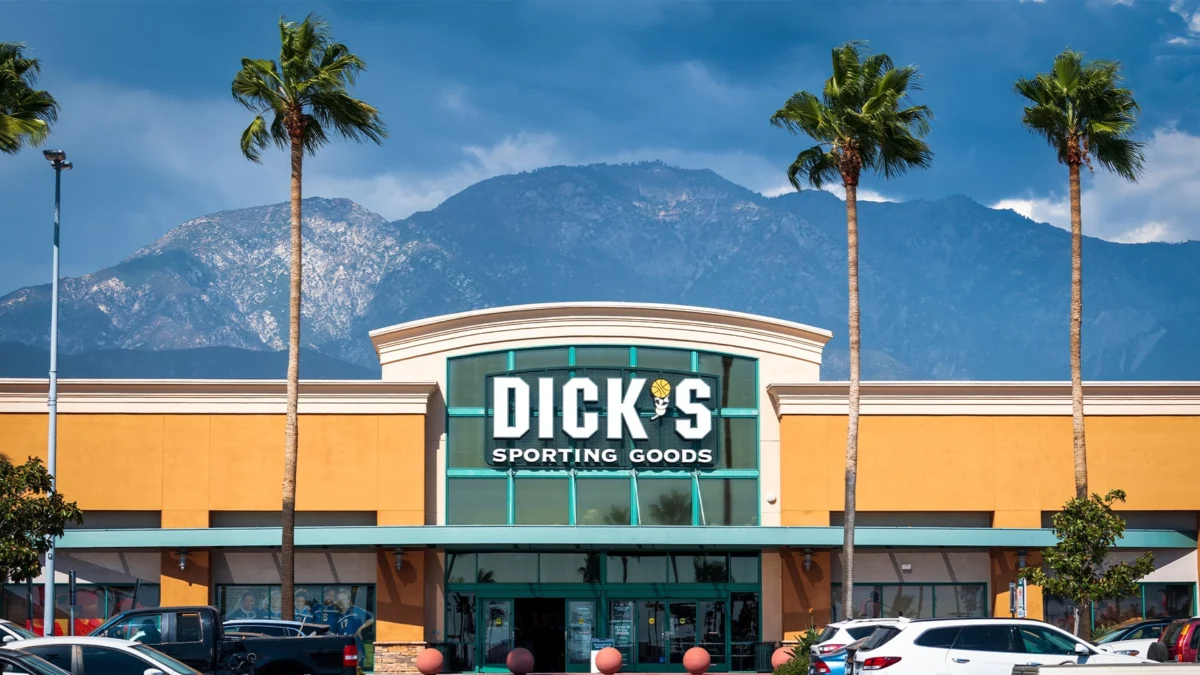
Dick’s Sporting Goods, a prominent American sporting goods retailer, announced a significant downward revision to its full-year sales and profit forecasts on Tuesday, citing a pervasive cautious consumer environment that has dampened demand for athletic apparel and sporting goods. The news sent immediate ripples through the market, with the company’s shares plummeting by 13 percent in premarket trading, reflecting investor apprehension regarding the broader retail landscape and the resilience of discretionary consumer spending. This unexpected recalibration of financial outlook underscores growing concerns among retailers about the sustainability of consumer demand in the face of persistent inflationary pressures and economic uncertainties.
Unpacking the Revised Outlook and Market Reaction
The core of Tuesday’s announcement revolved around Dick’s Sporting Goods significantly lowering its financial expectations for the current fiscal year. Previously, the company had projected a more optimistic trajectory, banking on continued consumer enthusiasm for active lifestyles and athletic wear. However, the revised outlook now anticipates lower sales volumes and reduced profitability, directly attributing this shift to a more conservative spending pattern among consumers. The exact figures of the revised sales and profit forecasts, while not detailed in the initial summary, are understood to represent a substantial deviation from earlier guidance, signaling a material impact on the company’s expected performance. The immediate market response was sharp and decisive, with the 13 percent drop in share price highlighting investor sensitivity to any indication of weakening consumer fundamentals, particularly in the discretionary retail sector. This decline effectively wiped billions off the company’s market capitalization, reflecting a rapid reassessment of its future earnings potential by the investment community.
Broader Economic Context: A Cautious Consumer Landscape
The decision by Dick’s Sporting Goods to cut its forecasts is not an isolated event but rather a symptom of a larger, evolving economic narrative. For months, economists and market analysts have been closely monitoring indicators of consumer health, including inflation rates, interest rate hikes by central banks, and fluctuating consumer confidence indices. The persistent rise in the cost of living, driven by elevated inflation across essential goods and services, has undeniably squeezed household budgets. This pressure leaves consumers with less disposable income for non-essential purchases, such as new athletic apparel or high-end sporting equipment.
The Federal Reserve’s aggressive interest rate hikes, aimed at taming inflation, have further contributed to a tightening credit environment, making borrowing more expensive for both consumers and businesses. While these measures are designed to cool the economy, a direct consequence is often a slowdown in consumer spending, especially on discretionary items. Consumer sentiment surveys, such as those conducted by the University of Michigan or the Conference Board, have frequently painted a picture of increasing consumer caution, with many households expressing concerns about future economic conditions and their personal financial outlooks. This confluence of factors creates a challenging operating environment for retailers heavily reliant on discretionary spending.
The Post-Pandemic Boom and Subsequent Normalization
The sporting goods and athletic apparel sector experienced an unprecedented boom during the COVID-19 pandemic. Lockdowns and a heightened focus on health and wellness spurred a surge in demand for home fitness equipment, outdoor gear, and comfortable activewear. Companies like Dick’s Sporting Goods benefited immensely from this trend, reporting record sales and profits as consumers invested in their physical well-being and sought socially distanced recreational activities. This period saw a significant expansion of the customer base for many retailers in the sector, as well as an acceleration of digital sales channels.
However, as pandemic restrictions eased and life began to normalize, a shift in consumer spending patterns became evident. There was a noticeable pivot from goods back to services, with consumers prioritizing experiences such as travel, dining out, and entertainment over physical products. This rebalancing, combined with the aforementioned economic headwinds, has led to a "normalization" of demand in categories that previously saw exponential growth. For Dick’s Sporting Goods, this normalization appears to be more pronounced than initially anticipated, signaling that the post-pandemic surge may have masked underlying vulnerabilities in consumer spending habits that are now coming to the fore. The company’s revised outlook suggests that the market’s previous expectations for sustained growth, perhaps extrapolated from the pandemic-era performance, were overly optimistic in the current economic climate.
Timeline of Shifting Fortunes
The trajectory of Dick’s Sporting Goods’ financial outlook, and indeed the broader retail sector, can be traced through a series of recent events and economic shifts:
- Early 2020 – Mid-2021: The initial phase of the pandemic sees a massive surge in demand for sporting goods and athleisure wear. Dick’s, like many others in the sector, reports robust sales growth and strong earnings, benefiting from increased outdoor activity and home fitness trends.
- Late 2021 – Early 2022: As economies reopen, signs of inflation begin to emerge globally, initially dismissed as "transitory." Supply chain disruptions also contribute to rising costs. Consumer spending remains relatively strong, but the first hints of a shift back to services appear.
- Mid-2022: Inflation becomes more persistent, leading central banks, including the Federal Reserve, to begin aggressive interest rate hiking cycles. This starts to cool consumer demand, particularly in housing and big-ticket discretionary items. Retailers start to report some softening, though many maintain optimistic full-year forecasts.
- Late 2022 – Early 2023: Consumer confidence indices show a consistent decline. Retailers, including some major apparel brands, begin to report inventory build-ups and increased promotional activity to clear stock. Discussions about "consumer fatigue" and "belt-tightening" become more prevalent.
- Q2 2023 Earnings Season (leading up to this announcement): Many retailers across various segments provide mixed signals. While some premium brands hold up, value-oriented and mid-market retailers often report increased caution from consumers. Dick’s Sporting Goods’ prior guidance would have been issued during this period, likely reflecting a then-current assessment of these evolving conditions.
- Tuesday’s Announcement: Dick’s Sporting Goods formally cuts its full-year sales and profit forecasts, acknowledging that the "cautious consumer environment" has had a greater impact than previously modeled, particularly on demand for sporting goods and athletic apparel. This marks a critical point where the company’s internal projections diverge significantly from the prevailing market realities.
This chronology illustrates a gradual but persistent deterioration of the consumer environment, culminating in the current difficult operating landscape for retailers.
Statements and Reactions: Industry Voices Weigh In
While specific direct quotes from Dick’s Sporting Goods’ leadership or market analysts regarding this particular announcement are not available in the provided snippet, we can infer the likely tenor of their statements and reactions:
From Dick’s Sporting Goods Management (Inferred):
It is highly probable that CEO Lauren Hobart and CFO Navdeep Gupta would emphasize the unprecedented nature of the current economic environment. Their statements would likely acknowledge the "challenging macroeconomic backdrop" and the "pressured discretionary spending" affecting their core customer base. They would likely articulate a commitment to "strategic inventory management" to prevent excessive markdowns, while also focusing on "operational efficiencies" to mitigate the impact on profitability. Furthermore, they might highlight the company’s long-term strengths, such as its strong brand relationships, omnichannel capabilities, and customer loyalty programs, as pillars for navigating the current downturn. The message would aim to reassure investors of the company’s adaptability while candidly addressing the headwinds.
From Market Analysts (Inferred):
Following such a significant forecast cut, market analysts would likely react with a series of research notes and revised ratings. Analysts from firms like Goldman Sachs, JPMorgan, or Baird might issue reports downgrading Dick’s Sporting Goods’ stock or lowering their price targets. Their analysis would likely focus on:
- Validation of Sector Trends: Many analysts have been anticipating a slowdown in discretionary retail. This announcement would serve as further confirmation of their thesis.
- Competitive Dynamics: How does Dick’s performance compare to rivals like Academy Sports + Outdoors, Hibbett Sports, or even broader athletic wear brands like Nike and Adidas? Analysts would assess whether this is a company-specific issue or a broader industry problem.
- Inventory Levels: A key area of scrutiny would be the company’s inventory levels. Excessive inventory in a weakening demand environment can lead to heavy discounting, eroding profit margins.
- Pricing Power: Analysts would evaluate the company’s ability to maintain pricing power in a competitive and promotional market.
- Long-Term Strategy: Questions would arise about Dick’s long-term strategy in a more constrained consumer landscape, including investments in private labels, digital initiatives, and store formats.
From Competitors (General Observations):
While competitors would not directly comment on Dick’s specific announcement, their recent earnings calls and outlooks would likely echo similar sentiments about a challenging consumer environment. Major athletic apparel brands like Nike and Under Armour have also reported varied results, with some noting increased promotional activity in the market. Specialty retailers in niche sporting categories might also be feeling the pinch of reduced discretionary spending. This collective sentiment suggests that the issues faced by Dick’s Sporting Goods are not entirely unique but rather indicative of broader industry trends.
Implications and Broader Impact
The revised forecasts from Dick’s Sporting Goods carry significant implications, not just for the company itself but for the broader retail ecosystem and economic outlook.
For Dick’s Sporting Goods:
- Operational Adjustments: The company will likely implement stricter inventory controls, potentially scaling back orders from suppliers. This could involve more aggressive promotional strategies to clear existing stock, impacting gross margins.
- Profitability Pressure: The reduced sales and increased need for promotions will directly pressure profitability. The company will need to find cost efficiencies across its operations, from supply chain to marketing and store operations.
- Strategic Review: This period might prompt a review of its growth strategies, potentially emphasizing customer loyalty programs, enhancing its omnichannel experience, or focusing on specific product categories that demonstrate resilience.
- Investor Confidence: A significant forecast cut can erode investor confidence, making it harder to attract capital or maintain a strong valuation in the short to medium term.
For the Broader Retail Sector:
- Confirmation of Softening Demand: Dick’s announcement adds to a growing body of evidence that the consumer, particularly in discretionary categories, is indeed pulling back. This could lead other retailers to re-evaluate their own forecasts and strategies.
- Inventory Management Challenges: If demand continues to weaken, many retailers could face similar inventory issues, leading to an industry-wide increase in promotional activity and margin compression.
- Supply Chain Ripple Effects: Reduced orders from major retailers like Dick’s Sporting Goods can have a ripple effect up the supply chain, impacting manufacturers, logistics providers, and raw material suppliers.
- Impact on Athletic Brands: Key vendor partners like Nike, Adidas, and Under Armour, which rely heavily on retailers like Dick’s for distribution, could also see an impact on their wholesale revenues if Dick’s reduces orders or seeks more favorable terms.
For the Economic Outlook:
- Further Indication of Economic Slowdown: The retail sector is a significant component of GDP. A sustained slowdown in retail spending, particularly discretionary items, signals a broader economic deceleration.
- Inflationary Pressures vs. Demand Destruction: This situation highlights the delicate balance central banks are trying to achieve. While interest rate hikes are designed to curb inflation by reducing demand, there’s a risk of "demand destruction" that could lead to a more severe economic downturn or even a recession.
- Consumer Resilience Test: The coming quarters will be a critical test of consumer resilience. Factors such as the labor market’s strength, wage growth, and the trajectory of inflation will heavily influence whether this consumer caution intensifies or abates.
In conclusion, Dick’s Sporting Goods’ revised financial outlook serves as a stark reminder of the volatile economic climate currently influencing consumer behavior. The confluence of high inflation, rising interest rates, and a shift in post-pandemic spending habits has created a challenging environment for retailers focused on discretionary goods. The company’s proactive adjustment reflects a prudent, albeit sobering, assessment of current market realities, setting a cautious tone for the remainder of the fiscal year and prompting broader reflection across the retail industry.
