
 By admin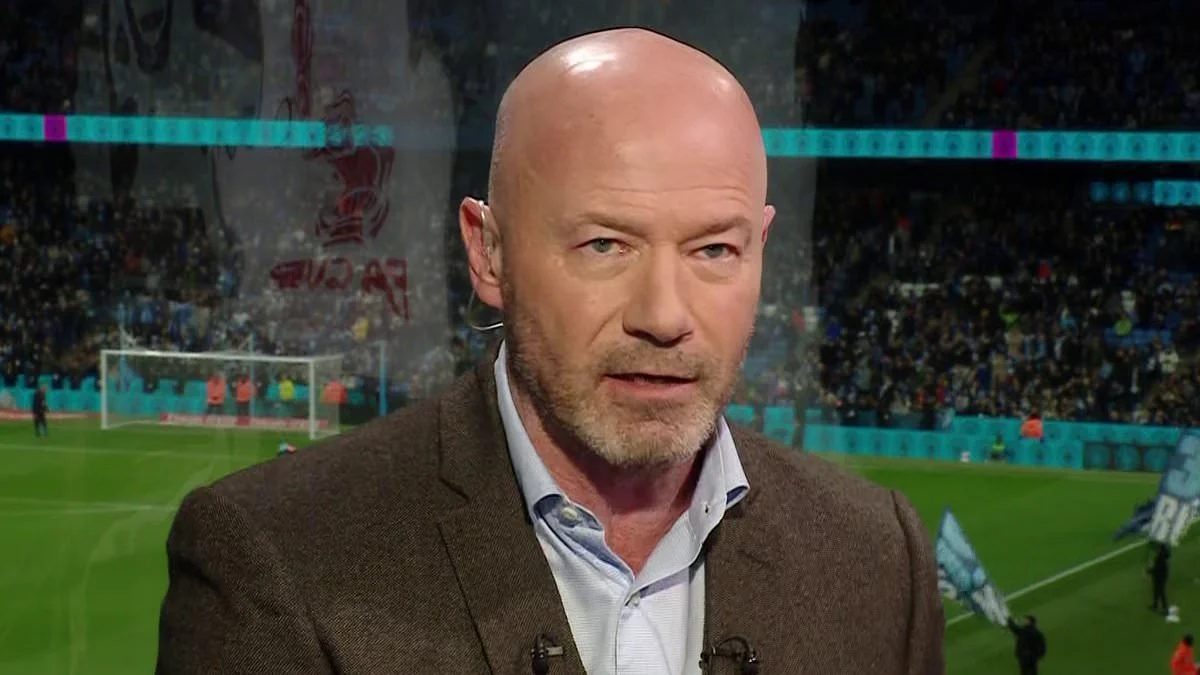
The atmosphere at BBC Sport’s headquarters in Salford has reportedly reached a point of significant internal friction as the 2024/25 football season commences. At the center of the unrest is Alex Kay-Jelski, the Director of Sport, who joined the corporation in June 2024. Reports from within the broadcaster suggest a widening rift between management and both on-screen talent and behind-the-scenes production staff. The grievances range from operational decisions during the recent World Cup to a perceived shift in the editorial direction of flagship programs like Match of the Day. As the BBC attempts to navigate a rapidly changing media landscape, the internal "civil war" threatens to overshadow the coverage of the UK’s most-watched sporting events.
The Salford Disconnect: Operational Grievances and Staff Morale
The roots of the current discontent can be traced back to the BBC’s coverage of the World Cup earlier this summer. While production staff worked long, unsociable hours to broadcast matches from the Americas, a significant lack of provision for basic sustenance became a flashpoint for anger. Historically, the BBC has provided catering or meal allowances for staff working through the night or during irregular shifts, particularly when local amenities in Salford’s MediaCityUK are closed.
According to internal sources, the decision to withhold food for behind-the-scenes staff was a directive from Kay-Jelski. This decision was reportedly exacerbated by the visibility of Kay-Jelski consuming meals delivered by external couriers while staff remained without options at 1:00 AM. Although the corporation maintains that Kay-Jelski paid for his own meals, the optics of the situation have led to him being described by some insiders as "extremely despised."
The morale issues are further compounded by a perceived disparity in compensation. Kay-Jelski, 41, currently earns a salary between £275,000 and £279,999. This figure represents a notable increase from the £245,000 salary advertised for the role when his predecessor, Barbara Slater, retired. For staff facing stagnant wages and the pressures of inflation, the Director’s pay rise has become a symbol of what they perceive as a "top-heavy" and "out-of-touch" management style.
High-Profile Fallouts: The Shearer and Richards Situation
The tension has moved beyond the production office and into the green room, affecting some of the BBC’s most recognizable faces. Alan Shearer, the former England captain and a staple of Match of the Day for two decades, has reportedly seen his relationship with Kay-Jelski deteriorate. The conflict allegedly began in April 2024 over a perceived lack of communication regarding the Sports Journalism Awards.
Sources indicate that Shearer was frustrated that he was neither informed of the show’s nomination nor invited to the ceremony where Match of the Day won "Programme of the Year." The situation escalated when Kay-Jelski reportedly dismissed Shearer’s concerns as "whining," a remark that deeply offended the pundit. Consequently, Shearer has significantly reduced his commitment to the program, moving from a regular weekly appearance to potentially just once a month.
Similarly, Micah Richards, another prominent pundit, has reportedly requested to scale back his appearances to the "bare minimum." While the BBC has officially stated that these changes in scheduling are not related to any personal animosity, the simultaneous withdrawal of two major stars has raised questions about the long-term stability of the Match of the Day roster. While veteran presenters like Gabby Logan and Mark Chapman continue their roles—with Logan reportedly acting as a peacemaker—the departure or reduction of key pundits signals a shift in the program’s traditional chemistry.
Strategic Pivot: Traditional Television vs. Digital "YouTube" Model
One of the most significant points of contention is the editorial direction Kay-Jelski is steering for BBC Sport. With a background in print and digital journalism rather than traditional television production, Kay-Jelski is reportedly pushing for a "YouTube-like" aesthetic and strategy. This involves a greater focus on social media engagement, shorter clips, and "influencer-style" content.
This shift has resulted in the cancellation of long-running programs that were considered staples of the BBC’s sports output. The Women’s Football Show was recently discontinued after 13 years, and Football Focus, a Saturday lunchtime institution for nearly half a century, has also faced cuts. These decisions have been met with fierce resistance from staff who believe the BBC is abandoning its core public service broadcasting (PSB) mandate in favor of chasing younger demographics through digital platforms.
The rumors of a potential collaboration with John Nellis, a prominent sports YouTuber with over 20 million followers, have added fuel to the fire. While the BBC justifies these moves as necessary to reach audiences "wherever and however they choose to consume sport," veteran staff fear that the "distinctiveness" of BBC Sport is being sacrificed for digital metrics.
Operational and Legal Challenges
The transition under Kay-Jelski has also been marked by several operational and legal hurdles. During the World Cup, the BBC opted to host coverage from Salford using virtual backdrops of host cities, a move criticized by viewers and staff alike when compared to ITV’s live on-location studio in New York. The decision was framed as a cost-cutting measure, yet it contributed to a sense of "second-best" coverage among the production team.
Furthermore, a legal dispute with the band Oasis highlighted potential lapses in management oversight. Kay-Jelski reportedly commissioned a celebrity cover of the song "Wonderwall" for use during World Cup coverage without securing the necessary music rights. Despite warnings from legal teams, the content remained live until lawyers for Oasis demanded its removal.
Another point of internal criticism involves Kay-Jelski’s working arrangements. While junior staff are required to live and work full-time in Salford, the Director of Sport reportedly commutes from London, spending only three days a week at the MediaCityUK headquarters. This perceived "double standard" has done little to bridge the gap between management and the rank-and-file employees.
Chronology of Leadership and Unrest
- January 2024: The BBC announces the new presenting lineup for Match of the Day, including Gabby Logan, Mark Chapman, and Kelly Cates.
- April 2024: Internal friction begins over the Sports Journalism Awards; the fallout between Kay-Jelski and Alan Shearer commences.
- June 2024: Alex Kay-Jelski officially takes over as Director of Sport, replacing Barbara Slater.
- June–July 2024: World Cup coverage takes place. Staff report lack of food during night shifts in Salford; criticism mounts over virtual backdrops and the Oasis music rights issue.
- August 2024: Reports emerge of "civil war" at Match of the Day. Alan Shearer and Micah Richards confirm reduced schedules.
- August 17, 2024: Match of the Day returns for the new season amid reports of record-low staff morale.
Official Responses and Data
In response to the allegations of internal mutiny and the fallout with talent, a BBC spokesperson stated, "We do not believe this to be true." The corporation has consistently defended its strategy of balancing traditional broadcast with digital growth.
Data Context:
- Match of the Day Reach: Despite the rise of digital clips, Match of the Day remains a powerhouse, regularly attracting over 3 million viewers per episode on Saturday nights, with millions more on iPlayer.
- BBC Budget Pressures: The BBC is currently under a two-year license fee freeze, necessitating £500 million in annual savings across the corporation. This environment explains the emphasis on cost-cutting in production.
- Executive Salaries: Kay-Jelski’s salary puts him in the top tier of BBC executives, though still below the highest earners like the Director-General Tim Davie, who earns approximately £525,000.
Analysis of Implications
The current situation at BBC Sport highlights a broader challenge facing legacy broadcasters: how to modernize without alienating the talent and staff who built the brand’s reputation. The move toward a "digital-first" strategy is a logical response to changing viewer habits, particularly among Gen Z and Millennials who increasingly consume sport via social media. However, the execution of this strategy appears to have created a cultural vacuum in Salford.
If highly experienced production staff continue to leave—as some sources suggest is imminent—the BBC risks a "brain drain" that could impact the technical quality of its broadcasts. Furthermore, the reliance on high-profile pundits like Shearer is part of what makes Match of the Day a "crown jewel." If the relationship between management and talent remains fractured, the show’s authority as the definitive voice of British football could be diminished.
As the season progresses, the industry will be watching closely to see if Kay-Jelski can mend these internal rifts or if the "internal mutiny" will lead to a more permanent shift in the landscape of UK sports media. For now, the "shiny new studio" in Salford remains a place of significant tension, where the return of the football season is met with as much dread as excitement.
