
 By admin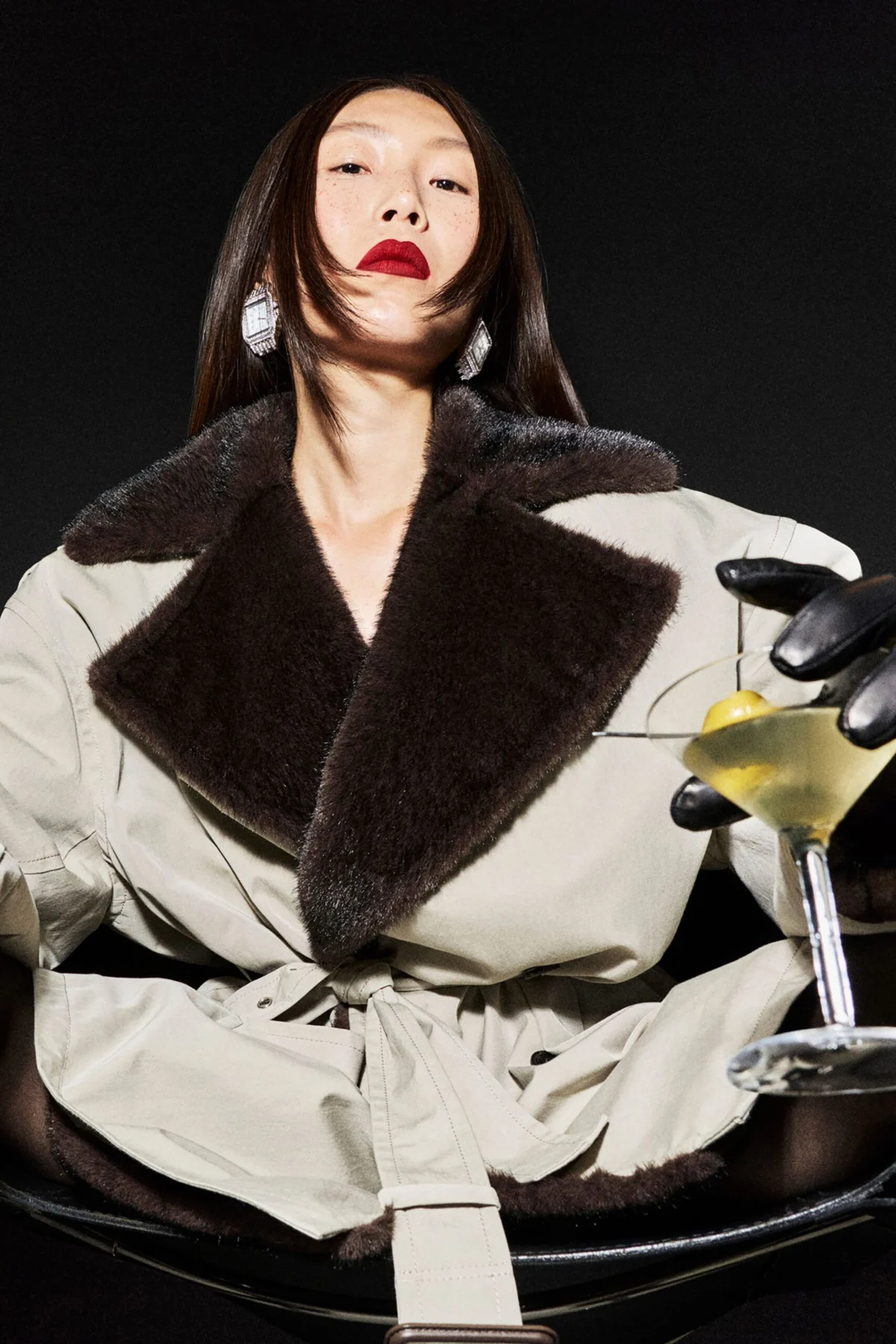
Alexander Wang’s latest fall collection presented a compelling paradox, as the designer’s stated ambition for "extreme opulence" unfolded into a surprisingly streamlined and restrained narrative on the runway. Rendered predominantly in a minimalist palette of slate gray and stark black, the garments offered a sophisticated yet understated take on luxury, punctuated by specific, impactful motifs that redefined what "opulence" means in the contemporary fashion landscape. This collection not only showcased Wang’s enduring design prowess but also served as a strategic nod to his brand’s influential past, expertly weaving together archival references with a forward-looking vision.
The Dialectic of Opulence: Restraint Meets Embellishment
The initial pronouncement of "extreme opulence" might have conjured images of maximalist grandeur or lavish materials in the minds of fashion observers. However, the collection’s execution offered a more nuanced interpretation. Instead of overt extravagance, Wang channeled opulence through meticulous tailoring, unexpected fabric pairings, and the strategic deployment of signature embellishments. The foundation of the collection was built on strong, assertive silhouettes: sleek blazers, meticulously cut, and robustly padded coats, often crafted from imposing black, tough-girl leather. These foundational pieces, inherently powerful and structured, were then given a playful, almost subversive twist. A recurring stylistic gesture involved cinching these substantial garments with unique faux fur belts, crafted from wire and sculpted into undulating waves, frozen in dynamic motion. This particular detail encapsulated the collection’s core tension: a blend of disciplined structure with an almost whimsical, art-object quality, hinting at a luxury that is felt rather than overtly displayed.
The collection’s perceived restraint in color and primary forms allowed the designated "opulent" elements to truly shine. These elements were largely manifested through two dominant motifs: faux fur and rhinestones, which recurred with calculated consistency throughout the presentation. Far from being relegated to mere accessories, these materials were integrated into the very fabric of the garments, transforming classic pieces and introducing new forms.
Faux Fur: A Playful Subversion of Luxury
Faux fur emerged as a central pillar of the collection’s aesthetic, serving as a versatile medium for expressing Wang’s concept of modern luxury. Its presence was diverse and deliberate, moving beyond traditional outerwear applications. It appeared as plush lining for a utilitarian jean jacket, adding an unexpected layer of comfort and tactile richness to a streetwear staple. The fat lapels of a techy khaki nylon trench coat were generously trimmed with faux fur, elevating a functional garment to a statement piece. Denim miniskirts, a nod to Wang’s signature youthful irreverence, also featured faux fur trimmings, blurring the lines between casual and luxurious.
More imaginatively, the fuzzy fabric was employed in pieces that challenged conventional garment structures. A standout was a Meret Oppenheim-esque tank top, directly referencing the surrealist artist’s iconic fur-covered teacup, "Object (Le Déjeuner en fourrure)." This reference was not accidental; it underscored Wang’s intention to imbue everyday items with an unexpected, almost uncanny luxury, playing with textures and perceptions. Another notable example was a fluffy faux fur bra, daringly worn atop a sleek leather dress, which the designer himself cited as a personal favorite. This detail epitomized the collection’s blend of sensuality, playfulness, and a slightly rebellious spirit. The squiggly, wire-sculpted faux fur belts, seen cinching coats, were also ingeniously reimagined as the dynamic hems of cropped high-neck sweaters and logo t-shirts. Wang articulated this design choice, stating, "It’s gestural. Like the attitude of tying your shirt at your waist." This statement highlighted the collection’s emphasis on effortless style and the inherent dynamism of a garment’s movement, transforming a casual gesture into a deliberate design element.
Rhinestones: The Irreverent Sparkle of the 2010s
Complementing the tactile richness of faux fur, rhinestones provided the collection’s primary source of shimmer and sparkle. Their application was generous yet precise, creating an effect that was both glamorous and unmistakably Wang. They were "splashed across" a series of sexy, body-skimming dresses, presented in both daring mini and elegant maxi cuts. Many of these rhinestone-embellished dresses featured a distinctive "yanked-and-tied-at-the-hip" detail, creating a draped, asymmetrical appearance. This particular styling cue was inspired, in part, by a candid image of supermodel Kate Moss leaving a party, her gown hem casually lifted and tied after a tear – an anecdote that perfectly encapsulates the collection’s embrace of effortless, post-party glamour and a touch of rebellious spontaneity.
The allure of faux fur and crystal details extended beyond apparel, seamlessly integrating into the collection’s accessories. Wang’s shoes maintained their characteristic high heels, grounding the looks with a sense of elevated sophistication. Evening purses, designed to be dainty and rectangular, mirrored the garment embellishments with their own fur and crystal accents, ensuring a cohesive aesthetic from head to toe. This consistent application of motifs reinforced the collection’s thematic unity and underscored the deliberate nature of Wang’s "opulent" vision.
Geometric Simplicity: A Counterpoint to Embellishment
Amidst the textured furs and shimmering rhinestones, the collection also introduced a series of garments characterized by their dead-simple construction and breezy wearability, infused with a distinct geometrical bent. These pieces offered a minimalist counterpoint, showcasing Wang’s versatility and his ability to distill fashion into its purest forms. Highlights included a long, cylindrical knit maxi dress – essentially a tube with cleverly placed armholes and a floppy cowl neck, emphasizing fluidity and ease. Another striking piece was a slinky cape, crafted from a single large half-circle of fabric, demonstrating elegance through minimalist draping. A "frisky little dress" featured a draped and folded hemline, achieved through its continuous, donut-like pattern. These designs championed comfort and an unworked aesthetic. "It’s just easy," the designer commented. "To feel minimal and not so worked. And then we add the crystal embellishment." This statement perfectly encapsulated the collection’s strategy: establish a foundation of effortless style, then infuse it with a calculated dose of sparkle and texture.
The Nostalgic Undercurrent: A Return to the 2010s Heyday
Taken as a cohesive whole, the fall collection exuded a palpable sense of carefree attitude and a touch of that signature Alexander Wang irreverent gaudiness. This particular sensibility strongly harked back to his brand’s influential heyday in the 2010s, an era when Wang defined downtown cool and a particular brand of luxury streetwear. The timing of this nostalgic resurgence feels particularly apt, aligning with a broader cultural moment that appears primed for a trip down memory lane to the early 2010s.
Wang himself acknowledged this pervasive feeling of cultural nostalgia. He recounted an "eerie feeling of déjà vu" upon seeing pop artist Charli XCX perform at Outside Lands festival, noting, "I was like, ‘Oh my god, this feels so familiar.’" This personal observation resonates deeply with current trend cycles, where the Y2K aesthetic has seamlessly transitioned into a renewed interest in the 2010s – from Tumblr-era fashion to the rise of indie sleaze. Social media platforms, particularly TikTok, have been instrumental in resurrecting and popularizing these past aesthetics, driving a demand for looks that blend casual coolness with a hint of playful rebellion. Wang, a designer who significantly shaped the aesthetic of that decade, is uniquely positioned to capitalize on and redefine this nostalgic wave.
Strategic Reintroduction: The Rocco Bag’s Return
The collection’s embrace of the 2010s extended beyond stylistic cues to a direct reintroduction of one of Alexander Wang’s most beloved and iconic accessories: the grommeted-bottom Rocco bag. This season, the Rocco bag is making a triumphant return, offered in three distinct sizes and, notably, engineered to be lighter than its original iteration. The Rocco, with its distinctive studded base and slouchy silhouette, became a quintessential "it" bag of the late 2000s and early 2010s, embodying the brand’s blend of edgy luxury and functional design. Its reintroduction is a strategic move, tapping directly into consumer nostalgia and the enduring appeal of recognizable brand heritage. It serves as a tangible link to the brand’s most celebrated period, offering both long-time fans and a new generation of consumers a piece of fashion history recontextualized for today. This decision aligns with a broader industry trend of luxury brands re-issuing popular archival pieces, leveraging their heritage to connect with contemporary audiences who value both authenticity and a sense of shared cultural memory.
Background and Context: Alexander Wang’s Enduring Influence
Alexander Wang rose to prominence in the late 2000s, quickly establishing himself as a key voice in defining a new era of American fashion. His aesthetic, often described as "downtown cool" or "model-off-duty chic," blended elements of streetwear, sportswear, and grunge with luxurious fabrics and impeccable tailoring. Wang’s collections consistently blurred the lines between high fashion and everyday wear, pioneering the "athleisure-luxe" trend that would dominate the 2010s. His shows were often characterized by an energetic, rebellious spirit, and his designs became synonymous with a youthful, confident, and slightly undone glamour.
After a period as Creative Director at Balenciaga from 2012 to 2015, Wang returned his full focus to his eponymous label, navigating shifts in the fashion landscape and evolving consumer demands. His brand’s trajectory has been a testament to his adaptability and enduring vision. This fall collection represents a significant moment, as it consciously re-engages with the very DNA that made his brand a global phenomenon, while subtly updating it for the current moment. The collection’s balance of structure and fluidity, luxury and irreverence, reflects Wang’s continued exploration of modern femininity and power dressing.
Broader Implications and Market Positioning
The collection’s strategic blend of nostalgic elements with contemporary execution has several key implications for the Alexander Wang brand and the wider fashion industry. Firstly, it reaffirms Wang’s position as a designer with a deep understanding of cultural zeitgeist. By recognizing and actively participating in the 2010s revival, he ensures his brand remains relevant and desirable to a new generation of consumers who may be discovering his work for the first time. The calculated reintroduction of the Rocco bag serves not only as a sales driver but also as a powerful marketing tool, leveraging brand equity and history.
Secondly, the collection contributes to an ongoing redefinition of "luxury" in fashion. Wang’s "extreme opulence" is not about overt displays of wealth but about a sophisticated interplay of texture, form, and attitude. The use of high-quality faux fur and the strategic placement of rhinestones suggest that modern luxury can be found in unexpected places and need not adhere to traditional notions of precious materials. This aligns with broader industry conversations around sustainability and ethical sourcing, as faux fur gains increasing acceptance and desirability in high fashion.
Finally, the collection’s focus on "easy," "minimal" garments that are then "embellished" speaks to a post-pandemic consumer desire for comfort and versatility, without sacrificing glamour. It offers a practical yet aspirational wardrobe for those who seek to navigate both casual and formal settings with effortless style. This strategic alignment with current lifestyle trends positions Alexander Wang to not only reclaim his past influence but also to shape future directions in luxury fashion, proving that true opulence lies in a confident, nuanced, and culturally resonant vision.
