
 By Jia Lissa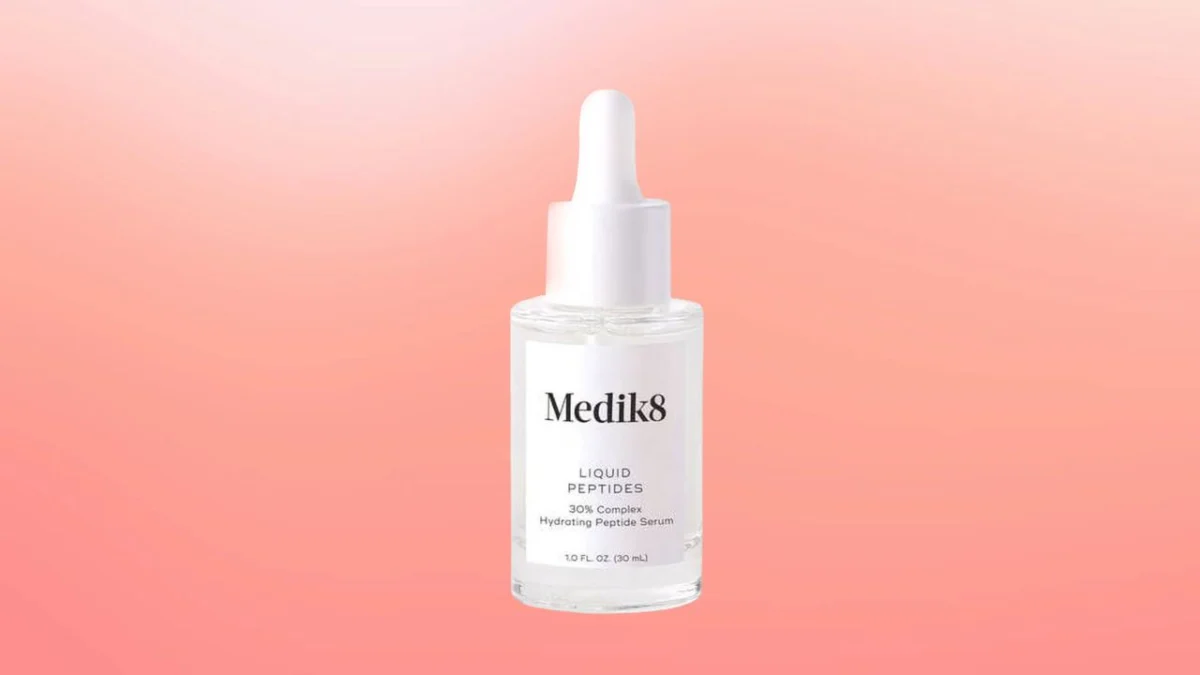
For decades, the scientific and beauty communities have recognized the profound potential of peptides when applied topically to the skin. While their prominence in mainstream discourse has recently surged, publications such as Allure have consistently championed these remarkable molecules, understanding their intricate role in cellular communication and skin rejuvenation long before they became a widespread trend. This comprehensive exploration delves into the science behind peptides, their multifaceted benefits, and their significant impact on the evolving landscape of topical skincare, exemplified by products like the Medik8 Liquid Peptides Serum.
Understanding the Science of Peptides
At their core, peptides are short chains of amino acids, the fundamental building blocks of proteins. In the context of skincare, these amino acid sequences are carefully designed to act as signaling molecules within the skin. They are significantly smaller than larger protein molecules like collagen, allowing them to penetrate the stratum corneum, the outermost layer of the epidermis, more effectively. Once absorbed, they can communicate with skin cells, triggering specific biological responses.
The primary mechanism through which topical peptides exert their beneficial effects is by mimicking the body’s natural processes. For instance, certain peptides are designed to signal fibroblasts, the cells responsible for producing collagen and elastin, to increase their output. Collagen is the structural protein that provides skin with firmness and support, while elastin is responsible for its elasticity and ability to bounce back. As we age, both collagen and elastin production naturally decline, leading to the formation of fine lines, wrinkles, and a loss of skin firmness. By stimulating these processes, peptides can help to counteract these visible signs of aging.
Beyond collagen and elastin synthesis, peptides also play crucial roles in other vital skin functions. Some peptides can inhibit the production of melanin, the pigment responsible for skin color, thus helping to reduce the appearance of dark spots and hyperpigmentation. Others have demonstrated anti-inflammatory properties, which can soothe irritated skin and reduce redness. Furthermore, certain peptide sequences can signal the skin to increase its hydration levels by promoting the production of hyaluronic acid, a powerful humectant that draws and retains moisture.
A Chronology of Peptide Integration in Skincare
The journey of peptides in skincare is not a recent phenomenon. While scientific research into amino acids and their biological functions dates back to the early 20th century, the specific application of synthesized peptides for cosmetic purposes began to gain traction in the late 20th century.
- Early Research and Discovery: The foundational understanding of amino acids and protein synthesis laid the groundwork for peptide research. Scientists began to identify specific amino acid sequences that performed distinct biological functions within the body.
- Mid-to-Late 20th Century: Emergence of Synthetic Peptides: Advances in peptide synthesis technology allowed for the creation of specific peptide chains in laboratories. Early applications were often in pharmaceutical research, exploring their therapeutic potential.
- Late 1990s – Early 2000s: Entry into Cosmetic Formulations: The cosmetic industry began to explore the potential of these synthesized peptides for topical application. Initial formulations were often high in price and limited in availability, primarily targeting a niche market.
- 2010s: Growing Scientific Validation and Market Expansion: As more clinical studies emerged demonstrating the efficacy of various peptides, consumer awareness and demand grew. The development of more sophisticated delivery systems enhanced their penetration and effectiveness, leading to a wider range of products and a more accessible price point.
- Present Day: Mainstream Acceptance and Innovation: Peptides are now a cornerstone ingredient in many advanced skincare formulations. Ongoing research continues to uncover new peptide sequences with novel benefits, driving continuous innovation in the industry. Publications like Allure have played a pivotal role in educating consumers about these ingredients and highlighting their transformative potential.
The Multifaceted Benefits of Topical Peptides
The appeal of peptides in skincare lies in their diverse range of benefits, addressing multiple concerns associated with aging and skin health.
Stimulating Collagen and Elastin Production
This is arguably the most well-known benefit of peptides. By signaling fibroblasts, peptides encourage the skin to produce more collagen and elastin. This leads to:
- Reduction in Fine Lines and Wrinkles: Increased collagen and elastin fill in the gaps and support the skin’s structure, making wrinkles less prominent.
- Improved Skin Firmness and Elasticity: The skin regains its ability to resist gravity and bounce back, resulting in a more lifted and toned appearance.
- Enhanced Skin Texture: Smoother, more supple skin with a refined texture is a common outcome.
Hydration and Moisture Retention
Certain peptides, particularly those that mimic natural moisturizing factors, can significantly improve the skin’s hydration levels.
- Increased Hyaluronic Acid Production: Some peptides signal the skin to produce more hyaluronic acid, a powerful humectant that can hold up to 1000 times its weight in water.
- Strengthened Skin Barrier: Adequate hydration is crucial for a healthy skin barrier, which protects against environmental aggressors and prevents moisture loss.
Targeting Hyperpigmentation and Uneven Skin Tone
- Inhibition of Melanin Production: Specific peptide sequences can interfere with the enzyme tyrosinase, which is essential for melanin synthesis. This can help to fade existing dark spots and prevent the formation of new ones.
- Brightening Effect: By reducing melanin overproduction, peptides contribute to a more even and radiant complexion.
Soothing and Anti-Inflammatory Properties
- Calming Redness and Irritation: Peptides can help to modulate the inflammatory response in the skin, making them beneficial for sensitive or compromised skin.
- Support for Skin Repair: By reducing inflammation, peptides can create an optimal environment for the skin’s natural repair processes.
Muscle Relaxation (Neuromodulatory Peptides)
A fascinating category of peptides, often referred to as "botox in a jar," are designed to mimic the effects of botulinum toxin by inhibiting neurotransmitter release.
- Reduced Muscle Contraction: These peptides can temporarily relax the facial muscles responsible for expression lines, such as crow’s feet and forehead wrinkles, leading to a smoother appearance.
Case Study: Medik8 Liquid Peptides Serum
The Medik8 Liquid Peptides Serum exemplifies the sophisticated application of peptide technology in modern skincare. This formulation highlights the synergy between multiple potent peptide ingredients, combined with other beneficial compounds, to deliver comprehensive anti-aging results.
Key Ingredients and Their Roles:
- Multiple Potent Peptides: The serum boasts a complex blend of peptides, including:
- Hexapeptide-8 (Argireline®): A well-known neuromodulatory peptide that works by inhibiting the release of neurotransmitters responsible for muscle contraction, thereby reducing the appearance of expression lines.
- Copper Palmitoyl Heptapeptide-14 (GHK-Cu): A copper-peptide complex that has been shown to stimulate collagen and elastin production, promote wound healing, and possess antioxidant and anti-inflammatory properties.
- Palmitoyl Tripeptide-38 (Matrixyl® synthe’6™): This peptide is designed to stimulate the synthesis of six major components of the skin’s matrix and dermal-epidermal junction, including collagen I, III, IV, fibronectin, hyaluronic acid, and laminin-5. This contributes to significant wrinkle smoothing and plumping.
- (Additional peptides, though not explicitly named in the provided text, are implied to be present, further enhancing the serum’s efficacy.)
- Hyaluronic Acid: A powerful humectant that attracts and retains moisture, providing immediate plumping and hydration to the skin. Its presence ensures that the skin remains supple and dewy.
- Glycerin: Another effective humectant that draws water from the atmosphere into the skin, helping to maintain optimal hydration levels and support the skin barrier.
Formulation and Application:
The Medik8 Liquid Peptides Serum is formulated for ease of use and optimal skin compatibility. Its lightweight, silky texture is designed to:
- Dry Down Quickly: This ensures that the serum does not feel heavy or greasy on the skin, allowing for comfortable wear throughout the day.
- Layer Well: The serum’s formulation allows it to be seamlessly integrated into any skincare routine. It can be applied before moisturizers and sunscreens without pilling, which is a common issue with less sophisticated formulations.
- Gentle Efficacy: Despite its potent ingredient profile, the serum is formulated to be gentle, making it suitable for a wide range of skin types, including those prone to sensitivity.
The application process described—smoothing a few pumps onto the face and neck, with particular attention to areas requiring extra "peptide TLC" like the forehead—underscores the serum’s user-friendly nature. This targeted application allows individuals to personalize their skincare regimen to address their specific concerns.
Supporting Data and Scientific Rationale
The efficacy of peptides is not merely anecdotal; it is supported by a growing body of scientific research and clinical trials. Studies have consistently demonstrated the ability of specific peptide sequences to:
- Increase Collagen Synthesis: In vitro and in vivo studies have shown that certain peptides can stimulate fibroblasts to produce significantly more collagen type I and III. For instance, research on palmitoyl pentapeptide-4 has indicated a notable increase in collagen production within weeks of consistent application.
- Improve Skin Elasticity and Firmness: Clinical assessments using devices that measure skin elasticity have shown improvements in subjects using peptide-containing formulations compared to placebo groups. This is directly linked to the enhanced collagen and elastin content.
- Reduce Wrinkle Depth and Volume: Instrumental measurements of wrinkle depth and volume have shown statistically significant reductions in participants using peptide-based serums and creams over periods of 8 to 12 weeks.
- Enhance Skin Hydration: Studies measuring transepidermal water loss (TEWL) and skin hydration levels have demonstrated that peptide formulations can improve the skin’s barrier function and increase its water content.
- Modulate Inflammatory Pathways: Research has identified peptides that can inhibit the production of pro-inflammatory cytokines, offering a scientific basis for their use in calming irritated skin.
The inclusion of peptides like Hexapeptide-8, for example, is backed by studies showing its efficacy in reducing the appearance of crow’s feet by up to 20% in four weeks. Similarly, copper peptides like Copper Palmitoyl Heptapeptide-14 have a robust history of research demonstrating their role in tissue regeneration and anti-aging.
Broader Impact and Implications for the Skincare Industry
The enduring popularity and scientific validation of peptides signal a shift towards more targeted and biologically active ingredients in skincare. This trend has several significant implications:
- Increased Consumer Sophistication: Consumers are becoming more informed about skincare ingredients and their mechanisms of action. They are moving beyond superficial marketing claims and seeking products backed by scientific evidence.
- Innovation in Formulation Technology: The demand for effective peptide delivery has spurred innovation in encapsulation technologies, liposomal delivery systems, and other methods to enhance ingredient penetration and stability.
- Personalized Skincare Solutions: The diverse range of peptide functions allows for the development of highly targeted skincare solutions. Consumers can select products that address their specific concerns, whether it’s wrinkles, hyperpigmentation, or loss of firmness.
- Integration with Other Technologies: Peptides are increasingly being combined with other advanced skincare technologies, such as retinoids, growth factors, and antioxidants, to create synergistic formulations with amplified results.
- Ethical and Sustainable Sourcing: As the demand for peptides grows, there is an increasing focus on ethical and sustainable sourcing of amino acids and the development of environmentally friendly synthesis processes.
The Medik8 Liquid Peptides Serum, as a prominent example, underscores the current state of the art in peptide-based skincare. Its inclusion in prestigious beauty boxes like the August Allure Beauty Box further solidifies its position as a noteworthy product, accessible to a wider audience and recognized for its advanced formulation. This accessibility, coupled with demonstrable results, is crucial for educating consumers and normalizing the use of scientifically advanced ingredients.
In conclusion, peptides have transitioned from a niche scientific curiosity to a mainstream powerhouse ingredient in topical skincare. Their ability to communicate with skin cells and trigger beneficial biological responses makes them indispensable tools in the fight against aging and for the maintenance of healthy, vibrant skin. As research continues to uncover new peptide sequences and refine delivery systems, their role in achieving cosmetic goals will only become more profound, offering a scientifically grounded approach to skin rejuvenation.
