
 By admin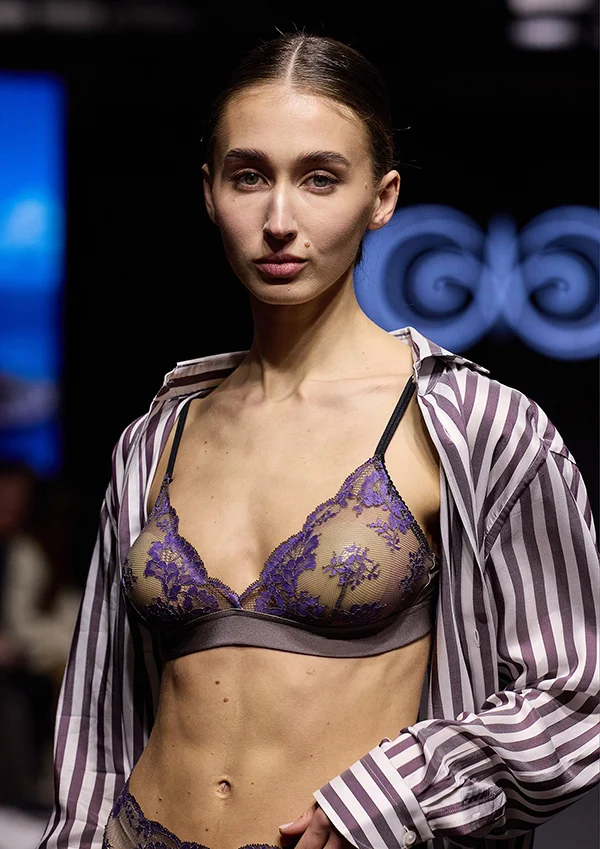
The landscape of Italian luxury fashion is undergoing a significant transformation as contemporary brands pivot toward versatility without sacrificing the heritage of craftsmanship that defines the "Made in Italy" label. At the forefront of this movement is Caramì, a Florentine brand that has spent the last ten years bridging the gap between intimate apparel and daily lifestyle wear. Founded by sisters Carlotta and Camilla Castrucci, the brand has evolved from a niche lingerie label into a comprehensive lifestyle house, offering everything from technical tennis apparel to genderless sleepwear. This evolution reflects a broader shift in the global fashion industry, where consumers increasingly demand garments that transition seamlessly between private and public spheres.
The Foundation of a Florentine Legacy
The story of Caramì began a decade ago in Florence, a city synonymous with the Renaissance and a deep-seated tradition of artisanal excellence. The Castrucci sisters entered the market with a specific mission: to provide women with pieces that balanced aesthetic beauty with genuine, everyday comfort. In the competitive world of Italian textiles, where high-end fashion often prioritizes form over function, Caramì’s approach was intentionally grounded in the lived experience of the modern woman.
From the outset, the division of labor between the two sisters provided a stable foundation for the brand’s growth. Camilla Castrucci took the lead on product development and creative direction, ensuring that every design adhered to the brand’s core aesthetic of understated elegance. Meanwhile, Carlotta Castrucci assumed responsibility for brand strategy and communication, navigating the complex waters of the international fashion market and digital expansion. Together, they established a vision that eschewed fleeting trends in favor of timeless, high-quality garments.
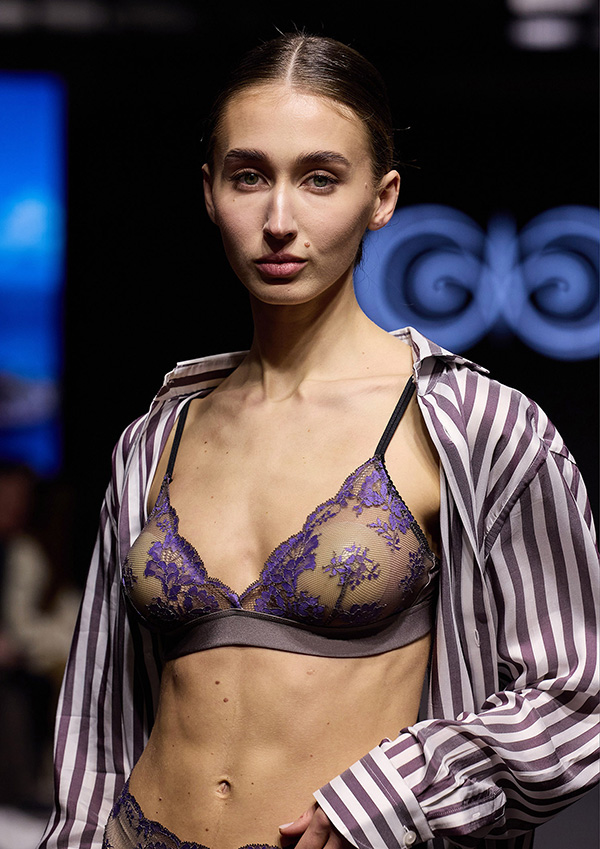
The brand’s initial focus was strictly on lingerie. Their early collections featured soft triangle bralettes and bodysuits, departing from the restrictive underwire designs that dominated the luxury sector at the time. By utilizing premium fabrics such as velvet, lace, sequins, and even shimmering faux leather, Caramì positioned itself as a "fashion-forward" alternative to traditional intimate wear. These pieces were designed not just to be worn under clothing, but to be seen—a precursor to the "underwear as outerwear" trend that would later take the fashion world by storm.
Artisanal Production and the Tuscan Textile Heritage
Central to the identity of Caramì is its commitment to local production. All garments are manufactured in small batches within Tuscany, a region globally recognized for its textile prowess. This proximity to the supply chain allows the Castrucci sisters to maintain rigorous quality control, ensuring that every seam meets the brand’s exacting standards.
One of the technical hallmarks of Caramì’s production is the use of ultra-flat seaming. This technique is essential for garments intended to be worn directly against the skin, as it minimizes irritation and creates a sleek, "second-skin" silhouette. The choice of materials also reflects a commitment to tactile luxury. The brand frequently employs silk-blend velvets, high-grade cotton, and specialized bouclé fabrics, which offer a sensory experience that mass-produced alternatives cannot replicate.
The decision to remain in Tuscany for production is not merely a matter of tradition; it is a strategic choice that aligns with the growing consumer demand for transparency and ethical manufacturing. By producing in small batches, Caramì avoids the pitfalls of overproduction and waste, a significant issue in the global apparel industry. This artisanal approach also allows the brand to experiment with unconventional materials, such as the bouclé designs mentioned in their recent collections, which require specialized handling that large-scale factories are often unable to provide.
Evolution Into a Multi-Category Lifestyle Brand
As the brand matured, the Castrucci sisters observed a shift in their customers’ purchasing habits. The women who were buying their velvet bodysuits and lace bralettes were looking for the same level of comfort and style in other areas of their lives. This insight led to a gradual and calculated expansion of the Caramì product line.
The transition began with loungewear and swimwear, categories that naturally complement lingerie. However, the brand soon ventured into more technical territory, including activewear and a dedicated line of tennis apparel. This move was particularly significant, as it required the integration of performance-oriented fabrics with the brand’s signature elegant aesthetic. The result was a collection of "flashy gym co-ords" and tennis whites that functioned as effectively on the court or in the gym as they did as part of a streetwear ensemble.
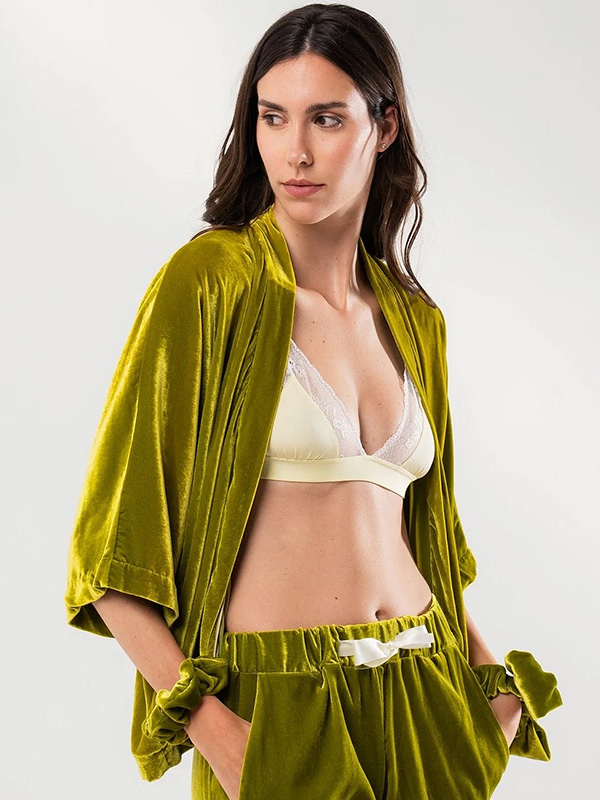
The concept of "cross-category design" became the heart of the Caramì philosophy. This is evidenced by their luxe, silk-blend velvet nightwear, which is tailored with enough structure to be worn to a formal dinner. Similarly, their sparkling one-piece swimsuits are designed to double as evening bodysuits when paired with trousers or skirts. This versatility addresses a growing market segment: the traveler and the professional woman who require a streamlined wardrobe that can adapt to various social and physical environments.
The Shared Edit: A Move Toward Gender-Neutral Fashion
In a significant expansion of their brand philosophy, Caramì recently introduced "The Shared Edit," a line of sleepwear designed to be genderless. This move reflects a broader cultural shift toward inclusivity and the blurring of traditional gender lines in fashion. The collection, which includes button-through pajama shirts and coordinated trousers, is crafted from classic Italian fabrics like linen, cotton, and silk.

Camilla Castrucci notes that the inspiration for this line came from the universal experience of borrowing clothing from loved ones. By reinterpreting this sentiment through refined tailoring and premium fabrics, the brand has created a collection that appeals to a lifestyle rather than a specific gender. The pieces feature classic striped prints and the embroidered Caramì logo, maintaining a smart, tailored appearance that is suitable for both domestic relaxation and public outings.
The success of The Shared Edit underscores a vital trend in the luxury market: the "universalization" of comfort. As the boundaries between work, home, and social life continue to dissolve, the demand for high-quality, versatile garments that do not adhere to rigid gender norms is expected to grow. For Caramì, this collection represents the logical conclusion of their original vision—that elegance and quality are universal values.
Market Positioning and Economic Data
Caramì’s pricing strategy reflects its position in the "accessible luxury" to "high-luxury" segment. Lingerie separates begin at approximately 40€ ($45), making the brand accessible to a younger demographic looking for an entry point into Italian-made fashion. At the higher end of the spectrum, pajama sets made from viscose and silk-blend velvet can retail for up to 650€ ($750).
This tiered pricing allows the brand to capture a wide range of consumers while maintaining its status as a premium label. The use of a broad size range—from XS to XL—without restrictive cup sizing further enhances its appeal, focusing on the fit and drape of the fabric rather than traditional corset-style measurements.

The brand’s economic resilience over the last decade can be attributed to its "Made in Italy" pedigree. According to data from the Italian National Institute of Statistics (ISTAT), the Italian textile and fashion industry remains one of the country’s most vital economic sectors, with exports continuing to show strength in the luxury segment despite global economic fluctuations. Caramì’s focus on small-batch production and high-quality materials places it within a niche that is less susceptible to the volatility of the fast-fashion market.
Analysis of Implications for the Fashion Industry
The trajectory of Caramì offers several insights into the future of the fashion industry. First, it highlights the enduring value of the "Made in Italy" brand when it is combined with modern, versatile design. Consumers are no longer satisfied with labels alone; they require garments that serve multiple purposes and offer tangible quality.
Second, Caramì’s success with "The Shared Edit" suggests that the future of loungewear and intimate apparel may lie in gender-neutrality. As consumers move away from hyper-feminized or hyper-masculized domestic wear, brands that offer sophisticated, neutral alternatives are likely to see continued growth.
Finally, the brand’s ten-year history proves that a slow-growth, artisanal model is sustainable in the digital age. By focusing on a clear vision and responding to the genuine needs of their customer base, the Castrucci sisters have built a brand that transcends the traditional boundaries of the fashion calendar. As the industry moves toward a more sustainable and versatile future, the lessons learned from Caramì’s first decade will likely serve as a blueprint for other emerging designers looking to balance heritage with innovation.

For those looking to explore the collection, Caramì maintains a strong digital presence through its website and social media platforms, continuing to engage with a global audience from its home in Florence. As they enter their second decade, the brand remains a testament to the idea that true elegance is found in the intersection of comfort, quality, and adaptability.
