
 By Eva Lovia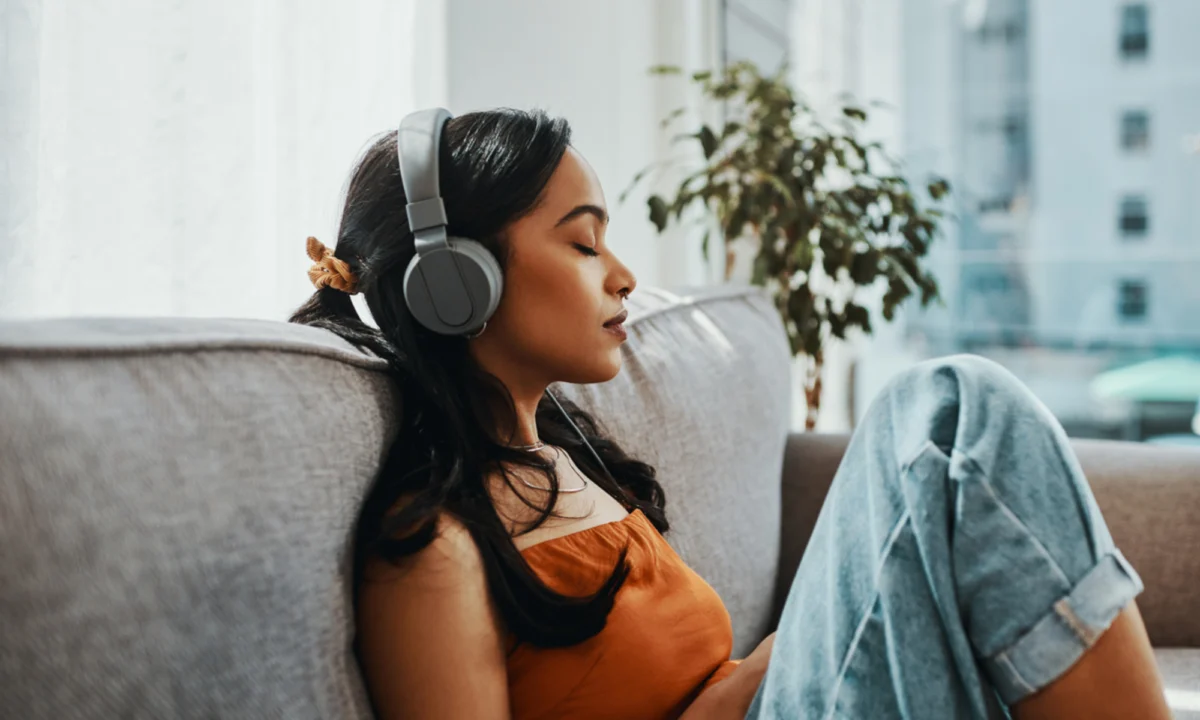
Reaching for a calming playlist when anxiety spikes isn’t just an intuitive coping mechanism; scientific evidence now strongly supports its efficacy. However, recent research indicates that the duration of music exposure may be a more critical factor in achieving significant anxiety relief than the specific genre or composition of the music itself. This burgeoning understanding is further amplified by advancements in sound technology, specifically auditory beat stimulation (ABS), which, when integrated with music, has demonstrated a profound capacity to measurably reduce anxiety symptoms.
The Evolving Landscape of Music Therapy and Anxiety Reduction
For decades, music has been recognized for its therapeutic potential, influencing mood, reducing stress, and promoting relaxation. From classical compositions designed to evoke serenity to upbeat tunes that energize, the power of music to affect our emotional state is widely acknowledged. However, the precise mechanisms and optimal parameters for leveraging music as a therapeutic tool have remained subjects of ongoing investigation. Early studies often focused on the subjective experience of listening, noting general feelings of calm or reduced tension. More recent scientific endeavors, however, are delving into the neurological and physiological impacts of music, seeking to quantify its benefits and identify specific techniques that maximize its effectiveness.
The integration of technology like auditory beat stimulation represents a significant leap forward in this field. ABS is not merely about selecting a soothing melody; it’s a sophisticated approach that uses sound frequencies to directly influence brainwave activity. This nuanced application of audio technology, when combined with music, is yielding compelling results in the management of anxiety, a condition affecting millions globally.
Key Findings from Recent Research on Music and Anxiety
A pivotal 2025 study published in the esteemed journal PLOS Mental Health aimed to rigorously investigate the dose-response relationship between music listening duration and anxiety relief. This research, conducted with a specific focus on individuals already managing anxiety symptoms, provides crucial data for understanding how to best utilize music for therapeutic purposes.
The study recruited 144 participants diagnosed with moderate trait anxiety, all of whom were currently undergoing prescribed medication for their condition. This participant profile is significant as it represents individuals who are actively seeking and benefiting from existing anxiety management strategies, allowing researchers to assess the additive benefits of music interventions. Participants were then meticulously divided into four distinct groups. One group served as a control, listening to 24 minutes of pink noise, a sound frequency often used in scientific studies as a neutral auditory baseline. The remaining three groups were exposed to music embedded with auditory beat stimulation (ABS) for varying durations: 12 minutes, 24 minutes, and 36 minutes.
The results of this meticulously designed experiment yielded striking insights. Across all three music conditions incorporating ABS, participants reported significantly greater reductions in anxiety symptoms compared to the pink noise control group. This finding alone underscores the potent effect of ABS-enhanced music. However, the study revealed a nuanced optimal duration. The 24-minute music session emerged as the most effective, producing the strongest overall reduction in anxiety. Intriguingly, the efficacy of the 24-minute session was on par with the 36-minute session, while demonstrably outperforming the shorter 12-minute exposure. This suggests a potential plateau effect or a specific window of time where the brain is most receptive to the therapeutic benefits of ABS-enhanced music.
Building on Previous Discoveries: The 2022 PLOS ONE Study
The findings of the 2025 PLOS Mental Health study are not isolated; they build upon and corroborate earlier research. A significant 2022 study published in PLOS ONE provided foundational evidence for the efficacy of ABS in conjunction with music for anxiety relief. This earlier research involved 163 participants, also taking anxiety medication, and focused on individuals with moderate trait anxiety.
The 2022 study demonstrated that the combination of music and ABS was particularly effective in alleviating both somatic anxiety – the physical manifestations of anxiety such as a racing heart, shortness of breath, or muscle tension – and cognitive anxiety, characterized by persistent worry, intrusive thoughts, and rumination. This dual impact is critical, as anxiety often presents with a complex interplay of physical and mental symptoms. The 2022 research indicated that ABS could help to synchronize brainwave activity, guiding the brain towards states associated with calmness and reduced cognitive load.
Together, these two studies paint a compelling picture: while music alone offers benefits, its therapeutic potential is significantly amplified when enhanced with auditory beat stimulation. Furthermore, the duration of listening appears to be a key variable, with approximately 24 minutes emerging as a particularly effective timeframe for achieving meaningful relief.
Understanding Auditory Beat Stimulation (ABS)
To fully appreciate the implications of this research, it is essential to understand what auditory beat stimulation entails. ABS is a sophisticated auditory technology that goes beyond conventional music listening. It involves the strategic layering of specific sound frequencies into audio tracks. The underlying principle is to guide the listener’s brainwaves towards a particular state, such as deep relaxation or focused calm, through a phenomenon known as brainwave entrainment.
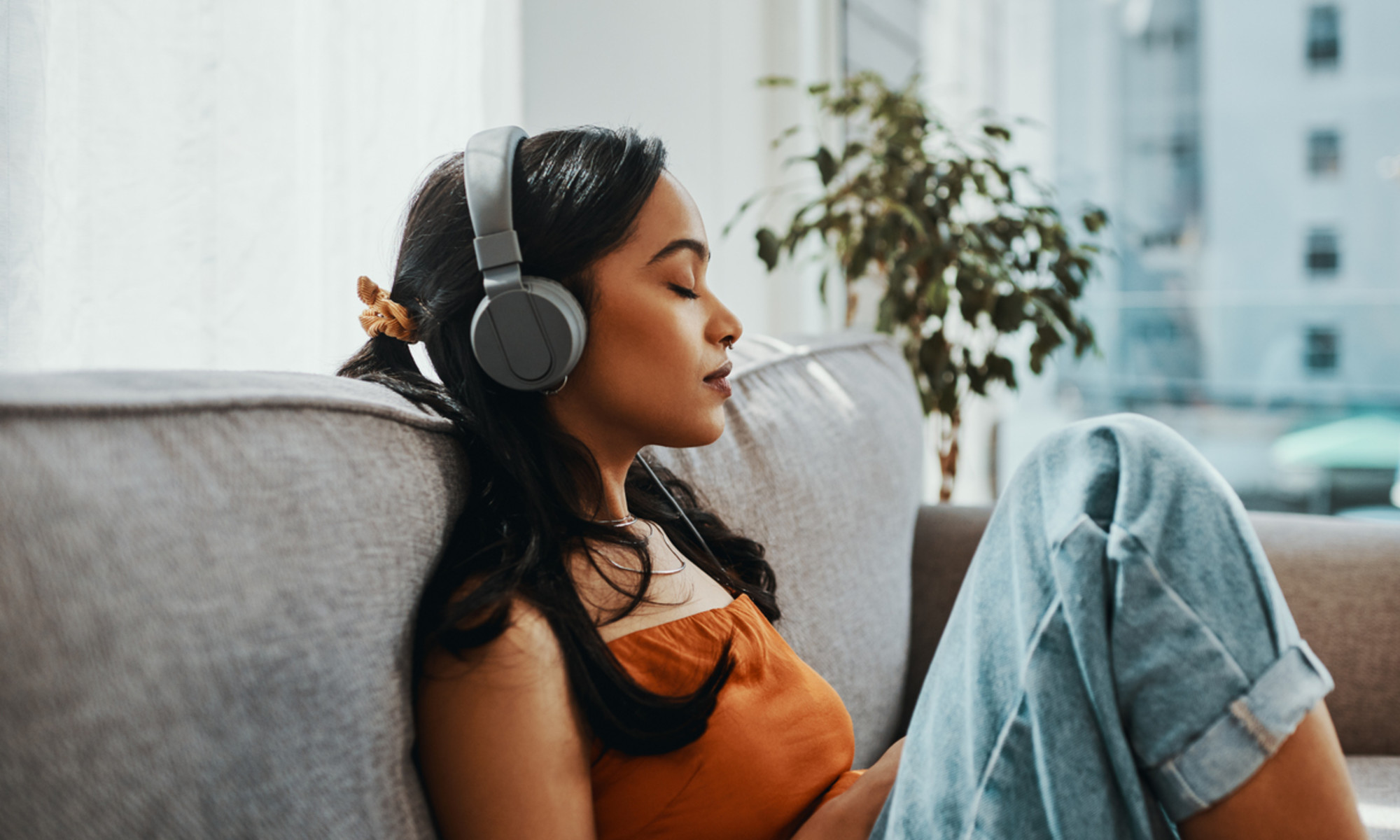
This process is distinct from simply listening to slow or soothing music. While gentle music can induce relaxation subjectively, ABS actively engages with the brain’s electrical activity. The mechanism involves presenting two slightly different sound frequencies to each ear. The human brain, in its attempt to process these disparate inputs, perceives a third, phantom "beat" at the frequency that is the difference between the two original tones. This perceived beat can then encourage the listener’s own brainwaves to synchronize with that frequency.
The 2022 PLOS ONE study utilized theta-range frequencies (typically 4-7 Hz), which are known to be associated with states of deep relaxation, drowsiness, and creative insight. Conversely, the 2025 PLOS Mental Health study employed alpha-range frequencies (around 10 Hz), which are linked to a state of calm, alert focus and reduced mental chatter. The fact that both studies, using different frequency ranges within the ABS framework, demonstrated significant benefits for anxiety suggests that the technique itself is robust and adaptable to various desired brain states for therapeutic outcomes. This adaptability is a crucial aspect, indicating that ABS can be tailored to address different facets of anxiety.
The Significance of the 24-Minute Sweet Spot
The consistent emergence of the 24-minute duration as an optimal listening period warrants further exploration. Several hypotheses can explain this phenomenon, drawing parallels with other mind-body practices.
Firstly, the initial minutes of any focused relaxation practice, including meditation or listening to therapeutic audio, often involve a period of settling in. This is the time when the mind grapples with distractions and the body adjusts to a new sensory input. The real therapeutic benefits, such as a discernible reduction in anxiety, tend to manifest once this initial resistance is overcome and the brain begins to synchronize with the intended state. The 24-minute duration likely provides sufficient time for this transition to occur, allowing the brainwave entrainment process to take hold and produce tangible effects.
Secondly, this timeframe appears to strike an ideal balance between achieving sustained brainwave entrainment and maintaining practicality for the listener. While the 36-minute session in the 2025 study showed comparable benefits to the 24-minute session, the researchers highlighted the latter as offering a more accessible and less demanding time commitment. In today’s fast-paced world, interventions that are both effective and easily integrated into daily routines are more likely to be adopted and consistently practiced.
It is also important to reiterate that both studies included participants who were already on anxiety medication. This crucial detail suggests that music with ABS should be viewed as a complementary tool rather than a standalone replacement for professional medical treatment. For individuals managing anxiety through medication, therapy, or other established strategies, incorporating ABS-enhanced music listening can serve as an additive layer of support, potentially enhancing overall well-being and symptom management. This collaborative approach, where technological interventions work in synergy with conventional treatments, represents a promising future for mental health care.
Practical Application: Integrating ABS-Enhanced Music into Daily Life
For individuals seeking to harness the benefits of this research, several practical steps can be taken:
- Seek Out ABS-Infused Content: Numerous platforms and apps now offer music specifically designed with auditory beat stimulation. Look for content that explicitly mentions ABS or binaural beats, specifying the frequency ranges used if available (e.g., alpha or theta waves).
- Allocate Dedicated Listening Time: As the research indicates, duration is key. Aim for a consistent 24-minute listening session, ideally during a time when you can minimize distractions. This could be during a commute, a quiet break in the workday, or before bedtime.
- Create a Relaxing Environment: While the technology itself is potent, enhancing the listening experience can amplify its effects. Find a comfortable space, dim the lights, and ensure you are not rushed or interrupted.
- Use Quality Headphones: For auditory beat stimulation to be most effective, using good quality stereo headphones is essential. This ensures that the distinct frequencies are delivered accurately to each ear, allowing the brain to perceive the binaural beat.
- Mindful Listening: While the technology works on a subconscious level, engaging in mindful listening can deepen the experience. Pay attention to the sounds, your breath, and any sensations in your body without judgment.
- Consistency is Key: Like any therapeutic practice, regular engagement is likely to yield the most significant and lasting results. Consider incorporating this 24-minute listening period into your daily routine, perhaps as a consistent part of your morning or evening ritual.
Broader Implications and Future Directions
The findings from these studies have significant implications for the broader field of mental health and well-being. The growing body of evidence supporting the efficacy of ABS-enhanced music suggests a potential for non-pharmacological, accessible, and low-risk interventions for anxiety management. This is particularly relevant in contexts where access to traditional mental health services may be limited or for individuals seeking complementary approaches.
The research also opens avenues for further investigation. Future studies could explore the long-term effects of consistent ABS-enhanced music listening, investigate its efficacy across different age groups and diverse anxiety disorders, and examine the optimal frequency ranges for specific conditions. Furthermore, understanding the synergistic effects of ABS with other therapeutic modalities, such as mindfulness-based stress reduction or cognitive behavioral therapy, could lead to more comprehensive and personalized treatment plans.
The development and validation of such evidence-based tools empower individuals to take a more active role in managing their mental health. As technology continues to advance, the integration of scientific research with accessible tools promises to revolutionize how we approach well-being, making effective anxiety management more attainable for a wider population.
Conclusion
In conclusion, the science behind music and anxiety reduction is rapidly evolving, with recent research highlighting the critical role of listening duration and the innovative application of auditory beat stimulation. The evidence from the 2025 PLOS Mental Health study and its predecessor in PLOS ONE strongly suggests that approximately 24 minutes of ABS-enhanced music can provide significant and measurable relief from anxiety symptoms. This approach offers a promising, evidence-based tool that can be integrated into existing anxiety management strategies, empowering individuals to cultivate greater calm and resilience in their daily lives. While not a substitute for professional medical advice or treatment, it represents a valuable and accessible addition to the modern mental health toolkit.
