
 By admin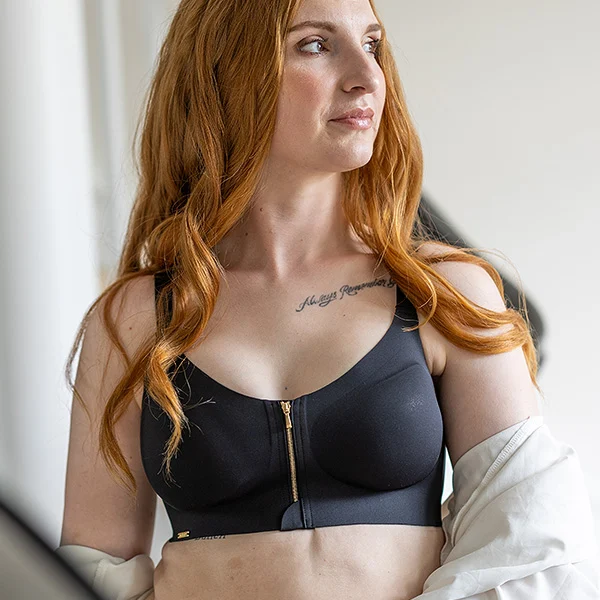
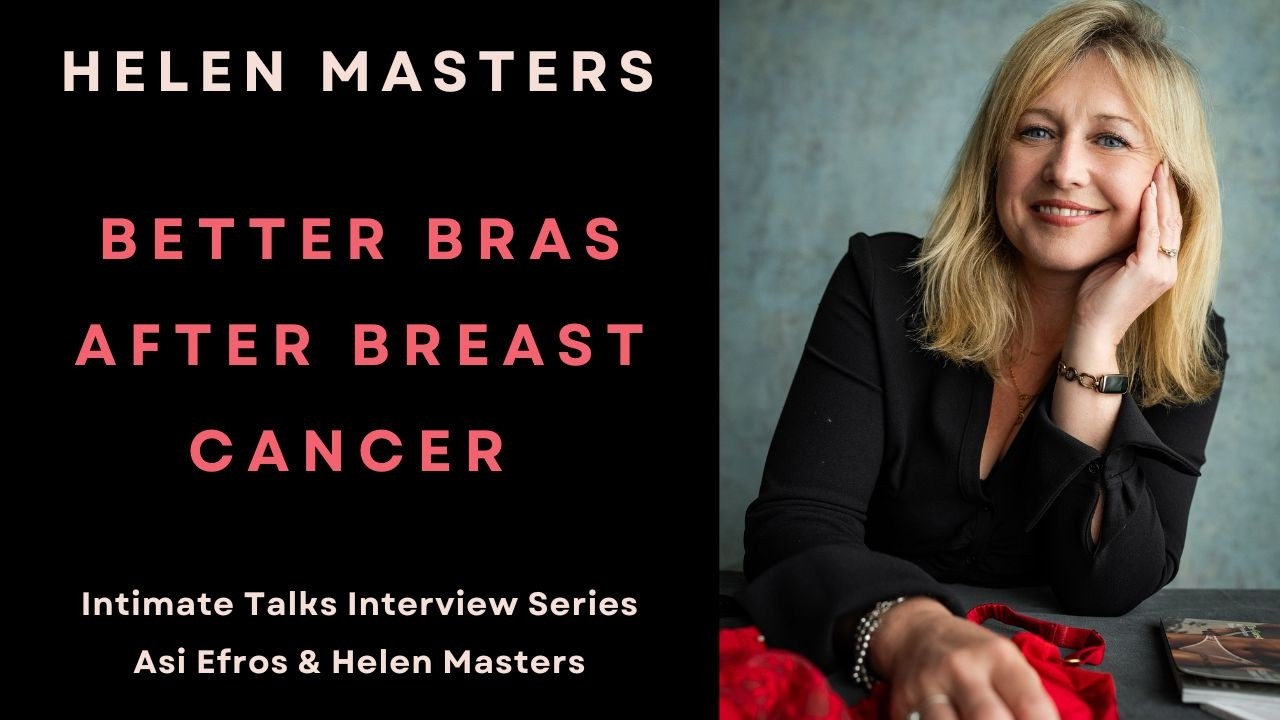
The global intimate apparel industry, currently valued at over $80 billion, has undergone a significant transformation over the last decade, expanding its reach to include fuller busts, petite frames, and gender-nonconforming silhouettes. However, a critical segment of the population—women recovering from breast cancer and mastectomy surgeries—has historically been overlooked by mainstream retail. Helen Masters, an international intimate apparel expert and founder of the consultancy Pudding Lingerie, is leading a concerted effort to rectify this disparity through her initiative, Better Bras After Breast Cancer. Launched in October 2024, the campaign seeks to integrate medical necessity with the aesthetic and emotional needs of survivors, challenging the industry to view post-surgical lingerie not as a niche medical requirement, but as a fundamental component of inclusive fashion.
The Evolution of Pudding Lingerie and the Vision of Helen Masters
Helen Masters’ career in the lingerie sector spans two decades, a period during which she has navigated nearly every facet of the industry. Her journey began 20 years ago with the establishment of Pudding Lingerie as a retail business in the United Kingdom. The brand quickly gained a reputation for its focus on the "wow" feeling—the psychological and physical boost a woman experiences when wearing a perfectly fitted garment. Twelve years ago, following a shift in her personal life, Masters pivoted the business model from traditional retail to a global consultancy.
Today, Pudding Lingerie serves a diverse clientele, ranging from independent boutiques to household-name brands. The consultancy provides strategic guidance on fit, product development, and customer experience. Throughout these transitions, Masters maintained a core belief: the most successful businesses in the intimate apparel space are those built around the specific, often unvoiced, needs of their customers. This philosophy eventually led her to identify the "forgotten" demographic of the lingerie world: the millions of women worldwide who have undergone breast cancer treatment.
Identifying the Gap: The Physical and Emotional Reality of Recovery
According to the World Health Organization, breast cancer is the most common cancer among women globally, with millions of new cases diagnosed annually. While medical advancements have significantly improved survival rates, the long-term physical and psychological aftermath of surgery remains a challenge. Survivors often deal with extensive scarring, lingering nerve pain, limited upper-body mobility, and lymphedema.
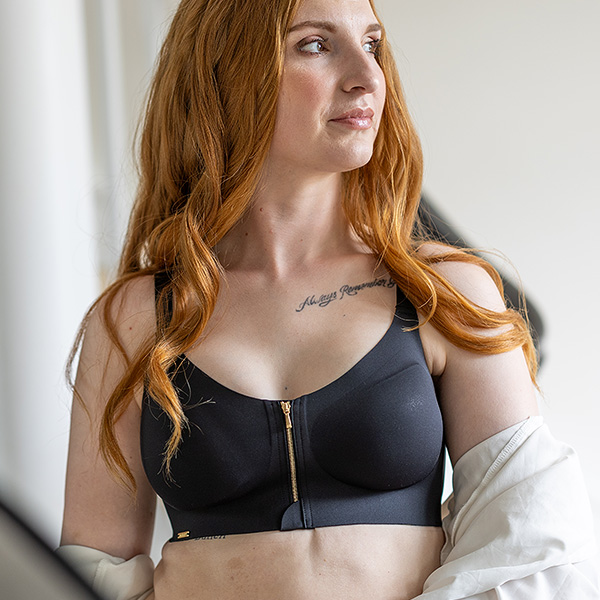
Despite these realities, the retail landscape for post-surgical lingerie has remained largely bifurcated. On one hand, mainstream retailers frequently lack the specialized stock or trained staff to assist survivors. On the other hand, medical supply stores provide functional prosthetics and bras but often in environments that feel sterile, clinical, and devoid of the "beauty" element central to the lingerie experience. Masters observed that at the exact moment a woman needs to reclaim her sense of self and beauty, the industry often offers her the least inspiring options.
The Launch of Better Bras After Breast Cancer
In October 2024, Masters launched the "Better Bras After Breast Cancer" campaign to provide a structured solution to this systemic issue. The initiative is built on three primary pillars: education, infrastructure, and community advocacy. Rather than simply calling for more products, Masters recognized that the industry lacked the specialized knowledge required to serve post-surgical clients effectively.
To address this, she established the Better Bras Training Academy. Developed in collaboration with Cancer Research UK (CRUK), the academy provides professional training for bra fitters. The curriculum covers the technical aspects of fitting for various surgeries—including lumpectomies, mastectomies, and reconstructions—as well as the sensitive communication skills needed to support women during a vulnerable time. Trainees who complete the program receive formal certification and an endorsement from CRUK, signaling to customers that the establishment is a safe and expert space.
Strategic Partnerships and Industry Support
The success of the initiative is underscored by the rapid adoption of its principles by major industry players. Within less than two years of its conceptual phase, the campaign has secured the support of several prominent brands and retailers. Leading independents and specialized fitters, such as the renowned UK-based retailer Bravissimo, have engaged with the training programs.
Furthermore, a coalition of brands has lent their expertise and inventory to the cause. These include:
- Anita and Amoena: Long-standing leaders in the prosthetic and post-surgical market.
- Royce and Panache: Established brands known for technical excellence in non-wired and fuller-bust support.
- Megami and AnaOno: Innovation-driven labels specifically designed by and for survivors.
- Curvy Kate and Evenly: Brands focusing on body positivity and breast asymmetry solutions.
- Unobra: A specialist brand known for its innovation-driven approach to single-breast or asymmetrical needs.
A key component of the campaign’s financial model is its commitment to philanthropy. Ten percent of every pound generated from the training course profits is donated directly to Cancer Research UK, ensuring that the initiative supports both the present needs of survivors and the future of cancer research.
Quantifiable Impact and Community Growth
The "Better Bras After Breast Cancer" initiative has already demonstrated significant social and commercial impact. To date, more than 400 women have received direct assistance through the program’s network of trained fitters. The campaign has also fostered a growing digital community, with over 700 followers across platforms like Instagram, Facebook, and LinkedIn.
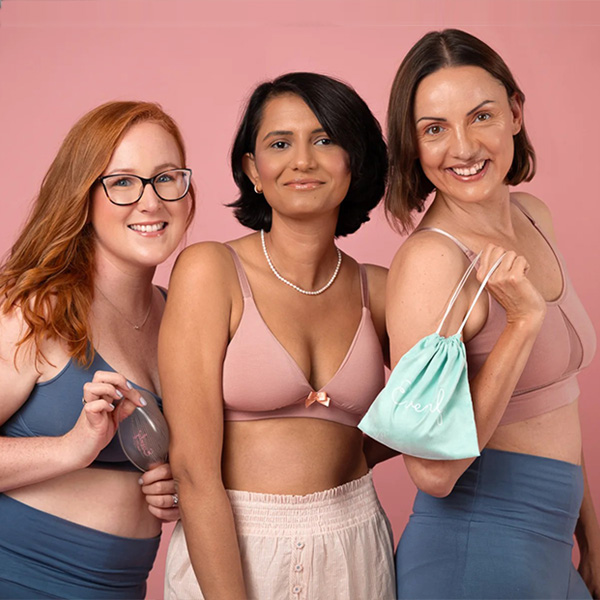
This community serves as more than a marketing audience; it is a vital resource for peer-to-peer support. The platform provides free advice, a "Better Bras Guide," and honest product reviews from real women who have undergone surgery. This transparency helps demystify the shopping process for new survivors, who often feel overwhelmed by the technical requirements of their post-op wardrobe. Testimonials from participants often describe the experience of finding a correctly fitted, beautiful bra as a "lifesaver," highlighting the profound impact that intimate apparel can have on mental health and recovery.
The Business Case for Post-Surgical Inclusivity
From a journalistic and economic perspective, the work of Helen Masters highlights a significant market opportunity. The "niche" label often applied to post-surgical lingerie is increasingly seen as a misnomer. Given the high incidence of breast cancer, the market for post-surgical apparel is substantial and characterized by high brand loyalty. When a retailer or brand provides a solution during a major life crisis, they often secure a customer for life.
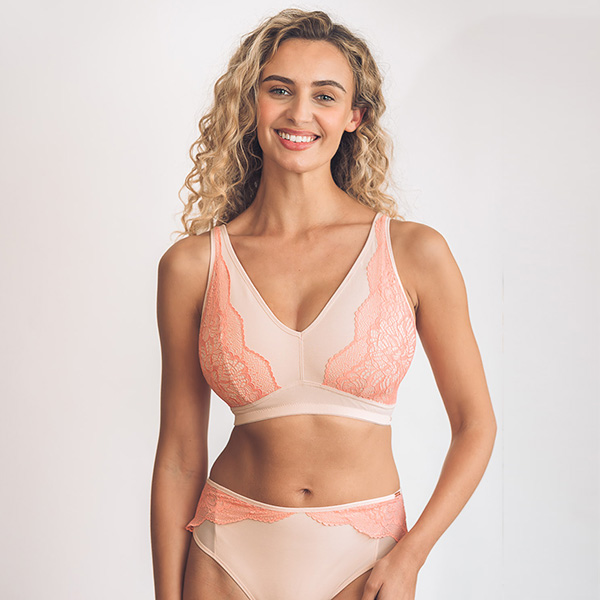
Masters’ message to the industry is one of pragmatism. She argues that catering to this demographic does not require a total product overhaul. Small, thoughtful adjustments can make a world of difference. Examples include:
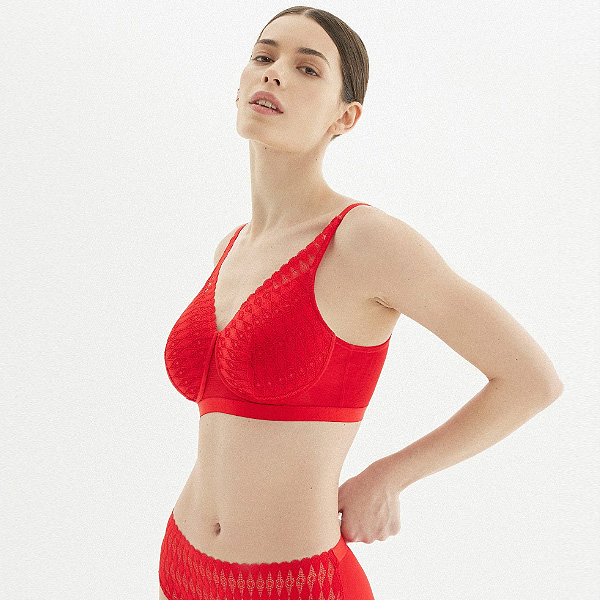
- Product Modification: Adding integrated pockets for prosthetics to existing popular styles.
- Inventory Diversification: Ensuring that at least one or two high-quality, affordable post-surgery options are available in-store rather than just online.
- Staff Training: Investing in at least one certified fitter per location to ensure that survivors are not turned away or handled with uncertainty.
As Masters puts it, the transformation of the industry can happen "one bra at a time." This incremental approach lowers the barrier to entry for retailers who may be intimidated by the perceived complexity of medical-grade fitting.
Navigating Challenges: Funding and Scaling
Despite the initiative’s success, challenges remain. Masters is candid about the difficulties of balancing a full-time consultancy practice, a global advocacy campaign, and the responsibilities of single motherhood. Funding is currently the primary constraint on the campaign’s growth. Expanding the reach of the Training Academy, particularly into digital formats for international markets, requires significant capital investment.
However, the vision for Better Bras After Breast Cancer is global. Masters has already established a partnership in Australia and is actively seeking collaborators in the United States, Canada, and Italy. There is also emerging demand in markets like India, Africa, and the Middle East. Notably, the UAE already hosts Nanaya Lingerie, a store qualified through the Better Bras program, proving that the model is adaptable across different cultures and retail environments.
Conclusion and Future Outlook
The work of Helen Masters and Pudding Lingerie represents a pivotal shift in how the intimate apparel industry views its responsibility to consumers. By moving beyond the sterile boundaries of medical necessity and into the realm of fashion and self-expression, the "Better Bras After Breast Cancer" campaign is helping to restore dignity and confidence to survivors worldwide.
As the initiative continues to expand, the goal remains clear: to ensure that no woman, regardless of her surgical history, is left standing outside the progress of the lingerie industry. For brands and retailers, the initiative offers a "win-win" scenario—an opportunity to do social good while tapping into an underserved and loyal market segment. For the women at the heart of the campaign, it offers something even more valuable: the chance to feel like themselves again.
Helen Masters continues to invite brands, retailers, and charities to join the movement. Through collaborative effort and specialized education, the industry can ensure that the "wow" feeling of a perfect fit is a reality for every woman, without exception.
