
 By admin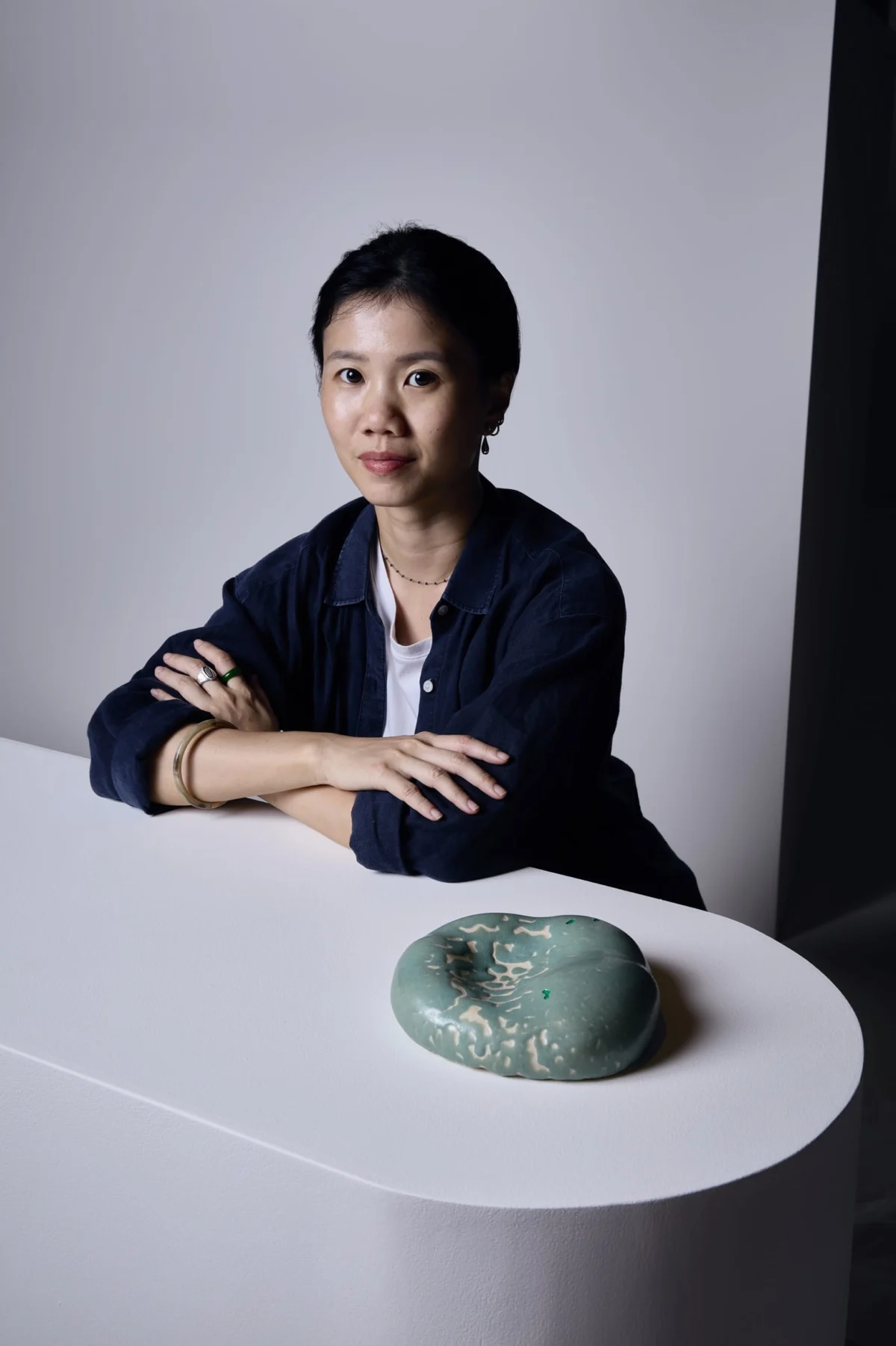
As Singapore approaches its 61st National Day, the city-state is witnessing a profound transformation in its creative landscape. Traditionally celebrated for its engineering prowess, urban efficiency, and architectural marvels, the nation’s design reputation is expanding into the realms of experimental materials, collectible furniture, and high-concept lighting. A new generation of practitioners is emerging from research laboratories and independent studios, signaling a shift from purely functional industrial design to a culture of creative authorship and social inquiry. This evolution, recently showcased on global platforms like Milan Design Week and Singapore Design Week, suggests that Singapore’s design identity is no longer just about solving problems efficiently—it is about generating original, world-class ideas.

The Evolution of the Singapore Design Identity
For decades, the global perception of Singaporean design was inextricably linked to its rapid modernization. Success was measured by the functionality of its public housing, the efficiency of its transport systems, and the precision of its manufacturing sector. While these achievements provided a stable foundation, they often left little room for the "designer as author." Local practitioners were frequently compared to established giants in Europe or Japan, searching for a "Singapore style" that remained elusive.
Today, that search has pivoted. Rather than seeking a singular aesthetic, the contemporary design community is building a culture rooted in material research, sustainability, and craftsmanship. This shift is supported by institutional frameworks such as the DesignSingapore Council, which has spearheaded initiatives to position Singapore as a "UNESCO Creative City of Design" since 2015. The council’s strategic "Design 2025" masterplan has been instrumental in moving the industry toward a more innovation-led and human-centric future, fostering a landscape where design is seen as a key driver of the nation’s intangible cultural capital.

A Chronology of Global Recognition: From 2024 to 2026
The international trajectory of this movement is best traced through Singapore’s presence at the Salone del Mobile and Milan Design Week. In 2024, the "Future Impact 2" exhibition highlighted the intersection of technology and sustainability, showcasing how Singaporean designers use innovation to address global environmental challenges.
By 2026, the presentation of "Prototype Island" at Milan Design Week marked a new chapter. Framed as a living laboratory, this exhibition moved away from traditional symbols of national identity—such as nostalgia or specific cultural motifs—and instead positioned the act of experimentation as the ultimate expression of Singapore’s maturity. The exhibition demonstrated that Singaporean designers are now active contributors to international conversations regarding the future of living, resource scarcity, and the emotional resonance of objects.

Material Innovation as a Pillar of Sustainability
One of the most significant trends within this new wave is the reimagining of waste. Emeline Ong, who debuted at Milan Design Week 2024, has become a leading voice in this space. Her "Pastille Collection" challenges the traditional hierarchy of materials. While furniture is often judged by the permanence of hardwoods or metals, Ong utilizes a composite of discarded paper pulp and plaster to create sculptural pieces that blur the line between furniture and art. Her work suggests that luxury in the modern age is defined not by the rarity of the raw material, but by the intentionality and craftsmanship applied to overlooked resources.
Parallel to Ong’s work is the research-led practice of Genevieve Ang. Working at the nexus of design and fabrication, Ang explores how agricultural waste and bio-based composites can be integrated into circular manufacturing systems. Her "Reciproco" vessels, developed in collaboration with the Interactive Materials Lab, exemplify the "phygital" trend. These interactive ceramic wares use embedded circuitry and thermochromic paint to transfer heat and change color upon touch, bridging the gap between traditional craft and digital interaction.

Reinterpreting Heritage and Craftsmanship
As Singapore’s urban landscape continues to modernize at a rapid pace, questions of cultural continuity have become central to the design discourse. Roger Ng Wei Lun represents a segment of designers who view craftsmanship as a tool for heritage preservation. His "Lustre Series" and "Earth Deity Altar" modernize traditional religious and cultural furniture. By stripping away heavy ornamentation to reveal essential forms, Ng ensures that cultural knowledge remains relevant for contemporary domestic settings without descending into mere nostalgia.
This theme of evolving tradition is further explored in the collaborative project "Threads of Becoming." Designers Melvin Ong and Shervon Ong partnered with master artisan Andy Yeo to fuse 3D-printed vessels with qi xian diao (lacquer threading), a 1,400-year-old craft. This collaboration highlights a critical implication for the industry: technology like 3D printing is not a replacement for traditional skills but a means of ensuring their survival. By applying ancient techniques to modern forms, the trio demonstrates how heritage can find a place in a high-tech future.

Lighting and Atmosphere: Beyond Technical Performance
The shift from utility to experience is perhaps most visible in the field of lighting design. E Ian Siew, who served as an assistant curator for the "Prototype Island" exhibition, treats light as a primary architectural medium rather than a decorative afterthought. His "Air(Just)" lamp, showcased in 2024, utilizes an inflatable shade that can be "tuned" using air pressure. By moving away from fixed hardware and focusing on the tension between soft bodies and solid boundaries, Siew’s work explores how lighting can influence human behavior and emotional perception within a space.
Design as Social Inquiry and Healthcare Innovation
The definition of a "designer" in Singapore is also expanding to include those who tackle complex social and medical issues. Zoey Chan, a James Dyson Award winner, exemplifies this research-driven approach. Her project "Nido" is a modular insulin needle holder designed for Type 1 diabetes patients. By focusing on the daily rituals and safety of medical disposal, Chan proves that design can be both aesthetically pleasing and life-improving. Her practice suggests that the next generation of Singaporean design is characterized by a willingness to ask difficult questions about community resilience and the human condition.

Cross-Disciplinary Boundaries and Digital Frontiers
Interdisciplinary artist Serina Lee is pushing the boundaries of what constitutes "product design" by merging traditional calligraphy with metaverse fashion. Her "Language System" project translates the rhythm of Chinese Clerical Script into the construction of physical garments and digital avatars. This bilingual visual system explores themes of communication and identity in a globalized world, positioning tradition as a living, adaptable framework rather than a static relic of the past.
Similarly, Tiffany Loy’s "Mosaic Membrane" reimagines architectural surfaces as flexible textiles. Developed with Italian artisans from Friul Mosaic, the piece transforms off-cut stone into a fluid drape. This project underscores a broader movement of cross-cultural collaboration, where Singaporean designers act as bridges between Asian sensibilities and European craft traditions.

Broader Impact and Industry Analysis
The rise of these eight designers—and many others like them—reflects a maturing ecosystem. Data from the DesignSingapore Council indicates that the design sector’s contribution to Singapore’s economy has grown steadily, with an increasing number of firms engaging in high-value-added activities such as design research and strategic consulting.
Analysts suggest several key implications of this creative shift:

- Economic Diversification: By moving away from mass manufacturing toward collectible and high-concept design, Singapore is positioning itself in the lucrative global luxury and art markets.
- Sustainability Leadership: The focus on material innovation and circularity aligns with the "Singapore Green Plan 2030," making design a central pillar of the nation’s environmental strategy.
- Soft Power: As Singaporean designers gain traction in Milan, London, and New York, they serve as cultural ambassadors, projecting an image of a nation that is creative, sophisticated, and intellectually curious.
Conclusion: A New Chapter of Confidence
The emerging designers of Singapore are no longer content with being "efficient." They are striving for "relevance." Whether through the reclamation of waste, the preservation of endangered crafts, or the exploration of digital frontiers, these practitioners are defining a new Singaporean identity. This identity is characterized by a quiet confidence—a move away from loud, symbolic gestures toward measured interventions and deep material research.
As the nation celebrates its 61st year, the design industry stands as a testament to Singapore’s ability to reinvent itself. If the previous half-century was defined by the building of a functional city, the next era will likely be defined by the ideas and objects that fill it. Singapore’s greatest export is no longer just its efficiency; it is its creative vision. For global observers, the message is clear: Singapore has transitioned from a place that solves problems to a place that inspires possibilities.
