
 By Nana Wu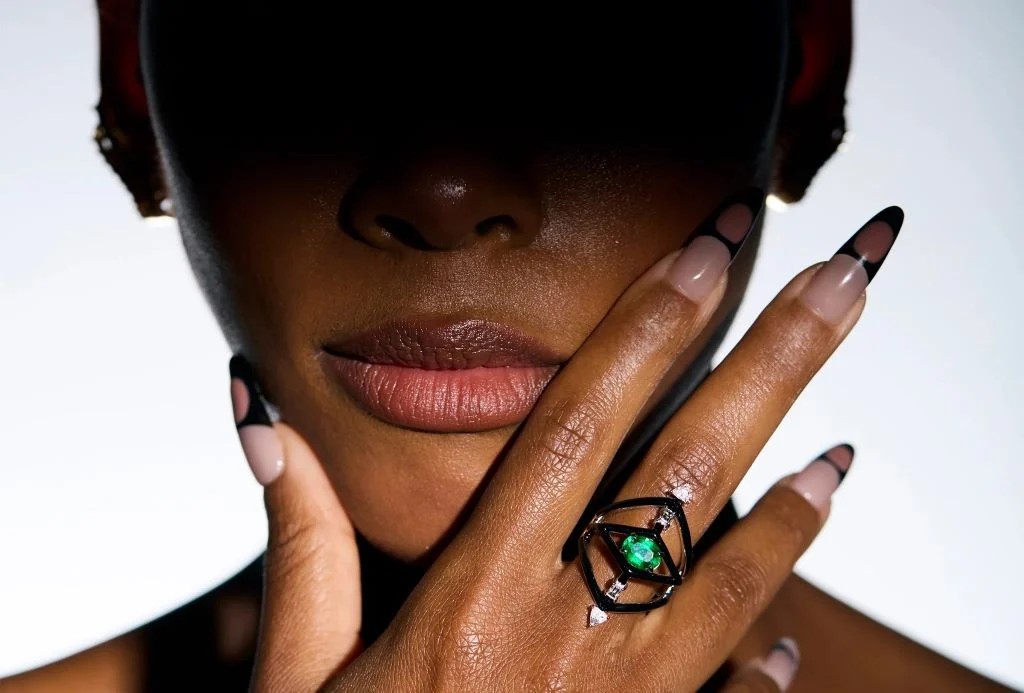
The 2025 guide highlights ten specific products that embody a balance of aesthetic boldness and functional utility. From the intricate craftsmanship of fine jewelry to the structural innovation of contemporary furniture, the selection underscores a period of robust growth for female founders in sectors traditionally dominated by male-led heritage houses. As the holiday season approaches, these brands are positioned at the forefront of a retail environment that increasingly prioritizes authenticity, narrative-driven products, and the elevation of domestic spaces.
A Strategic Shift in Design Curation
The evolution of the Snobette Ten reflects nearly a decade of monitoring the pulse of women’s influence in the fashion industry. Historically, the guide focused heavily on the "streetwear" label—a term that has become increasingly fluid. For the 2025 season, the curation recognizes that the modern consumer does not view their identity through a single lens. The "Snobette woman" is as likely to invest in a piece of sculptural furniture as she is in a pair of limited-edition sneakers or artisanal jewelry.
This year’s selection process prioritized brands that exhibit a high degree of vertical integration and clear creative direction. By focusing on women-led brands, the guide highlights a sector of the economy that has shown remarkable resilience. According to recent market data, women-owned businesses have grown at a rate double that of all other firms over the past five years, particularly in the luxury goods and home decor sectors. The Snobette Ten serves as both a consumer roadmap and a white paper on the current state of independent female entrepreneurship.
High-Value Jewelry and Artisanal Homewares
At the pinnacle of the 2025 guide is the Melody Ehsani "Fine by Me: Inner Vision Ring." Melody Ehsani, a pioneer who gained global recognition for her footwear collaborations and her landmark retail presence on Los Angeles’ Fairfax Avenue, has successfully transitioned into the realm of high-end fine jewelry. The Inner Vision Ring, crafted from 14k white gold and featuring hand-painted enamel, emeralds, and diamonds, represents the "classic Melody energy"—a blend of spiritual symbolism and unapologetic boldness. This piece signifies a trend toward "meaningful luxury," where consumers seek jewelry that serves as a personal talisman rather than mere ornamentation.
Complementing the personal adornment category is the "Punk Cup" by Domingo Ceramics, designed by Ivanna Brenner. Based in New York, Brenner’s work utilizes porcelain and 22k gold luster to create pieces that are simultaneously rugged and refined. The "Punk Cup" series highlights the growing demand for unique, handmade ceramics in an era of mass production. Each cup is distinct, appealing to the collector’s desire for exclusivity. Market analysts note that the artisanal homewares sector has seen a 15% year-over-year increase in valuation, driven largely by Gen Z and Millennial consumers who view their living spaces as extensions of their personal galleries.
The Intersection of Interior Design and Functional Art
One of the most significant inclusions in the 2025 guide is the "Puffy Chair" by Faye Toogood, available through the design house Hem. Faye Toogood has long been a design-world icon, known for her ability to manipulate materials into forms that appear both ancient and futuristic. The Puffy Chair is a case study in contrasting textures: a rigid, minimalist frame supporting a voluminous, soft upholstery.
The inclusion of furniture in a gift guide traditionally associated with fashion signifies the "lifestyle-ification" of the industry. In 2025, the boundary between what one wears and how one lives has effectively dissolved. This trend is supported by data from the International Interior Design Association (IIDA), which indicates that high-end furniture sales are increasingly driven by fashion-forward demographics who prioritize "statement pieces" that offer both comfort and social-media-friendly aesthetics.
Apparel and Accessories: Redefining "Cozy Luxe"
The apparel selections in the Snobette Ten 2025 guide focus on the refinement of daily essentials. Cou Cou Intimates, with their "Bodysuit 2-Pack Set," addresses the market’s continued obsession with high-quality, form-hugging cotton basics. The brand has carved out a space in the "elevated basics" category, which has seen a surge as consumers move away from fast fashion in favor of durable, sustainably sourced undergarments.
In the realm of outerwear and accessories, the guide features the "Blair Hoodie" from Mars the Label by Arianna Ajtar and the "Rodeo Belt" by Zana Bayne. Mars the Label has mastered the "cozy luxe" aesthetic, blending sporty silhouettes with premium materials. Meanwhile, Zana Bayne remains a leader in handcrafted leatherwork. Her Rodeo Belt is cited as a detail-oriented piece that conveys power and precision. Bayne’s brand has maintained a steady trajectory of growth by staying true to artisanal leather techniques while catering to a high-fashion clientele that includes major musical artists and film stylists.
The footwear category is represented by The Attico’s "Floor 01" Ballerina Flat. Designed by Gilda Ambrosio and Giorgia Tordini, the shoe is a hybrid of "ballet-core" and sneaker culture. This item captures the 2025 trend of "utility-glamour," where traditional feminine silhouettes are reinforced with the structural elements of performance footwear.
Archiving Culture and Community-Led Art
Beyond physical goods, the Snobette Ten highlights the importance of cultural preservation and community representation. The inclusion of the book Made Me by Erin Magee, published by Rizzoli, serves as a historical record of the downtown New York girl aesthetic. Erin Magee, who also serves as a high-level executive in the streetwear industry, founded Made Me as a brand for girls, by girls. The book acts as a love letter to an era of women’s streetwear that paved the way for many of the other designers on this list.
Similarly, the "Sister Dreamer Hat" by Lauren Halsey brings fine art into the wearable space. Halsey, a visionary artist from South Central Los Angeles, is known for her large-scale installations that celebrate Black community life and vernacular architecture. The hat is derived from her "Sister Dreamer" installation, making her high-concept art accessible to a broader audience. This represents a growing movement where contemporary artists utilize apparel as a medium for social commentary and community engagement.
Economic Implications and Market Trends
The Snobette Ten Holiday 2025 guide is more than a list of products; it is a reflection of the "She-economy"—a term used by economists to describe the increasing purchasing power and entrepreneurial influence of women. In 2025, women are projected to control 75% of discretionary spending worldwide. By focusing on women-led brands, Snobette is aligning its editorial voice with the demographic that holds the most significant economic sway.
Furthermore, the diversity of the categories—ranging from $50 accessories to multi-thousand-dollar furniture—reflects a "barbell" economic strategy. Consumers are increasingly spending on either high-value, long-term investments (like the Faye Toogood chair) or affordable, high-impact "treats" (like the Lauren Halsey hat). Mid-market brands that lack a strong, founder-led narrative are finding it difficult to compete in this polarized environment.
Chronology of Influence: From Streetwear to Global Design
To understand the significance of the 2025 list, one must look at the timeline of women’s roles in these industries.
- 2010–2015: Women-led brands in the streetwear space were often relegated to "women’s lines" of male-dominated brands.
- 2016–2020: The rise of independent founders like Melody Ehsani and Erin Magee began to shift the power dynamic, leading to major collaborations with global giants like Nike and Adidas.
- 2021–2024: A period of diversification occurred, where these founders expanded into homewares, fine jewelry, and high-fashion accessories.
- 2025: The current era is defined by the "Design Polymath," where women-led brands operate across multiple categories, treating "design" as a singular, fluid discipline rather than a set of siloed industries.
Broader Impact and Future Outlook
The Snobette Ten Holiday 2025 Gift Guide underscores a fundamental truth about the current retail landscape: the most successful brands are those that offer a clear, uncompromising point of view. Whether it is Mia Wright-Ross’s MWR Collection "Davis Body Luggage Bag," which prioritizes movement and structure, or the unique porcelain work of Ivanna Brenner, these products are successful because they are rooted in the specific lived experiences and aesthetic sensibilities of their female creators.
As we look toward 2026, the influence of these women-led brands is expected to grow. The integration of fine art, community activism, and high-end manufacturing seen in this year’s guide suggests a future where commerce is increasingly used as a tool for storytelling and cultural documentation. For the holiday 2025 season, the Snobette Ten stands as a testament to the power of the female gaze in shaping the physical and cultural objects that define our lives.
