
 By Layla Zulfa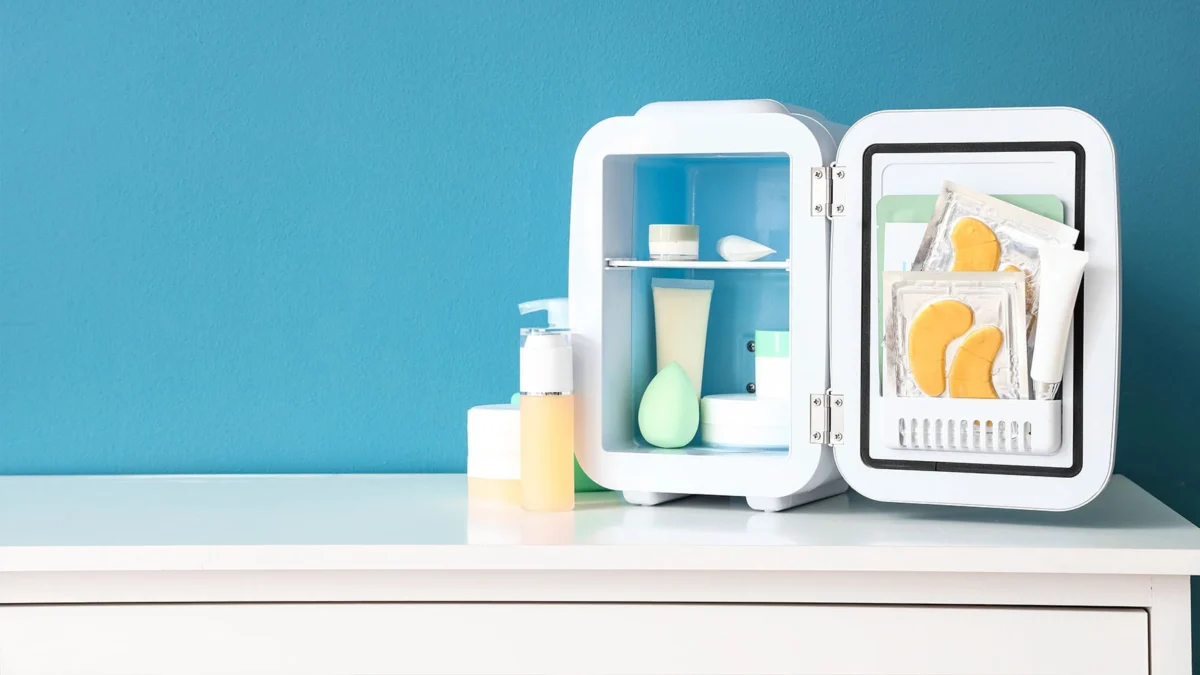
Once considered an unconventional luxury, the compact mini-refrigerator is rapidly transitioning from a niche kitchen or dorm room appliance to an indispensable fixture within modern bathrooms, signaling a profound shift in consumer health and beauty routines. This emerging trend is primarily fueled by two powerful forces: the escalating sophistication of the skincare market, which increasingly utilizes potent, temperature-sensitive ingredients, and the widespread adoption of injectable weight-loss medications and other pharmaceuticals requiring precise cold storage. As these two sectors converge, a vibrant cottage industry of specialized cooling solutions is flourishing, redefining personal care and home aesthetics.
The Evolution of Skincare: A Scientific Imperative for Refrigeration
For decades, skincare routines revolved around basic cleansing, toning, and moisturizing. However, the last decade has witnessed a dramatic transformation, often dubbed the "skintellectual" movement. Consumers are now deeply engaged with active ingredients, understanding their chemical properties, optimal concentrations, and stability requirements. Ingredients like L-ascorbic acid (pure Vitamin C), retinoids (especially prescription-strength formulations), certain peptides, probiotics, and growth factors are highly efficacious but notoriously unstable when exposed to heat, light, or air.
Vitamin C, for instance, is a potent antioxidant crucial for collagen synthesis and brightening, but its L-ascorbic acid form rapidly oxidizes into dehydroascorbic acid, losing its potency and turning an undesirable orange hue. Refrigeration slows this oxidative process, extending the product’s shelf life and ensuring maximum efficacy. Similarly, probiotic skincare, designed to balance the skin’s microbiome, often contains live cultures that thrive in cooler temperatures, preventing degradation. Some delicate peptide formulations also benefit from a consistent cool environment to maintain their structural integrity and biological activity.
Beyond chemical stability, the sensory experience also plays a role. Chilled sheet masks, eye creams, and facial rollers offer an immediate soothing and de-puffing effect, particularly beneficial for reducing morning puffiness or calming irritated skin. This blend of scientific necessity and enhanced user experience has propelled dedicated skincare storage solutions into the mainstream. Industry analysts estimate that the global skincare market, valued at over $150 billion, continues to see significant growth in premium and active ingredient segments, directly correlating with the demand for specialized storage that protects these high-value investments.
Pharmaceutical Demands: The Rise of GLP-1 Agonists and Beyond
Complementing the skincare revolution is the seismic impact of new pharmaceutical advancements, most notably the widespread adoption of GLP-1 receptor agonists like Ozempic, Wegovy, and Mounjaro. These injectable medications, primarily used for weight management and type 2 diabetes, have garnered unprecedented attention and are often self-administered by patients at home. A critical requirement for these medications, along with many other injectables such as insulin, certain fertility drugs, and allergy shots, is strict refrigeration to maintain their stability and therapeutic efficacy.
For individuals incorporating these life-changing medications into their daily or weekly routines, a dedicated mini-fridge in the bathroom offers unparalleled convenience and discretion. Storing these vital prescriptions alongside personal care items ensures they are readily accessible at the point of use, removing the need for frequent trips to the kitchen refrigerator, which may be shared with family members or roommates. This dedicated storage minimizes the risk of accidental mishandling or temperature fluctuations, which can compromise the medication’s effectiveness.
Furthermore, the surge in GLP-1 drug usage has inadvertently created a new dimension in the skincare market. Rapid weight loss can sometimes lead to changes in skin elasticity and appearance, often referred to as "Ozempic face" or "Ozempic body." This phenomenon drives a heightened demand for advanced skincare products targeting firmness, elasticity, and anti-aging, many of which contain the very temperature-sensitive ingredients that benefit from refrigerated storage. Thus, the pharmaceutical trend directly amplifies the need for sophisticated skincare and, by extension, the specialized cold storage required to preserve it. Reports from healthcare providers indicate a growing number of patients requesting guidance on proper storage for their injectable medications, often favoring solutions that integrate seamlessly into their private living spaces.
A Flourishing Niche: The "Beauty Fridge" Market Explodes
The confluence of these trends has not gone unnoticed by manufacturers and retailers, leading to the rapid expansion of a specialized "beauty fridge" or "skincare fridge" market. What began as a niche offering from small, direct-to-consumer brands has now attracted larger appliance manufacturers and beauty retailers. These compact refrigerators are specifically designed to meet the aesthetic and functional demands of the modern bathroom.
Unlike standard mini-fridges, beauty fridges often feature sleek, minimalist designs, available in a palette of pastel colors, metallics, or matte finishes to complement contemporary bathroom decor. They are engineered for quiet operation, a crucial consideration for a private space like the bathroom. Crucially, many models are designed to maintain a consistent temperature range, typically between 40-45°F (4-7°C), which is ideal for preserving skincare ingredients without being excessively cold, which could alter product textures or formulations.
The market now offers a spectrum of options, from budget-friendly models priced under $50 to high-end versions exceeding several hundred dollars, often boasting features like dual temperature zones, LED lighting, removable shelves, and even USB charging ports. Retailers like Sephora, Ulta Beauty, and online marketplaces have dedicated sections for these appliances, often bundling them with popular skincare sets. This indicates a clear recognition of consumer demand and the appliance’s growing status as an essential item. The global market for mini-fridges, including these specialized variants, is projected to grow significantly, with beauty and wellness applications being a primary driver.
A Chronology of Cold Storage: From Niche to Mainstream
The journey of the bathroom mini-fridge from an obscure concept to a sought-after item can be traced through a distinct chronology:
- Early 2010s: The burgeoning interest in K-beauty routines, characterized by multi-step regimens and novel ingredients, sparks initial discussions about product efficacy and storage. A few niche beauty enthusiasts begin experimenting with traditional mini-fridges for their serums.
- Mid-2010s: The first dedicated "beauty fridges" emerge, often from small, independent brands, primarily marketed for cooling sheet masks and facial rollers for a refreshing sensation. Social media platforms like Instagram begin to showcase these aesthetic additions to beauty spaces.
- Late 2010s: Skincare science becomes increasingly accessible through dermatologists and "skinfluencers" on platforms like YouTube and TikTok. The importance of ingredient stability (e.g., Vitamin C oxidation, retinoid degradation) gains widespread consumer understanding. Demand for dedicated storage solutions begins to accelerate beyond mere cooling.
- Early 2020s: The COVID-19 pandemic intensifies the focus on at-home self-care, wellness, and sophisticated beauty routines. Simultaneously, the first wave of GLP-1 receptor agonists gains significant traction for weight management, creating a new, urgent need for convenient and discreet medication storage.
- Present Day (2023-2024): The bathroom mini-fridge has transcended its niche status. It is now a widely recognized product category, integrated into mainstream beauty and home appliance retail. Interior designers begin incorporating them into luxury bathroom blueprints, acknowledging their functional and aesthetic appeal. The market continues to diversify with more advanced features and designs.
Industry Voices and Consumer Perspectives
The trend has garnered significant attention across industries. Dermatologists and skincare formulators often endorse the practice. Dr. Anya Sharma, a renowned cosmetic dermatologist, stated in a recent industry panel, "For highly active and expensive ingredients like pure L-ascorbic acid, certain peptides, or growth factors, refrigeration isn’t just a luxury; it’s a necessity to preserve their integrity and ensure patients are getting the full benefit they paid for. We’ve seen a noticeable improvement in patient compliance with sensitive prescriptions when storage is made easy and accessible."
Beauty brand executives are also adapting. A spokesperson for ‘Aethel Labs,’ a luxury skincare brand known for its potent Vitamin C serum, commented, "Our customers are incredibly discerning and educated. We’ve seen a direct correlation between the rise of beauty fridges and customer satisfaction with the longevity and efficacy of our most active formulations. We’re even exploring partnerships with appliance manufacturers to offer integrated solutions."
On the manufacturing side, companies are seeing unexpected growth. Mr. David Kim, Head of Product Development at a major compact appliance manufacturer, shared, "Initially, we were surprised by the demand for what we called ‘cosmetic coolers.’ But as we delved into the ‘why,’ understanding the needs of both advanced skincare users and patients on injectable medications, it became clear this wasn’t a fad. It’s a fundamental shift in how people manage their personal wellness. We’re investing heavily in quieter, more aesthetically integrated designs."
Consumers echo these sentiments. Maria Rodriguez, a 45-year-old architect and user of both high-end serums and a GLP-1 medication, shared, "Having my serums, eye creams, and my medication all together in a discreet, cool place in my bathroom has completely streamlined my routine. It feels incredibly luxurious, but more importantly, it gives me peace of mind that my expensive products and vital medication are being stored correctly. It’s a small change that makes a huge difference."
Broader Implications: Redefining Bathroom Luxury and Wellness
The proliferation of bathroom mini-fridges is more than just a fleeting trend; it signifies a broader cultural shift towards integrated wellness and personalized luxury within the home. It underscores several key implications:
- Convergence of Health and Beauty: The lines between medical care, self-care, and aesthetic enhancement are increasingly blurring. Consumers are taking a proactive, informed approach to both their physical health and their skin health, demanding solutions that support both.
- Premiumization of Personal Spaces: The bathroom, traditionally a utilitarian space, is evolving into a personal sanctuary and a high-tech wellness hub. Dedicated storage for specialized products elevates its status, reflecting a growing investment in personal well-being.
- Consumer Empowerment and Education: The demand for such appliances highlights a more educated consumer base that understands ingredient science, medication requirements, and seeks optimal conditions for their investments in health and beauty.
- Design and Integration: This trend will likely influence future bathroom design. Architects and interior designers may begin to incorporate built-in, temperature-controlled cabinetry as standard features in high-end homes, moving beyond freestanding units.
- Sustainability Considerations: While convenient, the proliferation of individual cooling units raises questions about energy consumption. Future innovations may focus on more energy-efficient designs or smart systems that optimize power usage.
In conclusion, the rise of the bathroom mini-fridge is a compelling indicator of how modern lifestyles, scientific advancements in skincare, and pharmaceutical innovations are reshaping consumer behavior and household environments. What started as a niche solution for a few discerning individuals has rapidly evolved into a mainstream necessity, solidifying its place as a new, indispensable fixture in the increasingly sophisticated landscape of personal wellness and luxury living. This trajectory suggests that the appliance is not merely a passing fad but a lasting testament to a more informed, health-conscious, and convenience-driven consumer culture.
