
 By Jia Lissa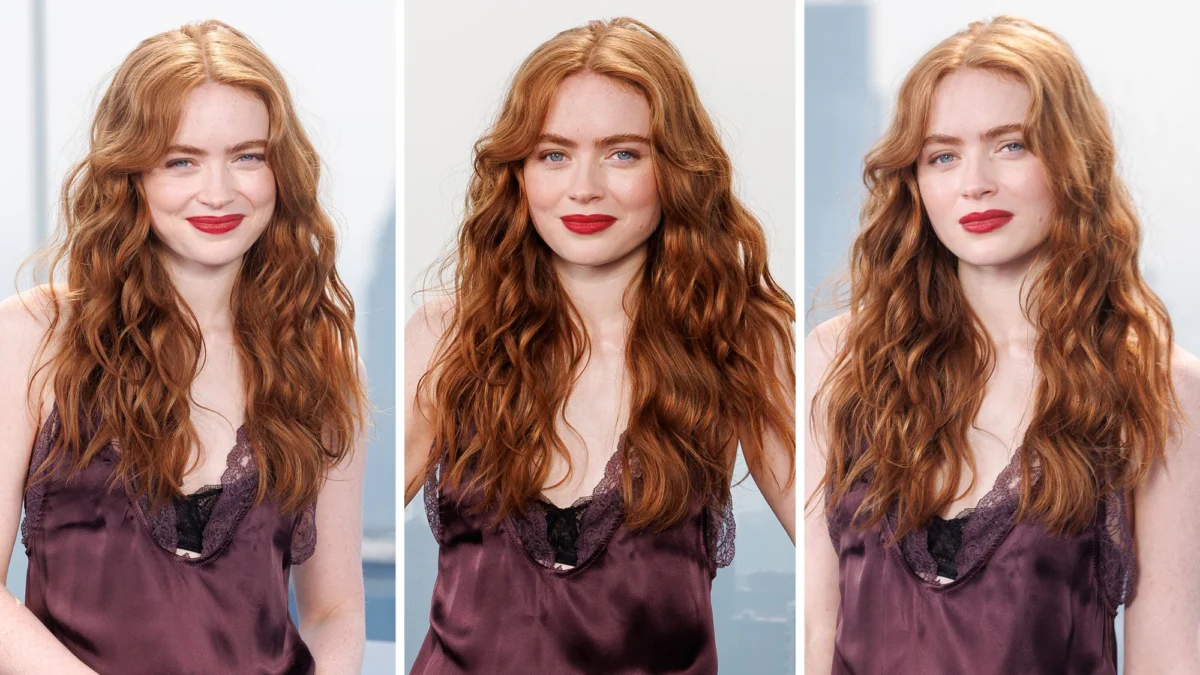
On the eve of the premiere of Spider-Man: Brand New Day, 27-year-old Kaitlyn Paulk was meticulously touching up her roots with a box of L’Oréal True Red dye. A natural blonde, whose pale cornsilk shade typically commands a $600 salon session at exclusive establishments like Warren Tricomi, Paulk expressed a distinct weariness with her hair’s origin color. "Everyone is blonde," she stated, the real estate assistant, a Georgia native who relocated to Manhattan for her studies, explained her decision. "I’d rather be noticed than just to conform to what people ‘say’ is pretty, which is why I love being a redhead… You know, like Sadie Sink. I love Sadie Sink."
Paulk’s sentiment is far from isolated. Since her pivotal role in the Netflix phenomenon Stranger Things began in 2017, Sadie Sink, a natural redhead herself, has amassed millions of social media followers and considerable Hollywood influence. Her ascent is attributed not only to her undeniable talent and gracious fan interactions but also to her astute selection of critically acclaimed projects that resonate with a young female audience navigating a complex world. Films like the feminist parable John Proctor Is the Villain and the classic Renaissance fable Romeo and Juliet have solidified her image as a compelling figure.
Now 24, Sink’s iconic fiery hair has become a powerful cultural signifier for her fanbase, representing intelligence, rebellion, and profound emotional depth. Perhaps the most significant testament to this phenomenon is the music video for Taylor Swift’s "All Too Well," released in 2022. Starring Sink as Swift’s younger self, the nearly 17-minute cinematic piece captivated a generation of Gen Z individuals during their formative adolescent years. The video, which garnered over 112 million YouTube views—a figure exceeding three times the population of California—concluded with Swift herself appearing as a redhead, seemingly endorsing the visual narrative and its emotional resonance.
The impact of what is now widely termed "The Sadie Sink Effect" is not merely anecdotal; it is demonstrably quantifiable through vast digital footprints. Google Trends data reveals a staggering 5000% increase in searches for "Sadie Sink Hair Color" since 2025, indicating a dramatic surge in public interest. On platforms like TikTok, videos inspired by Sink’s distinctive hair have achieved viral status. A prime example is a video by Arizona-based colorist Chrissy Rasmussen, titled "I want Sadie Sink red hair," which has garnered over a million views, highlighting a widespread desire among users to emulate the actress’s look. Further solidifying this trend, discussions on Reddit forums dedicated to pop culture and beauty often feature thousands of users meticulously analyzing and dissecting Sink’s hair color and texture, underscoring her status as a genuine trendsetter. While Sadie Sink navigates the complexities of online fame with remarkable grace and intelligence, her hair has undeniably become a powerful, living hashtag in the digital age.
The influence extends to the professional realm as well. Tommy Buckett, a hair artist at New York’s Marie Robinson Salon who has been styling Sink’s hair since she was 15, reports being "flooded" with direct messages and salon calls specifically requesting to replicate Sink’s hair color. "What’s exciting is it’s so many young women being like, ‘Can I get this? Can you do this to me?’" Buckett shared.
Buckett offers a compelling theory for Gen Z’s increasing gravitation towards red hair. "I’ve seen a lot of nudie blondes come through the salon asking to be red," he observes, describing "nudie blonde" as a muted, wheat-like shade. He elaborates, "They’re worried they look exactly like everyone else on TikTok. They look like every other girl on a [dating] app. They need a digital point of difference for who they are." This desire for individuality and a distinct online persona appears to be a significant driver behind the trend.
Cass Kaeding, co-founder of Crane Los Angeles salon and an ambassador for Glaze Hair, corroborates Buckett’s observations. She notes that her Gen Z clientele are "increasingly gravitating toward reds, coppers, cherry reds, and warm auburns instead of classic blonde." Kaeding points out a practical advantage of embracing red hair: its accessibility. Unlike achieving platinum blonde or deep brunette shades, which can require multiple salon visits and intensive conditioning treatments depending on one’s natural hair color and condition, transforming to red can often be accomplished in a single session. "Young salon-goers want instant gratification," Kaeding explains. "And redheads are seen as unique and special online." This immediate visual transformation aligns perfectly with the fast-paced digital culture embraced by younger demographics.
A Historical Tapestry of Red Hair: From Myth to Modern Icon
The allure of red hair is not a recent phenomenon; it is deeply woven into the fabric of history and mythology, often symbolizing magic, defiance, and unique power. Ancient Greek texts, such as those by the priest and historian Dares the Phrygian, describe the outspoken prophetess Cassandra as a fiery-haired figure. In Jewish folklore, Lilith, often referred to as the "queen of hell," is traditionally depicted as a redhead whose hair is described as literal fire. Renaissance art, including Botticelli’s depictions of Venus and her nymphs, frequently featured them with strawberry blonde hues, suggesting an association with beauty and allure. Shakespeare’s heroines, like Perdita in A Winter’s Tale, were often portrayed with red hair, further embedding the color within literary and artistic narratives.
By the early 20th century, red hair became synonymous with spirited and charming characters, most notably through L.M. Montgomery’s beloved protagonist Anne Shirley in Anne of Green Gables (1908), who embodied a sense of imaginative rebellion. The whimsical adventures of Madeline, a spirited young girl in Ludwig Bemelman’s classic children’s books, further cemented the image of a playful, independent redhead. Later, Disney’s animated portrayal of Ariel in The Little Mermaid (1989) presented a fiery-haired protagonist who defied societal norms for love, a narrative that resonated deeply with audiences. The live-action adaptation, featuring Chloe Bailey in the role, continued this legacy, showcasing Ariel with vibrant red braids.
The Economic Equation of Color: Red as the Smart Choice
Beyond aesthetic appeal and historical resonance, economic considerations are playing an increasingly significant role in hair color choices for younger demographics. Annie Cho, a 17-year-old student in Harvard Square, Massachusetts, who sports a single-process auburn wash, articulates this sentiment succinctly: "It’s too expensive to be blonde." She elaborates on the financial burden of maintaining lighter shades, stating, "The touch-ups are crazy… Like, blonde? In this economy?" This practical perspective highlights how the rising cost of living and beauty services is influencing aesthetic decisions. Cho also expresses admiration for Sadie Sink, noting, "She looks like she’s not trying. Obviously she is. She’s a movie star. But her hair is just cool." This sentiment is echoed by other public figures, such as actress Joey King, who opted for a strawberry blonde hue during her press tour for Practical Magic, and Charly Barby, a Dallas Cowboys Cheerleader known for her flame-haired appearance.
The impact of inflation on beauty budgets is a tangible factor, as hair stylist Tommy Buckett candidly admits. "Let’s be honest," he says, "With inflation being so expensive, it does play a role in young people’s hair. If you don’t have the money to keep up with your blonde, you have to do something else." This pragmatic approach suggests that red hair offers a more budget-friendly and less demanding alternative for those seeking a significant color transformation.
The Enduring Allure: Red Hair as a Symbol of Authenticity
Despite the economic incentives, the enduring appeal of red hair, particularly as championed by figures like Sadie Sink, transcends mere practicality. Buckett believes that Sink’s hair color will continue to serve as a benchmark for beauty aspirations, irrespective of economic fluctuations. He describes her hair as "alive," noting its dynamic quality, how it "changes colors in the sun and in a photo flash. It doesn’t conform to one shade or one shape." This inherent dynamism and complexity are perceived as deeply human and authentic. "It’s romantic in a way that a computer could never ‘get’," Buckett concludes. "That’s why people, especially young people, want that red. It’s human." This sentiment underscores a broader cultural shift where authenticity and individuality are increasingly valued, and red hair, with its rich history and vibrant presence, has emerged as a powerful symbol of these qualities. The "Sadie Sink Effect" is not just about a hair color; it’s about embracing a bold, distinctive identity in a world that often pressures conformity.
