
 By Layla Zulfa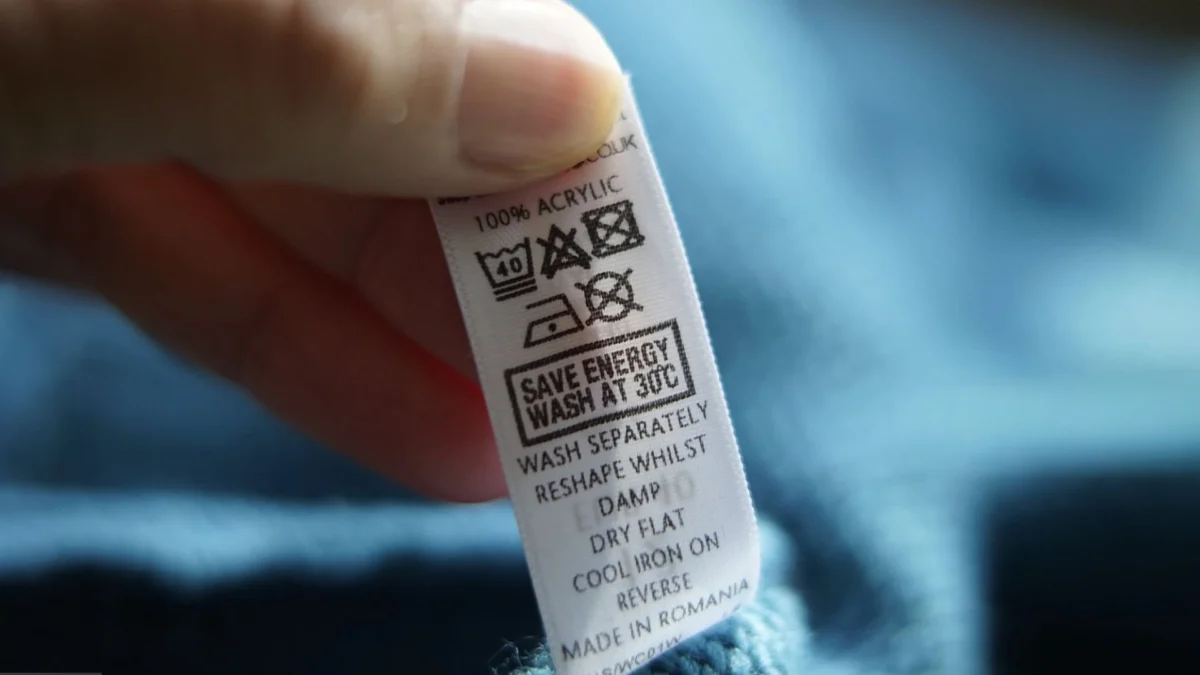
A significant paradigm shift is underway in consumer priorities within the fashion industry, as shoppers increasingly pivot their focus from "sustainable" attributes to the more personal and immediate concern of "healthy" fabric content. This evolving consumer demand has rapidly transformed fabric composition into fashion’s newest flashpoint, a reality that global retailers like Gap are now encountering firsthand. The Business of Fashion, through insights from senior editorial associate Shayeza Walid and senior correspondent Sheena Butler-Young, highlights this critical transition, emphasizing the growing scrutiny over what materials are truly benign for both wearers and the planet.
The Shifting Sands of Consumer Demand: From ‘Green’ to ‘Clean’
For years, the rallying cry in fashion centered on sustainability. Consumers and brands alike prioritized aspects such as recycled materials, ethical supply chains, reduced water usage, and lower carbon footprints. Certifications like GOTS (Global Organic Textile Standard), Fair Trade, and various recycled content standards gained prominence. While these concerns remain vital, a new, more intimate layer of consumer awareness has emerged: the direct impact of clothing on personal health and well-being. This shift is not entirely separate from sustainability; rather, it represents an evolution and deepening of consumer environmental consciousness, extending from the macro-level impact on the planet to the micro-level effect on the individual.
The "healthy" imperative stems from a confluence of factors. A heightened global awareness of wellness, accelerated by health crises and increased access to information, has led consumers to scrutinize everything they ingest, apply, and wear. Parallels can be drawn with the "clean beauty" movement, where ingredients lists became paramount, driving demand for natural, non-toxic formulations. This meticulous approach has now migrated to fashion, with consumers turning clothing labels into quasi-ingredient lists, examining fiber content, dyes, and chemical finishes with unprecedented rigor.
The Fabric Content Flashpoint: What Defines ‘Healthy’?
At the heart of this flashpoint is the debate between natural and synthetic fibers, and the chemical treatments often applied to both. For many consumers, "healthy" clothing equates to garments made from natural, breathable fibers like organic cotton, linen, hemp, Tencel (lyocell), modal, wool, and silk. These materials are often perceived as less likely to irritate skin, better for thermoregulation, and inherently biodegradable, reducing their end-of-life environmental impact.
Conversely, synthetic fibers such as polyester, nylon, acrylic, and spandex, while offering benefits like durability, stretch, and moisture-wicking properties, are increasingly viewed with skepticism. Concerns range from their petrochemical origins and non-biodegradability to the potential for microplastic shedding during washing – a significant contributor to ocean pollution. Beyond the fibers themselves, consumers are also wary of the myriad chemical finishes applied to textiles: flame retardants, water repellents (often per- and polyfluoroalkyl substances or PFAS), anti-wrinkle agents (like formaldehyde), and certain dyes. These chemicals, designed to enhance performance or aesthetics, are now under scrutiny for potential links to skin sensitivities, allergies, and broader health concerns.
Market research supports this trend. A 2023 study by the Textile Exchange indicated a 15% year-over-year increase in consumer preference for natural and organic fibers, with health benefits frequently cited as a primary motivator. Another survey by McKinsey & Company revealed that over 60% of consumers globally are willing to pay more for products that promote health and wellness, a sentiment now clearly extending to their wardrobes.
The Gap Experience: A Case Study in Consumer Disconnect
While specific details of Gap’s recent challenges were not provided in the initial announcement, industry observers suggest that for a brand of its scale and market positioning, "finding out the hard way" likely involved a direct and impactful consumer backlash. Gap, a heritage brand known for its classic cotton basics, has historically enjoyed a reputation for comfortable, accessible apparel. However, like many mass-market retailers, Gap has also navigated the complexities of cost-efficiency, performance requirements, and broader sustainability goals, which often involve the integration of synthetic fibers and blends.
One plausible scenario is that Gap may have introduced or expanded product lines, perhaps activewear or even certain basic garments, with a higher proportion of synthetic materials, or used chemical finishes that triggered consumer alarm. For instance, if a beloved cotton-rich t-shirt or a popular pair of khakis were reformulated with a significant polyester or spandex blend, or treated with a new chemical finish, discerning consumers, now reading labels more closely, would undoubtedly notice.
The "hard way" for Gap could manifest as:
- Social Media Outcry: Viral posts or campaigns criticizing specific product compositions, leading to reputational damage.
- Sales Decline: A measurable drop in sales for affected product categories as consumers opt for brands perceived as healthier.
- Customer Service Influx: An increase in complaints and inquiries regarding fabric content, allergies, or chemical concerns.
- Brand Trust Erosion: A broader questioning of Gap’s commitment to quality and consumer well-being, especially if the changes were perceived as cost-cutting measures at the expense of health.
This situation highlights a critical dilemma for large-scale retailers. Balancing the demand for affordable, durable, and performant clothing with the increasing consumer expectation for natural, "clean" materials is a formidable challenge. Synthetic fibers often offer advantages in terms of cost, elasticity, wrinkle resistance, and quick-drying properties – features highly valued in modern apparel. However, the pendulum is swinging towards a preference for inherent material integrity over engineered performance, especially when health concerns are at play.
A Chronology of Shifting Awareness
The evolution of consumer consciousness around clothing materials can be traced through several key phases:
- 1990s – Early 2000s: Ethical Sourcing & Labor: Initial awareness focused on "sweatshop" conditions and fair labor practices, largely spurred by advocacy groups.
- Mid-2000s – Early 2010s: Environmental Impact & Organic Cotton: The rise of environmental movements brought attention to the ecological footprint of conventional cotton farming (pesticides, water use) and the benefits of organic alternatives. Recycled content began to gain traction.
- Mid-2010s: Circularity & Supply Chain Transparency: Concepts like circular fashion, reducing waste, and mapping entire supply chains became central to the sustainability dialogue. Brands started to invest in "green" certifications.
- Late 2010s – Present: Microplastics & Chemical Wellness: Growing scientific evidence on microplastic pollution from synthetic textiles, coupled with increased public awareness of chemical exposure in everyday products, pushed "personal health" and "clean materials" to the forefront. This phase marks a deeper, more personal engagement with clothing composition.
Gap’s recent encounter likely falls squarely within this latest phase, where consumers are no longer satisfied with general sustainability claims but demand granular detail about what their clothes are made of and how those materials might affect them directly.
Industry Reactions and Broader Implications
The growing emphasis on healthy fabric content has significant implications across the fashion ecosystem:
For Brands:
- Enhanced Transparency: Brands will need to provide clearer, more comprehensive information about fabric composition, sourcing, and chemical treatments. This could involve "ingredient lists" similar to food or beauty products.
- Material Innovation: Increased investment in research and development of truly sustainable and healthy materials. This includes bio-based synthetics, closed-loop recycling for existing synthetics, and innovative processing of natural fibers to enhance performance without harmful chemicals.
- Supply Chain Scrutiny: Deeper engagement with suppliers to ensure materials meet new health standards and to verify the absence of undesirable chemicals.
- Marketing Re-evaluation: Shifting marketing narratives from generic "sustainable" claims to specific, verifiable benefits related to health and well-being.
- Risk Management: Brands must proactively identify and mitigate risks associated with consumer health concerns, understanding that a single misstep can lead to significant brand damage.
For Consumers:
- Empowerment through Information: Consumers will become more educated and discerning, using available information to make choices aligned with their health values.
- Increased Demand for Certifications: A rise in demand for third-party certifications that specifically address chemical safety and natural fiber purity.
- Willingness to Pay a Premium: Continued willingness to invest more in clothing perceived as healthier and safer.
For Regulators and Policymakers:
- New Labeling Standards: Potential for new regulations requiring more detailed and standardized labeling of fabric content and chemical treatments, similar to the EU’s REACH regulation for chemicals.
- Chemical Bans and Restrictions: Increased pressure to ban or restrict certain harmful chemicals in textile manufacturing.
- Definition of "Healthy" Fashion: The need to establish clear, scientific definitions for what constitutes "healthy" or "non-toxic" clothing to prevent greenwashing or "health-washing."
For the Textile and Manufacturing Industry:
- R&D Shift: A redirection of research and development efforts towards creating safer dyes, finishes, and fiber alternatives.
- Process Innovation: Adoption of cleaner manufacturing processes that reduce chemical use and waste, and prioritize worker safety.
- Strategic Partnerships: Collaboration with bio-material scientists and chemists to develop the next generation of healthy textiles.
The Future of Fashion: Holistic Well-being
The transition from a primary focus on "sustainable" to "healthy" fabric content represents a maturation of the conscious consumer movement. It signifies a deeper understanding that true sustainability encompasses not just planetary well-being, but also the direct well-being of the individual wearing the clothes. Brands that successfully navigate this evolving landscape will be those that prioritize radical transparency, invest in genuinely healthy materials and processes, and communicate these efforts authentically to an increasingly informed and health-conscious consumer base. Gap’s experience serves as a potent reminder that in the modern fashion industry, what’s inside the label is now just as critical as the style on the hanger. The future of fashion lies in a holistic approach where environmental responsibility and personal health are inextricably linked.
