
 By Jia Lissa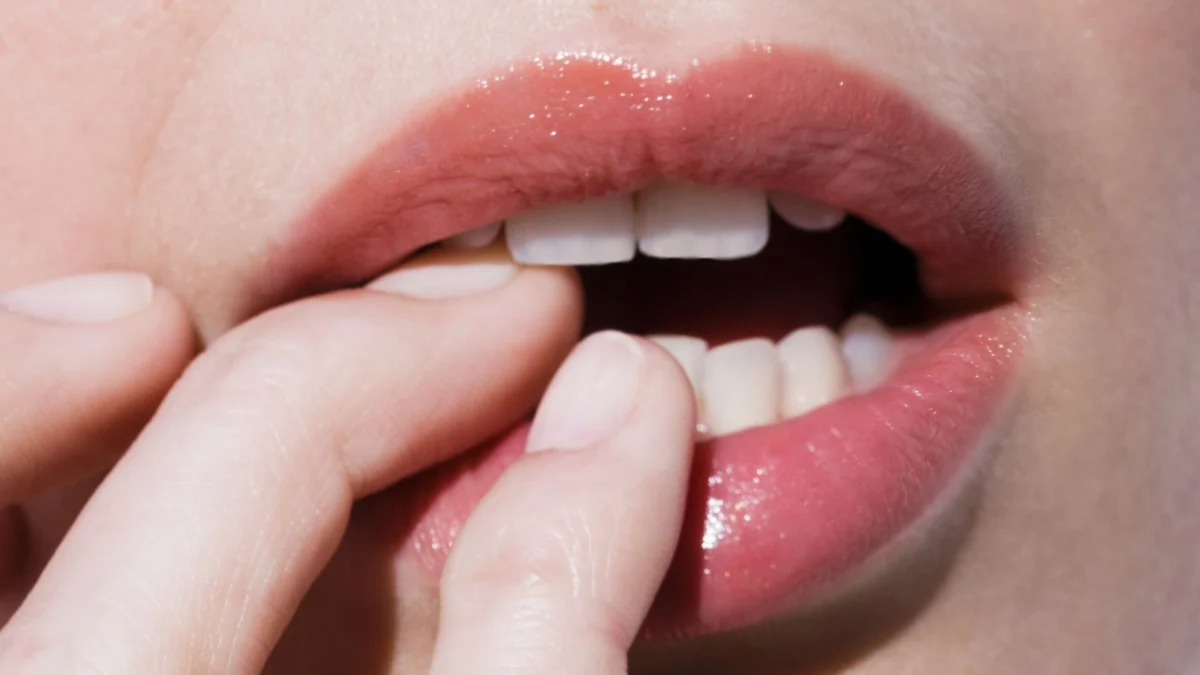
The landscape of GLP-1 receptor agonist medications, primarily known for their efficacy in managing type 2 diabetes and promoting weight loss, is revealing a fascinating and anecdotal side effect: a potential reduction in the persistent habit of nail biting. While these powerful drugs are widely recognized for their impact on appetite suppression, reduced "food noise," and curbing cravings, a growing number of users are reporting a significant decrease, or even complete cessation, of their nail-biting tendencies. This emergent observation, largely shared through online forums and social media, is prompting both intrigue and cautious optimism within the medical community.
The Pervasive Habit of Nail Biting
Nail biting, clinically termed onychophagia, is a remarkably common habit, affecting an estimated 20 to 30 percent of the general population. This figure underscores the widespread nature of the behavior, which often begins in childhood and can persist into adulthood. Annette Czernik, a board-certified dermatologist, classifies nail biting as a body-focused repetitive behavior (BFRB), a category that also encompasses habits like skin picking and hair pulling. For many individuals, these behaviors serve as a coping mechanism, offering a form of self-soothing during periods of stress or anxiety, or as a self-stimulating activity when experiencing boredom.
"These behaviors often exist on a spectrum with anxiety, stress-related habits, and obsessive-compulsive tendencies," Dr. Czernik explains. "As dermatologists, we frequently see the physical consequences, including damaged nail plates, chronic inflammation around the nails, infections, and permanent nail changes." The physical manifestations of chronic nail biting can range from ragged cuticles and painful finger injuries to increased susceptibility to infections and long-term damage to the nail bed.
The Rise of GLP-1s and Emerging Anecdotes
The advent and widespread adoption of GLP-1 medications, such as semaglutide (Ozempic, Wegovy) and tirzepatide (Mounjaro, Zepbound), have revolutionized the treatment of metabolic disorders and obesity. Their primary mechanism involves mimicking the action of the naturally occurring glucagon-like peptide-1 hormone, which plays a crucial role in regulating blood sugar and slowing gastric emptying, leading to increased satiety. However, the observed effects of these medications extend beyond their intended therapeutic targets, with users increasingly reporting a broader impact on compulsive behaviors.
Online platforms, particularly Reddit’s r/nailbiting community and various social media channels, have become hubs for individuals to share their experiences. Users have detailed how, after years of struggling with daily nail biting, they have found themselves stopping entirely since initiating treatment with GLP-1 medications. Influencers have also begun to openly discuss how these drugs have aided them in overcoming what they describe as "compulsive" nail-biting habits. While the established benefits of GLP-1s revolve around managing cravings and reducing "food noise," the anecdotal evidence suggests a potential influence on other habit-driven behaviors.
Understanding the Neurological Underpinnings
The precise mechanisms by which GLP-1 medications might influence behaviors like nail biting are still under investigation, but leading theories point to their impact on the brain’s reward pathways. Sanam Hafeez, Psy.D., a neuropsychologist based in New York City, elaborates on this phenomenon. "GLP-1 medications can influence the brain’s reward pathways," she states. "This is most evident with food and appetite, of course, impacting feelings of hunger and cravings. Many people report experiencing less ‘food noise’ and fewer intense cravings."
This reduction in the intensity of urges is theorized to extend to other compulsive behaviors. "As urges become less powerful, it can feel easier to make deliberate choices rather than acting on impulse," Dr. Hafeez explains. "For some individuals, these changes may significantly reduce compulsive eating behaviors and create a greater sense of control around food."
Jessica Duncan, MD, a board-certified obesity medicine physician in Atlanta, Georgia, further supports this hypothesis. "GLP-1s also act on the brain’s dopamine and reward pathways, which is why patients often notice their cravings drop across the board, not just for food," she notes. This suggests that the neurological circuitry involved in processing rewards and cravings for food might share common pathways with those that drive other habitual, and sometimes compulsive, behaviors, including nail biting.
A Broader Impact on Compulsive Behaviors
The influence of GLP-1s on reward pathways could explain why users are reporting a reduction in a variety of non-food-related compulsive actions. Dr. Duncan’s patients, for instance, frequently report a diminished interest in alcohol and cigarettes. While she emphasizes that these effects are not necessarily permanent or universal, given the individual variations in brain chemistry, the trend is notable.
"The same circuitry that drives ‘food noise’ overlaps with the circuitry behind a lot of repetitive, self-soothing habits," Dr. Duncan explains. This overlap means that a medication that dampens the drive for food-related rewards might also dampen the drive for other rewarding or self-soothing behaviors. For individuals who engage in nail biting as a stress-relief mechanism or a form of stimulation, a reduction in the underlying urge or the perceived reward from the action could lead to a natural decrease in the habit.
Scientific Scrutiny and Clinical Caution
Despite the growing body of anecdotal evidence, it is crucial to emphasize that GLP-1 medications are not approved by regulatory bodies for the treatment of nail biting. There is currently insufficient scientific research to definitively claim that these drugs can "cure" or reliably stop this habit. Medical professionals are exercising caution and urging against viewing GLP-1s as a primary treatment for onychophagia.
"If a patient told me they stopped or slowed down their nail biting habit while on the medication, I’d find that noteworthy," says Dr. Czernik. "But I’d also caution against viewing the medication as a proven treatment for nail biters." She reiterates that established treatments for problematic nail biting include behavioral interventions, such as identifying emotional triggers, using anti-biting polishes, habit reversal training, and seeking support from mental health professionals experienced in treating BFRBs.
Dr. Duncan also advises that the intensity of urges experienced by patients on GLP-1s can fluctuate. "So if a patient stops biting their nails on a GLP-1, I wouldn’t promise it’s gone forever," she states. "What I suggest is using this time while the noise is quieter to work on other strategies for behavior reduction and to build a strong, sustainable system to replace the behavior." This proactive approach aims to equip individuals with long-term coping mechanisms that are not solely reliant on medication.
Future Research and the Promise of "Happy Side Effects"
While clinical trials specifically investigating the link between GLP-1s and nail biting are absent, the emerging anecdotal data is prompting medical professionals to acknowledge the potential for further research. "There is sufficient science emerging to warrant investigation," notes Dr. Czernik, suggesting that future studies might explore this connection more formally. The possibility of a wider therapeutic application for these drugs, even as an unintended benefit, remains an open area for scientific inquiry.
For individuals who have experienced a reduction in nail biting while on GLP-1 medication, medical experts suggest viewing it as a fortunate secondary benefit. "If you experience fewer symptoms with these drugs, consider it a happy side effect for now," advises Dr. Czernik. This perspective acknowledges the current limitations of scientific understanding while celebrating the positive impact these medications may have on an individual’s overall well-being and the cessation of a persistent, often distressing, habit. The ongoing exploration of GLP-1s’ multifaceted effects promises to unveil further insights into their complex interactions with human physiology and behavior.
