
 By Jia Lissa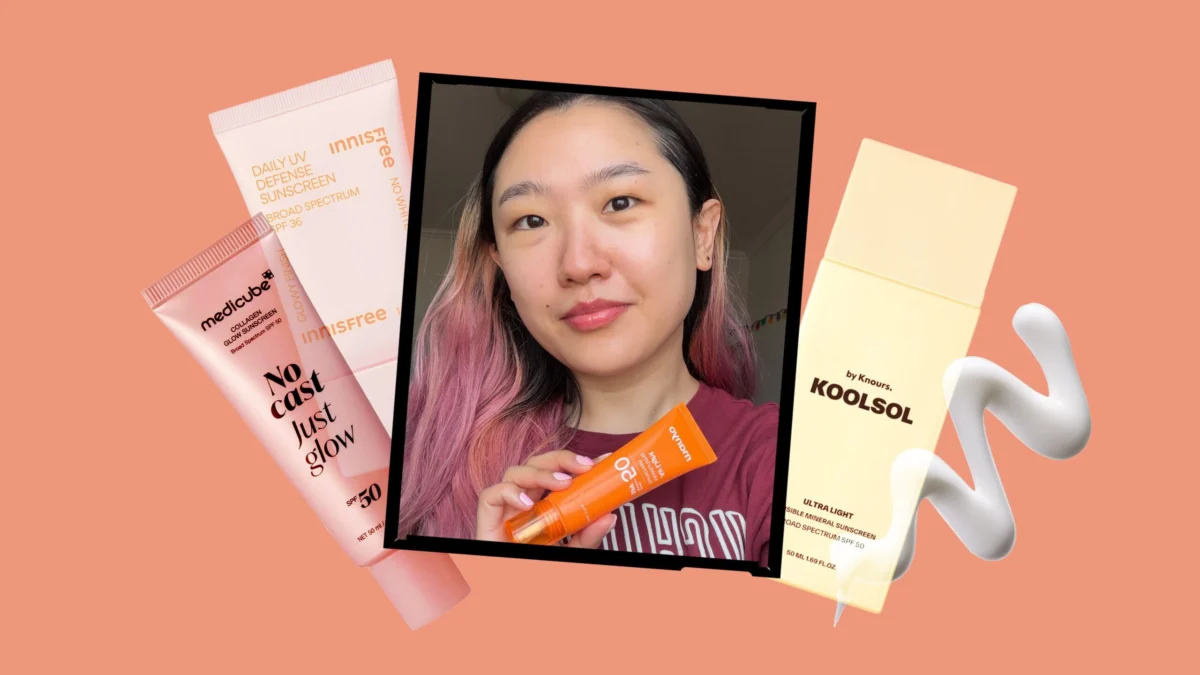
The global skincare market is witnessing a significant evolution, with Korean sunscreens emerging as frontrunners, challenging traditional Western formulations and integrating sun protection into a holistic approach to skin health. This shift is driven by a combination of innovative ingredient access, regulatory differences, and a cultural emphasis on preventative skincare. Experts and industry observers note that while the fundamental goal of sun protection remains universal, Korean sunscreens offer a more comprehensive and aesthetically pleasing experience, leading many consumers to consider them superior.
The Korean Skincare Philosophy: Beyond Mere Protection
A key differentiator lies in the fundamental perception of sunscreen within skincare routines. Dr. Zion Ko Lamm, a board-certified internal medicine doctor, highlights that Korean sunscreens are not viewed as a standalone necessity but as an integral component of a broader skincare lifestyle. This perspective emphasizes a proactive approach to combating not only immediate sun damage but also the long-term effects of sun exposure, such as premature aging, hyperpigmentation, and even an increased risk of skin cancer. This philosophy encourages consistent daily application, fostering a culture where sunscreen is as essential as moisturizing or cleansing.
In contrast, Western sunscreens have historically been formulated with a primary focus on the functional aspect of protection against harmful UV rays. While effective, this approach has sometimes led to formulations that are perceived as less user-friendly, potentially contributing to inconsistent application. The Korean approach, however, weaves sun protection into a narrative of overall skin wellness, promoting general skin health alongside defense against UV radiation. This integrated approach has resonated deeply with consumers worldwide, who are increasingly seeking multi-functional products that simplify their routines while delivering enhanced benefits.
Technological Advancements and Ingredient Diversity
The perceived superiority of Korean sunscreens is also attributed to their access to a wider array of active sunscreen ingredients. Cosmetic chemist Stephen Ko explains that South Korea’s regulatory environment allows for a more dynamic approval process for sunscreen ingredients compared to the United States. The U.S. Food and Drug Administration (FDA) classifies sunscreens as over-the-counter drugs, subjecting them to rigorous and lengthy drug approval processes. This has resulted in a limited palette of approved chemical and mineral filters for decades. Notably, Stephen Ko points out that no new sunscreen ingredients have been approved for use in the U.S. since 1999, a statistic that underscores the potential lag in innovation.
This regulatory disparity grants Korean brands the agility to incorporate cutting-edge sunscreen technologies and ingredients that are not yet available in Western markets. Advanced filters like Tinosorb S, Uvinul A Plus, and Uvinul T 150, which are common in Korean formulations, offer broad-spectrum protection with improved photostability and aesthetic properties. These ingredients contribute to the development of more sophisticated and high-performing sunscreens that are often more cosmetically elegant and provide a higher level of protection against both UVA and UVB rays.
Furthermore, Korean sunscreens have revolutionized the experience of applying mineral sunscreens. Historically, mineral formulations, particularly those rich in zinc oxide and titanium dioxide, were notorious for leaving a noticeable white cast on the skin, especially on deeper skin tones. Korean brands have successfully developed mineral sunscreens that are virtually transparent across all skin tones, eliminating this common concern. This breakthrough has made mineral sunscreens, often preferred for their gentleness and broad-spectrum protection, a viable and desirable option for a wider demographic.
The Infusion of Skincare Benefits
Beyond their primary function, Korean sunscreens are distinguished by their integration of beneficial skincare ingredients. These formulations often read more like a serum or moisturizer, incorporating elements known for their hydrating, brightening, soothing, and anti-aging properties. Common additions include Centella asiatica (also known as cica), renowned for its calming and reparative qualities; allantoin, which promotes skin healing and hydration; ceramides, essential for maintaining a healthy skin barrier; hyaluronic acid, a powerful humectant that draws moisture to the skin; and niacinamide, a versatile ingredient that brightens, reduces inflammation, and improves skin texture.
This multi-functional approach means that when a consumer applies a Korean sunscreen, they are not only shielding their skin from the damaging effects of UV radiation but are simultaneously delivering a dose of nourishing skincare. This dual action appeals to consumers seeking efficiency and efficacy in their beauty regimens, transforming a once-mundane step into a beneficial treatment. The result is a product that actively contributes to improved skin health, texture, and radiance, making daily sun protection a more rewarding experience.
Navigating the PA Rating System
For consumers looking to select a Korean sunscreen, understanding the labeling system is crucial, particularly the "PA" rating. While SPF (Sun Protection Factor) measures protection against UVB rays, the PA system, prevalent on Korean sunscreens, specifically addresses UVA protection. Dr. Ko Lamm explains that the PA rating is based on the Persistent Pigmentation Darkening (PPD) test, which quantifies the increase in UVA exposure a person can tolerate before tanning or skin darkening occurs.
The PA system ranges from PA+ (indicating minimal UVA protection) to PA++++ (offering the highest level of UVA protection, equivalent to a PPD of 16 or more). Dr. Ko Lamm recommends seeking sunscreens with a minimum of PA+++, correlating it to an SPF of 30. A PA++++ rating signifies that the skin can withstand 16 times more UVA radiation than it would without sunscreen before showing signs of damage like tanning. This detailed UVA measurement provides consumers with a more comprehensive understanding of the product’s protective capabilities, enabling informed choices for optimal skin defense against both immediate and long-term sun damage.
The Regulatory Landscape and Global Implications
The differences in regulatory frameworks between countries like South Korea and the United States have a direct impact on the innovation and availability of sunscreen products. The more stringent and lengthy approval process in the U.S. for sunscreen ingredients can stifle the adoption of newer, more advanced technologies. This has led to a situation where many consumers, including advocates like Congresswoman Alexandria Ocasio-Cortez, are calling for reform. Ocasio-Cortez has encouraged constituents to contact their representatives, particularly those on the Energy and Commerce Committee, to advocate for breaking down regulatory barriers at the FDA and funding public research into sunscreen ingredients. The goal is to accelerate the approval of novel filters that can offer superior protection and enhance product efficacy.
The implications of this regulatory divergence are far-reaching. It not only affects the quality and variety of sunscreens available to consumers but also influences global market trends. The success and popularity of Korean sunscreens have undoubtedly put pressure on regulatory bodies worldwide to reassess their approval processes and to consider the benefits of incorporating a wider range of scientifically validated sunscreen technologies. As consumer demand for effective, elegant, and multi-functional sun protection grows, the industry is likely to see continued innovation, with lessons learned from the advancements pioneered in the Korean market.
Testing and Consumer Trust
The commitment to rigorous product testing and transparent reporting is fundamental to building consumer trust. Publications like Allure employ a comprehensive methodology when evaluating beauty products, including sunscreens. Their review process involves scrutinizing ingredients, validating brand claims, and consulting peer-reviewed scientific and medical studies. Expert input from dermatologists, cosmetic chemists, and medical professionals is integral to vetting formulas and ensuring that recommended products meet high standards of efficacy and safety.
When testing sunscreens, Allure focuses on key performance indicators such as ingredient quality, efficacy in providing broad-spectrum protection, product wearability, and overall skin benefits. The editorial team, comprised of in-house writers, editors, and external contributors, along with dermatologists, assesses each product’s performance across these categories. This meticulous approach, further detailed on their reviews process and methodology page, aims to provide consumers with reliable and trustworthy recommendations, empowering them to make informed purchasing decisions in a crowded marketplace.
The diversity of their testing staff, spanning various ages, skin tones, hair textures, genders, and backgrounds, is a critical element in their evaluation process. This inclusivity ensures that products are assessed by a broad spectrum of users, reflecting the diverse needs and concerns of the consumer base. By testing products on a wide range of individuals, Allure strives to provide fair and accurate assessments, confirming that a recommended product is truly the "best" for a broad audience, rather than a select few. This commitment to comprehensive and inclusive testing is vital in navigating the complexities of the beauty industry and in fostering genuine consumer confidence.
In conclusion, the rise of Korean sunscreens signifies more than just a trend; it represents a fundamental shift in how sun protection is perceived and integrated into daily life. By prioritizing a holistic approach to skin health, leveraging advanced ingredient technology, and offering cosmetically elegant formulations, Korean sunscreens are setting a new global standard. As consumers continue to seek products that offer both robust protection and tangible skincare benefits, the influence of Korean beauty innovations in the sunscreen category is poised to grow, encouraging broader industry advancements and regulatory reassessments worldwide.
