
 By Eva Lovia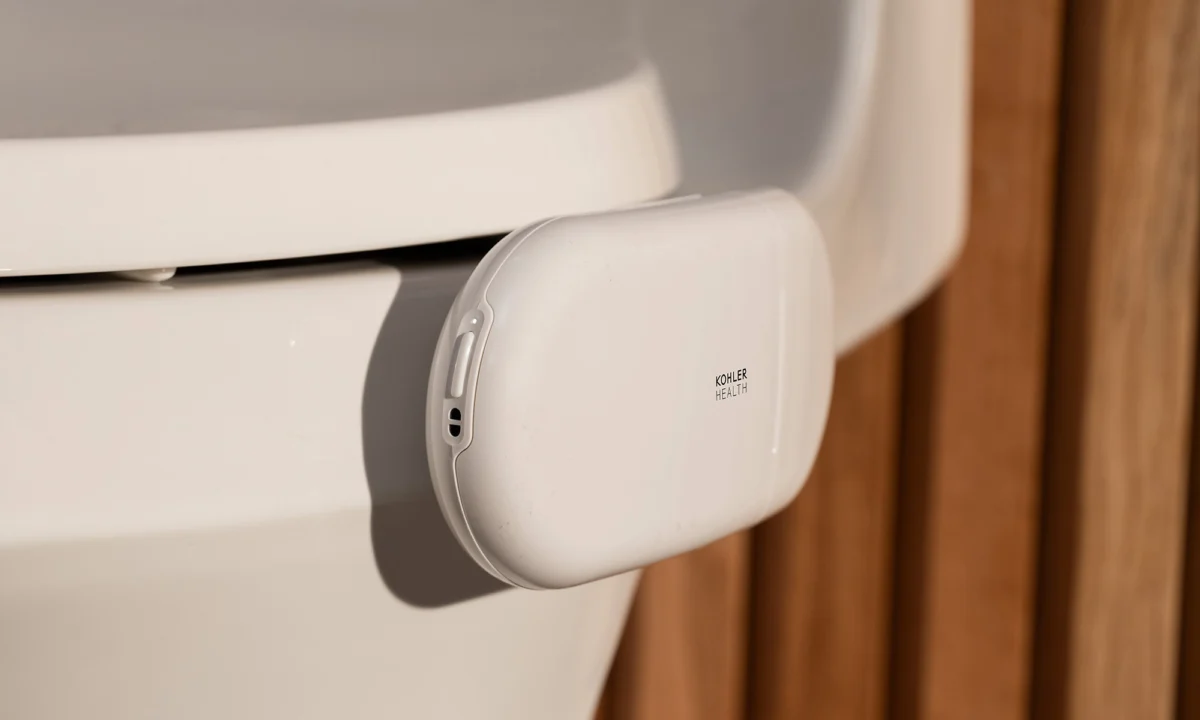
The seemingly mundane question, "How’s your digestion?" often surfaces in casual conversation and at routine doctor’s appointments, yet the typical response, "Could be better," belies a significant lack of detailed self-awareness. When pressed for specifics – frequency of bowel movements, changes over time, or the presence of constipation, diarrhea, or bloating – most individuals falter. This common struggle highlights a critical data gap: our bathrooms generate invaluable daily health information, but very little of it is systematically captured or understood. Kohler Health aims to bridge this gap by transforming the bathroom into a powerful tool for monitoring and understanding personal well-being, leveraging technology to provide objective insights into digestive health and hydration.
The fundamental challenge lies in human memory and perception. We tend to recall exceptional events rather than everyday routines, leading to a distorted view of our typical bodily functions. Describing digestive experiences with precise language is also difficult, as terms like "soft," "hard," or "normal" can carry vastly different meanings for different individuals. This inherent unreliability of self-reporting means that subtle, yet significant, shifts in our health can go unnoticed until they manifest as more serious issues. Kohler Health’s innovative approach addresses this by automating data collection, providing a consistent and objective record of vital health patterns.
The Ubiquity of Digestive Discomfort and the Tracking Deficit
Digestive concerns are remarkably prevalent across the United States. Research indicates that a substantial 61% of U.S. adults experience at least one gastrointestinal symptom weekly, encompassing issues such as constipation, diarrhea, bloating, gas, or heartburn. Furthermore, data from the American Gastroenterological Association (AGA) reveals that nearly 40% of Americans report that bowel symptoms have disrupted their daily lives within the past year. Despite this widespread impact, the tracking of these intimate health metrics remains remarkably low. A 2024 survey on American health tracking habits found that while most individuals monitor at least one health metric, only a mere 6% reported tracking their bowel habits. This disparity underscores the overlooked potential of the bathroom as a consistent source of health intelligence.
The significance of tracking bowel movements extends beyond mere frequency. Changes in these patterns can serve as early indicators of a wide range of health factors, including dietary habits, hydration levels, stress, and underlying digestive conditions. While an isolated "off" day may not be cause for alarm, a gradual shift over weeks or months can signal a developing issue. However, such incremental changes are precisely the ones most likely to be missed by subjective observation. Without objective, longitudinal data, these subtle alterations are easily dismissed, potentially delaying necessary interventions until they become disruptive.

The Principle of Pattern Recognition in Health Monitoring
The field of medicine has long recognized the paramount importance of longitudinal data over isolated readings. For instance, blood pressure is not assessed based on a single measurement but rather through a series of readings taken over time to identify trends. Similarly, cholesterol levels are monitored across years, and blood sugar is tracked over extended periods to understand glucose balance rather than temporary spikes. This principle of pattern recognition is equally applicable to digestive health.
Medical professionals understand that a single bowel movement offers only a fleeting snapshot. A comprehensive picture of an individual’s digestive health emerges only through consistent observation over weeks and months. However, as previously noted, human memory is fallible. Research on symptom recall consistently demonstrates that individuals often struggle with accuracy, and memory alone is insufficient for capturing changes that occur over extended durations. This phenomenon is known as recall bias, where our brains tend to overemphasize unusual events and forget routine occurrences, making it exceptionally difficult to accurately estimate the frequency or timing of changes in bodily functions.
Kohler Health’s Innovative Solution: Dekoda
Kohler Health is pioneering a new approach to everyday health monitoring by transforming the bathroom into a site of proactive health insight. Their flagship product, Dekoda, is designed to seamlessly integrate into the toilet, passively collecting data on bathroom habits without requiring any active user input beyond initial setup. This discreet, first-of-its-kind tracking tool works in the background, capturing information on hydration status and digestive patterns, including frequency and consistency of bowel movements.
The Dekoda device utilizes advanced sensor technology to analyze key indicators within the toilet bowl. This non-invasive method allows for continuous data collection, creating a detailed log of an individual’s bathroom activities. The collected data is then transmitted to the Kohler Health App, where users can access personalized insights and review long-term trends that would otherwise be impossible to reconstruct through manual tracking or memory.
Beyond tracking frequency and consistency, Dekoda is also capable of detecting the presence of blood, a critical health data point that may warrant further discussion with a healthcare provider. While individual measurements might not reveal the complete health narrative, their aggregation over weeks and months can illuminate meaningful patterns. These patterns empower individuals to gain a deeper understanding of their digestive health, make informed decisions about their well-being, implement necessary lifestyle adjustments, and engage in more productive conversations with their healthcare professionals.
A Brief Chronology of Health Monitoring Evolution
The journey towards comprehensive health monitoring has been a gradual evolution. In the early to mid-20th century, health assessment primarily relied on physician examinations and patient self-reporting, with limited technological intervention. The advent of more sophisticated diagnostic tools in the latter half of the century, such as blood tests and imaging technologies, allowed for more objective physiological assessments. However, these were largely confined to clinical settings.
The dawn of the 21st century saw the rise of wearable technology, beginning with basic pedometers and progressing to advanced smartwatches and fitness trackers. These devices revolutionized personal health by bringing continuous monitoring of activity levels, sleep patterns, and heart rate into the everyday lives of consumers. This technological leap empowered individuals with unprecedented insights into their physiological responses to daily activities and lifestyle choices.
Kohler Health’s Dekoda represents the next logical step in this evolution. By extending the principles of passive, continuous health data collection to the realm of digestive health, it addresses a significant frontier that has remained largely untracked. The development of Dekoda can be seen as a response to the growing consumer demand for proactive health management and the increasing recognition by medical professionals of the gut’s central role in overall health. The company’s investment in this area reflects a broader trend towards personalized and preventative healthcare, where technology plays a crucial role in empowering individuals to take greater control of their well-being.
Implications for Personal and Public Health
The potential implications of Kohler Health’s technology are far-reaching. On a personal level, individuals can gain a more nuanced understanding of their bodies, enabling them to identify triggers for digestive discomfort and make proactive lifestyle changes. This could lead to improved quality of life, reduced reliance on medication for common ailments, and earlier detection of potential health issues.
From a public health perspective, the aggregation of anonymized data from Dekoda devices could provide valuable insights into population-level digestive health trends. This data could inform public health initiatives, guide research efforts, and potentially lead to earlier identification of widespread health concerns. Furthermore, by providing healthcare providers with objective data, Dekoda can facilitate more accurate diagnoses and personalized treatment plans, potentially reducing the burden on healthcare systems.

The "data gap" in digestive health that Kohler Health aims to fill has significant consequences. Without consistent, objective data, individuals are left to rely on subjective interpretations, which can lead to delayed diagnosis and treatment of conditions such as Irritable Bowel Syndrome (IBS), inflammatory bowel disease (IBD), or even early signs of gastrointestinal cancers. The ability to track subtle changes over time could be crucial in distinguishing between transient discomfort and the onset of a chronic condition.
Expert Analysis and Future Outlook
The integration of smart technology into everyday household items, particularly for health monitoring, is gaining momentum. Health experts acknowledge the potential of such devices to democratize health data and empower individuals. Dr. Emily Carter, a leading gastroenterologist, commented, "For years, we’ve relied on patient recall, which is inherently limited. Tools that can provide objective, longitudinal data on bowel habits and hydration are invaluable. They allow us to move beyond anecdotal evidence and toward data-driven personalized care."
The success of Kohler Health’s Dekoda will likely depend on several factors, including user adoption, data privacy and security, and the ability to seamlessly integrate with existing healthcare ecosystems. The company’s commitment to discreet design and passive data collection addresses key barriers to entry for many individuals who may be hesitant to adopt overtly "medical" devices in their homes.
The future outlook for bathroom-based health technology appears promising. As sensor technology becomes more sophisticated and affordable, we can anticipate further innovations in this space. Beyond digestive health, future iterations could potentially monitor other bathroom-related health indicators, further solidifying the bathroom’s role as a powerful, yet often overlooked, health monitoring hub. The ultimate goal is to shift the paradigm from reactive treatment to proactive prevention, equipping individuals with the knowledge and tools to maintain optimal health throughout their lives.
