
 By Jia Lissa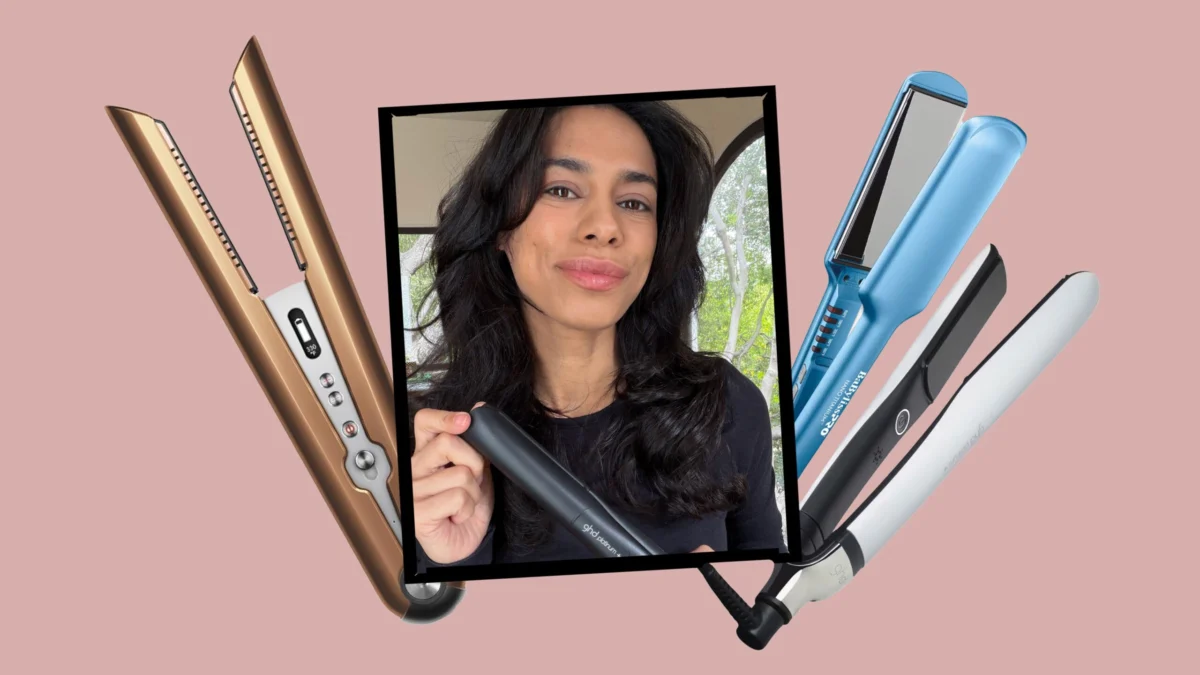
The pursuit of sleek, smooth, and perfectly straightened hair is a global beauty ritual, with millions relying on hair straighteners, commonly known as flatirons, to achieve their desired aesthetic. While the allure of a polished finish is undeniable, concerns regarding the potential for heat damage often linger. However, industry professionals emphasize that with the correct techniques, quality tools, and essential protective measures, hair straighteners can be a safe and effective part of a hair care regimen. This comprehensive guide, drawing on insights from leading hairstylists, delves into the science behind hair straightening, optimal usage, damage mitigation strategies, and the crucial factors to consider when selecting the right tool.
The Science of Straightening: Understanding How Flatirons Work
At its core, a hair straightener operates by temporarily altering the molecular structure of hair. Joseph Maine, a Los Angeles-based hairstylist, explains, "Flatirons work by using heated plates to temporarily alter the structure of your hair, making it straight. When you apply the heated plates to your hair, the heat breaks down the hydrogen bonds in the hair’s cortex, causing it to straighten. Once your hair cools down or gets wet, these bonds reform, and your hair goes back to its natural state." This temporary transformation is a key factor in understanding both the efficacy and the potential reversibility of the straightening process. The effectiveness and speed of this process are influenced by the materials used in the flatiron’s plates, such as ceramic, titanium, or tourmaline, each offering distinct heat distribution and performance characteristics.
Prioritizing Hair Health: Essential Safety Precautions
The primary concern for many users is the potential for heat damage. Experts universally agree that implementing a robust preparatory routine is paramount to minimizing this risk. "The key is to use them on dry hair and ideally as a finishing tool," advises Maine. "I typically recommend smoothing with a round brush before straightening. Always apply a heat protectant before styling to shield your strands from high temperatures." This initial step of ensuring hair is completely dry is critical, as applying a straightener to damp hair can lead to rapid evaporation of moisture, causing steam to build up within the hair shaft and resulting in significant damage, including breakage and split ends.
Heat protectant sprays and serums act as a vital barrier between the hair and the high temperatures of the iron. Kaprisha Gipson, a New York City-based hairstylist, likens this protective layer to "a lightweight shield that keeps the cuticle sealed while the heat does its work." By creating this barrier, heat protectants help to prevent excessive moisture loss and reduce the likelihood of hair becoming brittle and prone to breakage. The application should be even, ensuring all strands are coated before any heat styling commences.
Minimizing Heat Damage: Expert Strategies for Optimal Results
Beyond the application of heat protectants, several other practices contribute significantly to minimizing heat damage. Devin Toth, a New York City-based hairstylist, stresses the importance of a single pass over each section of hair. "It’s better to go over it once, slowly," he explains. "People tend to have more damage in their face-framing area of hair because they hit it with the iron too many times to get it just right." This methodical approach prevents overexposure of any single hair strand to prolonged heat.
Temperature control is another crucial element. While 365 degrees Fahrenheit is often cited as an optimal temperature to avoid burning, Toth notes that the ideal heat setting is highly dependent on individual hair type and condition. "Fine hair generally needs much less heat than coarse hair or curly textures," explains Eddie Parra, a hairstylist based in New York City. This highlights the necessity of adjustable heat settings on hair straighteners, allowing users to tailor the temperature to their specific hair needs. For instance, fine or color-treated hair may require temperatures as low as 250-300°F, while thicker, coarser, or more resilient hair types might tolerate temperatures up to 400°F.
Furthermore, maintaining clean styling tools is essential. "Also, it’s important to keep the flatiron clean to ensure it heats evenly and doesn’t snag your hair," emphasizes Maine. Buildup from hair products on the plates can create uneven heating and friction, potentially leading to snagging and breakage. Regular cleaning with a damp cloth and a mild cleaning solution can prolong the life of the tool and ensure optimal performance.
Investing in Quality: The Role of Tool Selection
The market is flooded with hair straighteners, with price points varying significantly. However, experts advise that investing in a high-quality tool is crucial for both effective styling and hair health. "Low-quality heated tools (regardless of their price tag) can quickly lead to scorched strands and breakage. When it comes to a searing-hot device you’re sandwiching your delicate strands between, it’s worth investing in quality," the article states.
Key features to consider in a quality hair straightener include multiple heat settings, which allow for customization based on hair type, and plate materials. The two most prevalent plate materials are ceramic and titanium, each offering distinct advantages.
Ceramic Plates: Gentle and Even Heat Distribution
Ceramic plates are lauded for their gentleness and ability to distribute heat evenly, reducing the risk of "hot spots" that can cause localized damage. Parra notes, "Ceramic plates reduce the risk of hot spots that can burn the hair." This even heat distribution makes ceramic an excellent choice for all hair types, particularly for those with fine, fragile, or chemically treated hair. The smooth surface of ceramic plates also contributes to a sleek finish with less friction.
Titanium Plates: Speed and Intense Heat for Resilient Hair
Titanium plates, on the other hand, are known for their rapid heating capabilities and ability to deliver intense heat quickly. "Titanium plates deliver smooth and shiny hair that is noticeable under any lights; they deliver heat very quickly, and usually a professional would use these types of straighteners," explains Luis. While this rapid heating can lead to faster straightening, especially for thick or coarse hair, it can also be too aggressive for finer hair types. Therefore, titanium plates are generally recommended for individuals with thicker, more resilient hair that can withstand higher temperatures without significant damage.
Choosing the Right Straightener for Your Hair Type
The selection of a hair straightener should be a personalized decision, taking into account individual hair characteristics and styling preferences. "For fine or damaged hair, look for a flatiron with adjustable heat settings to prevent overheating—ceramic plates are great for even heat distribution without getting too hot," advises Maine. For those with thicker or coarser hair, a straightener with titanium plates might be more suitable due to their ability to handle higher heat and effectively manage frizz.
Beyond plate material and heat settings, plate size and shape also play a significant role. Toth explains, "The wider the plate, the straighter the hair will look. So if you like to really bend and bevel the ends of your hair, then choose a narrower plate." Wider plates are efficient for straightening larger sections of hair, making them ideal for those with thick or long hair. Conversely, narrower plates offer greater precision for detailed styling, such as creating waves, curls, or working with shorter hair lengths and bangs.
Another important consideration is the design of the plate edges. Maine points out, "If the plates of the flatiron are slightly protruding out of the iron and the edges of the plates are beveled, then you will be able to effortlessly make curls with this tool. If the plates are not protruding with beveled edges, then the iron is mainly designed for straightening hair." This feature is crucial for users who desire versatility in their styling, enabling them to achieve both sleek straight looks and sculpted curls or waves with a single tool.
Broader Impact and Industry Standards
The widespread use of hair straighteners has influenced beauty trends and the development of hair care products. The emphasis on heat protection has spurred innovation in heat protectant formulations, with advancements in ingredients that offer not only thermal protection but also conditioning and shine-enhancing benefits. The evolution of straightener technology, from basic heated tools to sophisticated devices with advanced temperature regulation and specialized plate materials, reflects a growing understanding of hair science and a commitment to user safety and efficacy.
The industry’s commitment to educating consumers on safe usage practices is evident through the proliferation of online tutorials, expert advice shared across beauty platforms, and the inclusion of detailed instructions with product packaging. This collective effort aims to empower individuals to achieve their desired hairstyles while prioritizing the long-term health and integrity of their hair.
The development of these tools and the accompanying educational resources are often driven by rigorous testing and review processes. Publications like Allure, for instance, employ a diverse range of testers with varying hair types, textures, and concerns to thoroughly evaluate the performance, safety, and ease of use of hair care products and tools. This meticulous approach ensures that recommendations are based on real-world experiences and provide consumers with reliable guidance in their purchasing decisions. The industry’s dedication to this level of scrutiny underscores the importance placed on consumer well-being and satisfaction.
In conclusion, while the use of heat styling tools inherently carries some risk, a deep understanding of the technology, diligent application of protective measures, and a conscious selection of high-quality tools can transform hair straightening from a potentially damaging practice into a safe and effective method for achieving polished and desirable hairstyles. By embracing expert advice and prioritizing hair health, individuals can confidently navigate the world of heat styling and master their manes.
