
 By admin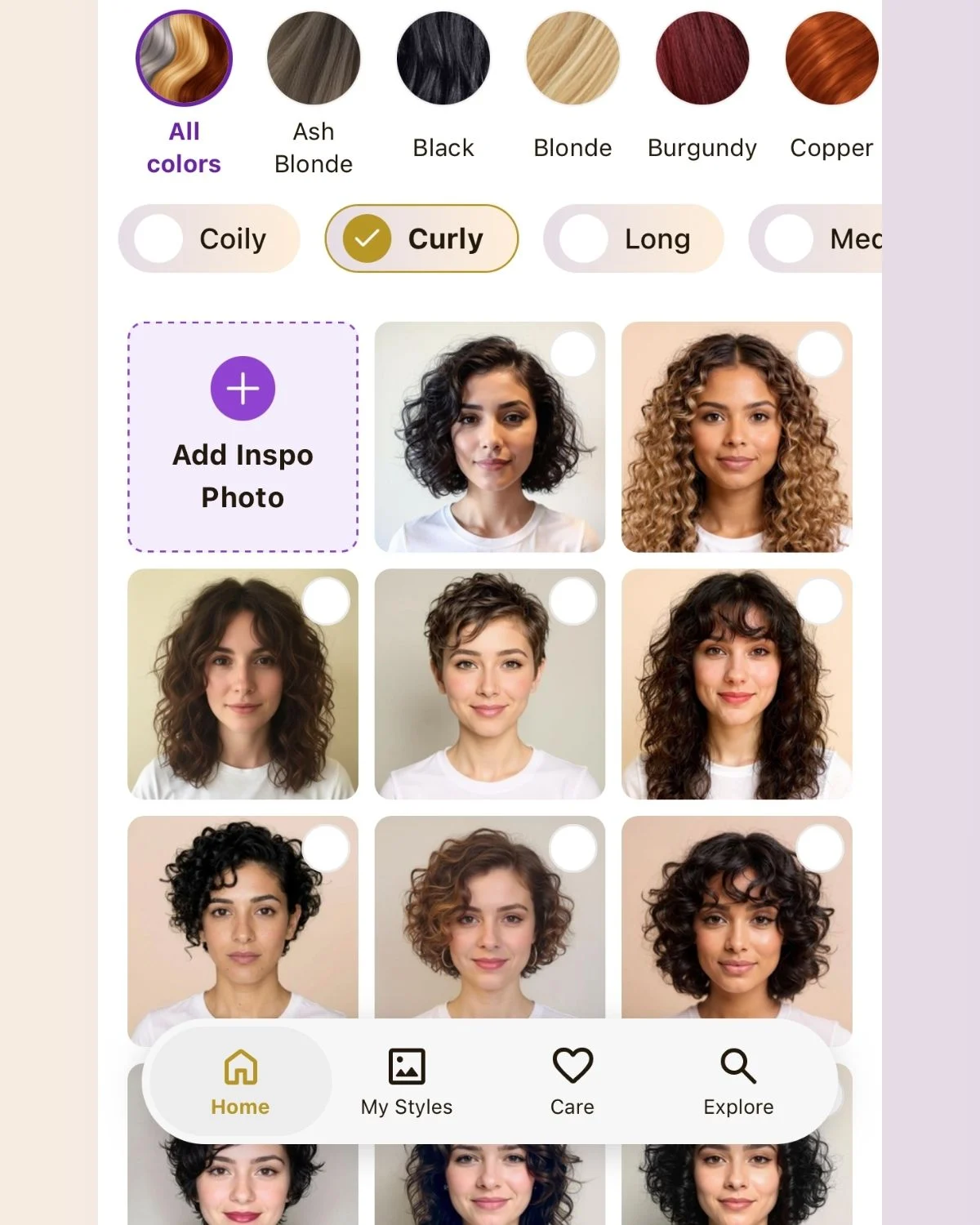
A perm is a significant hair transformation, and the decision to undergo the chemical process should be as informed as it is exciting. This comprehensive guide delves into the realities of perms, moving beyond aesthetic aspirations to offer a pragmatic framework for assessing suitability, understanding the long-term commitment, and mitigating potential disappointment. It examines the crucial interplay between hair health, lifestyle, and the inherent maintenance demands of permed hair, contrasting it with the art of enhancing natural texture. From initial self-assessment to post-salon care, this article provides the essential knowledge for anyone considering a perm, aiming to equip readers with a clear-eyed perspective before booking an appointment.
Is a Perm Right for You? A Self-Diagnostic Approach
The common query, "Should I get a perm?" often masks a deeper concern: "Will I regret this decision in a matter of weeks?" A perm fundamentally alters how your hair behaves daily, impacting its appearance in the shower, during humid weather, and even during physical activity, for an extended period. Unlike a haircut, a perm cannot be easily undone; its removal necessitates either a lengthy grow-out phase or a significant cutting process. Before delving into technicalities like rod sizes or specific perm types, a candid self-assessment is paramount. Consider the following table as a crucial starting point for evaluating your current hair situation and lifestyle:
| Your Situation | Go Ahead? | What to Do First |
|---|---|---|
| Hair has never been bleached or chemically treated; ends feel healthy | Yes | Book a consultation and request a strand test before the full service. |
| Hair was bleached, highlighted, or relaxed in the last 6 months | Maybe | Discuss gentler perm strengths and conduct a strand test with your stylist. |
| You wash and air-dry most days, with minimal heat styling | Yes | A loose to medium wave will integrate seamlessly into your current routine. |
| You blow-dry and flat-iron daily and wish to maintain this habit | Maybe | A perm can counteract daily heat styling; consult your stylist about a looser pattern. |
| You have scalp conditions (psoriasis, eczema) or a recent chemical service | No | Address scalp issues first and revisit the perm decision in a few months. |
This initial assessment helps to identify potential red flags or areas requiring careful consideration. The health of your hair is the primary determinant of how well it will tolerate the chemical process and the subsequent styling.
The Evolution of Perms: Who Benefits from Modern Texturizing
Contemporary perms bear little resemblance to the rigid, often unnatural-looking curls of past decades. Modern perms leverage a sophisticated array of rod sizes and application techniques, allowing stylists to achieve a spectrum of textures, from effortless beach waves to meticulously defined ringlets. This evolution means the ideal candidate for a perm is no longer a monolithic profile but rather dependent on the desired outcome.
Ideal Candidates for a Modern Perm:
-
Straight, Fine-to-Medium Hair Prone to Falling Flat: For individuals whose hair lacks natural structure and loses volume shortly after styling, a perm offers enduring lift and body without the daily reliance on heat tools. Fine hair, in particular, can benefit immensely, as the added texture creates an illusion of density that cannot be replicated by artificial styling. Data from salon booking platforms like Booksy indicates a consistent demand for perms among clients seeking to combat limpness and add natural-looking volume.

-
Short Hair Requiring Enhanced Texture and Definition: A perm can be the defining factor between a short haircut that appears intentionally styled and one that seems to be in a perpetual state of growth. For styles such as bobs or pixies, perms can introduce essential texture and shape, preventing a flat or shapeless appearance. Resources dedicated to short hair perms often highlight the effectiveness of specific curl sizes in maintaining definition on cropped lengths.
-
Individuals Embracing a "Wash-and-Go" Lifestyle: For those who prefer a low-maintenance routine of washing and air-drying, a perm can provide actual, lasting shape instead of limp strands. However, this approach is less suitable for individuals who habitually use a flat iron daily. A thorough comparison of perm maintenance versus styling natural texture is crucial for this group.
Who Should Reconsider a Perm: Essential Caveats
This critical section addresses the often-overlooked aspects that can lead to perm-related regret. A perm is a chemical service applied to hair that may have already undergone various treatments. Certain pre-existing conditions render hair ill-suited for further chemical processing, making a perm a potentially damaging choice.
-
Severely Damaged or Over-Processed Hair: Hair that has been extensively bleached, highlighted, relaxed, or permed multiple times can be fragile and lack the elasticity to withstand the perm solution. Attempting a perm on such hair significantly increases the risk of breakage, split ends, and an undesirable texture.
-
Recent Chemical Treatments: If you have recently dyed, bleached, or chemically straightened your hair, it is advisable to wait. Hair needs time to recover from one chemical process before undergoing another. The cumulative stress can compromise hair integrity.
-
Certain Scalp Conditions: Active scalp conditions like eczema or psoriasis can be exacerbated by perm chemicals. It is essential to treat these conditions and achieve a healthy scalp environment before considering a perm.
-
Unrealistic Expectations for Low Maintenance: While perms reduce daily styling time, they are not entirely maintenance-free. They require specific products and care routines. If you are seeking a completely hands-off hair solution, a perm might not be the best fit.

These factors do not necessarily mean a perm is off the table permanently. Often, the timing of the service is more critical than the desired curl pattern itself. Patience and strategic hair health management can open the door to a perm in the future.
The Perm’s Lifespan: A Month-by-Month Journey Through the "Regret Window"
A significant contributor to perm regret is a lack of understanding regarding the service’s natural progression and eventual fade. Most perms follow a predictable timeline, and awareness of these stages can help manage expectations.
-
Day One: The Initial Transformation: Immediately after the perm, curls are at their tightest and most defined, having just been released from the rods and neutralized. This is often the most dramatic phase.
-
Weeks Two to Six: Settling In: As the hair adjusts and salon-grade neutralizers are replaced by your regular hair care products, the curl pattern begins to relax slightly. This period allows the curls to soften and integrate more naturally.
-
Months Two to Four: The "Peak Perm" Phase: This is typically the most satisfying period for perm clients. The curls have settled into a consistent and manageable pattern that many perceive as their own natural texture. Maintenance friction is often at its lowest during these months.
-
Months Four to Six: The Transition and Grow-Out: As new, unpermed hair grows from the roots, a visible line of demarcation begins to appear between the curly ends and straight roots. This is the stage where many clients consider a root touch-up perm or decide to let the entire perm grow out.
According to data compiled by StyleSeat, a leading platform for salon services, the average cost of a perm can range broadly from $30 to $800, heavily influenced by hair length, the complexity of the technique employed, and the salon’s tier. For those aiming to maintain the permed look beyond the four-month mark, budgeting for at least one follow-up appointment is a prudent financial consideration. Most perms, when cared for properly, maintain their distinct shape for approximately three to six months, a duration that can be influenced by individual hair type and the frequency of washing, as noted in industry reports from platforms like Booksy.

Perm Maintenance vs. Nurturing Natural Waves: A Comparative Analysis
For individuals who already possess some natural wave or curl, the decision to perm involves weighing the commitment of chemical processing against the effort of styling existing texture. This comparison highlights the distinct demands and rewards of each approach over a typical six-month period.
| Aspect | Chemical Perm | Styled Natural Wave |
|---|---|---|
| Upfront Cost | $30-$800 for the initial service | $0-$30 for texturizing sprays or curl creams |
| Daily Styling Time | Low once set; occasional refresh with diffuser | 10-20 minutes with a wand or braid-and-release method |
| Reversibility | Only by cutting out or growing out over months | Washes out the same day if you change your mind |
| Consistency | Predictable curl pattern each wash; minimal skill | Varies with technique, humidity, and product layering |
The choice often hinges on priorities. If consistent, effortless curl is the primary goal, a perm generally offers a more reliable outcome. However, if there is uncertainty about whether curls suit one’s aesthetic, experimenting with styling tools to enhance natural texture is a lower-risk introductory step. Exploring galleries of short wavy hairstyles or natural curly hairstyles can provide inspiration and insight into what is achievable without chemical intervention.
Visualizing Your Future Texture: AI-Powered Previews
Before committing to the chemical transformation of a perm, visualizing the potential outcome on one’s own features is an invaluable step. Advanced AI hairstyle try-on tools offer a realistic preview of different curl patterns and volumes, helping to bridge the gap between imagination and reality.
TheRightHairstyles’ interactive quiz, for instance, analyzes facial features, hair type, and lifestyle to generate AI-recommended hairstyles. Users can upload a selfie and explore personalized matches, previewing specific wave and curl patterns. This technology provides credits for further experimentation within a virtual styler, allowing for a more granular exploration of different looks. For those focused solely on experimenting with various curl sizes and patterns, specialized AI perm filter guides are available. These tools allow users to digitally test everything from loose beach waves to tight curls on their own photographs. A comparative review of virtual try-on tools and apps can also guide users in selecting the most suitable platform. For ongoing exploration and spontaneous experimentation, the HairHunt app integrates this try-on technology into a mobile format, accessible anytime.
While AI previews are powerful planning tools, it is crucial to remember they are visualizations and cannot perfectly replicate the unique behavior of an individual’s hair in varying environmental conditions or over extended periods. The decision to perm should ultimately be grounded in an honest assessment of one’s hair condition and lifestyle, rather than solely on idealized digital representations.
Essential Consultations: What to Ask Your Stylist
A successful perm experience hinges on clear communication with your stylist. Understanding key terminology and asking pertinent questions can prevent misunderstandings and ensure the desired results.
-
Perm Type: Inquire about the difference between a cold perm, which is processed at room temperature and typically yields looser, gentler waves, and a digital perm, which involves heat during processing for more defined and longer-lasting curls, particularly effective on straight or coarse hair.

-
Reference Images: Bring clear reference images that depict the desired curl size and the specific volume you envision at the roots versus the ends.
-
Hair Condition Assessment: Directly ask your stylist if your hair’s current condition can support the strength and type of perm you are requesting.
-
Strand Test: Even if not proactively suggested, request a strand test on a small, inconspicuous section of your hair. This preliminary step, typically adding only 20 minutes to the appointment, provides crucial insight into how your hair will react to the perm solution before the entire head is treated.
Frequently Asked Questions About Perms
How long does a modern perm typically last?
The longevity of a perm generally spans three to six months. Perms focused on the root area may fade sooner as new, unpermed hair grows in. Factors such as hair type, washing frequency, and the products used all play a role in the duration of the perm’s effect.
What are the potential risks of hair damage from a perm?
Any chemical perm inherently alters the hair’s internal bonds, introducing a degree of stress. Healthy hair typically tolerates this process well. However, hair that is already compromised by bleaching, relaxing, or inherent brittleness faces a significantly higher risk of breakage.
Is it safe to dye hair after getting a perm?
Yes, but with a recommended waiting period. Most stylists advise waiting two to three weeks post-perm to allow the hair to recover before undergoing another chemical service. Coloring too soon can increase the likelihood of dryness and uneven color absorption.
What distinguishes a digital perm from a cold perm?
A cold perm utilizes a chemical solution at ambient temperature, generally resulting in looser, more relaxed waves. A digital perm incorporates heat during the processing stage, leading to more defined and enduring curls, especially beneficial for straight or coarse hair textures.

Is a perm a beneficial option for fine hair?
Frequently, yes. Fine hair often lacks volume and can greatly benefit from the lift and perceived density a perm provides. However, it is advisable to opt for a gentler perm solution and smaller processing sections, as fine strands can be more susceptible to over-processing compared to coarser hair types.
Can I preview how a perm will look before committing?
AI hairstyle try-on tools can offer a preview of the general curl pattern and volume, aiding in decisions about shape and size. However, these tools cannot precisely predict how an individual’s hair will react to environmental factors like humidity or how it will evolve over time. Therefore, these previews should be treated as planning aids rather than definitive guarantees.
Ultimately, the decision to get a perm should be guided by the actual condition of your hair and your realistic daily routine, rather than solely by the visual appeal of curls in someone else’s photograph. By honestly evaluating your hair’s health, understanding the timelines involved, and utilizing preview tools, you can approach the salon with informed expectations and a clear vision for your hair transformation.
Disclaimer: Hair results are subject to individual hair type, texture, density, and condition. AI-generated virtual try-on images are visualizations and cannot guarantee exact professional styling outcomes. Always consult with a licensed hairstylist before undergoing significant hair changes, particularly chemical treatments or substantial alterations in length.
