
 By admin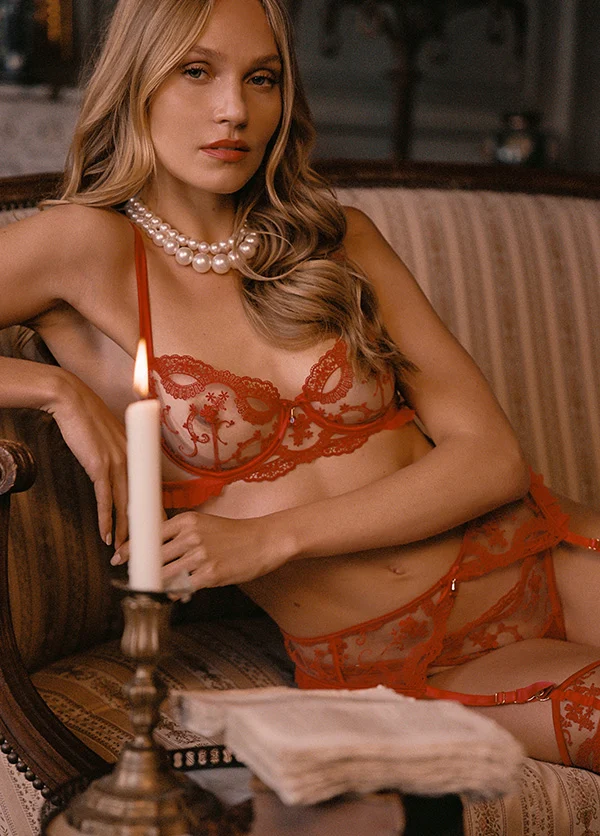
The independent luxury lingerie sector has witnessed a significant shift toward artisanal production and sustainable sourcing, a movement recently joined by the Dutch-based brand Phara d’Or. Launched last year in the Netherlands, Phara d’Or represents a strategic effort to bridge the gap between time-honored European garment-making traditions and the evolving aesthetic demands of the contemporary consumer. By focusing on a "100% Made in Europe" philosophy, the brand has positioned itself within the premium niche of the fashion industry, emphasizing quality over quantity and longevity over seasonal trends. The brand’s arrival comes at a time when the global luxury lingerie market is increasingly scrutinized for its environmental impact and manufacturing ethics, prompting a return to localized, small-batch production models.
The Foundation of Phara d’Or: A Commitment to European Excellence
Phara d’Or was established with a clear mandate to uphold the standards of European craftsmanship while addressing the modern woman’s need for versatile, comfortable, and expressive intimate apparel. The founders identified a void in the market for lingerie that combines the romanticism of classic European design with the structural integrity required for daily wear. To achieve this, the brand bypassed mass-production facilities in favor of a specialist atelier located in Portugal.
Portugal has long been recognized as a hub for high-end textile manufacturing, particularly in the regions of Porto and Braga, where technical expertise in delicate fabrics is passed down through generations. By utilizing a specialist atelier, Phara d’Or ensures that every piece—from the intricate Juliette range to the minimalist Kate collection—undergoes rigorous quality control that is difficult to maintain in large-scale factories. This choice is not merely aesthetic but also logistical; small-batch production allows for a more agile response to market demand and significantly reduces the waste associated with overstocking, a common issue in the fast-fashion industry.
Design Philosophy: Prioritizing the Sensory Experience
At the core of the Phara d’Or design process is a fundamental question: "How will this feel to wear?" This focus on the sensory experience differentiates the brand from competitors that may prioritize visual impact at the expense of physical comfort. The founders have stated that the goal is for the customer to feel both confident and comfortable, a dual objective that requires an exacting selection of raw materials.
The brand’s use of satin is a primary example of this material-first approach. Rather than using standard synthetic blends, Phara d’Or selects satins characterized by an exceptionally silky feel and fluid movement, allowing the fabric to drape naturally against the body. Similarly, the embroidered tulle used across their collections is chosen for its softness. While tulle is often associated with stiffness or irritation, the varieties utilized by Phara d’Or are designed to be breathable and light, providing the necessary structure for a luxury garment without compromising the wearer’s skin comfort.
This attention to detail extends to the technical components of the garments. Recognizing that women’s bodies are dynamic, Phara d’Or integrates size flexibility into its designs. Many pieces feature waistbands and bra straps equipped with fine-tuned sliders rather than the traditional three-column hook-and-eye closures. This innovation allows for a more precise fit, accommodating subtle changes in body shape over time. This design choice aligns with the "slow fashion" movement, encouraging consumers to view lingerie as a long-term investment rather than a disposable item.
Collection Overview: From Fiery Red to Minimalist Chic
The debut of Phara d’Or features three distinct lingerie ranges and a specialized swimwear collection, each catering to different facets of modern femininity.
The Juliette Collection
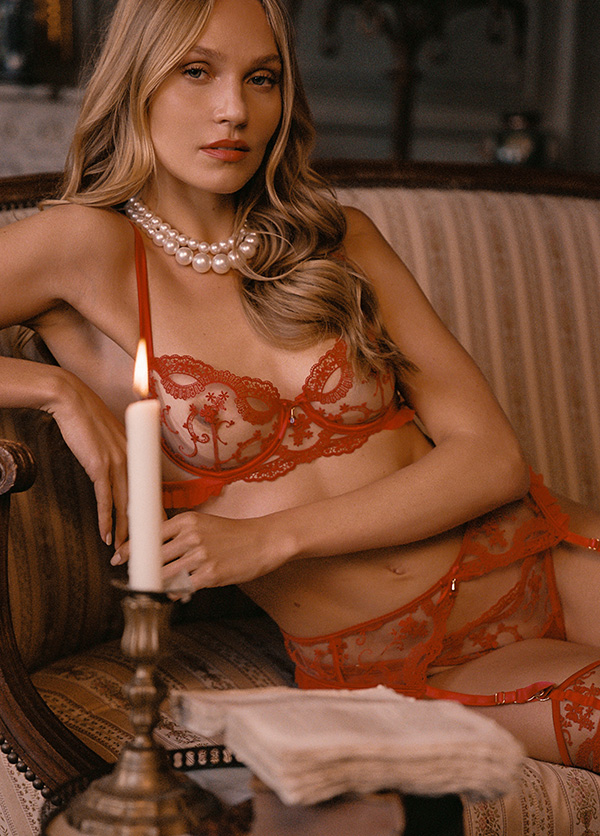
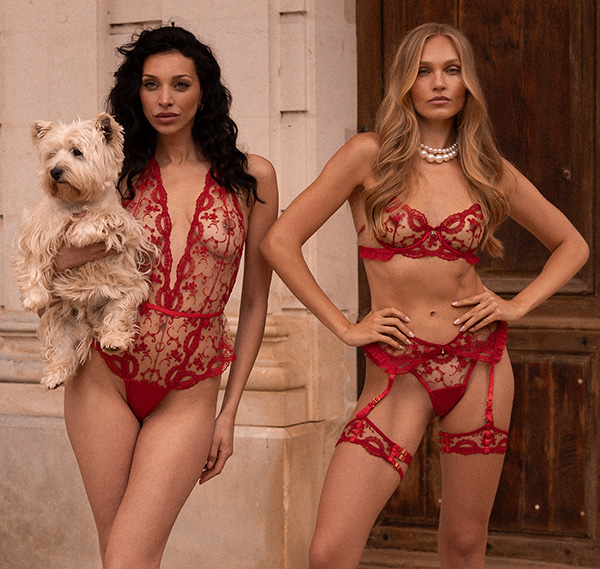
The Juliette range has emerged as the brand’s most commercially successful line to date. Defined by its "fiery-red" palette, the 8-piece collection utilizes embroidered tulle with satin accents. The design language of Juliette is overtly romantic, incorporating feminine details such as ruffled trims and crystal droplets. Retailer feedback suggests that the collection’s success is rooted in its ability to serve as "expressive" lingerie—pieces that feel powerful when worn privately but are also sophisticated enough to be integrated into broader fashion looks, such as under sheer blouses or tailored blazers.

The Valerie Collection
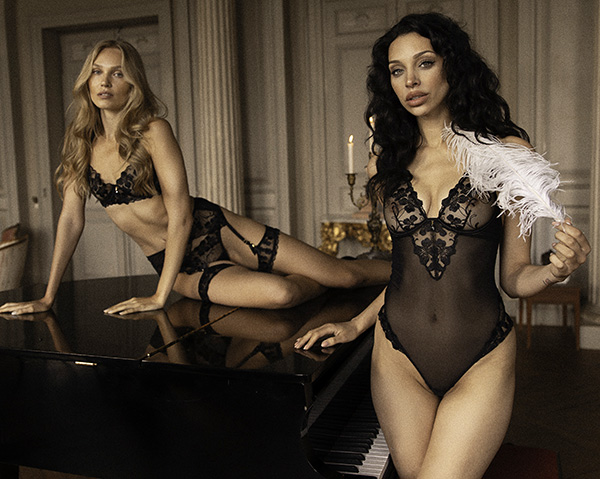
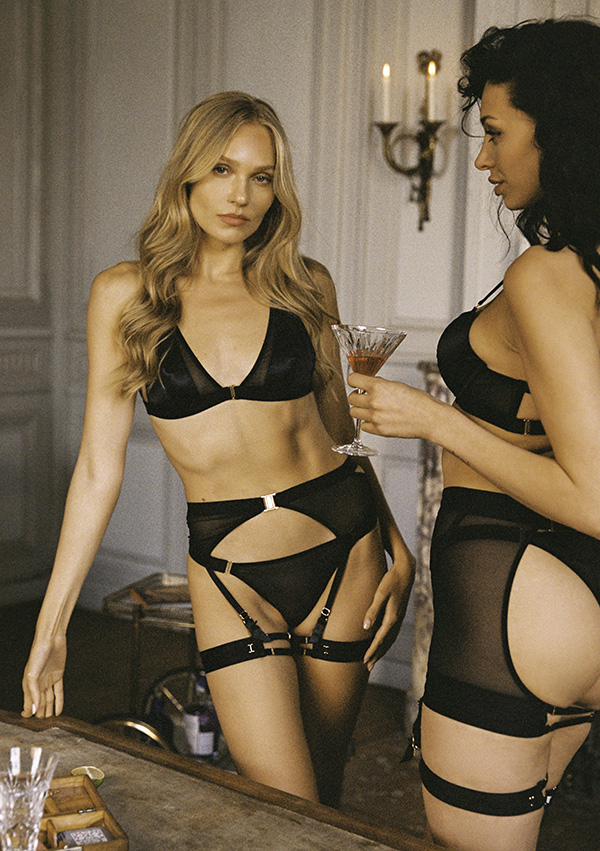
In contrast to the boldness of Juliette, the Valerie collection offers a more classic, polished aesthetic. Centered on black embroidery and satin, this range is designed for timeless elegance. It includes a matching wrap robe, signaling the brand’s expansion into the luxury loungewear and nightwear space. Valerie appeals to the consumer looking for "polished" intimacy, where the garment serves as a staple of a sophisticated wardrobe.
The Kate Collection
The Kate collection represents the brand’s contemporary edge. Characterized by graphic, streamlined silhouettes, Kate utilizes a minimal combination of satin and mesh. This range is targeted at the modern minimalist who values structure and clean lines. The "Kate" aesthetic reflects the broader industry trend of "innerwear as outerwear," where the architectural elements of the lingerie are intended to be seen and appreciated as part of a styled ensemble.
The Monaco Swimwear Range
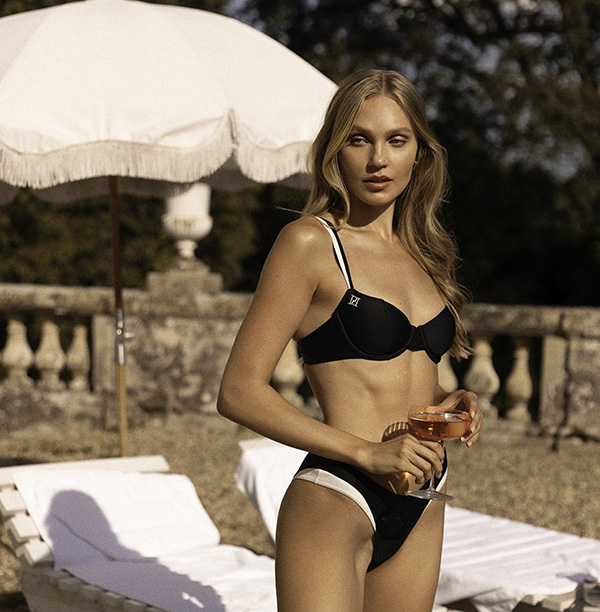
Rounding out the debut is the Monaco swimwear collection. By applying the same luxury construction techniques used in their lingerie to swimwear, Phara d’Or offers a cohesive brand experience. The swimwear maintains the brand’s commitment to "modern femininity," ensuring that the pieces are sensual yet functional for active use.
Market Context and Economic Implications
The launch of Phara d’Or occurs within a complex global economic landscape. The luxury lingerie market, valued at approximately $27 billion in 2023, is projected to grow as consumers shift their spending toward high-quality, durable goods. However, independent brands face significant hurdles, including rising raw material costs and the dominance of established luxury conglomerates.
By positioning itself in the mid-to-high luxury price bracket—with bras starting at $155 and nightwear at $250—Phara d’Or is targeting a specific demographic: the "conscious luxury" consumer. This individual is less influenced by brand logos and more motivated by the provenance of the garment, the ethics of its production, and the quality of the materials.
Phara d’Or’s decision to remain 100% European-made is a strategic move to capitalize on the "Made in Europe" prestige, which remains a powerful marketing tool in North American and Asian markets. Furthermore, the brand’s size range, which spans from 32B to 38DD and XS to XL, reflects a commitment to inclusivity, though there is potential for further expansion as the brand scales.
Supporting Data: The Rise of Slow Fashion in Intimates
Recent consumer data indicates a growing preference for "slow fashion" in the intimate apparel sector. A 2023 industry report noted that 62% of luxury consumers now consider a brand’s manufacturing location and labor practices before making a purchase. Phara d’Or’s use of a Portuguese atelier directly addresses these concerns.
Additionally, the "work-from-home" shift and the blurring of lines between loungewear and professional attire have increased demand for "comfortable luxury." The integration of sliders for fit adjustment and the focus on breathable tulle are direct responses to this trend. By offering garments that do not "annoy" the wearer, Phara d’Or is tapping into a market that prioritizes daily well-being alongside aesthetic appeal.
Broader Impact and Future Outlook
The emergence of Phara d’Or highlights a broader trend of "micro-luxury" brands that prioritize craft over mass-market reach. As the brand continues to establish its footprint, its success will likely depend on its ability to maintain the high standards of its Portuguese production while expanding its global distribution.
Industry analysts suggest that the "Juliette" effect—where a single, bold collection drives brand recognition—is a proven strategy for independent labels. If Phara d’Or can continue to innovate with technical solutions like its adjustable fit systems, it may set a new standard for how luxury lingerie brands approach the longevity of their products.
In an era where the fashion industry is often criticized for its environmental footprint, Phara d’Or’s commitment to small batches and European sourcing provides a blueprint for how new entries can navigate the market responsibly. The brand’s philosophy that lingerie should be "expressive rather than purely functional" resonates with a generation of women who view their clothing as an extension of their identity and values.
For those interested in exploring the collection or establishing retail partnerships, Phara d’Or maintains an active digital presence through its official website (pharador.com) and social media channels. The brand’s trajectory will be a significant indicator of the health and direction of the independent European luxury sector in the coming years.
