
 By Jia Lissa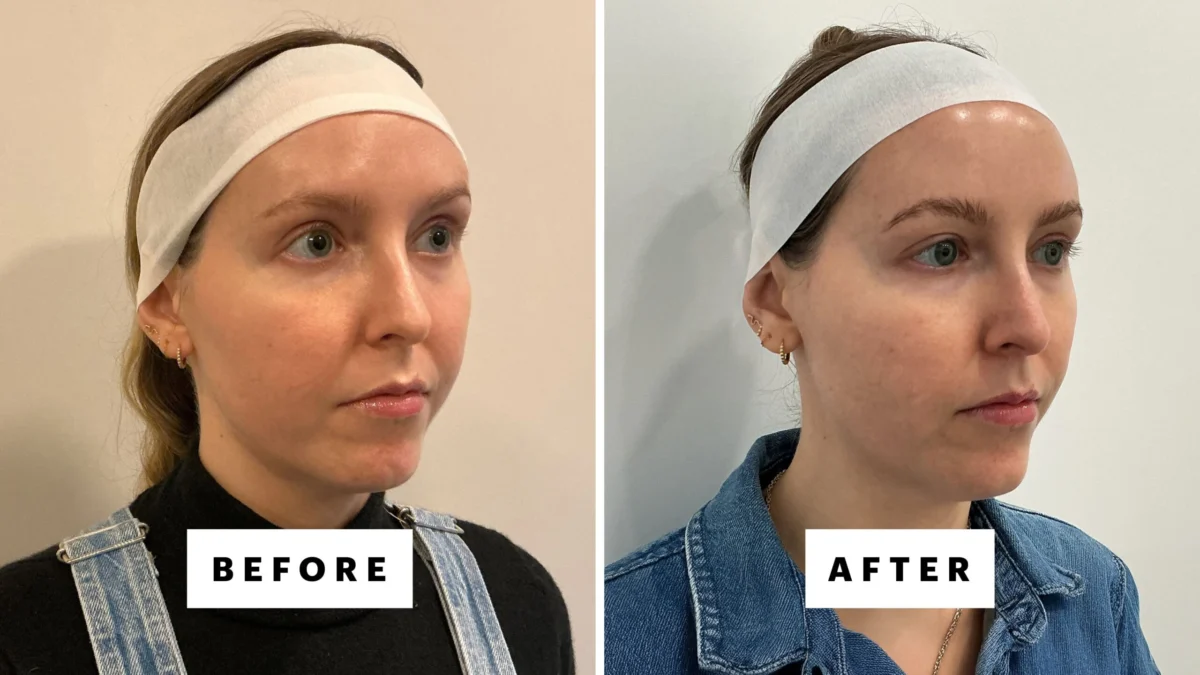
The landscape of aesthetic medicine is continually evolving, with new technologies emerging to address the persistent human desire for smoother, firmer, and more youthful-looking skin. Among the latest innovations to gain traction in the United States is XERF, a radio-frequency (RF) skin-tightening device that has rapidly captured attention since its FDA clearance last August. Developed by Cynosure Lutronic, a company with a robust portfolio of aesthetic lasers and hair removal devices, XERF represents a refinement of existing RF technology, promising enhanced efficacy through a unique dual-frequency approach.
The initial introduction of XERF to the global market occurred in South Korea in early 2024, quickly garnering popularity in a region known for its advanced skincare and aesthetic treatments. Its subsequent FDA clearance for use in the U.S. marked a significant milestone, opening the door for American consumers and practitioners to experience its purported benefits. It is important to note that medical devices, unlike pharmaceutical drugs, undergo an FDA clearance process rather than an approval process. Clearance requires demonstrating minimal risk or substantial equivalence to an existing, cleared device, while approval necessitates proof of both minimal risk and meaningful benefit.
The buzz surrounding XERF has been amplified by its adoption by public figures, most notably Kim Kardashian, who has previously been instrumental in popularizing other skin-tightening technologies like Morpheus8 and Sofwave. While the extent of celebrity endorsements can sometimes be a subject of debate regarding their organic nature, their influence in shaping consumer perception and driving market demand is undeniable. For many, the allure of celebrity endorsement, coupled with the promise of advanced technology, creates a compelling narrative around new aesthetic treatments.
For individuals seeking non-invasive solutions to combat the visible signs of aging, such as fine lines, wrinkles, and mild skin laxity, XERF presents itself as a potentially transformative option. The device’s design aims to stimulate collagen production and remodel existing elastin, thereby improving skin elasticity and firmness without the need for surgical intervention or significant downtime.
Understanding XERF Technology: A Deeper Dive
XERF, an acronym for eXperience Exponential RF, operates on the principle of monopolar radio-frequency energy delivery. This means that energy is emitted from a single treatment tip and travels through the skin to a grounding pad placed elsewhere on the body. This unidirectional flow of energy allows for deeper penetration into the dermal layers compared to some other RF systems.
What distinguishes XERF from many of its predecessors is its utilization of dual frequencies: 6.78 MHz and 2 MHz. This dual-frequency approach enables the device to deliver energy to multiple depths within the skin simultaneously. The 6.78 MHz frequency targets the superficial layers, promoting skin tightening, while the lower 2 MHz frequency penetrates deeper into the subcutaneous tissue, where collagen is primarily produced. This multi-depth heating mechanism is designed to maximize the stimulation of collagen remodeling and elastin regeneration.
Dr. Jenna Queller, a board-certified dermatologist in Boca Raton, Florida, explains the scientific advantage: "In monopolar systems, energy travels from a single treatment tip into the deeper layers of the skin and exits through a grounding pad placed elsewhere on the body. This allows for deeper penetration of heat compared to other [systems]. What makes XERF unique and, honestly, quite interesting from a science standpoint, is that it uses dual frequencies—6.78 MHz and 2 MHz—to deliver energy at multiple depths of the skin simultaneously."
However, some experts emphasize that while XERF represents an evolution, the underlying technology is not entirely novel. Dr. Shereene Idriss, a board-certified dermatologist in New York City, notes, "It’s a refinement of existing radio-frequency technology in which they’re delivering radio-frequency energy from the surface of the skin using two frequencies intended to heat multiple tissue depths simultaneously. In her opinion, though, ‘this is not exactly a brand-new scientific breakthrough. Radio-frequency energy has been used for many, many years, if not decades at this point.’"
This perspective highlights the iterative nature of technological advancement in the aesthetic field, where incremental improvements can lead to significant clinical benefits. The dual-frequency application is a key differentiator, aiming to address both superficial tightening and deeper structural support.
The XERF Treatment Experience: Minimizing Discomfort
A notable aspect of the XERF treatment, as experienced by beauty editor Sarah Kinonen, is its reported lack of the need for topical numbing agents, a common requirement for more invasive RF treatments. This is attributed to the device’s cooling mechanism, which emits a cooling gas alongside the heat generated by the RF energy. This feature aims to enhance patient comfort, making the procedure more palatable, particularly for those with a lower pain tolerance or a history of discomfort with similar treatments.

The treatment involves the application of a conductive gel to the skin, followed by the device’s handpiece. The handpiece is moved across the treatment area, delivering controlled RF energy. Patients typically feel a warming sensation, described as akin to a warm stone massage. The grounding pad, often humorously referred to as a "human battery pack," is essential for completing the circuit and ensuring safe energy delivery.
During a typical session, a significant number of pulses are delivered to ensure comprehensive treatment. For facial applications, this often ranges from 600 to 650 pulses, with additional pulses applied to the neck if included in the treatment plan. The duration of a single session usually spans between 45 minutes to an hour, allowing for thorough coverage of the targeted areas.
Ideal Candidates and Contraindications for XERF
XERF is generally considered suitable for a broad spectrum of skin types and tones, including those with conditions like melasma, where heat can sometimes be a trigger. This inclusivity is a significant advantage in the diverse world of aesthetic treatments.
The ideal candidate for XERF is typically someone experiencing mild to moderate skin laxity, subtle jowling, or the early signs of aging. Individuals who have undergone significant weight loss and are experiencing resultant skin laxity may also benefit, although the degree of improvement will depend on individual skin quality and the extent of weight loss. In cases of more profound skin laxity or volume loss, particularly those associated with rapid weight changes due to GLP-1 medications, a combination approach involving fillers or biostimulatory injectables alongside RF treatments may be more effective.
Conversely, XERF is not recommended for individuals with significant skin laxity characterized by visible skin draping or deep folds, as surgical intervention might be a more appropriate solution. Patients with unrealistic expectations, who anticipate a facelift-like result from a non-invasive treatment, should be carefully managed and counseled. Furthermore, individuals with very little subcutaneous tissue or a predominantly bony facial structure may not be ideal candidates, as there is a theoretical risk of excessive heat application leading to skin burns.
A critical contraindication for XERF, and indeed for all energy-emitting devices, is the presence of implanted electronic medical devices, such as pacemakers or defibrillators. In such cases, the potential risks associated with electromagnetic interference outweigh any potential aesthetic benefits.
Post-Treatment Care and Expected Results
Following a XERF treatment, patients may experience mild redness, warmth, or slight swelling, which typically subsides within a few hours to a day. The recommended aftercare protocol generally involves avoiding excessive heat, continuing with a gentle skincare routine, and diligently applying sunscreen to protect the treated skin.
The results of XERF treatments are often observed in two phases. Immediately after the procedure, some patients report an initial tightening sensation due to collagen contraction. This effect is temporary but provides an early indication of the treatment’s potential. The more significant and lasting results emerge over the subsequent weeks and months as the skin actively rebuilds new collagen and remodels existing elastin.
To achieve optimal and sustained results, a series of treatments is usually recommended. Cynosure suggests a protocol of two sessions spaced at least one month apart. However, some practitioners, like Dr. Kim, prefer a longer interval between sessions, typically three to six months, to allow for more comprehensive collagen rebuilding. The longevity of results can vary depending on individual factors such as age, skin quality, and lifestyle, but can range from several months to nearly a year after completing a treatment series.
XERF in the Competitive RF Market
The aesthetic market is replete with various RF-based skin-tightening devices, each offering a unique approach. XERF competes with established players like Thermage (monopolar RF), Exilis (RF combined with ultrasound), and RF microneedling devices such as Morpheus8 and Secret Cutera.
While Thermage also utilizes monopolar RF, XERF’s dual-frequency technology is presented as an advancement, enabling simultaneous treatment at multiple depths. Dr. Kim suggests, "It’s like Thermage but better." He further contrasts XERF with Ultherapy, a popular ultrasound-based treatment, noting that while XERF doesn’t penetrate as deeply as Ultherapy, it offers a significantly more comfortable experience for many patients who find Ultherapy’s discomfort levels prohibitive, even with numbing cream.

Ultherapy, which uses focused ultrasound energy, is recognized for its ability to target deeper layers of the skin and often requires only a single treatment. It also boasts a longer history in the market, providing a more extensive track record of efficacy and safety. However, the pain associated with Ultherapy remains a significant consideration for many.
The effectiveness of XERF in comparison to these established devices is an ongoing area of observation. While direct head-to-head clinical studies comparing XERF to other RF devices are limited, XERF’s unique multifrequency capability sets it apart.
The Role of Marketing and Consumer Awareness
The rapid visibility of new technologies like XERF in the media and on social platforms is often driven by significant marketing efforts. Dr. Idriss advises consumers to approach such introductions with a critical eye: "When consumers start hearing about new devices on the market, instead of jumping to, ‘Should I get this?’ they should first ask themselves, ‘Why am I seeing so much about this now?’ Because the visibility that companies create [through marketing] also creates the perception that a device is revolutionary, even when or if the underlying technology is just an iteration of something that has already existed. It doesn’t always correlate with clinical superiority." This perspective underscores the importance of discerning between genuine technological advancement and effective marketing campaigns.
Synergistic Treatments: Enhancing Outcomes
XERF can be effectively integrated into a comprehensive aesthetic treatment plan. Its ability to improve skin structure and firmness makes it a complementary treatment for injectables such as neuromodulators (e.g., Botox) to address dynamic wrinkles, and fillers or biostimulatory agents to restore lost volume. Additionally, it can be combined with lasers or chemical peels to target pigmentation and textural irregularities.
Some practitioners, like Dr. Kim, are even developing combined protocols. His "Xultherapy" approach pairs XERF with Ultherapy, utilizing each device’s strengths to treat different areas of the face. This strategy aims to provide a more holistic and impactful collagen-building treatment, banking on the combined effects for long-term skin rejuvenation. The decision to combine treatments should always be made in consultation with a qualified dermatologist, ensuring a personalized approach tailored to individual needs and goals.
Investment in Rejuvenation: Cost Considerations
The financial investment for XERF treatments can be substantial. According to the device manufacturer, the average cost for a full series of two treatments is approximately $2,000. However, actual pricing will vary based on geographical location, the specific provider’s expertise, and the number of sessions required. In high-cost metropolitan areas like New York City, prices may exceed this average. This cost factor is a crucial consideration for individuals planning to incorporate XERF into their long-term skincare regimen, as consistent maintenance treatments are often necessary to sustain results.
Personal Experience and Observed Results
Initial reports from users suggest promising outcomes. For instance, beauty director Sarah Kinonen documented her experience with XERF, noting a visible improvement in skin texture and firmness following her treatment series. She described an initial lifting effect and a subsequent overall smoother, firmer appearance. Even independent dermatologists observed a positive change in her skin’s tightness and feel.
The observed results, characterized by a smoother and firmer complexion without the significant downtime or side effects associated with some other RF treatments, indicate XERF’s potential as an effective option for skin rejuvenation. However, as with most energy-based aesthetic procedures, XERF is best viewed as part of a long-term skin maintenance strategy rather than a singular, permanent solution. Sustained results typically require ongoing treatment, which necessitates a consistent financial commitment.
The advent of XERF in the U.S. market offers consumers a new, technologically advanced option in the pursuit of non-invasive skin tightening. As the technology matures and further clinical data becomes available, its long-term impact on the aesthetic landscape will become clearer, solidifying its place among the leading rejuvenation treatments.
