
 By Layla Zulfa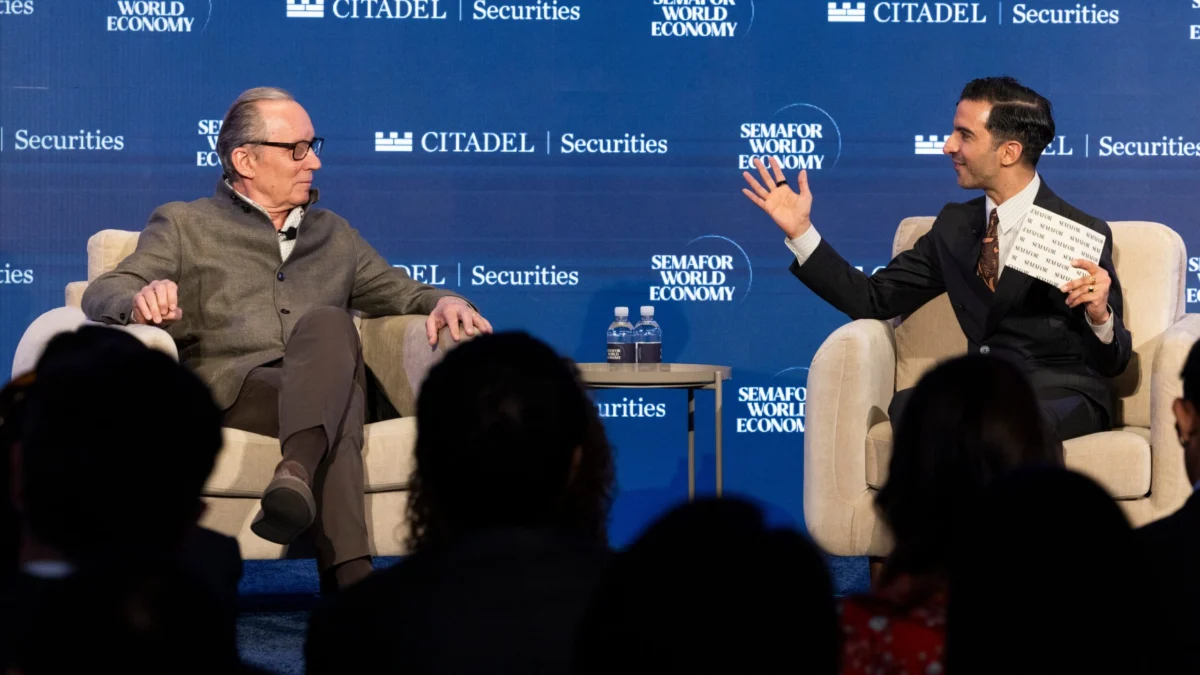
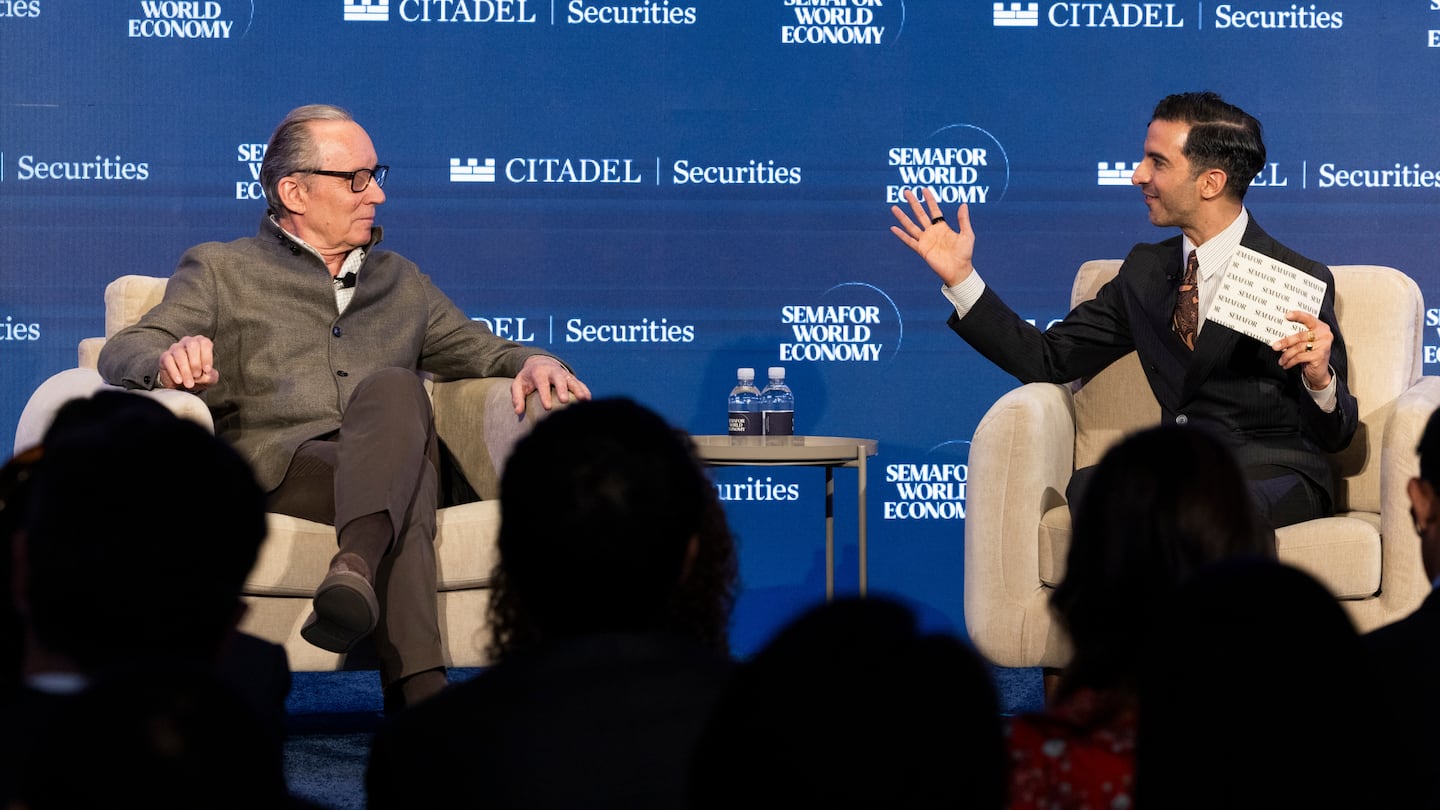
Washington, DC — At the recent Semafor World Economy summit in Washington, DC, the global economic and political elite converged to dissect the most pressing issues shaping the contemporary landscape. Amidst discussions ranging from geopolitical tensions to inflationary pressures, two seemingly disparate yet profoundly influential subjects captured the attention of powerful CEOs and policy leaders: the subtle art of "handbag spotting" as a barometer of economic health and the transformative power of "hyperscalers" in driving technological evolution. Imran Amed, founder and editor-in-chief of The Business of Fashion, reported from the heart of these discussions, shedding light on their significant, often overlooked, implications for the global fashion industry.
Semafor World Economy: A Confluence of Global Influence
The Semafor World Economy event serves as a critical annual forum, drawing together an unparalleled assembly of heads of state, chief executive officers from multinational corporations, central bank governors, and leading academics. Its primary objective is to foster insightful dialogue, challenge conventional thinking, and collectively chart a course for addressing the intricate challenges and opportunities of the global economy. Held against the backdrop of Washington, DC, a nexus of policy and international relations, the summit provides a unique platform for leaders to exchange perspectives on everything from trade policies and climate change to technological innovation and social equity. This year’s agenda was particularly focused on navigating a period of persistent economic uncertainty, supply chain reconfigurations, and rapid technological acceleration, all within a complex geopolitical framework. The presence of figures like Ermenegildo Zegna, CEO of the eponymous luxury fashion house, alongside tech magnates and finance ministers, underscored the increasingly interlinked nature of diverse global sectors.
"Handbag Spotting": Decoding Consumer Sentiment and Luxury Market Trends
The concept of "handbag spotting" transcends mere observation of fashion trends; it functions as an informal yet surprisingly accurate indicator of consumer confidence, discretionary spending, and the overall health of the luxury market. For global leaders and economists, the sales performance and desirability of high-end handbags—often considered investment pieces—offer tangible insights into the economic robustness of various demographics and regions. When consumers, particularly affluent ones, are willing to invest in luxury accessories, it often signals a buoyant economic outlook, stable disposable incomes, and a sense of financial security. Conversely, a slowdown in this segment can portend broader economic caution or contraction.
In the post-pandemic era, the luxury market has experienced significant volatility. Initially, a surge in "revenge spending" fueled robust growth, particularly in categories like leather goods. However, recent data suggests a more nuanced picture. While the ultra-high-net-worth individual segment has largely remained resilient, the aspirational luxury buyer, often more sensitive to economic headwinds, has shown signs of retrenchment. For instance, reports from major luxury conglomerates in late 2023 and early 2024 indicated a moderation in growth, particularly in regions like the United States, attributed to rising interest rates, persistent inflation, and a general tightening of consumer belts. China, a critical growth engine for luxury, has also presented a mixed bag, with recovery being uneven across different product categories and consumer tiers.
For the fashion industry, "handbag spotting" translates into strategic decisions regarding production volumes, pricing strategies, and marketing efforts. Brands must meticulously monitor these trends to avoid overstocking during downturns or missing opportunities during periods of growth. The resilience of iconic designs and heritage brands often provides a buffer during challenging times, as consumers prioritize timeless value over fleeting trends. Simultaneously, the burgeoning resale market for luxury handbags further complicates the landscape, offering an alternative channel for consumers and impacting primary market dynamics. The discussions at Semafor World Economy likely delved into how these consumer behaviors influence investment decisions, capital allocation, and risk assessment for luxury goods companies operating on a global scale. Leaders would have explored how to maintain brand desirability and perceived value in an environment where economic pressures and shifting consumer values—such as a greater emphasis on sustainability and longevity—are reshaping purchasing patterns.
Hyperscalers: The Digital Backbone of Modern Commerce and Innovation
The term "hyperscalers" refers primarily to the handful of colossal cloud computing providers—Amazon Web Services (AWS), Microsoft Azure, Google Cloud, and Alibaba Cloud being the foremost examples—that offer vast, scalable computing resources over the internet. Their infrastructure underpins much of the digital economy, enabling everything from streaming services and e-commerce platforms to artificial intelligence development and advanced data analytics. For global CEOs and policy leaders, hyperscalers represent both a monumental opportunity for efficiency and innovation and a significant area of geopolitical and regulatory concern.
The impact of hyperscalers on businesses across all sectors, including fashion, is profound and multifaceted. They democratize access to sophisticated technology, allowing even smaller enterprises to leverage capabilities previously exclusive to large corporations. This enables rapid digital transformation, facilitating agile operations, enhanced customer experiences, and data-driven decision-making. The fashion industry, historically slower to adopt radical technological shifts, is now increasingly reliant on hyperscale infrastructure.
- Supply Chain Optimization: Hyperscale cloud platforms power advanced analytics and AI models that can optimize complex global supply chains. From real-time inventory management and demand forecasting to predictive maintenance of manufacturing equipment, these technologies enhance efficiency, reduce waste, and improve responsiveness to market changes. This is crucial for fashion, where lead times are shrinking and consumer expectations for speed and availability are high.
- Retail and E-commerce: The seamless online shopping experiences consumers expect are largely built on hyperscale infrastructure. Personalization engines, virtual try-on technologies, augmented reality (AR) experiences, and sophisticated customer relationship management (CRM) systems all leverage cloud computing power to deliver tailored interactions and drive sales. The scalability of these platforms is essential for handling peak shopping seasons like Black Friday or flash sales.
- Design and Production: AI-powered design tools, 3D prototyping, and virtual sampling are transforming the creative process, reducing the need for physical samples and accelerating time-to-market. Hyperscalers provide the computational muscle for these intensive applications, enabling designers to iterate more quickly and efficiently. The rise of on-demand manufacturing and customization is also heavily dependent on flexible, cloud-based production systems.
- Data Analytics and AI: Fashion brands collect vast amounts of data on consumer preferences, sales patterns, and social media trends. Hyperscale platforms offer the tools and storage to process and analyze this "big data," extracting actionable insights that inform everything from new product development to targeted marketing campaigns. The development and deployment of generative AI, which can assist in everything from content creation to customer service, are almost entirely dependent on hyperscale computing resources.
- Sustainability and Traceability: Blockchain solutions, often hosted on cloud platforms, enable greater transparency and traceability throughout the fashion supply chain, helping brands verify ethical sourcing and sustainable practices. AI models can also optimize resource usage in manufacturing, identify areas for waste reduction, and monitor environmental impact.
However, the dominance of a few hyperscalers also raises critical questions for policy leaders regarding data privacy, cybersecurity, market concentration, and potential geopolitical vulnerabilities. Discussions at Semafor World Economy would have certainly touched upon the need for robust regulatory frameworks, international cooperation on data governance, and strategies to ensure fair competition and prevent monopolistic practices in the digital realm.
The Convergence: Where Luxury Consumption Meets Digital Transformation
The true insight from Imran Amed’s report lies in the intersection of these two seemingly disparate themes. "Handbag spotting" and "hyperscalers" are not isolated phenomena but rather two sides of the same evolving global economy, profoundly impacting the future of fashion.
The economic signals gleaned from luxury consumption (handbag spotting) directly inform the strategic investments fashion brands make in digital transformation and the adoption of hyperscale technologies. When consumer confidence is high, brands are more likely to invest in cutting-edge AI for personalization, advanced analytics for supply chain optimization, and immersive digital experiences to capture market share. Conversely, during economic downturns, these investments might become more targeted, focusing on essential efficiencies and cost-saving measures enabled by cloud solutions.
Moreover, hyperscalers are fundamentally changing how luxury is created, marketed, and consumed. The emotional connection and artisanal craftsmanship inherent in a luxury handbag are now increasingly mediated and enhanced by technology. Brands leverage hyperscale platforms to tell their stories through immersive digital content, create bespoke experiences for VIP clients through AI-driven insights, and ensure the authenticity and provenance of their products through blockchain-enabled traceability. The very act of "spotting" a handbag might now involve a consumer identifying it through an AI-powered image recognition app, or a brand analyzing global social media trends (processed by hyperscale AI) to anticipate the next "it bag."
The ongoing digital transformation, powered by hyperscalers, allows fashion brands to be more agile and responsive to the fluctuating demands indicated by "handbag spotting." Real-time sales data, analyzed on cloud platforms, can inform inventory adjustments, production shifts, and marketing campaign pivots with unprecedented speed. This agility is crucial in a market characterized by rapid trend cycles and increasingly discerning consumers.
Strategic Imperatives for the Fashion Industry
For the global fashion community, the insights from Semafor World Economy highlight several critical strategic imperatives:
- Embrace Digital Literacy and AI Integration: Fashion leaders must cultivate a deep understanding of digital technologies, particularly AI and cloud computing. This isn’t just about having an e-commerce platform but about embedding AI across the entire value chain—from design and manufacturing to marketing and customer service.
- Prioritize Data-Driven Decision Making: Leveraging the analytical power of hyperscalers to understand consumer behavior, market trends, and operational efficiencies is no longer optional. Brands need robust data strategies to inform their product development, merchandising, and global expansion plans.
- Focus on Agility and Resilience: The volatile economic climate necessitates flexible supply chains and adaptive business models. Hyperscale technologies provide the tools to build this agility, allowing brands to quickly pivot in response to economic shifts or supply disruptions.
- Balance Innovation with Heritage: While embracing new technologies, luxury fashion brands must remain true to their core values of craftsmanship, quality, and heritage. Technology should enhance, not dilute, the unique allure of luxury goods.
- Navigate the Regulatory Landscape: As reliance on hyperscalers grows, fashion companies must be acutely aware of evolving regulations concerning data privacy (e.g., GDPR, CCPA), cybersecurity, and ethical AI use. Compliance and responsible technology adoption are paramount.
- Invest in Talent: The fusion of fashion and technology requires a new breed of professionals who possess both creative acumen and technical expertise. Attracting and retaining talent skilled in AI, data science, and cloud architecture will be crucial for competitive advantage.
In conclusion, the discussions at Semafor World Economy, as reported by Imran Amed, underscore a profound truth: the future of the global economy, and by extension the fashion industry, is being shaped by a complex interplay of consumer sentiment and technological advancement. From the tangible economic indicators gleaned from "handbag spotting" to the pervasive digital infrastructure provided by "hyperscalers," leaders are grappling with how to harness these forces to foster sustainable growth, drive innovation, and navigate an increasingly unpredictable world. For fashion, these insights are not merely abstract economic theories but practical directives for ensuring relevance, resilience, and continued creativity in the decades to come.
