
 By Layla Zulfa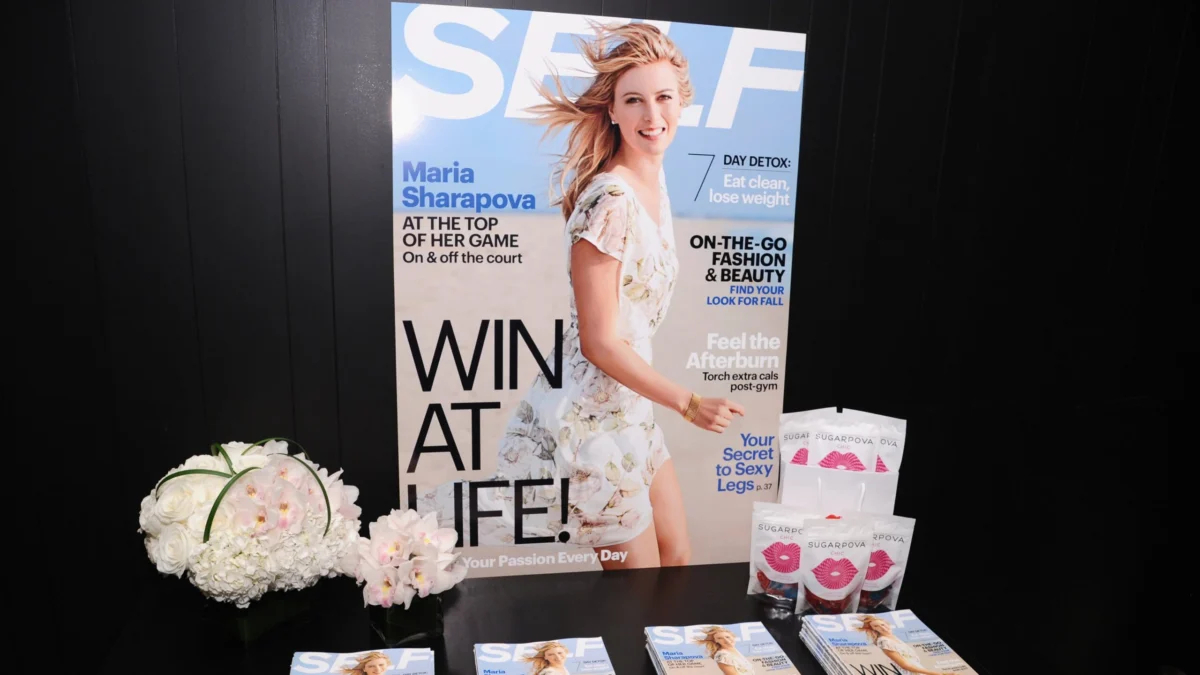
In a decisive move towards streamlining its extensive portfolio and fortifying its core assets, Condé Nast CEO Roger Lynch announced the immediate closure of Self Magazine, the venerable digital-only health title, alongside several international editions of Glamour. The announcement, conveyed through an internal memo on Thursday, January 23, 2026, underscores the global media giant’s aggressive strategy to consolidate resources, optimize brand performance, and pivot towards a more sustainable, digitally-centric future amidst an increasingly challenging publishing landscape.
The End of an Era for Self Magazine
The cessation of Self Magazine marks the conclusion of a nearly 50-year journey for a brand that has long been synonymous with women’s health, fitness, and wellness. Launched in 1979 as a print publication, Self cultivated a loyal readership by offering practical advice on exercise, nutrition, mental well-being, and beauty. For decades, it stood as a significant voice in the crowded women’s lifestyle segment, adapting its content to evolving trends in health science and societal views on personal wellness.
The brand underwent a significant transformation in December 2016 when Condé Nast ceased its monthly print edition, transitioning Self to an exclusively digital format. This strategic pivot was lauded at the time as a forward-thinking adaptation to declining print revenues and shifting reader habits, with the aim of building a robust online presence through its website, social media channels, and video content. For nearly a decade, Self.com continued to publish daily content, maintain a strong social media following across platforms like Instagram, Facebook, and Pinterest, and produce successful digital franchises and events. Its focus on accessible, expert-backed health information resonated with a digital audience, attracting millions of unique visitors monthly and engaging with a demographic increasingly seeking health insights online. The decision to fold the digital-only entity now, after a decade of digital-first operation, signals a deeper re-evaluation of content categories and audience engagement within Condé Nast’s overall strategy.
Glamour’s Global Realignment and Strategic Shrinkage
Beyond Self, the consolidation extends to several international editions of Glamour, a fashion and lifestyle staple with a rich history dating back to its American inception in 1939. While specific international editions were not named in the initial public statements, industry insiders suggest that these closures are concentrated in markets where the brand’s digital reach or advertising revenue has not met strategic benchmarks, or where local market conditions no longer support its operational costs.
Glamour has already seen significant restructuring in key markets. Glamour UK, for instance, transitioned from a monthly print magazine to a digital-only publication in 2017, focusing on a strong online presence and biannual print editions for special occasions. Similarly, Glamour US drastically reduced its print frequency to a quarterly schedule in 2019, emphasizing its digital platforms and video content. These prior moves set a precedent for the current global realignment, indicating a pattern of shedding less profitable print and even digital operations to concentrate investment on core, high-performing markets and digital initiatives. The current wave of international closures suggests a refined focus on a select few global markets where Glamour can command significant influence and generate substantial revenue, potentially consolidating content creation and advertising sales efforts across fewer, stronger hubs.
Condé Nast’s Strategic Evolution Under Roger Lynch
Roger Lynch, who assumed the CEO role in April 2019, has been at the forefront of an ambitious, often challenging, transformation agenda for Condé Nast. His tenure has been defined by a mandate to unify disparate global operations, streamline editorial and business functions, and steer the company toward sustained profitability in the digital age. This latest round of closures is a direct outcome of the "One Condé Nast" strategy, an initiative aimed at breaking down historical silos between international editions and fostering a more integrated global approach to content creation, technology, and advertising sales.
Under Lynch’s leadership, the company has undertaken numerous restructuring efforts, including merging U.S. and international editorial teams for major brands like Vogue and GQ, implementing several rounds of layoffs, and divesting non-core assets. The overarching goal has been to reduce operational redundancies, leverage shared resources, and reallocate investments to areas with the highest growth potential, particularly digital video, events, e-commerce, and subscription models. The decision to sunset Self and certain Glamour editions reflects a calculated move to prune brands that, despite their legacy or digital efforts, may not align with the company’s long-term vision for scale, profitability, and global impact.
The Shifting Sands of Media: Industry-Wide Challenges
This strategic consolidation at Condé Nast is not an isolated event but rather a microcosm of broader, profound shifts impacting the entire media industry. Traditional magazine publishers have grappled with a precipitous decline in print advertising revenue for over a decade. According to industry reports, print ad spending in consumer magazines has seen a compounded annual decline of approximately 8-10% over the past five years, with some categories experiencing even sharper drops. This trend is exacerbated by the continuous migration of advertising dollars to digital platforms, dominated by tech giants like Google and Meta, and increasingly to niche digital creators and influencers.
The rise of social media as a primary news and entertainment source, coupled with audience fragmentation across myriad digital platforms, has made it increasingly difficult for legacy publishers to capture and retain attention. Readers, particularly younger demographics, expect content to be free, immediate, and personalized, challenging traditional subscription and single-copy sales models. In response, publishers like Condé Nast have been compelled to diversify revenue streams beyond advertising, exploring reader revenue models (subscriptions, memberships), e-commerce initiatives, branded content, and large-scale events. The closure of Self, a digital-only property, highlights that merely being digital is no longer sufficient; a brand must also demonstrate significant scale, unique value proposition, and strong monetization potential to justify continued investment within a competitive portfolio.
Economic Drivers and Supporting Data
The economic rationale behind these closures is rooted in market realities. While specific financial data for Self.com and the international Glamour editions are proprietary, industry analysis consistently points to the increasing cost of producing high-quality digital content at scale, coupled with fluctuating digital advertising rates. Programmatic advertising, while efficient, often yields lower CPMs (cost per thousand impressions) compared to direct-sold print or premium digital campaigns. For a digital-only brand like Self, maintaining a large editorial team, investing in SEO, video production, and social media engagement requires substantial ongoing investment that must be offset by robust revenue generation.
Data from the American Association of Advertising Agencies (4A’s) indicates that while digital ad spending continues to grow globally, its distribution is heavily skewed towards a few dominant platforms. Traditional publishers, even with strong digital presences, often capture a smaller slice of this pie. For Condé Nast, a company that reported global revenues exceeding $1.5 billion in recent years (pre-pandemic figures, which saw some declines), optimizing its portfolio means ruthless efficiency. Brands that require significant operational subsidy or do not contribute substantially to the overall global advertising or reader revenue targets become candidates for consolidation or closure. This strategic pruning allows the company to direct more resources towards its tentpole brands—such as Vogue, GQ, Vanity Fair, and The New Yorker—which possess stronger global recognition, larger audiences, and more diversified revenue streams, including lucrative events, licensing deals, and subscription models.
Reactions and Implications
While an official comprehensive statement from Condé Nast beyond Roger Lynch’s internal memo is pending, the strategic rationale is clear. Lynch is expected to articulate that these decisions, while difficult, are essential for the long-term health and competitiveness of the company. "Our focus remains on cultivating a portfolio of powerful, globally recognized brands that resonate deeply with audiences and offer unparalleled value to our advertising partners," an inferred statement from Lynch might convey. "By streamlining our operations and concentrating our investments, we are positioning Condé Nast for sustainable growth and continued leadership in the global media landscape."
The immediate implication of these closures will be felt by the employees of Self Magazine and the affected international Glamour editions. While Condé Nast has historically attempted to reallocate staff where possible during restructuring, redundancies are an unfortunate reality of such consolidation efforts. This will undoubtedly impact talent within the health and wellness content creation sector and specific international fashion publishing communities. Advertisers who partnered with Self or the discontinued Glamour editions will need to re-evaluate their media buys, potentially shifting budgets to remaining Condé Nast properties or competitor platforms.
For the broader media landscape, these closures serve as another stark reminder of the intense pressures facing traditional publishers. It signals that even well-established brands, particularly those in niche categories or with less robust global footprints, are vulnerable if they cannot demonstrate scalable profitability in the digital age. It may also prompt a re-evaluation of the "digital-only" pivot strategy, suggesting that while moving off print is necessary, it is not a panacea for profitability. Digital success requires massive scale, highly engaged communities, and innovative monetization beyond display advertising.
Looking Ahead: Condé Nast’s Refocused Future
Condé Nast’s future strategy appears firmly anchored in amplifying its core global powerhouses. The company is heavily investing in digital product development, leveraging data analytics to better understand audience behavior, and exploring the potential of artificial intelligence to personalize content and optimize workflows. Video content, particularly short-form and documentary-style series, is a significant area of growth, as evidenced by the success of platforms like Vogue‘s "73 Questions" series.
Furthermore, Condé Nast is aggressively pursuing new revenue streams through e-commerce integration, leveraging its brands’ influence to drive sales of fashion, beauty, and lifestyle products. Subscription models, particularly for prestigious titles like The New Yorker and Wired, continue to be a vital component of reader revenue, and efforts are underway to expand similar models across other brands where applicable. Live events, ranging from Vogue Forces of Fashion conferences to Vanity Fair Oscar parties, also remain critical for brand building, networking, and attracting high-value advertisers.
In conclusion, the decision to fold Self Magazine and several international Glamour editions is a calculated, if difficult, step in Condé Nast’s ongoing journey to transform from a legacy print publisher into a dynamic, digitally-driven global media and entertainment company. It underscores the imperative for adaptability, efficiency, and relentless focus on core strengths in a rapidly evolving media ecosystem. While marking the end for some beloved brands, it also signals Condé Nast’s commitment to investing in a leaner, more robust portfolio capable of navigating the complexities and seizing the opportunities of the future.
