
 By Nana Wu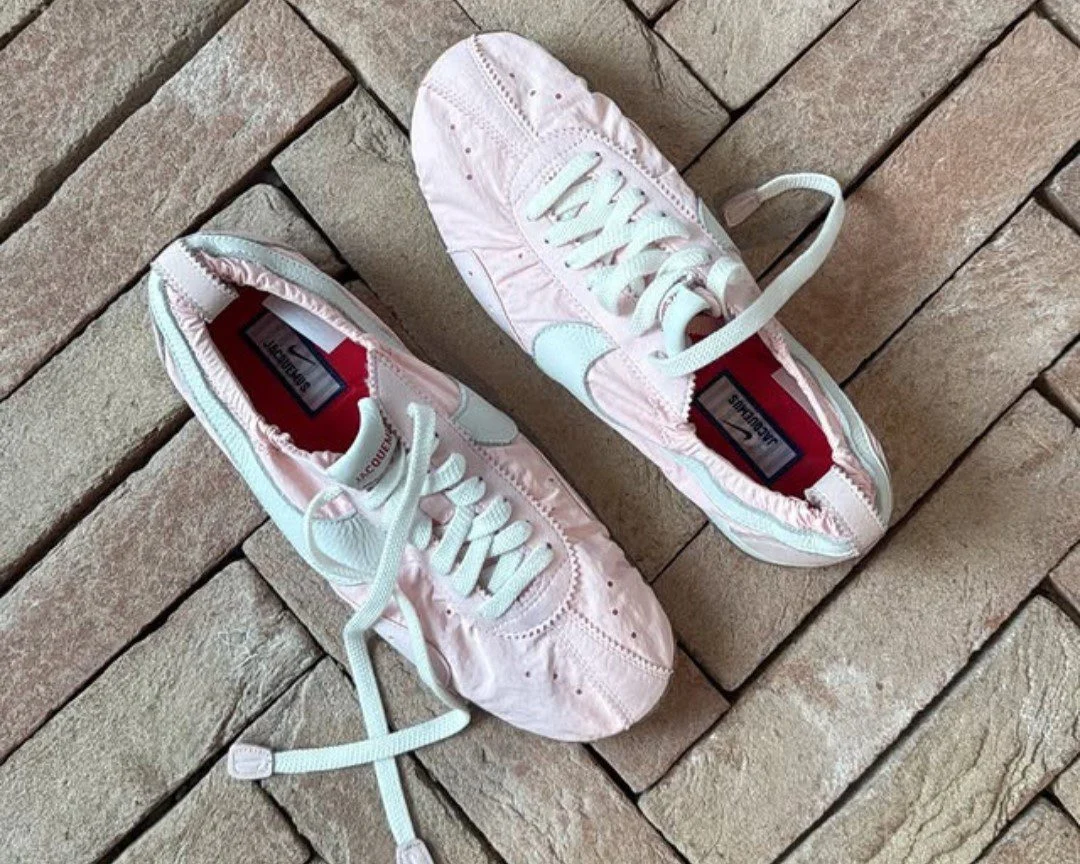
The ongoing collaboration between French luxury fashion house Jacquemus and global sportswear leader Nike is set to deepen in early 2025 with the introduction of new colorways for the Moon Shoe silhouette. Leading the upcoming release is a vibrant "Aluminium Pink" iteration, a colorway that aligns with the signature pastel palette often utilized by designer Simon Porte Jacquemus. This new addition follows the high-demand debut of the silhouette, which originally launched in a trio of primary and neutral tones—red, black, and white—that achieved rapid sell-out status across both retail and secondary markets. While the pink version has been the primary focus of recent promotional imagery, industry reports indicate that the "Aluminium Pink" will be joined by two additional colorways: "Soft Pearl" and "Fauna Brown," broadening the collection’s appeal to include both avant-garde and earth-toned aesthetics.
Evolution of the Nike x Jacquemus Partnership
The partnership between Jacquemus and Nike, which officially commenced in 2022, represents a strategic intersection of high-fashion minimalism and athletic heritage. The collaboration began with the reimagining of the Air Humara, followed by the J Force 1—a hybrid of the Air Force 1 and the ACG Terra—and most recently, a sophisticated take on the Air Max 1 ’86. Each release has prioritized the "silent luxury" trend, stripping away excessive branding in favor of premium materials, unique textures, and modified silhouettes that cater to a fashion-forward demographic rather than traditional performance athletes.
The Moon Shoe project represents a more direct engagement with Nike’s archival history. By selecting a silhouette rooted in the very origins of the company, Jacquemus is positioning the collaboration as a bridge between the historical foundations of sportswear and contemporary Parisian style. The decision to expand the Moon Shoe line into 2025 suggests a long-term commitment to this specific model, which has resonated with consumers seeking a low-profile alternative to the bulky "dad shoe" trends that dominated previous seasons.
Historical Context: The 1972 Moon Shoe Heritage
To understand the significance of the Jacquemus Moon Shoe, one must look back to the 1972 Olympic Trials. The original Moon Shoe was a pivotal moment in footwear history, designed by Nike co-founder and legendary track coach Bill Bowerman. The shoe earned its name from the distinctive "waffle" tread pattern it left in the dirt, which resembled the footprints left by astronauts on the lunar surface during the Apollo missions.
Bowerman famously created the prototype for the waffle sole by pouring urethane into his wife’s waffle iron, seeking a solution for a sole that could provide traction on various surfaces without the weight of traditional metal spikes. Only about 12 pairs of the original hand-made Moon Shoes were produced for the runners at the trials, making the original versions some of the most expensive and sought-after sneakers in the world today. In 2019, an original pair from 1972 sold at auction for $437,500, underscoring the silhouette’s status as a cultural and historical artifact.
The Jacquemus version of the Moon Shoe honors this heritage while making significant concessions to modern lifestyle needs. It retains the low-slung, aerodynamic profile of the 1972 original but replaces the rugged, hand-stitched utility of the 70s with a sleek, wrap-around sole and high-quality synthetic and leather blends. The result is a shoe that feels archival yet looks entirely modern.
Release Schedule and Technical Specifications
The upcoming "Aluminium Pink" Moon Shoe is scheduled for a global release in February 2025. Following the pricing structure of previous drops in the collection, the retail price is expected to be approximately $180. This price point positions the shoe at the entry-level of the luxury footwear market while remaining premium relative to Nike’s standard lifestyle offerings.
Technical details for the new drop include:
- Colorway: Aluminium Pink (Primary), with Soft Pearl and Fauna Brown expected as secondary releases.
- Materials: A combination of smooth synthetic overlays and breathable mesh, designed to maintain the lightweight feel of the original racing shoe.
- Branding: Minimalist metallic "Swoosh" hardware, a hallmark of the Jacquemus x Nike aesthetic, typically found on the lateral side.
- Outsole: A modified version of the classic waffle sole, optimized for urban environments rather than track performance.
- Lacing System: A streamlined, thin-lace design that emphasizes the shoe’s narrow, elegant silhouette.
Market Analysis and Consumer Demand
The announcement of the new colorways comes at a time when Nike is increasingly leveraging its "Energy" collaborations to maintain brand relevance in a shifting retail landscape. While Nike has faced headwinds in its core performance categories, its collaborative projects with high-fashion entities like Jacquemus, Dior, and Louis Vuitton have consistently generated high levels of social media engagement and brand heat.
Data from sneaker secondary markets indicates that Jacquemus collaborations maintain a healthy "sell-through" rate. The initial Moon Shoe drop in 2024 saw immediate stock depletion on the Jacquemus webstore and the Nike SNKRS app. Analysts suggest that the choice of "Aluminium Pink" is a calculated move to tap into the "Barbiecore" residual interest and the general trend toward soft, expressive colors in footwear. Furthermore, the inclusion of "Fauna Brown" and "Soft Pearl" caters to the "Quiet Luxury" and "Gorpcore" movements, which prioritize neutral, versatile tones that can be easily integrated into a high-end wardrobe.
Industry Reactions and Brand Strategy
While official statements from Nike and Jacquemus regarding the 2025 expansion have been brief, the strategy reflects a broader industry shift toward "lifestyle-first" athletic gear. Simon Porte Jacquemus has often stated in interviews that his goal with Nike is to create pieces that feel "accessible but special," moving away from the hyper-technical look of modern running shoes toward something that feels more "human" and "sensual."
Fashion critics have noted that the Moon Shoe is perhaps the most "Jacquemus" of all the Nike collaborations to date. The low-profile shape mimics the traditional espadrilles and slim sandals often seen in Jacquemus’s runway shows in the South of France. By applying this aesthetic to a Nike shoe, the collaboration successfully captures a demographic that may not typically shop for athletic footwear but is drawn to the prestige of the Jacquemus label.
From Nike’s perspective, the partnership allows the brand to mine its deep archives and reintroduce forgotten silhouettes to a younger, fashion-conscious audience. This "archive-to-runway" pipeline has proven successful for competitors as well, but Nike’s historical depth—specifically with the 1972 Moon Shoe—gives it a narrative advantage that few other brands can replicate.
Broader Implications for the Footwear Industry
The continued success of the Nike x Jacquemus line signals a permanent change in how sportswear brands approach collaborations. No longer relegated to simple color-swaps of existing models, these partnerships now involve significant structural redesigns and the creation of new sub-categories of footwear.
The February 2025 release will be a litmus test for the longevity of the Moon Shoe silhouette. If the pink, pearl, and brown versions perform as well as the initial primary-color drop, it is likely that the Moon Shoe will become a staple of the Nike collaborative catalog, similar to how the LDWaffle became a long-standing icon for the Nike x Sacai partnership.
As the fashion industry moves toward the Spring/Summer 2025 season, the emphasis on lightweight, colorful, and historically grounded footwear is expected to intensify. The Jacquemus x Nike Moon Shoe, with its blend of 1970s track heritage and 2020s Parisian chic, sits at the center of this trend. For Nike, the collaboration provides a necessary halo effect, reinforcing its status as a brand that can dominate both the Olympic podium and the luxury boutique. For Jacquemus, it solidifies the brand’s footprint in the global market, proving that its minimalist aesthetic can be successfully scaled through the infrastructure of a multinational sporting giant.
