
 By Layla Zulfa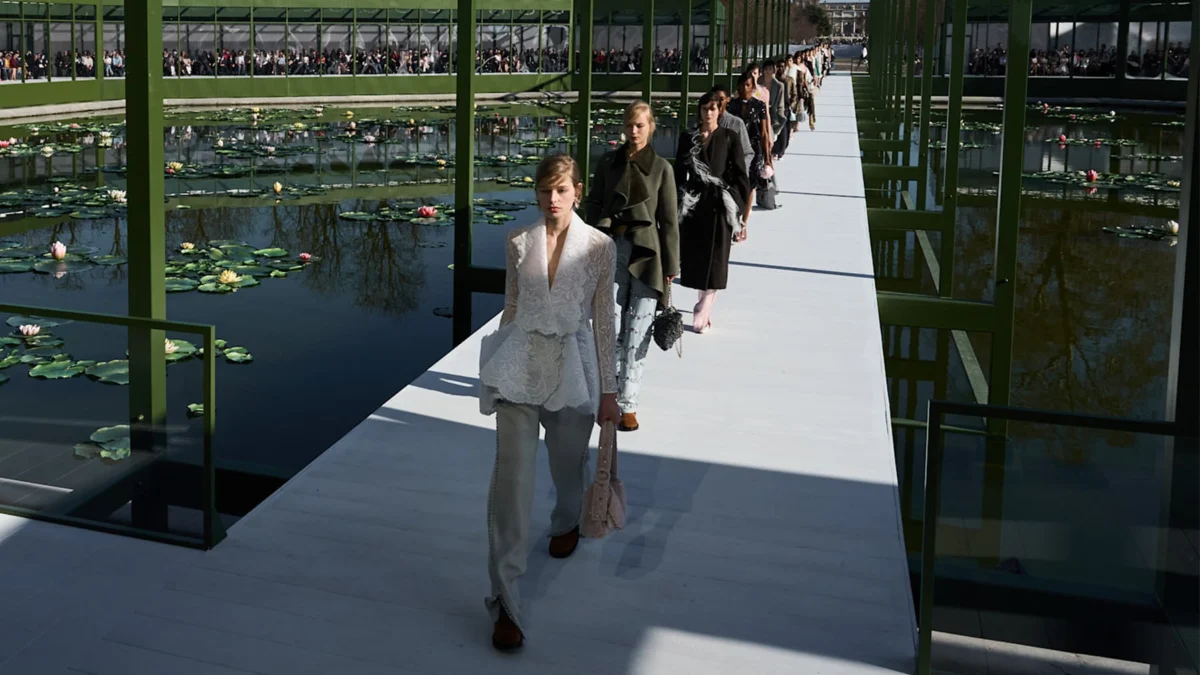
This week marks a critical juncture for the global luxury sector, with three of its most influential conglomerates – LVMH Moët Hennessy Louis Vuitton, Kering, and Hermès International – poised to release their first-quarter financial results. These announcements, anticipated by investors and industry analysts alike, will offer crucial insights into the health of the high-end market amidst evolving global economic conditions. Concurrently, Kering is set to host a pivotal Capital Markets Day in Florence, a strategic move designed to articulate its future vision and reassure stakeholders following a period of significant brand repositioning and leadership changes. Adding a cultural and creative dimension to the week’s packed agenda, Pucci, under the LVMH umbrella, will unveil its latest collection in a highly anticipated show set against the historic backdrop of Sicily.
The Q1 Earnings Season: A Barometer for Luxury Resilience
The first quarter of any fiscal year often serves as an early indicator for annual performance, and 2024’s Q1 results are particularly keenly awaited. The luxury market has navigated a complex landscape over the past year, characterized by inflationary pressures, fluctuating consumer confidence in key markets, and lingering geopolitical uncertainties. Investors will be scrutinizing these reports for signs of sustained growth, shifts in geographical demand, and the performance of individual brand portfolios within these vast empires.
LVMH: Sustaining Momentum Across a Diverse Portfolio
LVMH, the world’s largest luxury group, commands an unparalleled portfolio spanning fashion and leather goods, wines and spirits, perfumes and cosmetics, watches and jewelry, and selective retailing. Brands such as Louis Vuitton, Christian Dior, Celine, Tiffany & Co., and Sephora contribute to its immense revenue streams. Following a robust 2023 where the group reported a record €86.2 billion in revenue, expectations for Q1 2024 remain cautiously optimistic. Analysts generally anticipate continued, albeit potentially moderated, growth in its Fashion & Leather Goods division, which remains the primary engine of profitability.
Market watchers will be keen to observe LVMH’s performance in key regions. While Europe and Japan have shown consistent strength, the rebound in China post-pandemic has been a critical driver. Any signs of deceleration in the crucial Asian market or further softening in the Americas would be closely monitored. Conversely, strong resilience in Europe, buoyed by tourism and local demand, could offset some of these pressures. LVMH’s diversified structure often provides a buffer against volatility in any single sector or geography, but the sheer scale of its operations means even minor shifts can have significant implications. The group’s ability to maintain exclusivity and desirability across its myriad brands, coupled with strategic investments in retail experiences and digital innovation, will be central to its narrative.
Kering: A Strategic Pivot and the Gucci Turnaround
Kering’s Q1 results will be particularly significant as the group continues to implement a comprehensive strategy aimed at revitalizing its key brands, most notably Gucci. The Italian powerhouse, which traditionally contributed the lion’s share of Kering’s profits, has experienced a period of underperformance, prompting a significant strategic reset including a new creative director, Sabato De Sarno, and a renewed focus on timeless luxury and craftsmanship.
For Q1 2024, analysts are closely watching for early indicators of De Sarno’s "Ancora" collection’s commercial reception and the broader impact of Kering’s brand elevation strategy. Beyond Gucci, the performance of its other stellar brands like Yves Saint Laurent, which has consistently delivered strong results, and Bottega Veneta, known for its quiet luxury appeal, will also be under the microscope. Kering’s smaller brands, including Balenciaga and Alexander McQueen, will also contribute to the overall picture, with market observers assessing their individual trajectories amidst evolving consumer preferences. The group’s commitment to enhancing brand desirability and selective distribution is expected to be a recurring theme in their Q1 commentary.
Hermès: The Epitome of Consistent Luxury Demand
Hermès stands somewhat apart in the luxury landscape, consistently demonstrating remarkable resilience and growth, often outperforming its peers due to its unique positioning and unwavering demand for its iconic products. The company’s Q1 results are expected to reflect this continued strength, particularly in its highly coveted leather goods division, which includes the legendary Birkin and Kelly bags, as well as its ready-to-wear, silk, and accessories categories.
Hermès’s strategy of controlled production, exceptional craftsmanship, and a perceived scarcity model has historically insulated it from broader economic fluctuations affecting other luxury segments. The brand’s loyal and affluent customer base often views its products as investment pieces, contributing to its stable growth trajectory. Analysts will be keen to see if this trend holds true for Q1 2024, particularly against a backdrop where some consumers might be tightening discretionary spending. Any commentary on production capacity, lead times for signature products, and geographical sales distribution will provide further context to its seemingly unshakeable performance.
Kering’s Capital Markets Day in Florence: Charting a New Course
Following its Q1 earnings release, Kering will host a highly anticipated Capital Markets Day (CMD) in Florence, Italy. This event is far more than a routine financial update; it represents a crucial opportunity for the group to present a detailed strategic roadmap to investors, analysts, and the wider financial community. The choice of Florence, a city deeply intertwined with Italian craftsmanship and the heritage of several Kering brands, including Gucci, is symbolic, emphasizing a return to core values and artisanal excellence.
The CMD is expected to elaborate on Kering’s strategic priorities, particularly concerning the revitalization of Gucci. CEO François-Henri Pinault, alongside key brand executives, is anticipated to outline specific initiatives for enhancing brand desirability, accelerating retail expansion, fostering product innovation, and leveraging digital capabilities. Discussions will likely cover:
- Gucci’s Turnaround Strategy: A deeper dive into Sabato De Sarno’s creative vision and its commercial rollout, retail experience enhancements, and targeted marketing campaigns. Investors will seek clarity on timelines for revenue growth acceleration and margin improvement.
- Portfolio Optimization: Kering’s broader strategy for its diverse brand portfolio, including growth ambitions for Yves Saint Laurent and Bottega Veneta, and the strategic positioning of its smaller houses.
- Financial Targets: Updated medium-term financial objectives, including revenue growth rates, profitability targets, and capital allocation strategies. This will be critical for rebuilding investor confidence.
- Sustainability Commitments: Kering has long been a leader in luxury sustainability. The CMD is expected to reinforce these commitments, outlining progress and future goals related to environmental impact, ethical sourcing, and social responsibility.
- Operational Efficiencies: Strategies to optimize supply chains, enhance manufacturing capabilities, and improve overall operational efficiency across the group.
The event’s success will hinge on Kering’s ability to articulate a clear, credible, and compelling vision for its future, particularly demonstrating how it plans to restore Gucci to its former glory and drive sustainable growth across its entire luxury empire. It represents a pivotal moment for the group to reset its narrative and re-engage with the market after a period of significant strategic adjustments.
Pucci’s Sicilian Showcase: A Fusion of Heritage and Modernity
Adding a vibrant creative note to the week, Pucci, the iconic Italian fashion house renowned for its kaleidoscopic prints and effortless elegance, will stage a fashion show in Sicily. This event, under the creative direction of Camille Miceli, marks a significant moment for the brand, which is strategically positioned within the LVMH portfolio as a unique expression of joyful, resort-inspired luxury.
The decision to showcase in Sicily is laden with cultural and artistic significance. Italian luxury brands frequently draw inspiration from the country’s rich artistic heritage, landscapes, and craftsmanship. Sicily, with its unique blend of ancient history, diverse architectural influences, and stunning natural beauty, offers a compelling backdrop that can enhance the narrative of a collection. It speaks to a growing trend of "destination shows," where brands seek to create immersive experiences that transcend the traditional runway format, connecting collections more deeply with specific cultural contexts and engaging a broader, global audience through digital storytelling.
Under LVMH, Pucci has been undergoing a revitalization, with Miceli steering the brand towards a more lifestyle-oriented approach, emphasizing its resort wear heritage while injecting a modern, effortless sensibility. The Sicilian show is expected to highlight:
- Collection Theme: How the vibrant colors, historical motifs, and natural elements of Sicily have influenced the latest designs, particularly focusing on Pucci’s signature prints and fluid silhouettes.
- Brand Positioning: Reinforcing Pucci’s unique identity within the competitive luxury market, emphasizing its playful spirit and elevated vacation aesthetic.
- Artisanal Craftsmanship: Potentially showcasing collaborations with local artisans or highlighting specific Italian manufacturing techniques, aligning with the broader luxury industry’s focus on provenance and quality.
- Market Impact: Generating significant media attention and consumer interest, translating into increased brand visibility and driving sales, particularly in resort and cruise wear segments.
Such high-profile shows are instrumental in shaping brand perception, attracting new customers, and solidifying a brand’s place in the fashion lexicon. For Pucci, this Sicilian showcase is a powerful statement of its renewed creative vigor and strategic importance within the LVMH group.
Broader Industry Context and Implications
The collective events of this week – the Q1 earnings reports, Kering’s strategic re-articulation, and Pucci’s creative showcase – are not isolated incidents but rather interconnected threads in the larger tapestry of the global luxury industry.
Economic Headwinds and Shifting Consumer Behavior: The luxury sector continues to navigate a complex macroeconomic environment. While the ultra-high-net-worth individual segment remains largely insulated, aspirational luxury consumers are more sensitive to inflation and economic uncertainties. The Q1 results will shed light on how these dynamics are impacting demand across different price points and product categories. Brands that offer perceived value, timeless appeal, and strong brand narratives are likely to fare better.
Geopolitical Landscape: Ongoing geopolitical tensions, particularly in Eastern Europe and the Middle East, continue to influence travel patterns, consumer sentiment, and supply chain stability. The luxury giants’ performance in various regions will offer clues on the resilience of global luxury consumption in the face of these challenges.
Sustainability and ESG Imperatives: Environmental, Social, and Governance (ESG) factors are no longer optional but critical components of corporate strategy. Kering’s expected emphasis on sustainability at its CMD, alongside broader industry trends, underscores the growing importance of ethical production, transparency, and circularity in meeting consumer and investor expectations.
The Power of Narrative and Experience: In an increasingly crowded market, the ability to tell a compelling brand story and offer unique, immersive experiences is paramount. Kering’s CMD in Florence and Pucci’s show in Sicily exemplify this strategy, moving beyond mere product presentation to engage stakeholders on a deeper, emotional level. The image of Christian Dior’s Autumn/Winter 2026 collection, though from a future season, also underscores the relentless pace of creative innovation and the long-term vision required to stay at the forefront of the industry.
Competitive Dynamics: The performance of LVMH, Kering, and Hermès will inevitably be benchmarked against each other and other major players. Any significant shifts in market share or growth rates could trigger further strategic adjustments across the industry, potentially leading to increased M&A activity or intensified competition for talent and market presence.
Outlook for the Remainder of 2024: The insights gleaned from this week’s announcements will be instrumental in shaping the market’s outlook for the remainder of 2024. Positive results and clear strategic directions could instill confidence, while any signs of significant weakness might prompt downward revisions of forecasts for the luxury sector. The luxury industry, perpetually balancing heritage with innovation, will continue to adapt and evolve, with this week’s events serving as crucial markers in its ongoing journey.
