
 By Jia Lissa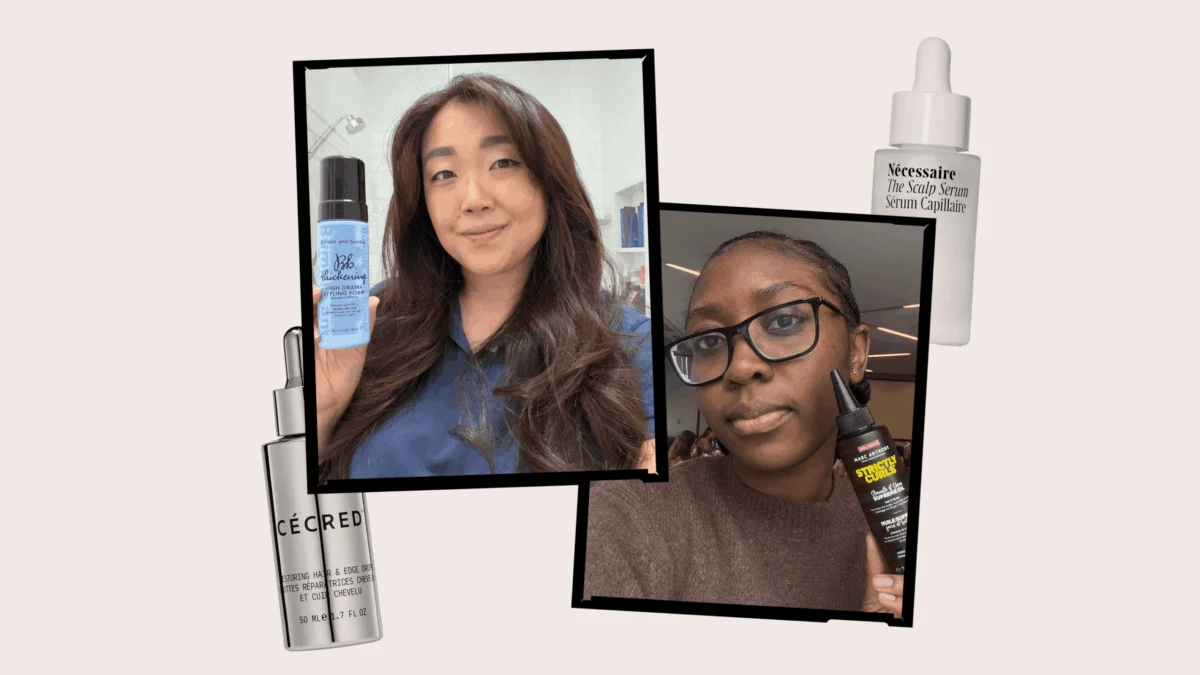
Experiencing hair thinning can be a source of significant concern for many individuals, impacting self-esteem and overall appearance. Fortunately, advancements in dermatological research and cosmetic science have yielded a range of effective strategies and products aimed at combating hair loss and promoting regrowth. This comprehensive guide delves into the most proven methods, the science behind them, and expert advice for navigating the complex landscape of hair thinning.
Understanding the Nuances of Hair Thinning
Hair thinning is not a monolithic condition; it can stem from a variety of underlying causes, each requiring a tailored approach. Broadly, hair loss can be categorized into non-scarring alopecia, where the hair follicle remains intact, and scarring alopecia, which involves irreversible damage to the follicle. Non-scarring alopecia, the more common form, includes conditions like telogen effluvium, androgenetic alopecia (hereditary hair loss), and alopecia areata.
Telogen effluvium, often triggered by significant physical or emotional stress, illness, surgery, childbirth, or nutritional deficiencies, is characterized by a sudden, diffuse shedding of hair. This condition is typically temporary, with hair regrowth occurring once the underlying trigger is addressed. In contrast, androgenetic alopecia, commonly known as male-pattern baldness or female-pattern hair loss, is a genetically predisposed condition influenced by hormones, particularly dihydrotestosterone (DHT). This form of hair loss is progressive and often requires long-term management. Alopecia areata is an autoimmune condition where the body’s immune system attacks hair follicles, leading to patchy hair loss.
The Role of Minoxidil: A Cornerstone of Hair Growth Treatment
When it comes to addressing hair thinning, minoxidil stands out as a widely recognized and scientifically validated ingredient. As Dr. Mislankar, a prominent dermatologist, notes, "Minoxidil is the most tried-and-true ingredient for hair loss and thinning." Its efficacy has been demonstrated through numerous clinical trials, establishing it as a frontline treatment option. Minoxidil, available in both topical solutions and foams, works by a mechanism not entirely understood, but it is believed to widen blood vessels in the scalp. This enhanced circulation delivers more oxygen and vital nutrients to the hair follicles, prolonging the anagen (growth) phase of the hair cycle and stimulating dormant follicles to produce new hair.
A prime example of a minoxidil-based product is Rogaine, a readily available over-the-counter treatment. Its widespread use and long history in the market underscore its proven track record. Studies have shown that consistent use of minoxidil can lead to a noticeable increase in hair count and thickness for a significant percentage of users. For instance, clinical trials have reported that approximately 60-80% of men with male-pattern baldness experience some degree of hair regrowth or slowed hair loss with minoxidil. For women, the efficacy rates are also substantial, with many reporting improved hair density.
Beyond Minoxidil: Exploring Complementary Ingredients and Strategies
While minoxidil remains a primary therapeutic agent, other ingredients have shown promise in supporting hair thickness and promoting a healthier scalp environment. Jae-Manuel Cardenas, a New York City-based hairstylist, highlights the benefits of ingredients such as biotin, caffeine, rosemary oil, and niacinamide, stating they "have also been shown to promote the temporary appearance of hair thickness." These ingredients can contribute to the overall health of the hair and scalp by providing essential vitamins, improving circulation, and reducing inflammation.
Biotin, a B vitamin, is crucial for keratin production, a protein that forms the building blocks of hair. Caffeine, a stimulant, has been shown in some studies to enhance hair growth by increasing blood flow to the scalp and potentially inhibiting DHT. Rosemary oil, a natural ingredient with a long history of traditional use for hair care, is believed to stimulate hair follicles and improve circulation. Niacinamide, a form of vitamin B3, can improve scalp barrier function and reduce inflammation, creating a more conducive environment for hair growth.
Cardenas also emphasizes the role of topical products designed to enhance hair’s visual fullness. He recommends "root lifters, volumizing products, and other hairstyle formulas to temporarily deliver fuller hair." These products work by coating the hair shaft, making each strand appear thicker, or by providing lift and volume at the roots, creating an illusion of greater density. While these solutions offer immediate cosmetic benefits, they do not address the underlying causes of hair thinning.
The Role of Supplements: A Word of Caution
The market is flooded with hair growth supplements, each promising miraculous results. However, dermatologists often express a measured view on their efficacy. Dr. Mislankar’s perspective, shared in the original content, aligns with this caution: "dermatologists don’t agree on how much they can really help." While some supplements contain ingredients like biotin, iron, or zinc, which are essential for hair health, their effectiveness in stimulating regrowth in individuals who are not deficient is debatable. Moreover, some supplements can have side effects, making it imperative to consult with a healthcare professional before incorporating them into a hair care regimen. A thorough medical evaluation can identify any nutrient deficiencies that may be contributing to hair thinning and guide the appropriate supplementation strategy.
Can Hair Grow Back After Thinning? Understanding the Potential for Regrowth
The question of whether hair can grow back after thinning is central to many individuals’ concerns. The answer, as Dr. Mislankar explains, is nuanced and largely dependent on the cause of the thinning. For conditions like telogen effluvium, where hair shedding is a temporary response to an external trigger, regrowth is often robust. "In some cases, like telogen effluvium—temporary hair shedding caused by stress, illness, or hormonal changes—hair often grows back on its own with time and patience," she states. This means that once the stressor is removed or the body recovers from illness, the hair cycle can normalize, and lost hair can be replenished.
However, for conditions like postpartum hair loss, which is primarily driven by significant hormonal shifts during and after pregnancy, minoxidil might not be the most effective solution on its own. The hormonal fluctuations typically resolve over time, allowing hair to regrow naturally. Patience is key in such scenarios.
When thinning is a result of androgenetic alopecia, the prognosis for spontaneous regrowth is less optimistic. This progressive form of hair loss requires consistent and often long-term interventions. "If thinning is due to androgenetic alopecia (hereditary hair loss, or female-pattern hair loss), long-term treatments like medications or procedures are usually needed to maintain new growth," Dr. Mislankar advises. This underscores the importance of early diagnosis and intervention to preserve existing hair and stimulate new growth.
During the regrowth phase, or while waiting for hair to recover, adopting protective hair care practices is crucial. Dr. Mislankar recommends "avoiding excessive heat styling or harsh chemicals [to] help prevent further damage. Volumizing shampoos, leave-in treatments, and proper styling techniques can also make hair appear fuller in the meantime." These measures help maintain the health of existing hair and create a more aesthetically pleasing appearance while the scalp works to regenerate new growth.
The "Big Three" for Thinning Hair: A Triad of Therapeutic Power
For individuals seeking a robust approach to managing hair thinning, particularly androgenetic alopecia, a combination of treatments often yields the best results. Dr. Mislankar identifies three key therapeutic agents, often referred to as the "Big Three": minoxidil, finasteride, and ketoconazole. Each plays a distinct and complementary role in fostering hair growth.
Minoxidil, as previously discussed, enhances circulation to the scalp, thereby delivering essential nutrients to the hair follicles and promoting growth. Finasteride, a prescription medication, targets the hormonal underpinnings of male-pattern hair loss. It works by inhibiting the enzyme 5-alpha reductase, which converts testosterone into dihydrotestosterone (DHT). DHT is a potent androgen that binds to receptors in hair follicles, leading to their miniaturization and eventual cessation of hair production. By reducing DHT levels, finasteride helps to slow down or even reverse hair loss in susceptible individuals. While primarily prescribed for men, finasteride may be used off-label for postmenopausal women in certain cases, under strict medical supervision.
Ketoconazole, commonly known as an antifungal medication, also possesses properties beneficial for hair health. Dr. Mislankar explains that "Ketoconazole isn’t just for fighting fungus—it also helps mitigate scalp inflammation, one of the culprits behind hair loss. Research suggests it has mild anti-androgenic properties, meaning it may help minimize DHT’s impact on hair follicles." Scalp inflammation can exacerbate hair loss by creating an unfavorable environment for follicle function. Ketoconazole, often found in medicated shampoos, can help to calm this inflammation and contribute to a healthier scalp.
The synergistic effect of these three agents—minoxidil for circulation and growth stimulation, finasteride for hormonal regulation, and ketoconazole for scalp health and anti-androgenic action—can create an optimal foundation for new hair growth and hair retention. This combined approach is often the cornerstone of comprehensive treatment plans for individuals experiencing significant hair thinning.
Rigorous Testing and Expert Evaluation: Ensuring Product Quality
The efficacy of hair care products is paramount, and reputable sources employ rigorous testing methodologies to ensure their recommendations are based on solid evidence and user experience. Allure, a leading beauty publication, outlines its commitment to thorough product evaluation. While makeup products are tested across a diverse range of testers, hair care, due to its specialized nature, requires a more targeted approach.
"For our review of the best products for thinning hair, we enlisted the help of multiple editors, writers, contributors, and hair experts—many of whom want shinier, healthier-looking hair," the publication states. Testers assess products based on four primary categories: efficacy, texture and experience, fragrance, and packaging. This multi-faceted evaluation ensures that products not only perform well but also offer a pleasant user experience.
The process acknowledges that hair products are often formulated for specific hair types and concerns. Therefore, testers with diverse hair textures, lengths, colors, and specific issues are sought to provide comprehensive feedback. This commitment to diverse testing ensures that recommendations are relevant and reliable for a broad audience. The publication’s detailed methodology page further elaborates on the stringent standards applied to all its reviews, providing transparency and building consumer trust.
A Diverse and Inclusive Testing Pool: Reflecting Real-World Needs
The importance of a diverse testing panel cannot be overstated, especially in the realm of beauty products. As Allure articulates, "A beauty product is a personal purchase… No matter what you seek or your individual needs and concerns, Allure wants to ensure that you love anything we recommend in our stories." This philosophy drives their commitment to inclusivity in their testing.
They believe that "having a diverse team of writers and editors—in addition to the wide range of outside testers and industry experts we regularly call upon—is essential to reaching that goal." This means that when assessing a product, their staff and testers span a wide range of ages, skin tones, hair textures, genders, and backgrounds. This ensures that the "best" products are genuinely assessed for their effectiveness across the spectrum of potential users. For instance, a product deemed effective for thinning hair should ideally be evaluated by individuals with various hair types and concerns, not just those with a single, narrow profile. This commitment to diversity in testing is fundamental to providing trustworthy and universally applicable advice.
The Broader Implications of Addressing Hair Thinning
The impact of hair thinning extends beyond mere aesthetics; it can profoundly affect an individual’s psychological well-being and social interactions. Conditions leading to hair loss are often associated with increased anxiety, reduced self-confidence, and social withdrawal. Therefore, the availability of effective treatments and supportive strategies has significant implications for public health and individual quality of life.
The continuous research and development in trichology—the study of hair and scalp—are leading to more targeted and personalized treatment plans. Understanding the genetic, hormonal, and environmental factors contributing to hair thinning allows for more precise interventions. Furthermore, the integration of medical treatments with cosmetic solutions and lifestyle modifications offers a holistic approach to managing hair loss.
The increasing awareness and destigmatization of hair thinning are also encouraging more individuals to seek professional help and explore available treatments. As scientific understanding evolves and treatment options expand, the prognosis for individuals experiencing hair thinning continues to improve, offering hope for restored confidence and a healthier appearance. The ongoing dialogue between experts, consumers, and researchers will undoubtedly continue to shape the future of hair restoration and care.
