
 By admin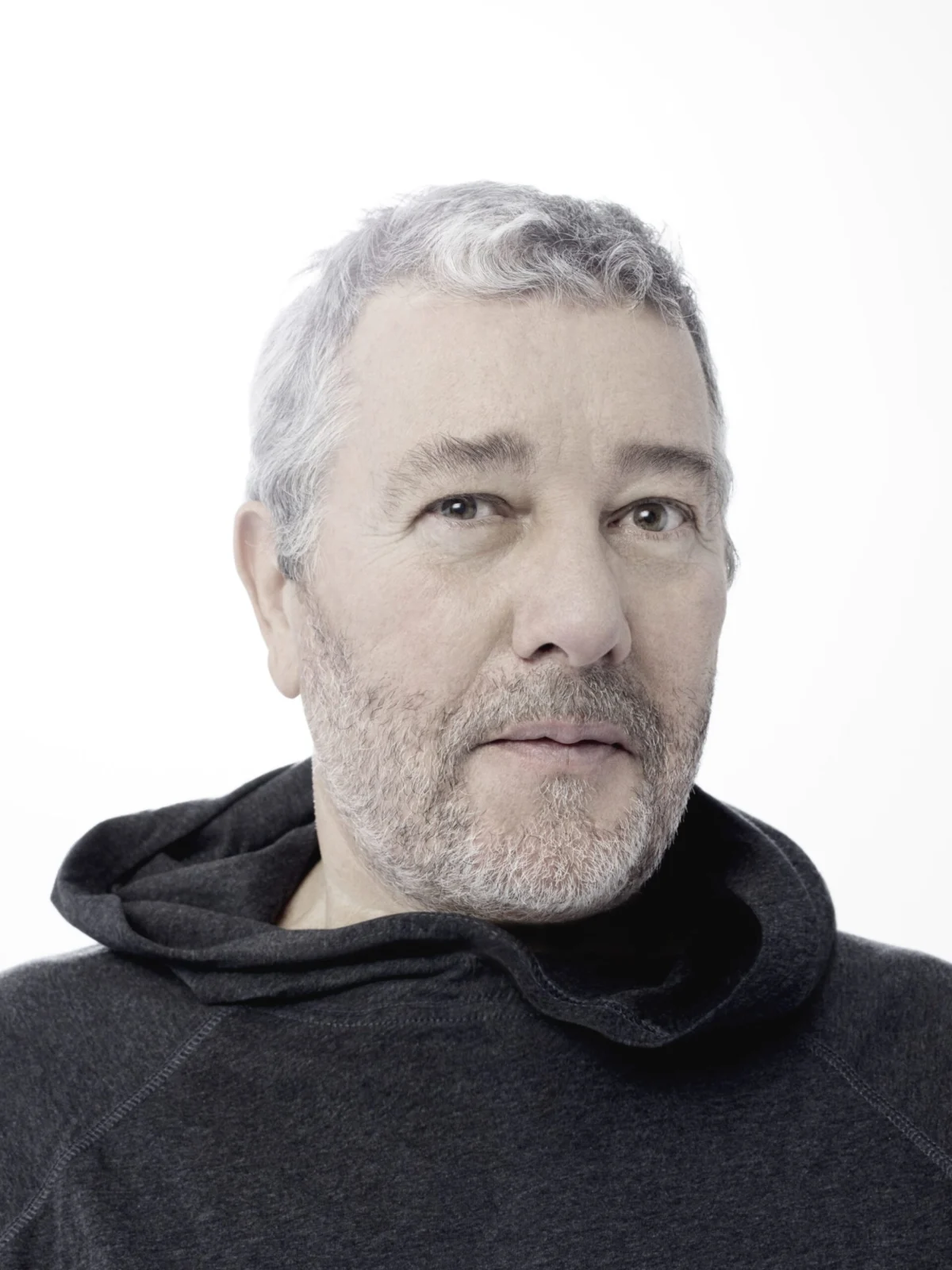
The evolution of luxury in the 21st century is increasingly defined by a quiet irony: as the financial capacity of the global elite expands, their aesthetic and lifestyle preferences are drifting back toward the essential. For decades, the luxury real estate sector was synonymous with grandiosity—spectacular private residences, opulent finishes, and sprawling estates designed to project status through architectural scale. However, a significant shift is underway within the Vietnamese market, moving away from "spectacle" and toward "experience." This transition is exemplified by the emergence of Nhà Estate, a low-density, design-centric villa project in Ho Tram, developed through a collaboration between the AppleTree Group, Larfa Properties, and the world-renowned designer Philippe Starck.
The Shifting Paradigm of High-End Real Estate in Vietnam
Vietnam’s luxury real estate landscape has historically been shaped by rapid urbanization and a focus on high-yield investment properties. However, as the nation’s ultra-high-net-worth (UHNW) population continues to grow—projected by Knight Frank to increase significantly over the next decade—the demand for "second homes" that offer more than just capital appreciation is rising. The modern affluent buyer is increasingly prioritizing authenticity, intimacy, and a connection to the natural world over traditional symbols of wealth.
This trend mirrors established lifestyle patterns in Europe and the United States, where the concept of a weekend retreat is deeply woven into the social fabric. For New Yorkers, the Hamptons serve as a vital sanctuary; for Parisians, the coast of Normandy provides a seasonal escape. These locations are not merely real estate assets but are the foundations for generational memories and the development of enduring, private communities. Nhà Estate seeks to transplant this "old-money" philosophy to the shores of Ho Tram, focusing on long-term legacy rather than short-term speculative gain.
Strategic Location: The Rise of Ho Tram as a Luxury Hub
Ho Tram, located in the Xuyen Moc district of Ba Ria-Vung Tau province, has emerged as a primary destination for premium residential development. Situated approximately two hours from Ho Chi Minh City, the region offers a unique geographical confluence of primary forests, the Ray River, and an expansive coastline. Unlike more densely developed coastal cities, Ho Tram has managed to preserve a sense of untouched natural beauty, largely due to its proximity to the Binh Chau-Phuoc Buu Nature Reserve.
The strategic importance of Ho Tram is further bolstered by significant infrastructure investments. The upcoming Long Thanh International Airport, located roughly 50 minutes away, is expected to transform the region into an international gateway. Additionally, the Bien Hoa-Vung Tau Expressway and the expansion of the coastal road network are drastically reducing travel times from the southern economic hub of Ho Chi Minh City. This accessibility, combined with the area’s natural seclusion, makes it an ideal setting for a project like Nhà Estate, which emphasizes a "retreat" lifestyle.
The Visionary Collaboration: Philippe Starck’s Design Ethos
At the heart of Nhà Estate is the creative vision of Philippe Starck. Known for his "democratic design" and his ability to infuse soul into physical spaces, Starck’s involvement marks a departure from the generic luxury often seen in regional resort developments. Starck’s approach to the project began with a profound intuition of the land itself. Reports indicate that within two hours of arriving in Ho Tram, Starck had produced a sketch that captured 99 percent of the project’s final architectural direction.
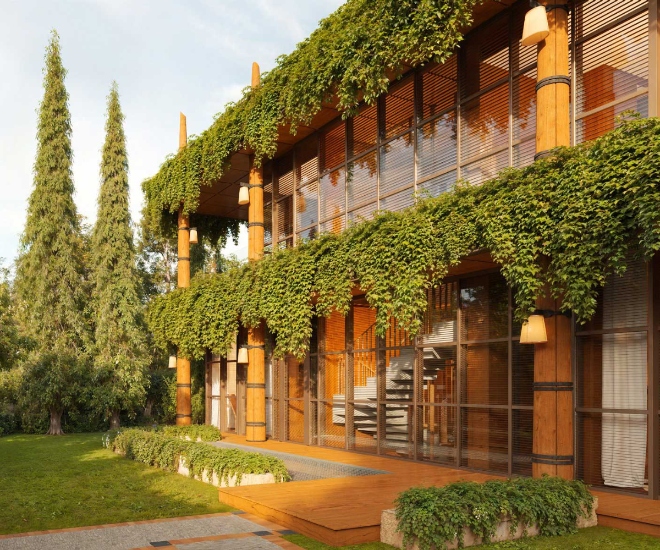
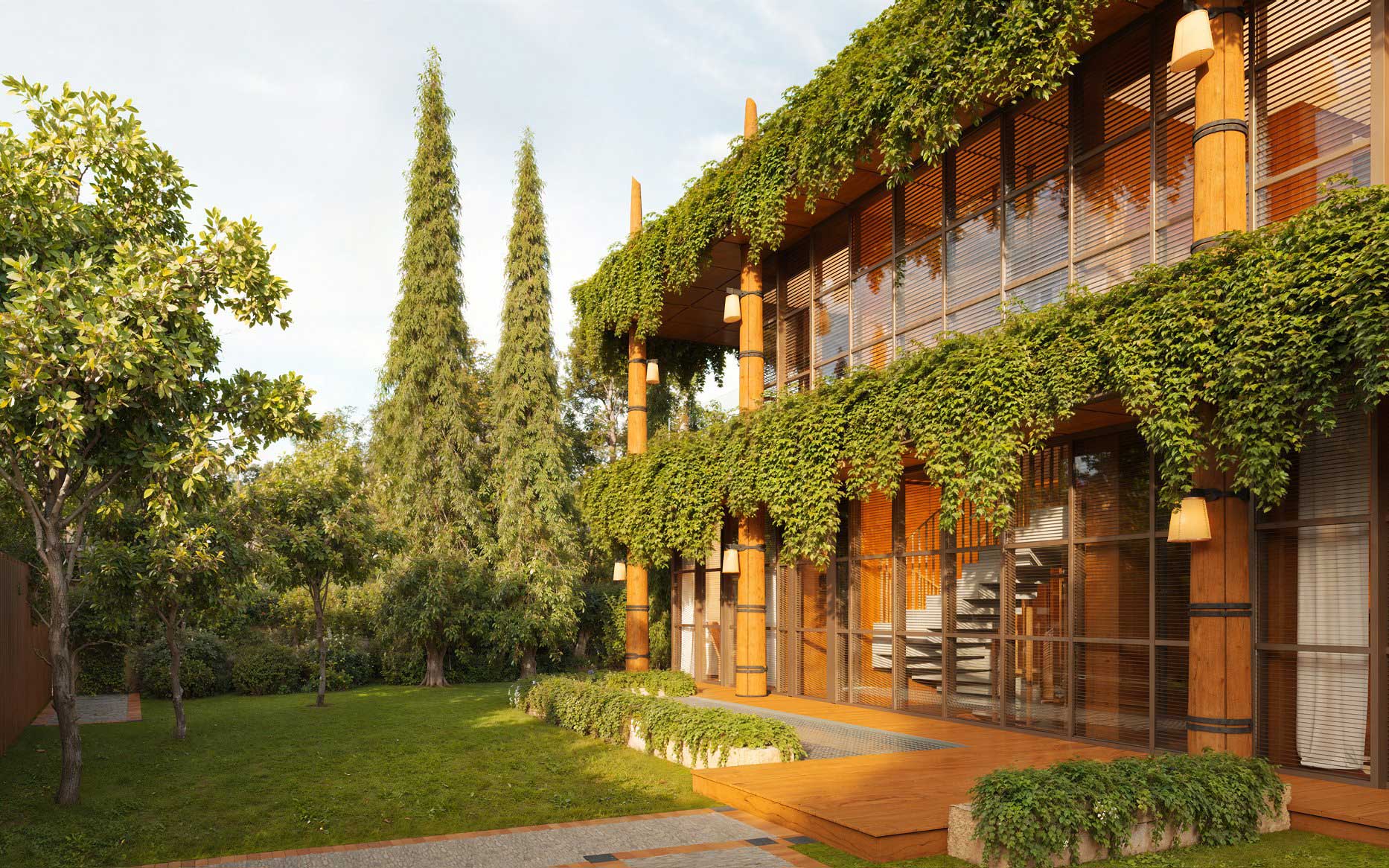
Starck’s design philosophy for Nhà Estate rejects the "cold" minimalism often mistaken for modern elegance. Instead, he focuses on warmth, vitality, and human connection. The project is conceived as a limited collection of distinctive villas and a boutique hotel, all designed to harmonize with the existing landscape of the Ray River and the sea. The architecture is intended to facilitate "life"—long dinners, communal gatherings, and the quiet rhythm of daily existence—rather than serving as a static monument to design.
Developer Profiles: A Commitment to Generational Legacy
The development of Nhà Estate is led by the AppleTree Group and Larfa Properties, two entities that share a distinct "old-money" perspective on property development. Eric Merlin, CEO of AppleTree Group, brings over thirty years of experience in the Asian hospitality and lifestyle sectors. AppleTree’s portfolio, which includes the Victoria Hotels & Resorts brand, has long been associated with heritage-focused, high-quality hospitality.
According to Merlin, the philosophy driving Nhà Estate is rooted in a sense of responsibility toward reputation and longevity. "Our approach is very much what in Europe would be called an ‘old-money’ perspective," Merlin stated. "We believe in building for the long term, with a strong sense of responsibility toward reputation and legacy." This sentiment is echoed by Stéphane Delplancq, CEO of Larfa Properties and co-developer of the project. Delplancq emphasizes that the project is not driven by the industry’s typical desire to maximize short-term profit through high-density construction. "Profit is the natural consequence of work done well—not the starting point of the strategy," Delplancq remarked. "The real objective is to create places that endure and that people will continue to value over time."
Project Chronology and Development Milestones
The development of Nhà Estate has followed a meticulous timeline, prioritizing site integrity and architectural cohesion over speed of execution.
- Site Acquisition and Assessment: The developers identified the specific plot along the Ray River due to its unique "in-between" status—secluded enough to offer privacy but close enough to Ho Tram’s existing amenities like golf courses and water-sports hubs.
- Concept Initiation: The partnership with Philippe Starck was formed with the goal of creating a "living community" rather than a standard resort.
- Design Phase: Starck’s initial sketches were translated into a master plan that emphasized low density. The plan includes a limited number of villas to ensure privacy and a boutique hotel to provide high-level services to residents.
- Community Building: Unlike many projects that focus on pre-sales to any available investor, the developers of Nhà Estate have expressed a desire to curate a community of "founding members"—families who share a similar vision of lifestyle and social values.
- Current Status: The project is moving toward completion, with an emphasis on integrating communal spaces such as a beach club, restaurants, and shared gardens that encourage social interaction among residents.
Supporting Data: The Value of Low-Density Developments
The decision to maintain a low-density footprint at Nhà Estate is supported by global real estate data suggesting that exclusivity and privacy are the highest-performing metrics in the luxury segment. According to recent market reports on coastal developments, projects with a high ratio of green space to built environment appreciate at a rate 15-20% higher than high-density alternatives over a ten-year period.

Furthermore, the "boutique" nature of the project—a limited number of units—creates a scarcity value. In a market like Vietnam, where large-scale "condotel" projects have faced oversupply issues, the Nhà Estate model offers a more stable investment for UHNW individuals looking for "passion investments" that also serve as a hedge against market volatility.
Broader Impact and Market Implications
The launch of Nhà Estate is likely to have a ripple effect on the Vietnamese luxury market. By prioritizing the concept of "Nhà" (Home) over "Resort," the project challenges other developers to reconsider the quality of the living experience they provide.
Economic Impact: The project contributes to the "premiumization" of Ho Tram, attracting a demographic that supports high-end local services, from fine dining to specialized recreation. This shift helps move the local economy away from mass tourism and toward high-value, sustainable residential tourism.
Architectural Benchmark: Philippe Starck’s involvement sets a high bar for international collaborations in Vietnam. It demonstrates that world-class design is not just about aesthetic flair but about creating functional, human-centric environments that respect local geography.

Social Integration: The "private club" atmosphere of the estate aims to foster a long-lasting community. Developers envision a future where the children and grandchildren of the original owners continue to utilize the space as a central hub for their social and family lives. This focus on "generational intelligence" is a relatively new concept in the Vietnamese real estate market, which has traditionally been more transactional.
Conclusion: The Radical Simplicity of "Nhà"
In an era characterized by digital noise and rapid urban expansion, the most radical luxury may be the ability to return to simplicity. Nhà Estate represents a significant milestone in Vietnam’s architectural evolution, where the value of a property is measured not by its height or its gold-plated finishes, but by the quality of the time spent within its walls.
Through the collaboration of Starck, AppleTree, and Larfa, the project offers a blueprint for the future of luxury: one that honors the land, values human connection, and understands that a true home is a legacy built for the long term. As Ho Tram continues to develop into a premier global destination, Nhà Estate stands as a testament to the enduring power of design that serves the human spirit. For the developers and the future residents, the project is more than a collection of villas; it is a commitment to a way of life that celebrates the essential beauty of "Nhà."
