
 By Eva Lovia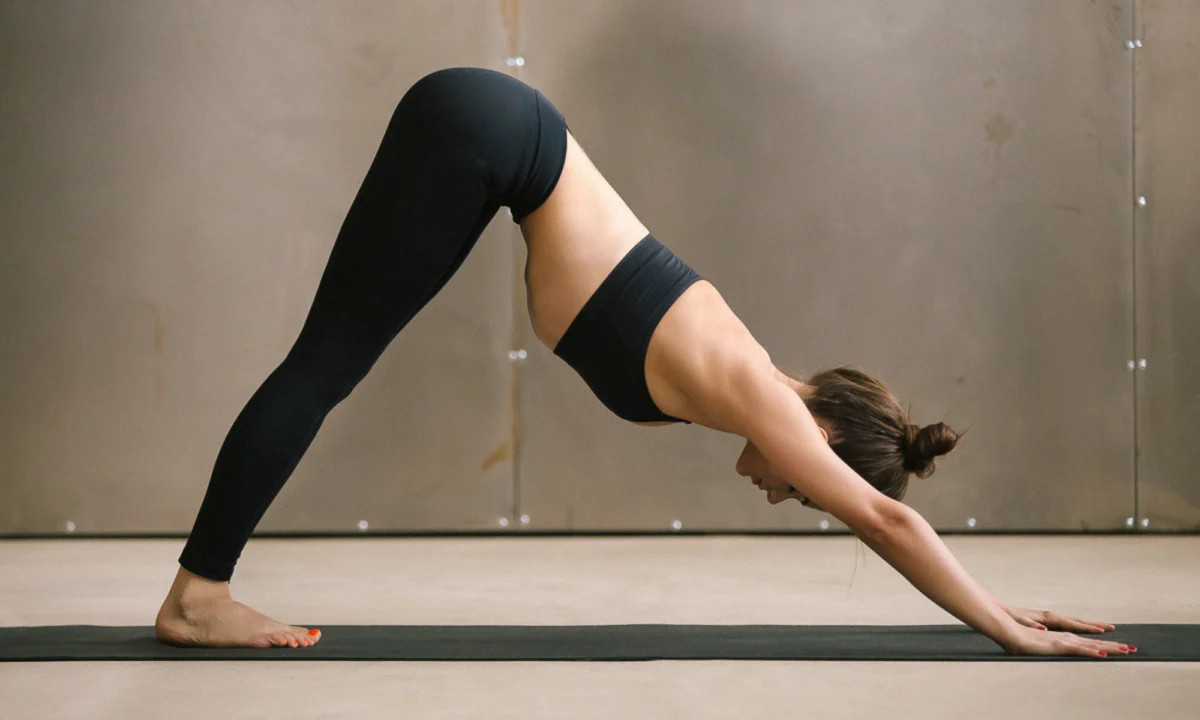
This sequence of movements helps repair the relationship between your body, breath, and brain, allowing you to learn to listen to your body’s needs. This sleep preparation practice can reduce physical tension, lower your heart rate, and decrease the stress hormones in your body.
The pursuit of restful sleep is a perennial concern for millions worldwide, with an increasing body of research highlighting the detrimental effects of insufficient sleep on physical and mental health. A recent article, adapted from Lisa Sanfilippo’s book "Sleep Recovery," introduces a gentle, yoga-based sequence designed to cultivate a deeper connection between the body, breath, and brain, ultimately facilitating improved sleep quality. This practice, which can be performed in the bedroom, aims to transform the sleep environment into a sanctuary of calm and restoration by reducing physical tension, lowering heart rate, and decreasing stress hormone levels.
The core of Sanfilippo’s approach lies in a carefully curated series of four movements, amplified by a foundational yoga breath technique. This combination is presented as a potent tool for relaxing key areas of the body essential for initiating and sustaining sleep. The practice, while requiring an initial investment of approximately 20 to 25 minutes for newcomers, streamlines to a manageable 10 to 12 minutes with regular engagement, even when performed at a leisurely pace. Crucially, the efficacy of this routine is noted to increase with continued practice, leading to deeper and more restorative stretches.
Background and Context: The Growing Sleep Crisis
The modern world is often characterized by a pervasive sleep deficit. Statistics from the Centers for Disease Control and Prevention (CDC) in the United States indicate that one in three adults do not get enough sleep on a regular basis. This chronic sleep deprivation is linked to a host of health problems, including obesity, diabetes, high blood pressure, heart disease, stroke, and poor mental health. Factors contributing to this crisis are manifold, including increased screen time, demanding work schedules, societal pressures, and a general disconnect from natural bodily rhythms. In this context, practices that promote relaxation and stress reduction, such as yoga and mindful breathing, have gained significant traction as complementary approaches to conventional sleep hygiene recommendations.
The author, Lisa Sanfilippo, M.Sc., R.Y.T., is identified as a registered yoga teacher and psychotherapist, bringing a unique interdisciplinary perspective to the practice of sleep enhancement. Her background suggests a deep understanding of both the physical and psychological mechanisms that influence sleep and well-being. The adaptation of her work from "Sleep Recovery" underscores the practical and accessible nature of the techniques she advocates.
The Foundational Yoga Breath: The Cornerstone of Relaxation
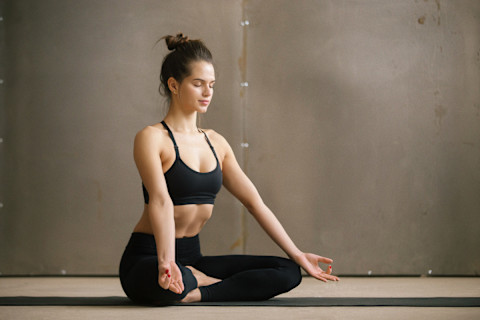
Central to Sanfilippo’s sleep preparation sequence is a fundamental yoga breath technique, often referred to as "Basic Yoga Breath" or diaphragmatic breathing. This practice involves consciously engaging the diaphragm, the large, dome-shaped muscle at the base of the chest cavity that helps with breathing. The technique emphasizes deep, slow inhalations through the nose, allowing the belly to expand, followed by even slower exhalations, preferably through the mouth with a gentle constriction in the throat.
This specific breathing pattern, characterized by a slight "hissing" sound created by narrowing the glottis (the space between the vocal cords), is known to activate the parasympathetic nervous system, often referred to as the "rest and digest" system. This is in contrast to the sympathetic nervous system, responsible for the "fight or flight" response. By stimulating the parasympathetic nervous system, the Basic Yoga Breath signals to the body that it is safe to relax, counteracting the effects of stress and preparing it for sleep. The physiological effects include a reduction in heart rate, lower blood pressure, and decreased levels of cortisol, the primary stress hormone. This conscious regulation of breath is the bedrock upon which the subsequent physical movements build their calming influence.
The Sequence in Detail: Four Movements for Sleep Preparation

The article outlines a sequence of four yoga postures, each contributing to the overall goal of relaxation and improved sleep. The movements are designed to be performed in a gentle, flowing manner, synchronized with the breath.
-
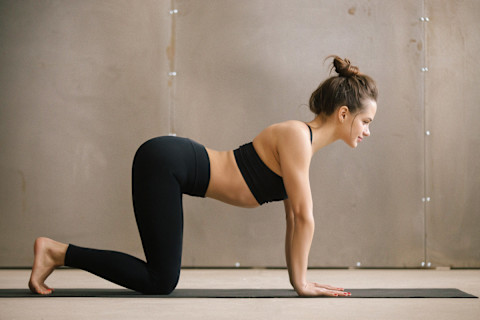
Cat Pose and Cow Pose (Marjaryasana-Bitilasana)
This foundational movement is performed on hands and knees, with the spine undulating through a gentle flexion and extension. As you inhale, the belly drops towards the floor, the chest lifts, and the gaze moves slightly upward (Cow Pose). As you exhale, the spine rounds towards the ceiling, the chin tucks towards the chest, and the navel draws towards the spine (Cat Pose).
- Physiological Impact: Cat-Cow Pose is particularly effective in releasing tension in the spine and the muscles of the back. It gently stretches the intercostal muscles between the ribs, thereby creating more space for deeper breathing. Sanfilippo notes that this pose is believed to tone the vagus nerve, a crucial component of the parasympathetic nervous system. The vagus nerve plays a vital role in transmitting signals between the brain and the internal organs, influencing heart rate, digestion, and the body’s overall state of relaxation. By stimulating this nerve through rhythmic movement and breath, the Cat-Cow sequence actively promotes a sense of calm and well-being, sending clear relaxation signals throughout the body. The sustained practice of slow breathing coupled with this rhythmic movement is instrumental in soothing the nervous system.
-
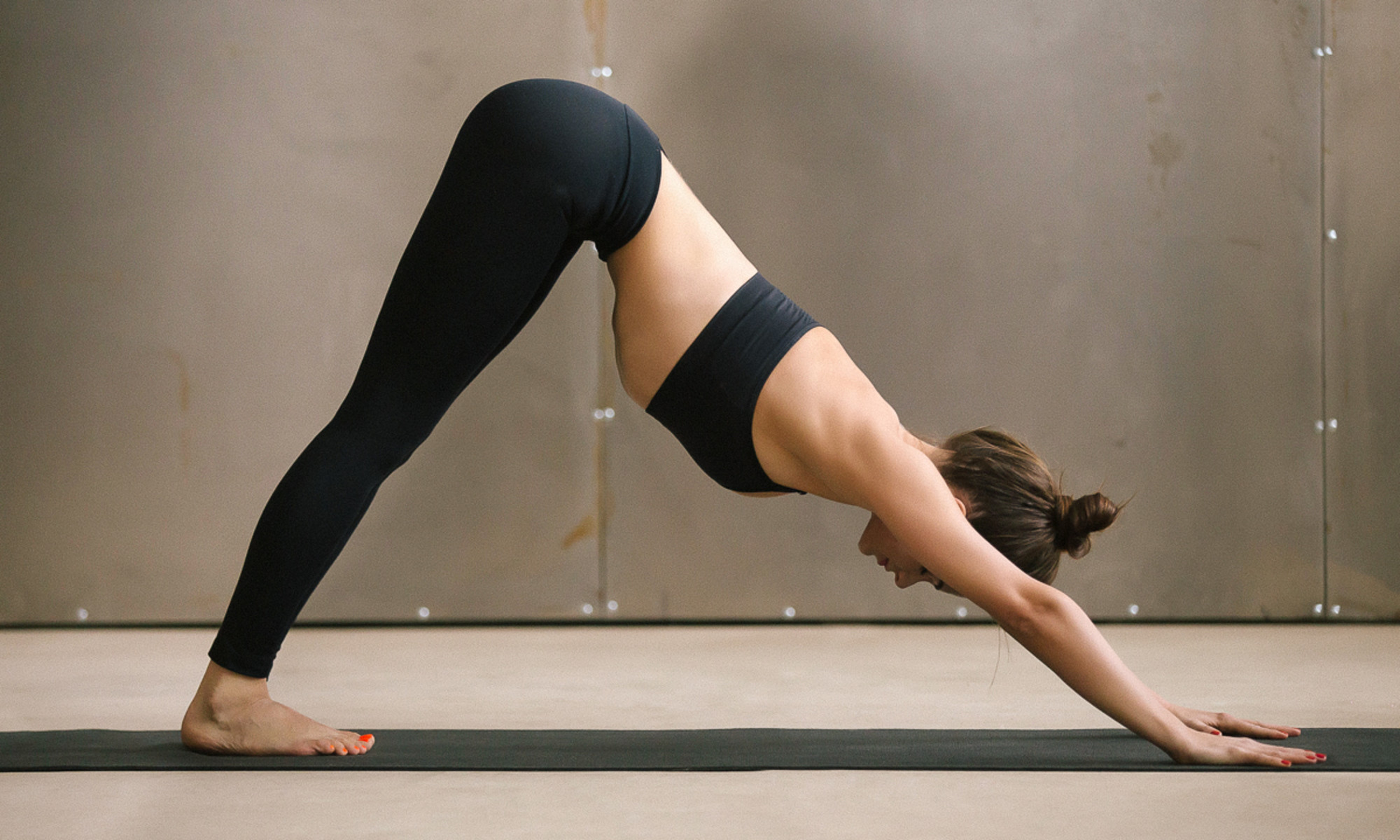
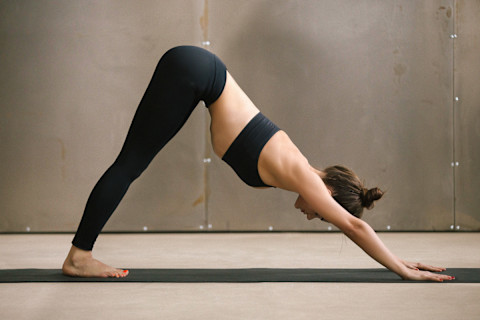
Downward-Facing Dog Pose (Adho Mukha Svanasana)
This inverted pose is a staple in many yoga practices, known for its comprehensive benefits. From hands and knees, the hips are lifted towards the ceiling, forming an inverted V-shape with the body. The hands are shoulder-width apart, and the feet are hip-width apart, with the heels pressing towards the floor.
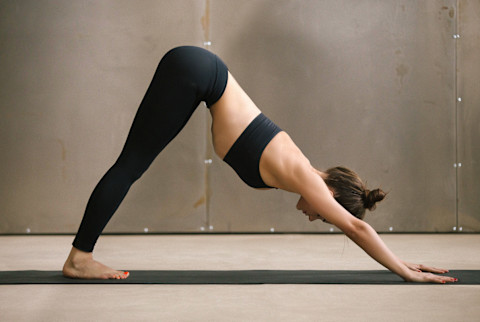
- Physiological Impact: Downward-Facing Dog is renowned for its ability to re-establish healthy circulation and stretch the longest muscles in the body, including the hamstrings, shoulders, spinal support muscles, and the neck. The inversion, with the head positioned below the heart, has a direct calming effect on the mind. This gentle inversion also promotes blood flow to the chest, delivering oxygen-rich blood to the upper body, which can contribute to a feeling of balance and refreshment. The stretch along the entire posterior chain of the body can release accumulated physical tension, often a significant contributor to sleep difficulties. The prolonged exhalations encouraged during this pose further deepen the parasympathetic response.
-
Child’s Pose (Balasana)
This resting pose is often incorporated at the end of a yoga sequence or as a moment of respite. From Downward-Facing Dog, the practitioner can either slowly lower the knees to the floor and rest the torso between the thighs, or simply transition directly to Child’s Pose from a kneeling position. The forehead rests on the mat, and the arms can be extended forward or relaxed alongside the body.
- Physiological Impact: Child’s Pose is inherently calming and grounding. It provides a gentle stretch for the back muscles, the pelvis, and the hips, offering a sense of release and surrender. This posture is often instinctively adopted by children when feeling overwhelmed, serving as a natural self-soothing mechanism. For adults, it offers a similar sanctuary, allowing the nervous system to settle. The gentle compression of the abdomen can also aid in digestion and further promote relaxation. It is a pose that encourages introspection and a return to the present moment, essential for detaching from the day’s stressors and preparing for sleep.
The Importance of the Bedroom Environment
Sanfilippo emphasizes that performing this sequence in the bedroom can significantly enhance its effectiveness. By associating the bedroom with these calming rituals, the space itself becomes a powerful cue for relaxation and sleep. This practice transforms the bedroom from a place of potential anxiety or distraction into a dedicated zone for rest and recovery. This environmental conditioning, coupled with the physical and mental benefits of the yoga sequence, creates a holistic approach to sleep hygiene.
Evidence-Based Support for Yoga and Breathwork in Sleep
The efficacy of yoga and breathwork for improving sleep is increasingly supported by scientific research. A meta-analysis published in the Journal of Clinical Sleep Medicine found that yoga interventions were associated with significant improvements in sleep quality among adults. Studies have consistently demonstrated that mindful breathing techniques, such as those employed in the Basic Yoga Breath, can reduce anxiety and promote relaxation, directly impacting the ability to fall asleep. For instance, research in the Journal of Alternative and Complementary Medicine has shown that controlled breathing exercises can alter autonomic nervous system activity, leading to reduced physiological arousal and improved sleep onset latency.
Furthermore, the concept of interoception—the sense of the internal state of the body—is central to Sanfilippo’s approach. By practicing these movements and focusing on the breath, individuals become more attuned to their bodily sensations, learning to distinguish between tension and relaxation. This enhanced interoceptive awareness allows them to more effectively manage stress and respond to their body’s cues for rest.
Analysis of Implications: A Holistic Approach to Well-being
The "Sleep Recovery" sequence offers a tangible, self-managed solution to a widespread health concern. Its implications extend beyond mere sleep improvement; by fostering a greater connection between mind and body, it promotes overall well-being. The practice encourages individuals to take an active role in their health, empowering them with tools to navigate stress and cultivate resilience.
The accessibility of this practice is a key strength. Requiring no special equipment and minimal space, it can be integrated into virtually any lifestyle. Its short duration makes it a realistic addition to evening routines, even for those with demanding schedules. The emphasis on mindful movement and breathwork aligns with a growing trend towards holistic health practices that address the interconnectedness of physical, mental, and emotional well-being.
The adaptation of this material from a published book suggests a commitment to disseminating evidence-based strategies for improved health. By offering practical techniques grounded in both yoga philosophy and therapeutic principles, Sanfilippo provides a valuable resource for individuals seeking to enhance their sleep and, by extension, their quality of life. The long-term benefits of consistent practice could lead to reduced reliance on sleep aids and a greater sense of control over one’s health and vitality.
Timeline and Chronology of the Practice
While the article doesn’t present a strict historical timeline, it implies a progression in practice:
- Initial Learning Phase (Weeks 1-2): Users dedicate approximately 20-25 minutes per session to familiarize themselves with the four movements and the Basic Yoga Breath. This phase focuses on understanding the alignment and breath synchronization.
- Routine Establishment (Weeks 3-4 onwards): As proficiency grows, the practice time typically reduces to 10-12 minutes. The focus shifts to deepening the stretches and maintaining the breath awareness throughout the sequence.
- Ongoing Practice: The article suggests that continued use leads to enhanced effectiveness, implying a long-term integration of the practice into an individual’s sleep hygiene routine.
Statements and Reactions (Inferred)
While direct quotes from related parties are not provided in the original excerpt, the adaptation from Lisa Sanfilippo’s book "Sleep Recovery" suggests the following:
- Author’s Intent: Sanfilippo, as a psychotherapist and yoga teacher, likely developed this sequence based on her clinical experience and understanding of yogic principles, aiming to provide a practical, non-pharmacological solution for sleep disturbances.
- Publisher’s Role: Bloomsbury Publishing’s decision to reprint this material indicates their belief in the value and relevance of Sanfilippo’s work for a broader audience seeking to improve their sleep and overall well-being.
- Reader’s Perspective (Implied): The article aims to resonate with individuals experiencing sleep difficulties, offering them hope and a concrete method for self-care. The emphasis on ease of practice and increasing effectiveness suggests a positive reception from those who engage with the techniques.
Broader Impact and Implications
The broader impact of this yoga-based sleep preparation sequence lies in its potential to contribute to a public health paradigm shift towards proactive, self-managed wellness strategies. In an era where sleep deprivation is increasingly recognized as a public health crisis, accessible and effective non-pharmacological interventions are invaluable.
The integration of yoga and breathwork into everyday life, particularly as a pre-sleep ritual, can foster a more mindful and balanced approach to living. By equipping individuals with tools to manage stress and regulate their nervous systems, such practices can lead to improved mental health, enhanced emotional regulation, and greater overall resilience. The cyclical nature of good sleep leading to better daytime functioning, which in turn supports healthier lifestyle choices that promote good sleep, creates a positive feedback loop for well-being. As the understanding of the intricate connection between sleep, stress, and physical health continues to grow, practices like the one outlined by Lisa Sanfilippo are poised to play an increasingly significant role in promoting holistic health and disease prevention. The simplicity and effectiveness of the sequence make it a compelling option for individuals seeking to reclaim their sleep and, consequently, enhance their overall quality of life.
