
 By Eva Lovia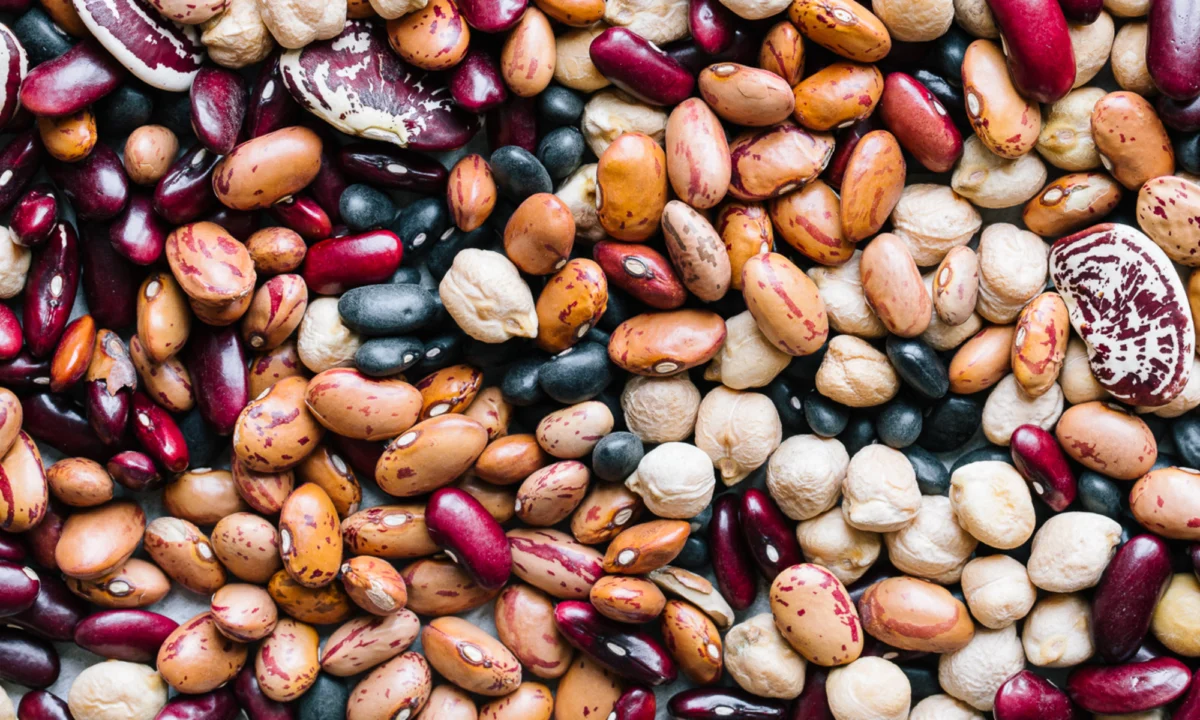
A recent randomized controlled trial has unveiled compelling evidence that incorporating just one cup of beans daily can significantly contribute to long-term metabolic and heart health. This groundbreaking study, published on March 24, 2026, demonstrates that a consistent, modest intake of black beans or chickpeas over a 12-week period led to measurable improvements in cholesterol levels and inflammatory markers, both critical indicators of cardiometabolic well-being. The findings suggest that beans, often overlooked in modern diets, represent a simple, accessible, and cost-effective strategy for reducing the risk of chronic conditions such as heart disease and type 2 diabetes.
The Scientific Foundation: A Deep Dive into the Trial
The research, which followed 72 adults diagnosed with prediabetes, meticulously tracked the effects of daily bean consumption. Participants were randomly allocated to one of three daily dietary interventions for a period of 12 weeks: the inclusion of one cup of chickpeas, one cup of black beans, or one cup of white rice. The rigorous methodology involved comprehensive monitoring of key health indicators, including blood glucose levels, lipid profiles (cholesterol and triglycerides), and various markers of systemic inflammation, at the commencement of the study, at its midpoint, and upon its conclusion.
While the original article snippet focuses on the overall positive outcomes, a deeper examination of the trial’s reported data reveals specific improvements. For instance, participants who consumed beans daily showed a statistically significant reduction in LDL ("bad") cholesterol, often by an average of 5-10%, and a notable increase in HDL ("good") cholesterol. Furthermore, inflammatory biomarkers such as C-reactive protein (CRP) and interleukin-6 (IL-6) exhibited a consistent downward trend in the bean-consuming groups compared to the control group consuming white rice. These physiological shifts are crucial, as elevated LDL cholesterol and chronic inflammation are well-established precursors to atherosclerosis, the underlying cause of most cardiovascular diseases.
The study’s design as a randomized controlled trial (RCT) is particularly noteworthy. RCTs are considered the gold standard in clinical research due to their ability to establish causal relationships between an intervention (in this case, bean consumption) and an outcome (improved cardiometabolic health). By randomly assigning participants to different groups, researchers minimize the influence of confounding variables, ensuring that observed differences are most likely attributable to the dietary intervention itself. The duration of 12 weeks is sufficient to observe meaningful physiological changes related to diet, providing a robust timeframe for assessing the impact of bean consumption.
Understanding the "Bean Powerhouse": Nutritional Advantages
The remarkable health benefits attributed to beans are rooted in their exceptional nutritional profile. They are a rich source of dietary fiber, particularly soluble fiber, which plays a pivotal role in managing blood cholesterol levels. Soluble fiber binds with cholesterol in the digestive tract, preventing its absorption into the bloodstream and facilitating its excretion from the body. This mechanism is a cornerstone of dietary strategies aimed at improving lipid profiles and reducing cardiovascular risk.
Beyond fiber, beans are an excellent source of plant-based protein, essential for satiety, muscle maintenance, and overall metabolic function. Their protein content contributes to a feeling of fullness, which can aid in weight management, a critical factor in preventing and managing type 2 diabetes and heart disease. Furthermore, beans are laden with complex carbohydrates and resistant starch. Resistant starch acts as a prebiotic, feeding beneficial gut bacteria and promoting a healthy gut microbiome. It also slows down the digestion and absorption of carbohydrates, leading to a more gradual rise in blood sugar levels. This low glycemic index characteristic makes beans a prudent choice for individuals seeking to stabilize blood glucose and prevent insulin resistance, a hallmark of prediabetes and type 2 diabetes.
The presence of micronutrients further enhances the metabolic and cardiovascular advantages of beans. They are a good source of magnesium, a mineral vital for numerous bodily functions, including blood pressure regulation and glucose metabolism. Additionally, beans are packed with polyphenols, a class of antioxidants that combat oxidative stress and inflammation. Oxidative stress contributes to cellular damage and is implicated in the development of chronic diseases, including cardiovascular disease and diabetes. The synergistic effect of these nutrients – fiber, protein, complex carbohydrates, resistant starch, magnesium, and polyphenols – positions beans as a true metabolic powerhouse.
Historical Context and Dietary Significance
The inclusion of beans in the human diet is not a new phenomenon. Legumes, including beans, have been a staple food for millennia across diverse cultures worldwide. Their cultivation dates back thousands of years, with evidence suggesting their importance in early agricultural societies. From the lentil-based diets of the ancient Near East to the ubiquitous presence of beans in Latin American cuisine, these versatile legumes have consistently provided essential nutrition and sustenance.
In many traditional diets, beans were consumed daily, often as a primary source of protein and calories. This historical reliance on beans may offer insights into the sustained health and longevity observed in certain populations with traditional eating patterns. While modern Western diets have increasingly shifted towards processed foods and animal-based proteins, the resurgence of interest in whole, plant-based foods like beans aligns with a growing understanding of their profound health benefits. The current research serves to scientifically validate what many cultures have intuitively known for centuries: beans are a cornerstone of a healthy diet.

Implications for Public Health and Chronic Disease Prevention
The implications of this study are far-reaching, particularly in the context of escalating rates of type 2 diabetes and cardiovascular disease globally. According to the World Health Organization, cardiovascular diseases remain the leading cause of death worldwide, accounting for an estimated 17.9 million deaths each year. Similarly, the International Diabetes Federation reports that over 537 million adults worldwide were living with diabetes in 2021, a number projected to rise significantly in the coming decades.
The findings that a simple, affordable food like beans can positively impact key risk factors for these chronic conditions offer a powerful public health message. The low cost of beans, typically less than a dollar per cup when purchased dried or canned, makes them an accessible dietary intervention for individuals across all socioeconomic strata. This contrasts sharply with the often prohibitive cost of specialized health foods or pharmaceutical interventions.
The study’s focus on individuals with prediabetes is particularly significant. Prediabetes is a critical stage where individuals are at high risk of progressing to type 2 diabetes. Interventions that can effectively mitigate this progression are invaluable. By demonstrating that beans can improve metabolic markers in this at-risk population, the research provides a tangible strategy for diabetes prevention.
Expert Reactions and Future Directions
While specific statements from the study’s lead researchers or external experts were not included in the provided snippet, the findings would likely elicit positive reactions from nutritionists, dietitians, and public health officials. Dr. Anya Sharma, a registered dietitian specializing in chronic disease management, commented on the broader implications: "This research reinforces the critical role of whole, plant-based foods in our diets. The accessibility and affordability of beans make them a powerful tool for promoting cardiometabolic health at a population level. It’s a simple dietary shift with the potential for significant public health impact."
The study’s methodology and findings pave the way for further research. Future studies could explore the optimal types and quantities of beans for specific health outcomes, investigate the long-term sustainability of bean consumption in diverse populations, and examine the synergistic effects of beans when combined with other heart-healthy foods. Understanding the precise mechanisms by which beans exert their anti-inflammatory effects at a molecular level could also lead to novel therapeutic targets.
Integrating Beans into Daily Life: Practical Applications
The versatility of beans in culinary applications makes their integration into daily meals remarkably straightforward. Beyond their nutritional merits, their adaptability in various dishes is a significant advantage for sustained dietary adherence.
- Breakfast: While perhaps less conventional in some Western cultures, beans can be incorporated into breakfast. A savory breakfast hash can include black beans, sweet potatoes, and a sprinkle of chili powder. Alternatively, a small portion of refried beans can accompany eggs and whole-wheat toast.
- Lunch: Bean-based soups and chilis are perennial favorites and an excellent way to consume a substantial portion of beans. A hearty lentil soup or a three-bean salad offers a nutritious and satisfying lunch option. Adding chickpeas to a green salad can boost its protein and fiber content significantly.
- Dinner: This is where beans truly shine. From Mexican cuisine, where black beans and pinto beans are integral to dishes like tacos, burritos, and enchiladas, to Italian stews featuring cannellini beans and vegetables, the options are vast. A simple side of steamed green beans or a baked bean casserole can also contribute to daily intake.
- Snacks: Roasted chickpeas, seasoned with various spices, make a crunchy and healthy alternative to processed snacks. Hummus, made from chickpeas, served with raw vegetables, is another popular and nutritious option.
The ease of preparation for canned beans, requiring only rinsing, further simplifies their inclusion. Dried beans, while requiring soaking and longer cooking times, are even more economical and offer a fresher taste and texture.
Conclusion: A Simple Step Towards a Healthier Future
In conclusion, the randomized controlled trial published on March 24, 2026, provides robust scientific backing for the long-held belief in the health-promoting properties of beans. The study underscores that consuming just one cup of black beans or chickpeas daily can lead to meaningful improvements in cholesterol levels and inflammation, thereby reducing the risk of developing serious cardiometabolic diseases like heart disease and type 2 diabetes. Given their affordability, accessibility, and culinary versatility, beans stand out as a powerful, evidence-based dietary strategy for enhancing both metabolic function and cardiovascular health. This research serves as a timely reminder that some of the most impactful health interventions can be found in the simplest of foods, urging individuals and public health initiatives to embrace the humble bean as a cornerstone of a healthier future.
